


Paper Landscape Drawing
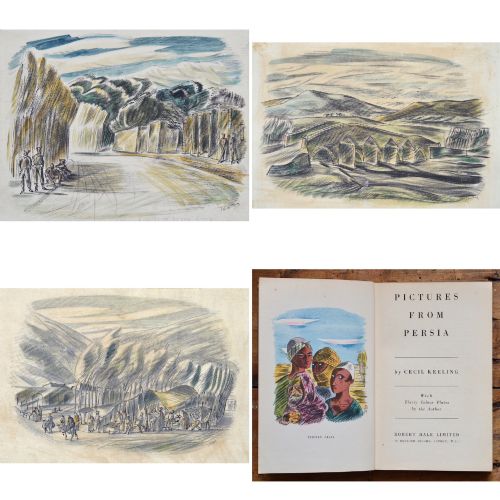
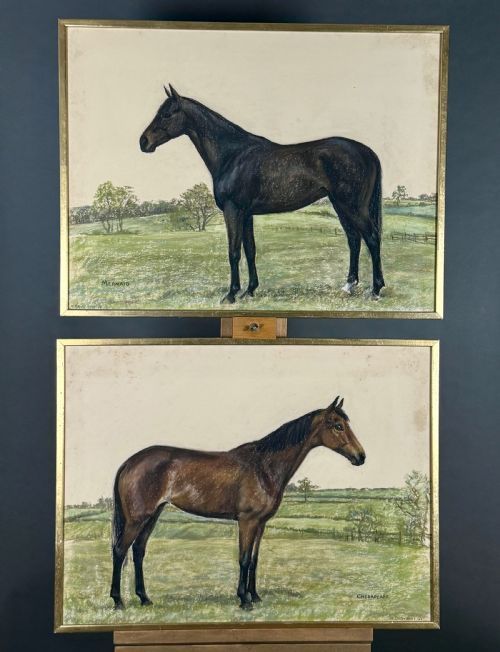
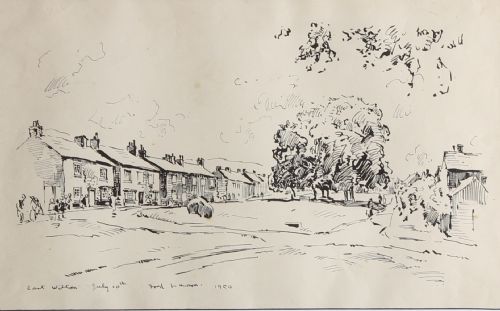
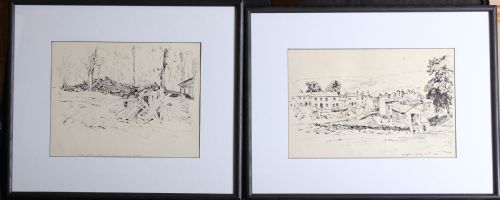
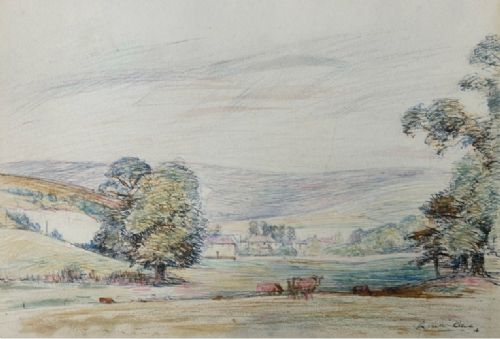
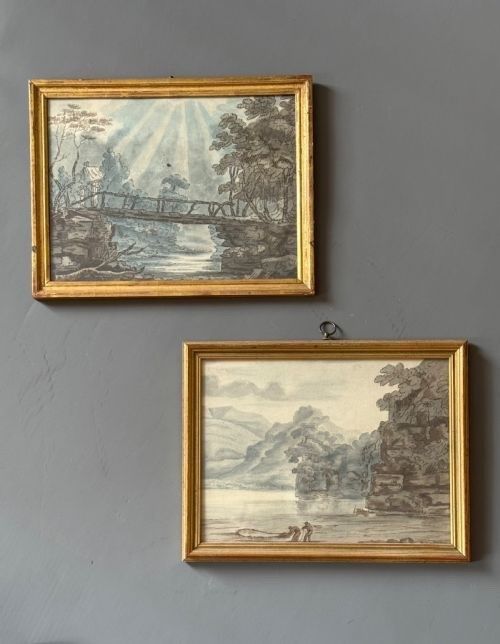
When you search for a paper landscape drawing, you uncover works capturing rural and urban views executed directly on paper across multiple centuries.
Paper Landscape Drawing
A paper landscape drawing comprises original works on paper capturing natural scenery, pastoral fields, and architectural vistas. When exploring this selection, you encounter pieces spanning the eighteenth century through the mid-twentieth century, encompassing Victorian, Edwardian, and mid-century modern aesthetic movements.
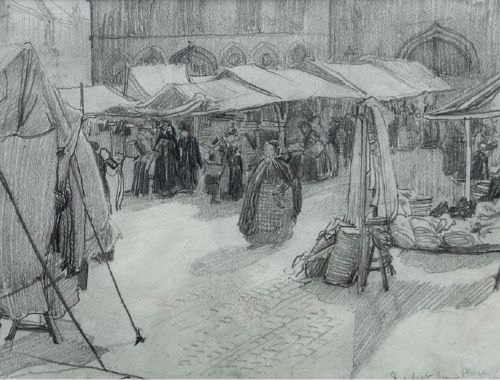
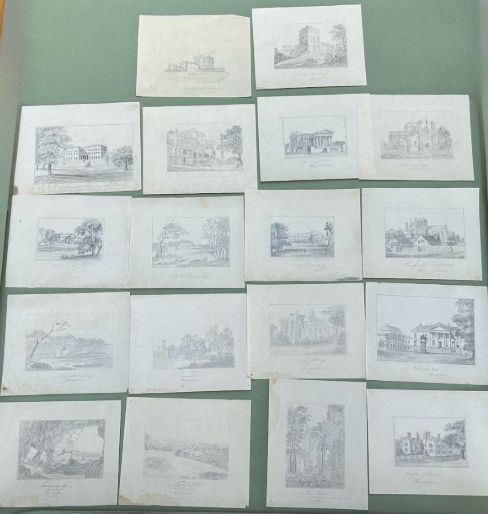
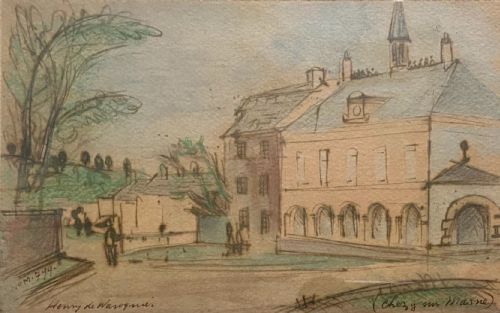
The format ranges from intimate pencil sketches and pen-and-ink studies to larger finished watercolours, pastels, and charcoal compositions. Many examples originate from British hands, alongside continental European scenes created during travels or foreign residencies.
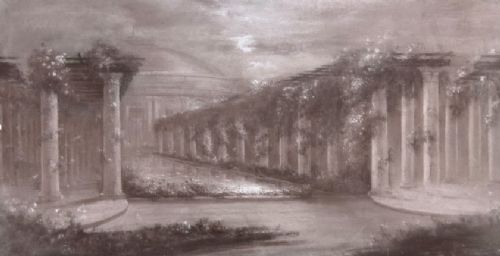
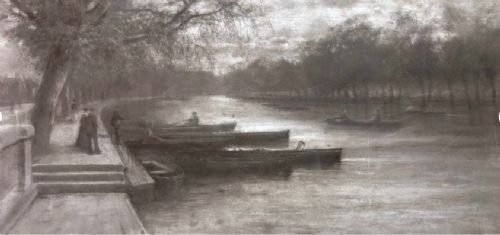
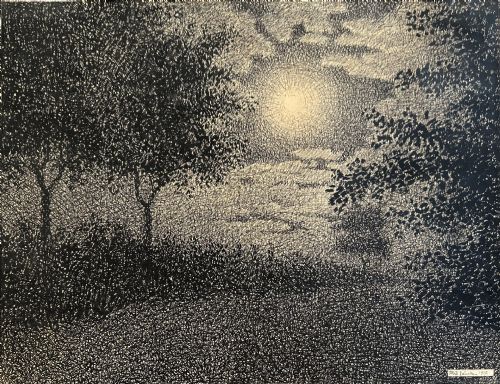
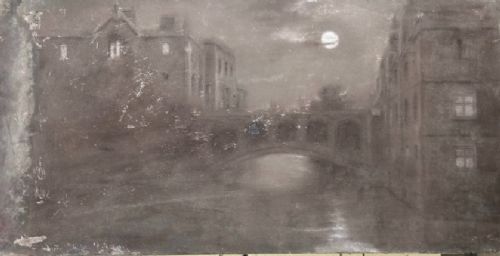
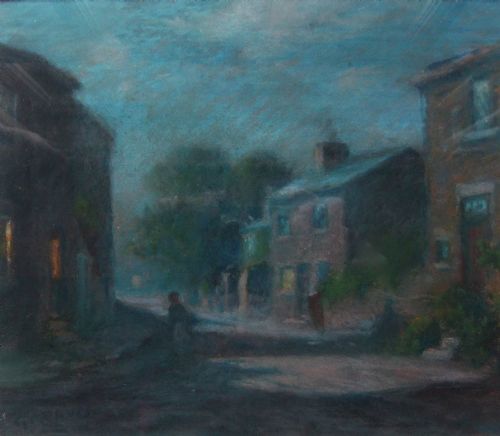
These works function as direct records of topography and atmosphere, capturing fleeting weather conditions, moonlit streets, and quiet countryside views with immediate graphic expression.
Materials and technique
Artists utilised a direct graphic approach, laying down graphite, charcoal, or pen and ink upon various paper substrates to establish preliminary lines and shadows. Charcoal and pencil allowed for rapid tonal blocking, visible in atmospheric evening and winter scenes.
Watercolour and pastel pigments were frequently applied over these foundational lines to introduce colour and luminosity. Works sometimes incorporate mixed media elements, combining ink washes with watercolours or coloured pencils on sheets that occasionally attach directly to canvas stretchers.
Several sheep and a mule share the landscape alongside grand architectural studies of castles and cathedrals.
Variations in quality
Quality rests in the sureness of the hand and the economy of line used to define the spatial depth of a landscape. Stronger examples display confident mark-making that captures light and atmosphere immediately, rather than laboured corrections or hesitant shading.
The relationship between the medium and the paper surface dictates visual success. Superior sheets maintain vibrant pigment integrity and clear tonal contrast without excessive fading, foxing, or brittle deterioration that obscures the composition.
Cecil Keeling·Henry Percy Huggill·Alfred Young Nutt·Fred Lawson·Russell Sidney Reeves·Henry de Waroquier·William Greaves·William Manners·Charles James Lauder·John Hobson Nicholson·Stanley Orchart·Edward Dayes·Sir Francis Leggatt Chantrey·Charles H Poingdestre·Yves Brayer·George De Paris·Frank Saltfleet
The Paper Landscape Drawing Glossary
- Charcoal
- A dry drawing medium made from slowly burned wood, yielding deep black marks easily smudged for tonal shadows. It is frequently employed for moody, high-contrast landscape studies.
- Pastel
- A powder pigment bound into stick form, offering rich colour application directly to paper. Pastels create soft textures useful in capturing atmospheric skies and soft foliage.
- Graphite
- A crystalline form of carbon encased in wood as a pencil or used in block form, producing fine grey lines. It serves as the primary tool for detailed preliminary sketching.
- Watercolour
- A paint consisting of pigment suspended in a water-soluble vehicle, applied in transparent washes over paper. This medium allows light from the white paper to illuminate the pigment.
- Gouache
- An opaque water-based paint containing added white pigment to create solid, flat colour areas. It provides highlights and dense opacity within mixed media drawings.
Paper Landscape Drawing: Frequently Asked Questions
What is the difference between a sketch and a finished drawing?
A sketch is typically an exploratory study made on location to capture immediate observations, often featuring visible construction lines and rapid hatching. These informal works reveal the direct thought process of the artist.
A finished drawing is a more deliberate, fully realised composition intended for exhibition or publication, containing refined details and considered tonal balances.
How do I identify the period of a paper drawing?
Examine the paper itself, as watermarks, chain lines, and paper weight often point to specific centuries of manufacture. Early nineteenth-century sheets differ noticeably in texture and pulp composition from mid-twentieth-century industrial paper.
Stylistic cues such as costume, architectural details, framing methods, and signatures supply further chronological context for dating the artwork.
Why are some drawings mounted on canvas or secondary support?
Artists and early restorers occasionally laid fragile or large sheets of paper onto canvas stretchers or backing boards to provide structural reinforcement. This prevents warping and supports heavy applications of charcoal, pastel, or mixed media.
Such backing was a standard conservation and mounting practice in past centuries, particularly for works intended for display without heavy framing.