



Paper Fine Art Print
Paper fine art print describes works on paper spanning centuries, offering direct contact with historical printmaking and drawing.
Paper Fine Art Print
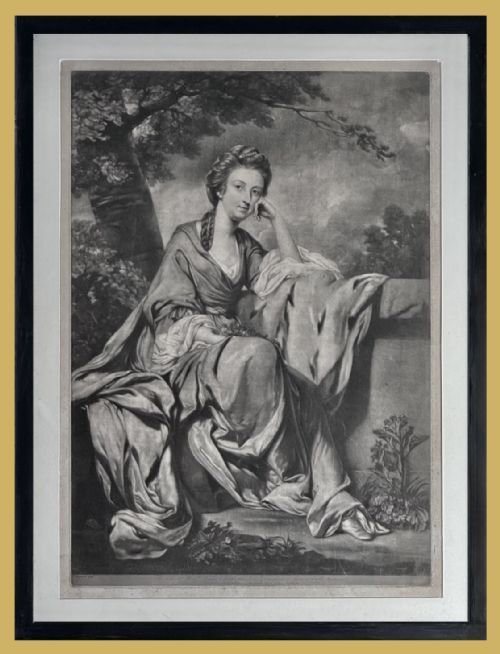
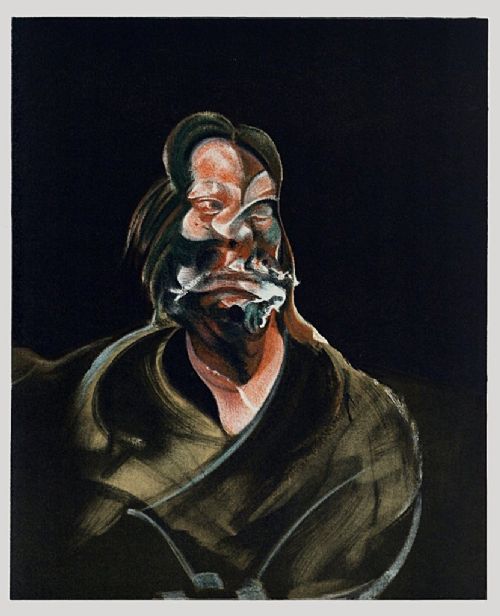
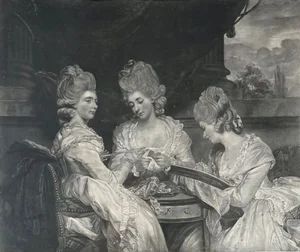
A paper fine art print encompasses historical engravings, etchings, lithographs, and watercolours spanning the eighteenth century through to the modern era. When you examine this selection, you encounter everything from eighteenth-century copper engravings and mezzotints to early twentieth-century collotypes and mid-century modern works.
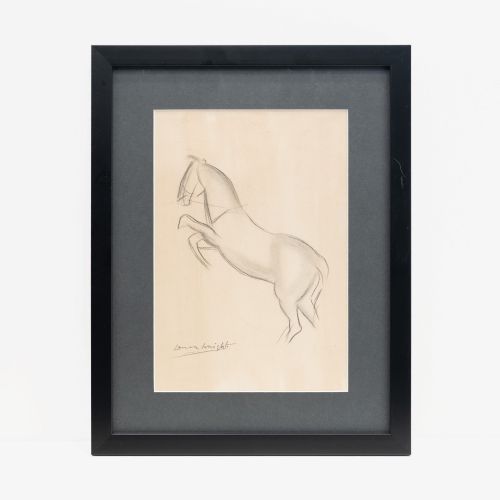
The objects take diverse forms, including framed artworks, wall art, and bound portfolios of prints, reflecting both individual graphic sheets and original painted studies on paper.
Originating across British, European, and Japanese workshops, these pieces demonstrate the varied output of draughtsmen, printmakers, and painters working on paper supports.
Materials and technique
Makers utilised paper as the primary support, applying ink, watercolour, pastel, and graphite to create the image. Printmakers employed copper plates for fine line engravings and mezzotints, whilst others turned to woodblocks, stone for lithography, or photographic processes for collotypes.
Framing materials such as glass, wood, and giltwood frequently protect and enclose the sheets, preserving the delicate paper surfaces from environmental damage over the decades.
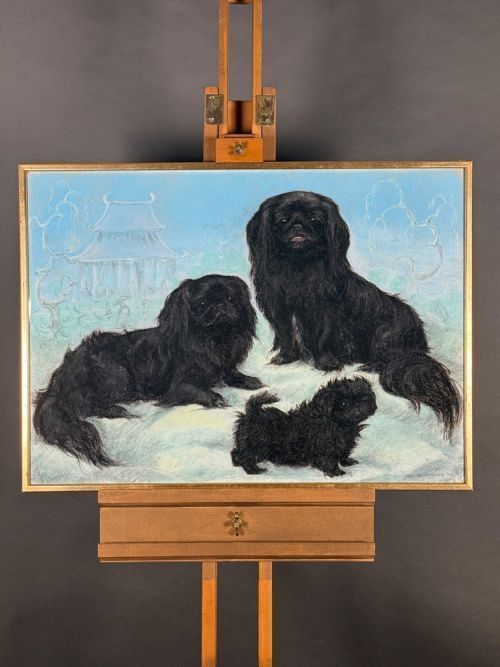
Three very serious Pekingese dogs gaze out from a mid-century pastel drawing, proving that even fine art has its fluffy moments.
Assessing quality
Quality rests upon the clarity of the impression and the precision of the hand applied to the paper, distinguishing sharp, early strikes from worn later printings. The interaction between ink density and the texture of the paper substrate reveals the care taken during production.
The integrity of the sheet itself, alongside the fidelity of hand-colouring or pastel application where present, separates standard decorative plates from works executed by accomplished artists and skilled printmakers.
Edward Fisher·Valentine Green·Sir Joshua Reynolds·Dame Laura Knight·Augustus Edwin John·Andrea Mantegna·Kunisada
The Paper Fine Art Print Glossary
- Mezzotint
- A printmaking process where the copper plate is roughened to produce dark tones and scraped to create highlights. This technique allows for subtle tonal gradations and rich shadows.
- Etching
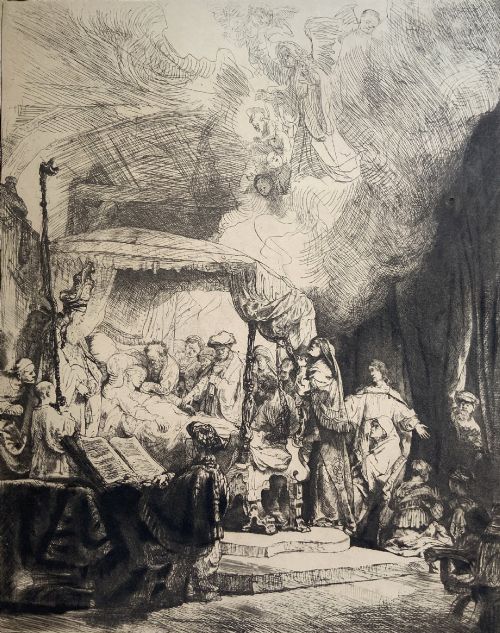
- A method where lines are bitten into a metal plate with acid before being inked and printed onto paper. Artists prize the expressive, fluid quality of the resulting lines.
- Chromolithograph
- A multicoloured print produced through lithography using a separate stone for each colour used. This nineteenth-century process achieved remarkably vibrant hues.
- Collotype
- A planographic printing process based on photography, using a gelatin-coated plate to produce continuous tone reproductions. It yields exceptional detail without a visible dot matrix.
- Woodblock print
- An image carved into a block of wood, inked, and transferred to paper by pressure. This traditional method highlights the grain of the wood and the precision of the cutter.
Paper Fine Art Print: Frequently Asked Questions
How do I care for a paper fine art print?
Keep works on paper away from direct sunlight to prevent fading and discolouration of both the ink and the paper support. Maintain stable humidity levels within your room to protect the sheet from warping or mould growth.
Ensure framing is professionally sealed using conservation-grade materials to create a barrier against dust and atmospheric pollutants. Regular, gentle dusting of the outer frame keeps the presentation clean without disturbing the artwork inside.
What is the difference between an engraving and an etching?
An engraving involves cutting lines directly into a metal plate using a sharp tool called a burin, producing crisp, precise results. Etching uses acid to bite the lines into the metal after the artist draws through a protective wax ground.
Engraved lines tend to have clean, tapered ends, whilst etched lines display a slightly more fluid and varied character. Both methods yield distinct visual textures when printed onto fine paper.
Are these works original or reproductions?
Many items listed are original prints created directly by the artist or printed from the original plates during the period of creation. This includes hand-pulled etchings, woodblock prints, and unique watercolour or pastel drawings.
Other pieces represent period reproductive prints, such as mezzotints or engravings after famous paintings, which were highly valued as fine art in their own time.
How can I tell the age of a print?
Examine the characteristics of the paper, noting any watermarks, chain lines, or natural ageing that indicate historical manufacture. The printing technique and stylistic conventions of the composition also offer strong clues to the period of origin.
Collector marks, gallery labels, and inscriptions written in pencil or ink on the reverse often provide documented provenance. Comparing the impression quality with known historical examples helps confirm the timeframe.