




Expressionist Portrait Wall Art
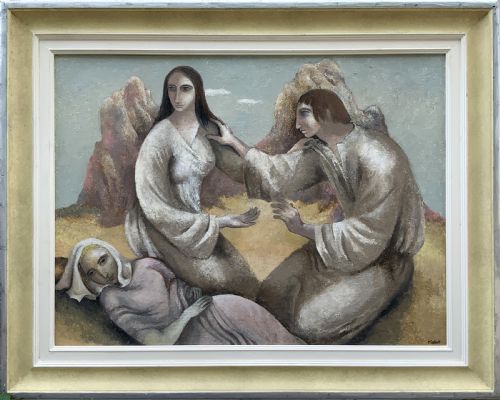
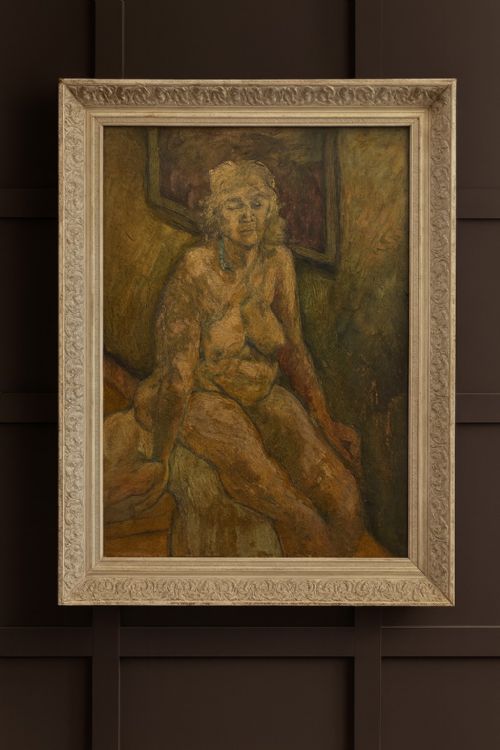
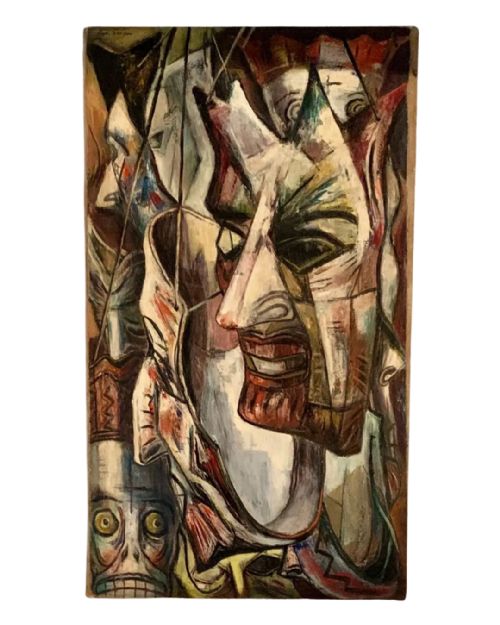
Expressionist portrait wall art brings intense psychological depth and bold brushwork into a room through mid-century canvases and prints.
Expressionist Portrait Wall Art
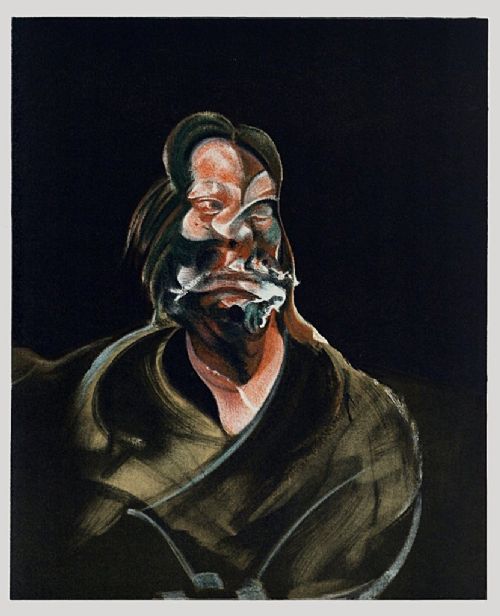
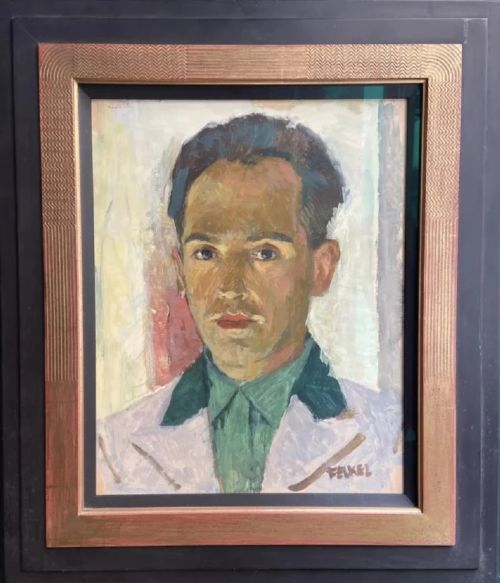
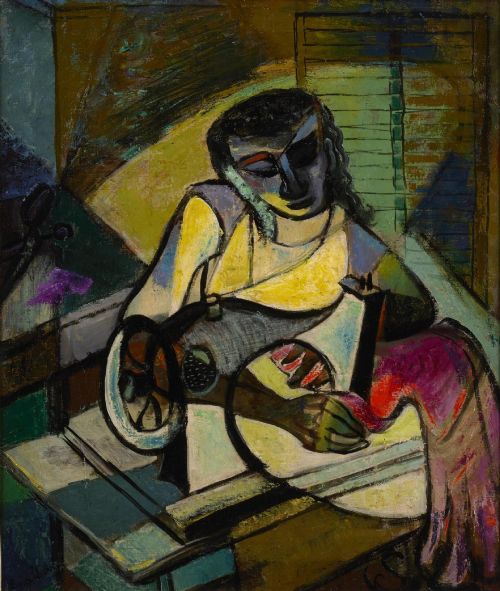
Expressionist portrait wall art captures human subjects through distorted forms, heavy paint application, and emotive colour palettes.
You will encounter pieces originating from the 1920s through the 1960s, reflecting mid-century modernism, fauvism, and abstract tendencies.
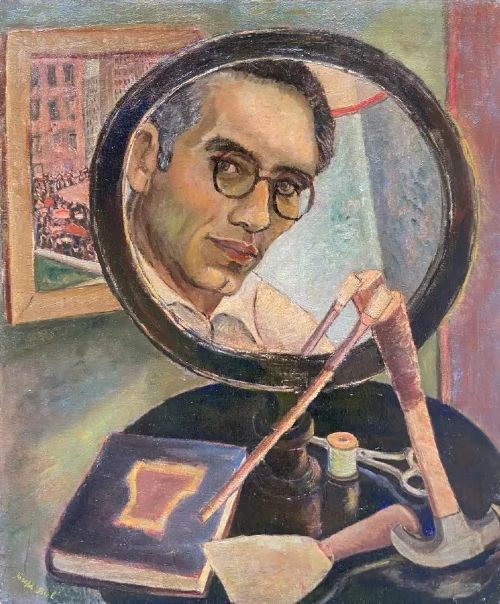
The selection ranges from intimate self-portraits on paper and board to large oil paintings on canvas depicting nudes, figures, and musicians.
Materials and Techniques
Artists apply oil paint and impasto directly onto canvas or board, building thick textures that emphasise the physical gesture of painting.
Works on paper utilise ink, gouache, or lithography to achieve swift, graphic marks characteristic of the period.
One trumpeter and clown share a single sheet of paper, bringing mid-century jazz club atmosphere straight to the wall.
Judging Quality
Quality rests upon the confidence of the brushwork and the emotive power of the composition rather than the conventional beauty of the sitter.
The relationship between the subject and the painted surface reveals the mastery behind the mid-century handling of form and colour.
Carl Felkel·Joseph Biel·Lena Gurr·Christine Nesbit·Tony Giles·Gaetan Dumas·Baruch Shalom Oskotsky·Antonio Ferri·Raymond Arthur Roadnight·Burr Singer·Richards Rubin·Bernard Meninsky·Archille Zavatta
The Expressionist Portrait Wall Art Glossary
- Impasto
- Paint laid on an area of the surface in thick layers, usually thick enough that the brush or painting-knife strokes are visible. This technique adds tactile dimension to figurative works.
- Gouache
- An opaque water-based paint that dries to a matte finish, allowing for vibrant colour blocks on paper support. It appears frequently in mid-century illustrative works.
- Lithography
- A planographic printing process using a flat stone or metal plate. It enables multiple impressions of a drawn portrait.
- Avant-garde
- New and experimental ideas in art, pushing beyond traditional representation. These pieces challenge conventional perspective and subject matter.
Expressionist Portrait Wall Art: Frequently Asked Questions
What defines expressionist portrait wall art?
These works prioritise emotional experience over physical accuracy, distorting colour and line to convey the psychological state of the subject.
They reflect mid-century modernist movements where artists rejected strict academic realism in favour of personal interpretation.
How do I hang these pieces safely?
Secure wall fixings suited to the weight of framed canvas, board, or glass-fronted works on paper are essential for stability.
Keep them away from direct sunlight and damp environments to protect the oil paint, ink, and paper components.
Are these works painted on canvas?
Many examples utilise canvas stretched over wooden frames, while others employ rigid board or delicate paper supports.
The backing material often depends on the medium, with heavy oils favouring canvas and board while gouache and ink appear on paper.
How do I distinguish 1920s pieces from 1950s works?
Earlier pieces from the 1920s and 1930s often lean towards fauvist palettes and sombre tones, reflecting early modernist developments.
Works from the 1950s and 1960s frequently incorporate bolder abstract elements and thicker impasto textures typical of mid-century modernism.