




Vintage Portrait Lithograph
A vintage portrait lithograph brings character to a room through ink on paper, offering a direct link to past portraiture and historic printing traditions.
Vintage Portrait Lithograph
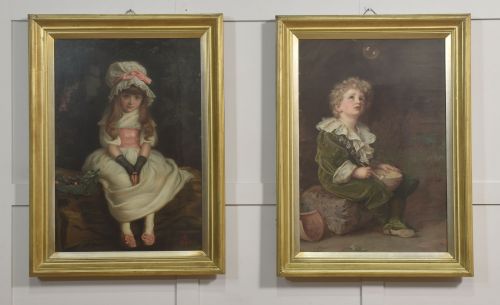
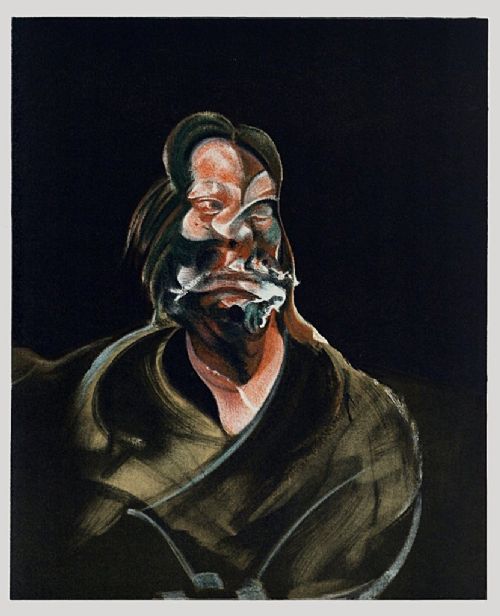
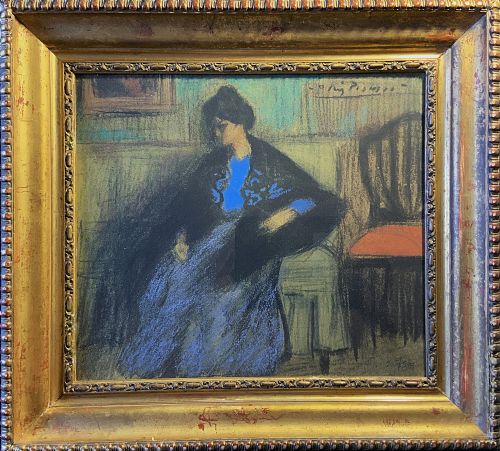
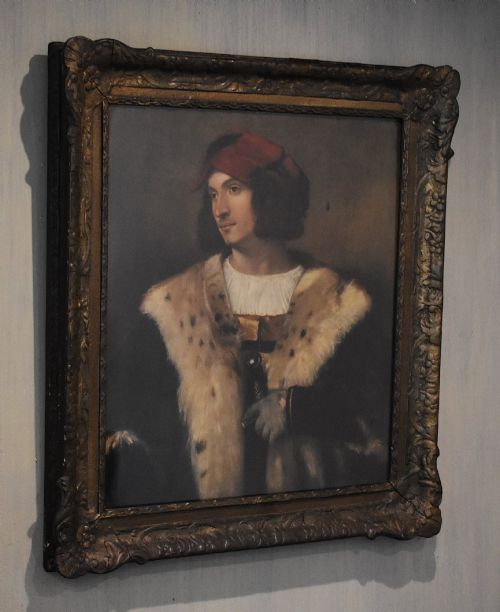
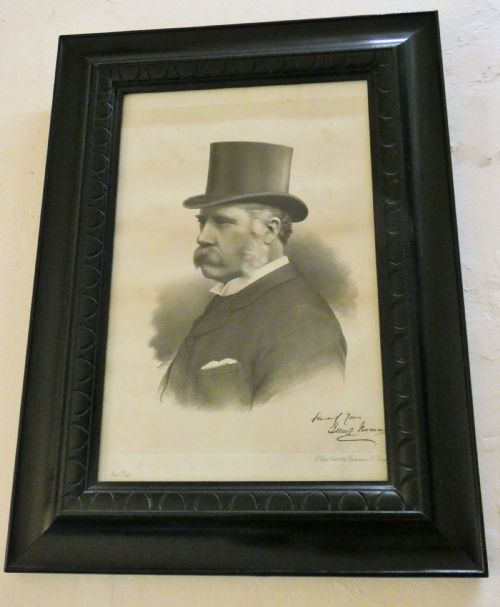
When you search for a vintage portrait lithograph, you encounter framed prints and wall art spanning the Victorian era, Edwardian period, and mid-century modernism. These works capture subjects ranging from society figures and actors to literary icons and anonymous sitters.
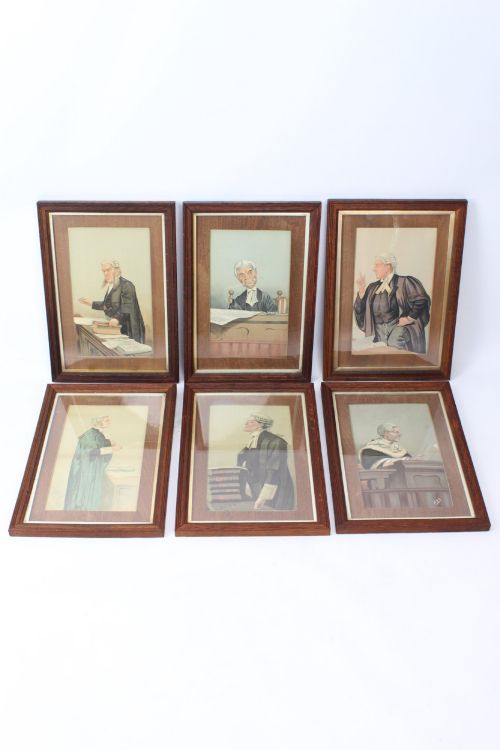
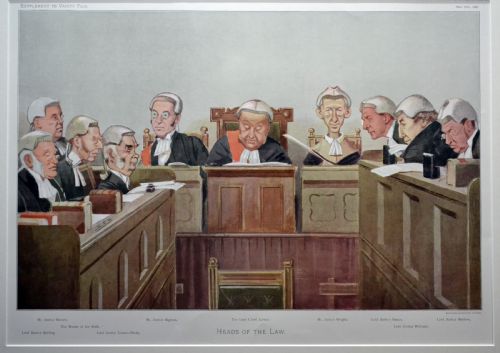
The pieces on this page appear in various formats, including single framed artworks, sets of satirical cartoons, and limited edition plates. Dating ranges from the nineteenth century through to the nineteen-sixties, reflecting shifting artistic styles and reproduction techniques.
How they were made
The core material is paper, bearing inked impressions produced through lithographic printing processes. Many examples incorporate pochoir colouring or hand-tinted details to enhance the visual depth of the printed surface.
Framing materials commonly include wood, giltwood, and glass, which protect the delicate paper works from environmental damage while providing a finished presentation for hanging.
Listings feature paper, ink, and glass alongside wooden and giltwood frames, representing styles from Renaissance revival to mid-century modernism.
What varies in quality
Quality rests in the crispness of the ink impression and the fidelity of the portrait to the original composition or subject. Finer examples retain sharp lines and clean paper grounds without excessive fading or discoloration.
The quality of the associated framing, whether original giltwood or later surrounds, contributes to the overall presentation and preservation of the paper artwork within.
Francis Bacon·Pablo Picasso·Titian
The Vintage Portrait Lithograph Glossary
- Lithograph
- A print made by drawing an image on limestone or a metal plate with a greasy substance so that ink adheres only to the drawn areas. This technique allows for subtle tonal gradations and fine detail.
- Pochoir
- A stencil-based printing process used to apply hand-coloured layers of watercolour or gouache to a print. It produces vibrant, precise areas of flat colour.
- Giltwood
- Wood that has been carved and coated with a thin layer of gold leaf or gilt paint. It is frequently found on traditional picture frames.
- Impression
- A single copy of a print pulled from a printing surface. The clarity and strength of an impression can vary depending on the wear of the plate.
Vintage Portrait Lithograph: Frequently Asked Questions
How should I hang vintage portrait lithographs?
Keep framed paper prints away from direct sunlight to prevent the ink and paper from fading over time. Use stable wall fixings suited to the weight of the wood and glass frames.
Grouping smaller portrait prints together can create a balanced gallery wall display. Ensure the hanging height places the centre of the portrait at eye level for comfortable viewing.
What periods do these prints cover?
The selection includes pieces from the nineteenth century, the Victorian and Edwardian eras, and mid-century modernism up to the nineteen-sixties. Each period brings distinct printing styles and subject matter.
Earlier nineteenth-century works often focus on topographical or classical portrait subjects, while later Edwardian and twentieth-century pieces lean towards caricature and modern art movements.
Are these lithographs original prints?
Many listings represent period printing processes where the lithographic plate was used to produce impressions during the artist's lifetime or shortly thereafter. Original magazine supplements and periodical plates also feature strongly.
Examine the printed surface closely to determine whether the ink sits flat on the paper in a manner consistent with historic lithographic methods rather than modern digital reproduction.
How do I care for framed paper art?
Maintain a stable indoor climate with moderate humidity levels to protect both the paper support and the wooden framing elements. Avoid hanging pieces in damp environments like kitchens or unventilated bathrooms.
Clean the glass gently with a soft cloth and non-ammonia cleaner, taking care not to spray liquid directly onto the frame or the exposed edges of the paper.