

Paper Classical Engraving
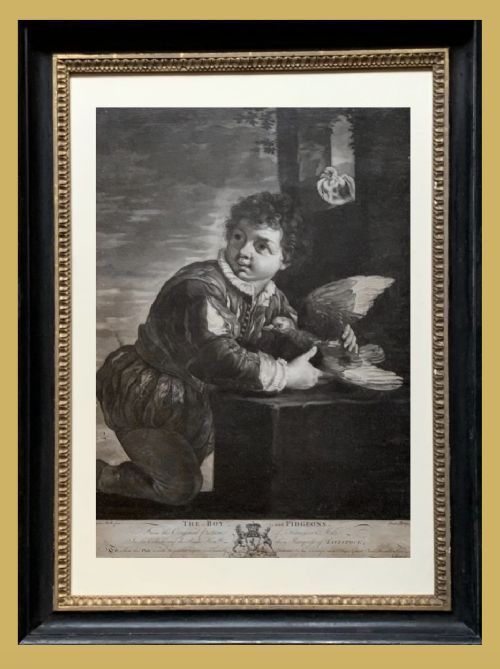
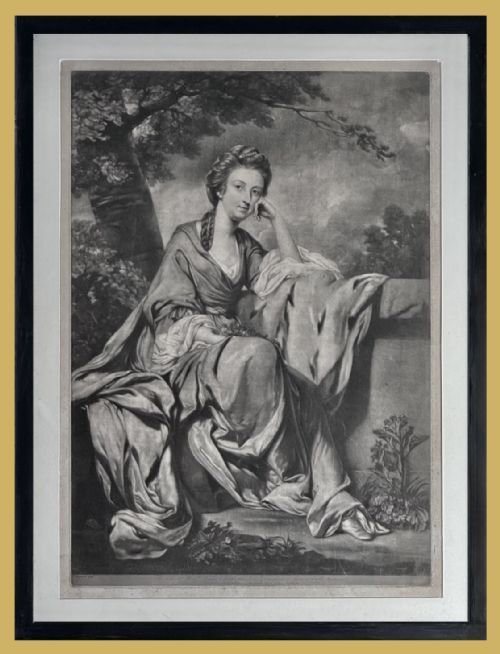
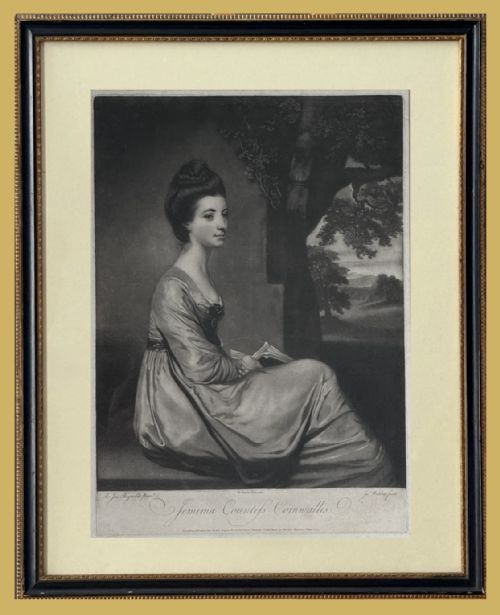
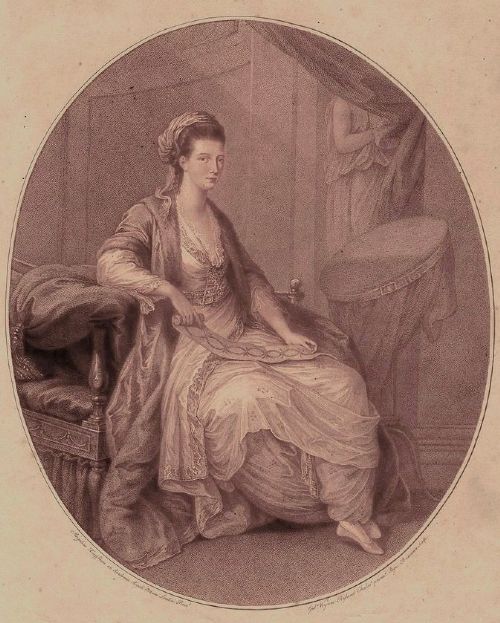
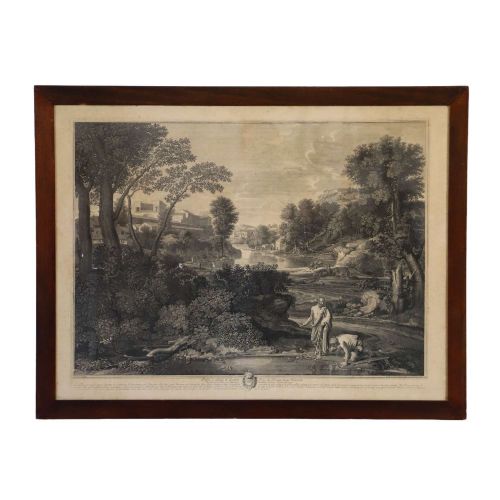
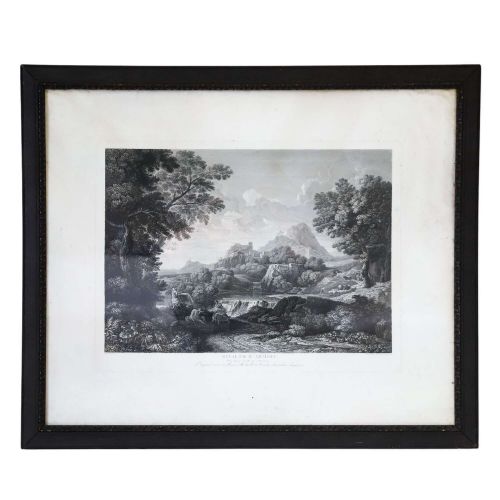
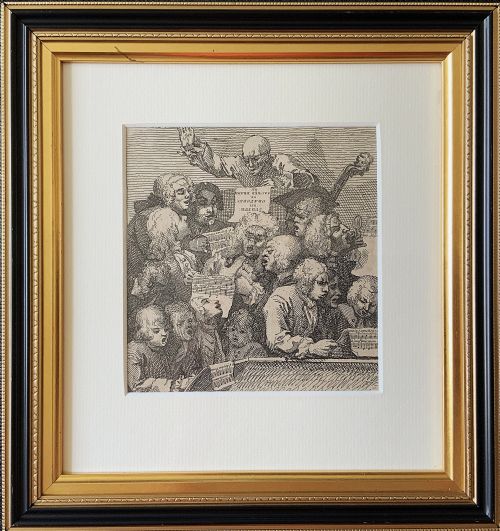
Paper classical engraving brings together historic architectural studies, mythological scenes and portraiture pulled from plates across several centuries.
Paper Classical Engraving
A paper classical engraving represents printed works rooted in the antique world, encompassing architectural elevations, classical antiquity studies, and grand tour subjects. These pieces derive from periods spanning the seventeenth through to the nineteenth century, reflecting stylistic shifts from Baroque to Neoclassical and Regency.
The selections on this page lean heavily toward eighteenth-century printmaking, alongside seventeenth-century etchings and nineteenth-century impressions. Buyers encounter framed prints and wall art depicting architectural monuments like the Vatican Loggie or the Antiquities of Athens, alongside mythological scenes and portrait engravings.
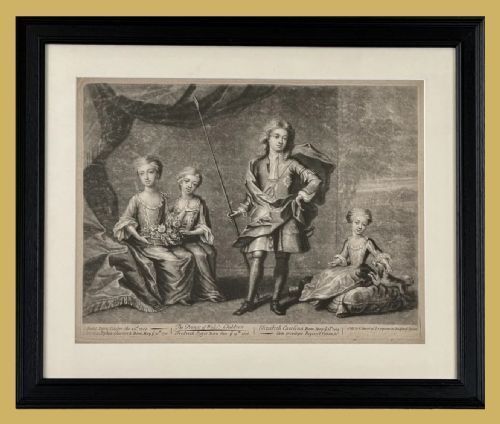
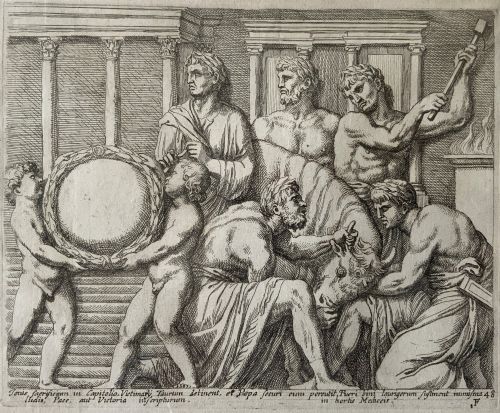
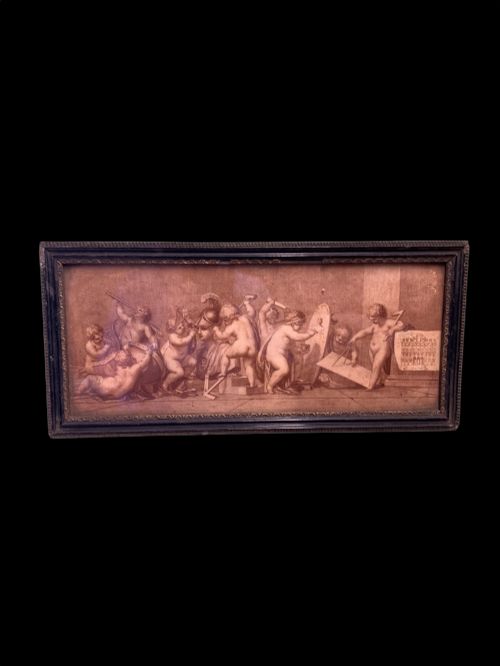
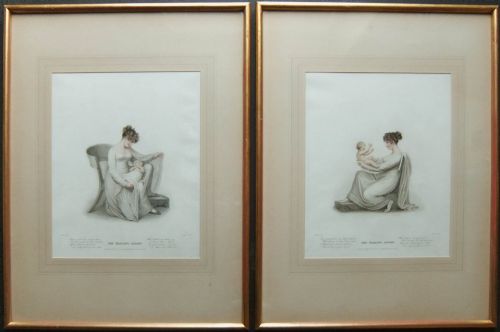
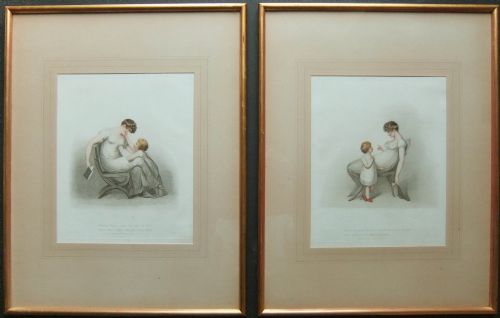
Subjects range from expansive architectural plates detailing temples and gods to intimate pairs of engravings depicting domestic classical scenes. These works capture the European fascination with classical antiquity, translating ancient sculpture and architecture onto paper via detailed line work and mezzotint.
Materials and printmaking methods
These works rely on paper surfaces marked by ink through intaglio techniques such as engraving and etching, alongside mezzotint and lithography. Printmakers incised lines into metal plates to hold ink, transferring the image under pressure onto paper.
Framing often involves wood, glass, and sometimes gold leaf, gilt, or giltwood to house the paper sheets. Watercolour also appears as a medium, adding colour to ink-printed lines on selected architectural plates and decorative sheets.
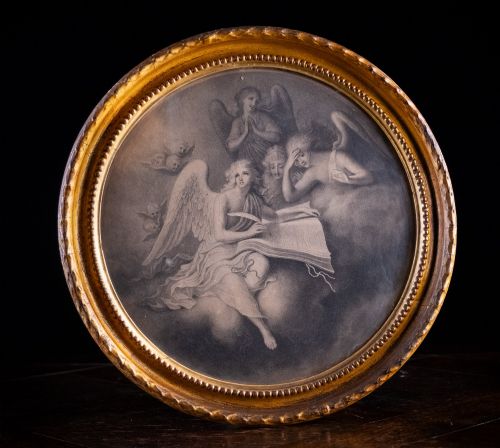
Angels weep, gods gather, and pigs fly past the Temple of Jupiter while artists faithfully document every crack in the ancient stones.
Distinctions in quality
Quality rests in the crispness of the plate impression and the fidelity of the line work transferred from the original copper or metal plate. Earlier impressions pull sharper details from the plate before wear softens the edges of the engraved lines.
The survival of original frames, contemporary hand-colouring where applicable, and the overall condition of the paper sheet elevate certain examples. Provenance tied to master engravers and notable publishers adds distinction to individual sheets.
John Boydell·Edward Fisher·James Watson·François Perrier·Étienne Baudet·Simon François Ravenet·Antonio Capellan·Pierre Buillon·Henri Chatillon·Polidoro de Caravaggio·Andrea Mantegna·Ottaviani·James Basire·Giovanni Ottaviani·Francesco Piranesi
The Paper Classical Engraving Glossary
- Engraving
- A printmaking process where an artist cuts lines directly into a metal plate with a burin. This technique produces clean, precise lines capable of capturing fine architectural details.
- Etching
- A method where acid bites lines into a metal plate protected by a ground. Artists draw through the ground to expose the metal, allowing for fluid, expressive strokes.
- Mezzotint
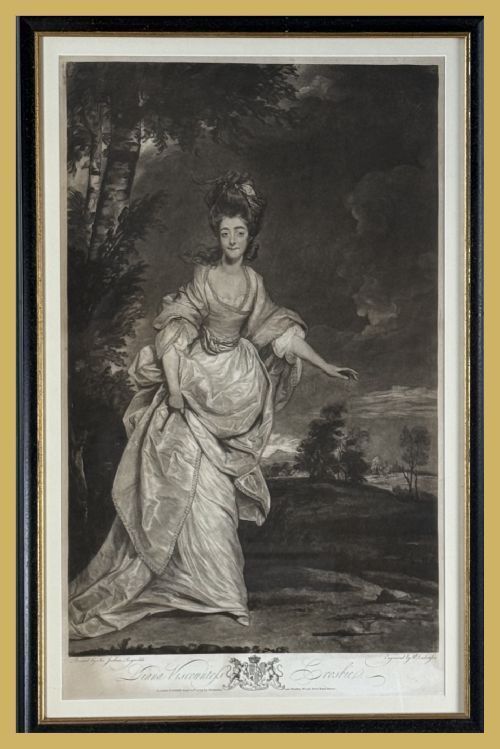
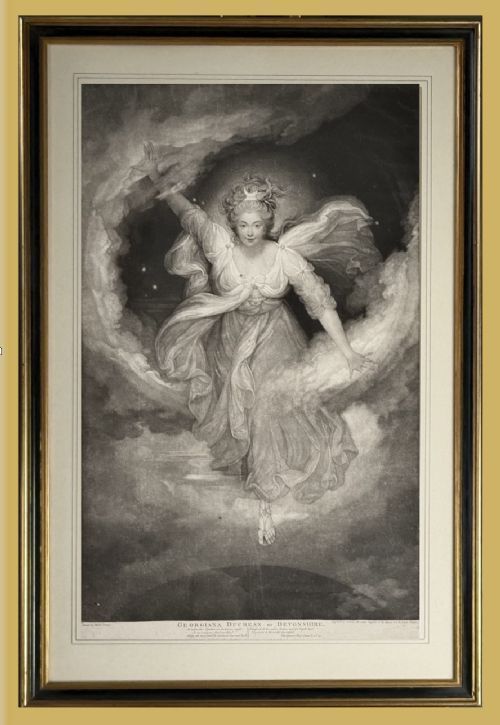
- A tonal printmaking process that works from dark to light by roughening a metal plate to hold ink. It creates soft gradients and deep shadows well suited for portraiture.
- Grand Tour
- A traditional trip through Europe undertaken by upper-class young men to absorb classical art and architecture. Prints documenting these journeys formed popular collections.
- Neoclassical
- A style reviving classical antiquity forms and motifs during the eighteenth and early nineteenth centuries. It prioritises symmetry, proportion, and ancient Greek and Roman subjects.
Paper Classical Engraving: Frequently Asked Questions
What periods do these engravings come from?
The inventory spans multiple centuries, with a strong concentration of eighteenth-century works alongside seventeenth-century etchings and nineteenth-century plates. Pieces reflect historical periods including the Georgian era and the Regency.
Dates extend from the sixteen-hundreds through to mid-twentieth-century print reproductions after earlier artists. Each listing notes the specific century or date assigned to the work.
How were these prints originally displayed?
Many of these works were bound into large folio volumes documenting architectural ruins, antiquities, and mythological studies during the seventeenth and eighteenth centuries. Wealthy collectors gathered plates from travels like the Grand Tour to bind into books or frame for display.
Today, individual plates appear mounted and framed behind glass in wood or giltwood frames. They function as wall art reflecting historical and architectural scholarship.
What is the difference between an etching and an engraving?
An engraving is made by cutting directly into a metal plate with a sharp tool called a burin, producing crisp, uniform lines. An etching relies on acid to bite lines into the metal through a protective wax ground, resulting in freer, more varied strokes.
Both techniques transfer ink under pressure onto paper sheets. Listings often specify whether a work is an engraving or an etching based on the visual characteristics of the printed lines.
How do I identify architectural prints?
Architectural prints typically depict classical buildings, temples, arches, and interior decorative schemes such as those from the Vatican Loggie or the Antiquities of Athens. They often include elevations, structural cross-sections, and numerical plates.
Many of these sheets document specific archaeological sites visited during the Grand Tour. They showcase the precise draughtsmanship required to record ancient structures.