


Panelled Wood Furniture
Panelled wood furniture brings substantial joinery and rich grain into a room, offering practical storage and seating built to endure.
Panelled Wood Furniture
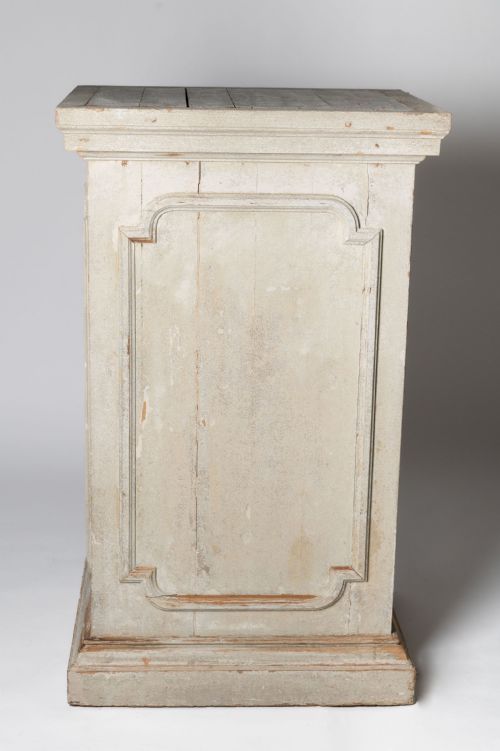
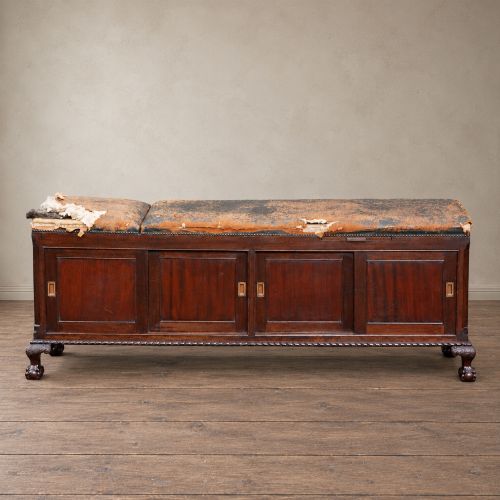
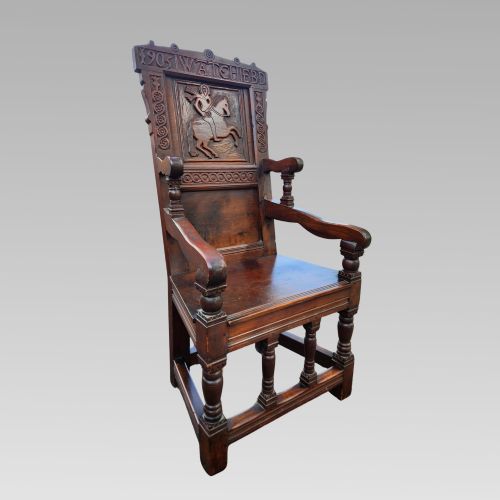
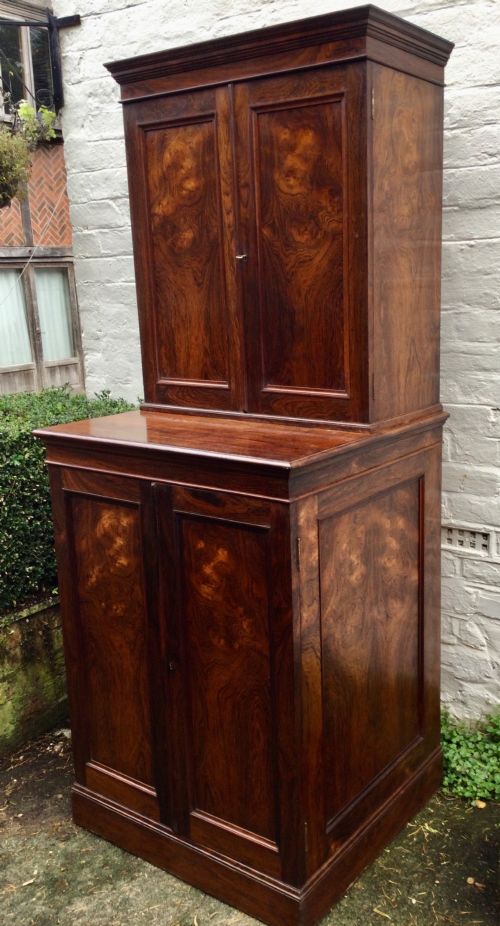
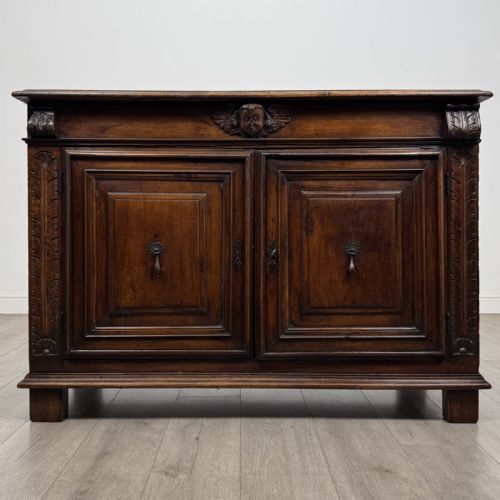
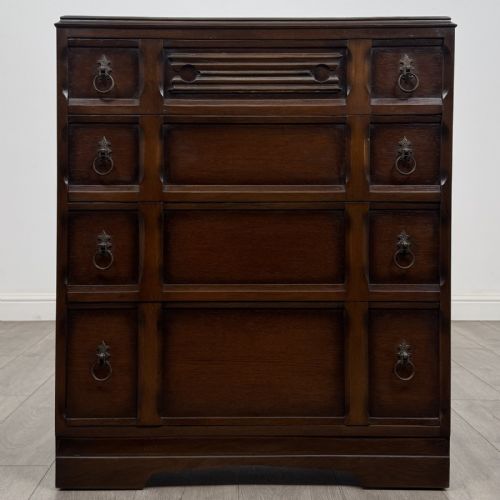
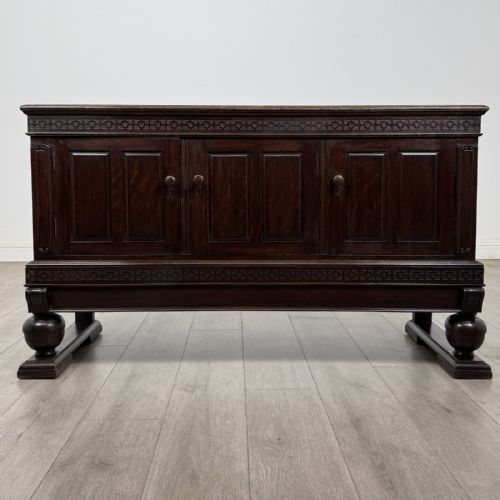
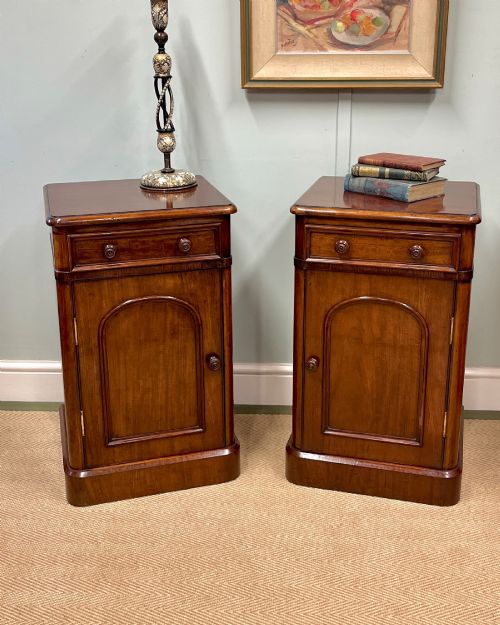
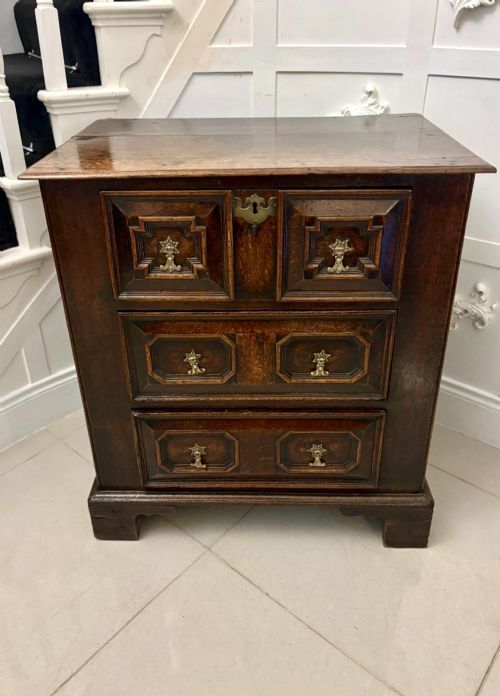
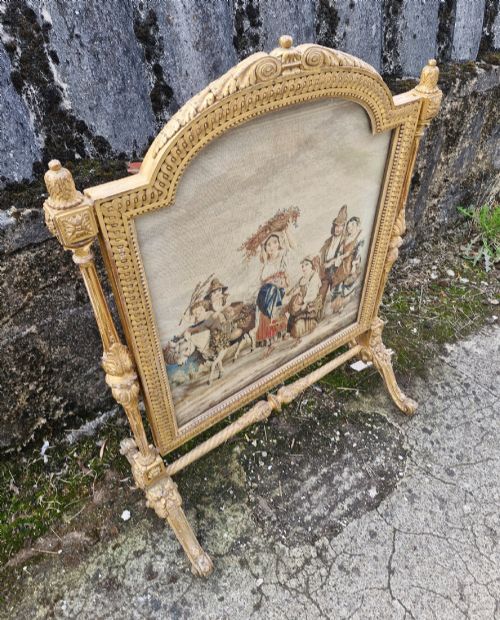
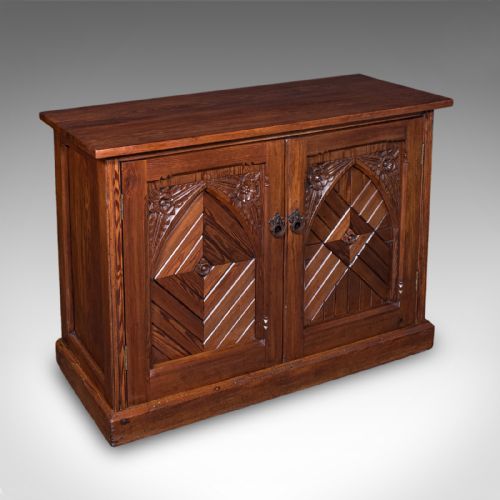
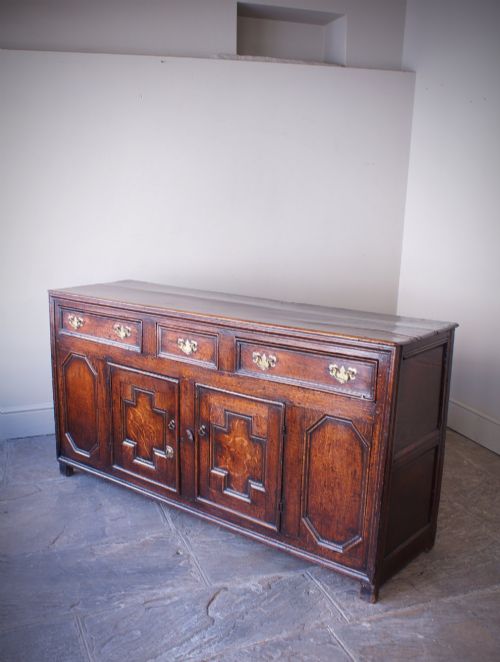
Panelled wood furniture encompasses robust seating, architectural storage and display pieces spanning from the seventeenth century through to the Edwardian period. Buyers examining this selection encounter items ranging from early oak wainscot armchairs and dresser bases to later mahogany cabinets, walnut chests of drawers and rosewood chiffoniers.
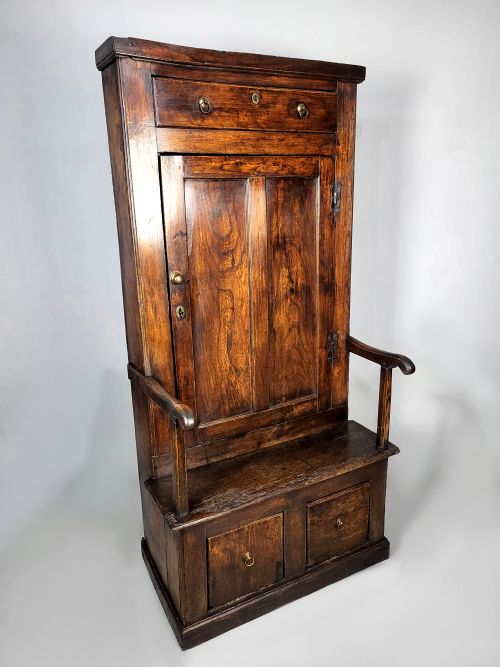
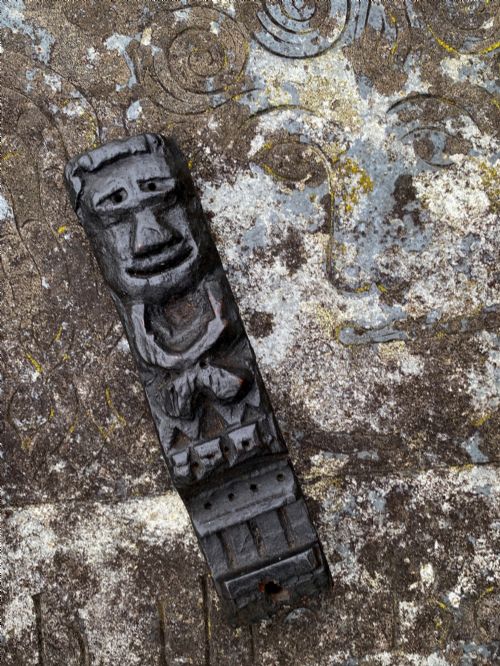
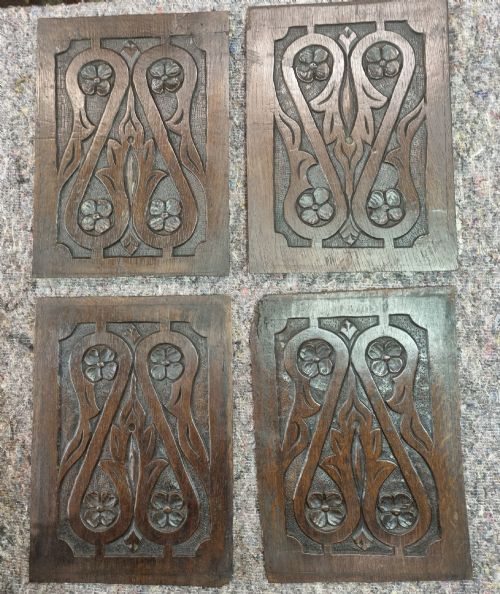
The assortment draws heavily on traditional forms like settles, box settles, hall benches and corner cabinets alongside carved panels and architectural salvage. Pieces originating from seventeenth-century English workshops sit alongside later revival works reflecting Jacobean, Gothic, Renaissance and Regency styles.
Materials and Technique
Construction relies primarily on solid oak, walnut, mahogany and rosewood, often paired with secondary hardwoods, ash, elm and pine. Cabinet makers utilised traditional framing methods, incorporating pegged mortise and tenon joints to secure individual wooden panels within solid surrounds.
Surface ornamentation involves hand carving, geometric moulding and applied decorative elements such as brass hardware. Timber surfaces receive finishes that highlight natural grain patterns, ranging from dark polish on early pieces to lighter polished treatments on Edwardian examples.
Panelled Wood Furniture Retail Price Guide 2026
Typical asking prices for panelled wood furniture among the pieces listed under this phrase on Sellingantiques today, from the lower quarter to the upper quarter. They describe what is for sale here now, not the wider market.
Object types range from wainscot armchairs and box settles to corner cabinets, chiffoniers and architectural panels.
Judging Quality
Quality rests upon the crispness of hand-carved details, the tightness of structural joints and the selection of figured timber veneers. Superior examples display precise joinery where panels float within frames to accommodate seasonal wood movement without splitting.
The integrity of original brass fittings, drawer linings and backboards distinguishes finer pieces from later replacements or heavily restored alternatives. Proportion and balance across architectural mouldings further define the distinction between standard utilitarian items and masterworks.
Heals
The Panelled Wood Furniture Glossary
- Wainscot
- A type of heavy wooden armchair constructed with panelled backrests and solid wooden seats, typical of seventeenth-century domestic interiors.
- Settle
- A high-backed wooden bench with solid sides and a storage box beneath the seat, designed to keep draughts away from the sitter.
- Chiffonier
- A low sideboard or cabinet developed in the Regency period, usually fitted with panelled doors enclosing shelves and sometimes topped by a small shelf structure.
- Fielded panel
- A wooden panel with bevelled edges that thin out towards the perimeter so the centre sits proud within the surrounding frame groove.
Panelled Wood Furniture: Frequently Asked Questions
How do I identify seventeenth-century oak furniture?
Seventeenth-century pieces display heavy oak frames joined with visible wooden pegs and hand-cut panel details. The timber often shows deep patination developed through centuries of use and waxing.
Construction methods rely entirely on traditional hand joinery without modern fasteners. Look for tool marks on board backs and undersides to confirm period authenticity.
Where should I place a settle in a home?
Settles work well in hallways, large kitchens or living rooms where their high panelled backs create a natural division of space. Their enclosed bases provide practical hidden storage for household items.
Position them away from direct heat sources to prevent the solid wood panels from drying out and splitting over time.
What is the difference between a chiffonier and a sideboard?
A chiffonier is typically a smaller, more compact cabinet featuring enclosed panelled doors below a surface top, often dating from the Regency or Victorian eras. Sideboards are generally longer and designed primarily for dining room service and storage.
Chiffoniers frequently include small decorative shelving tiers mounted on the top surface, which distinguishes them from standard sideboards.
How do I care for antique panelled wood?
Maintain panelled wood by applying a natural beeswax polish occasionally to nourish the grain and preserve the finish. Avoid placing furniture in areas with fluctuating humidity or direct sunlight.
Dust regularly with a soft, dry cloth to prevent dirt accumulation in carved recesses and panel grooves.