






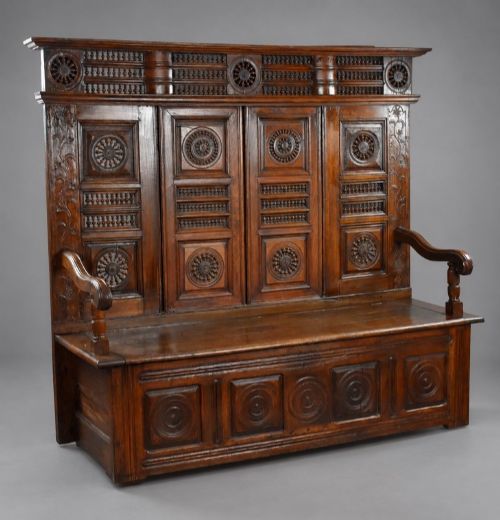
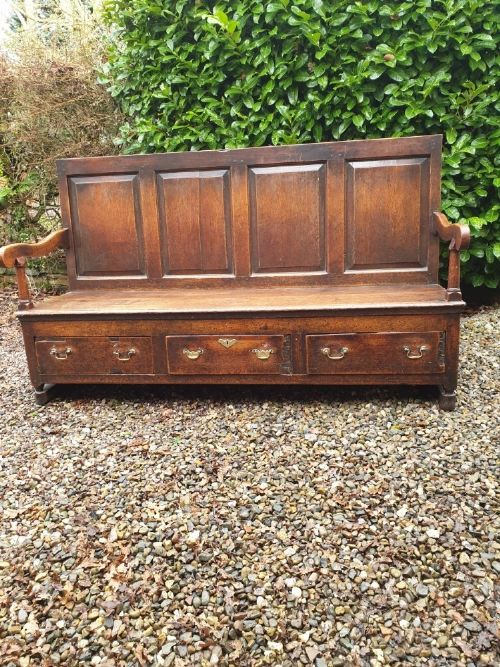
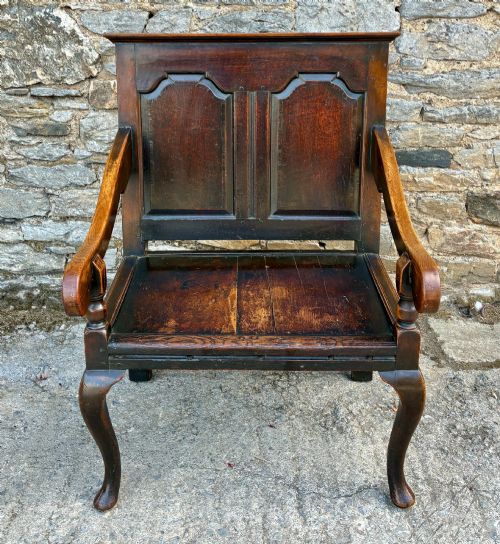
Panelled Settle Bench
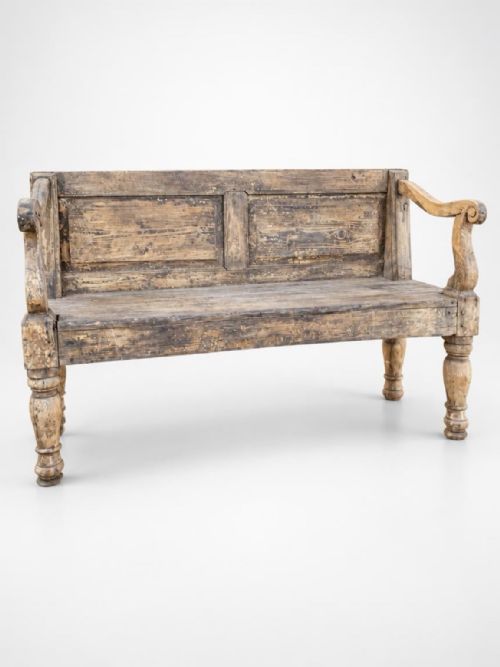
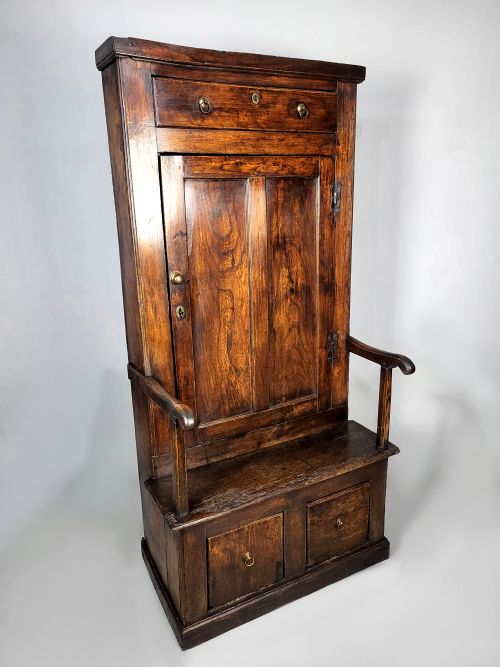
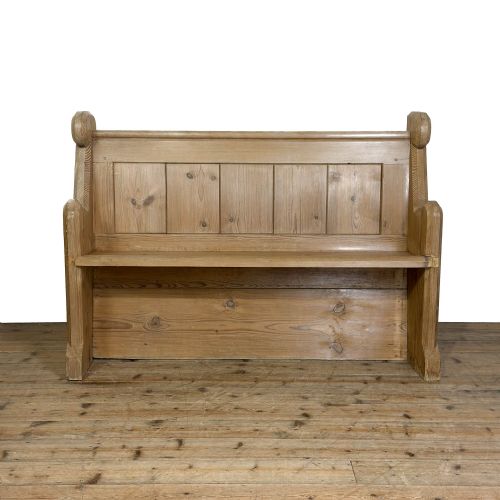
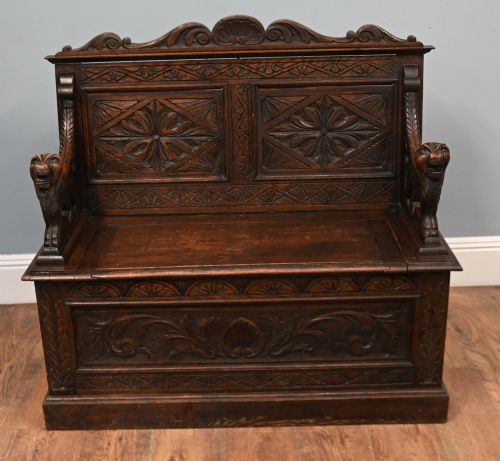
A panelled settle bench provides substantial wooden seating, combining high backs and storage compartments shaped by centuries of traditional cabinet making.
Panelled Settle Bench
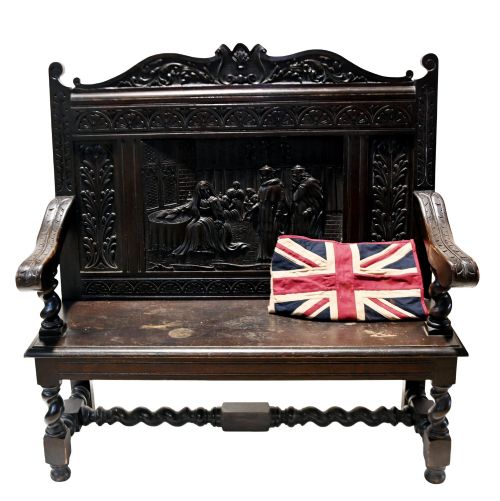
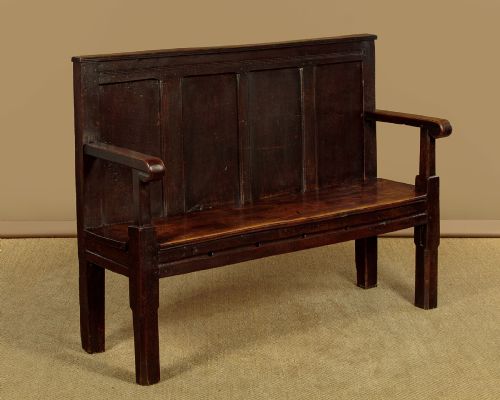
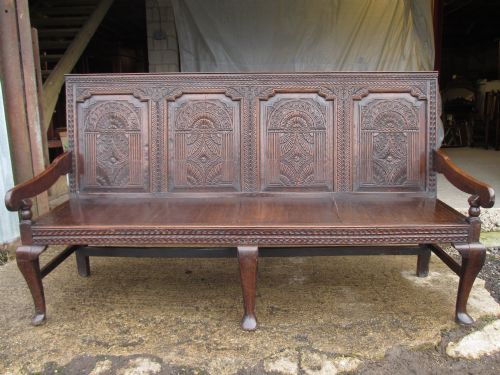
A panelled settle bench is a sturdy wooden seat designed to block draughts in older properties, most commonly found in oak from the seventeenth, eighteenth and nineteenth centuries. These items serve as hall benches, high-back settles and box settles, incorporating panelled backs and occasionally integrated storage beneath the seat. The selections include regional English country examples, Georgian vernacular pieces and later revival styles.
The format ranges from small Welsh and North Country box settles to large country house seating and Italian Renaissance revival walnut benches. Buyers encounter various configurations, including straight-back settles, panel-back hall seats and church pews fashioned from pine, ash and elm. Many feature carved details, painted finishes or original board seats that reflect their utilitarian origins.
How they were made
Makers utilised solid timbers such as oak, pine and elm, constructing frames with traditional joinery methods suited to heavy daily use. Panel construction allowed timber to expand and contract naturally without splitting the high backs that shielded occupants from cold air.
Surfaces were finished with wax, honey brown patina, liming or original paint, while decorative elements relied on hand carving and tulip motifs. Internal compartments in box settles were pegged together to form rigid storage chests beneath the seating area.
Panelled Settle Bench Retail Price Guide 2026
Typical asking prices for panelled settle bench among the pieces listed under this phrase on Sellingantiques today, from the lower quarter to the upper quarter. They describe what is for sale here now, not the wider market.
Listings feature oak, pine, elm and walnut across seventeenth, eighteenth and nineteenth century periods.
What varies in quality
The standard of a panelled settle bench rests upon the integrity of its timber selection, the crispness of any hand carving and the presence of original surfaces. Pieces retain greater character when retaining their early board seats, unaltered panel configurations and untouched patination developed through long usage.
Proportion and structural balance distinguish finer vernacular examples from later reproductions, with well-chosen joints ensuring stability across large high-back frames. Regional variations, such as North Country or Welsh construction traits, add distinct regional character to the finished seating.
The Panelled Settle Bench Glossary
- Box settle
- A wooden bench featuring an enclosed storage compartment beneath the seat, accessed by lifting the lid or via cupboard doors.
- High-back settle
- A seating form designed with an extended panelled back to shield the user from draughts in entrance halls or farmhouse kitchens.
- Vernacular furniture
- Domestic objects made by local tradespeople using regional traditions and readily available native timbers rather than following strict high-style metropolitan designs.
- Patina
- The surface sheen and colour acquired by wood through age, handling and regular waxing over many decades.
- Panelling
- Framework composed of vertical stiles and horizontal rails holding fitted wooden panels in place.
Panelled Settle Bench: Frequently Asked Questions
What is a panelled settle bench?
A panelled settle bench is a wooden seat featuring a high back made from fitted wooden panels, designed originally to keep out cold draughts in domestic interiors.
These pieces often include integrated storage boxes beneath the seat and appear in various regional British and European styles across several centuries.
Where were settles used?
Historically, settles stood in farmhouse kitchens, halls and country pubs where blocking cold air currents was necessary before central heating existed.
Today, they serve similar practical roles in large hallways, boot rooms and kitchens as substantial seating solutions.
How do I care for an antique settle?
Protect wooden surfaces by applying occasional natural wax and keeping the furniture away from direct heat sources and sudden temperature changes.
Avoid excessive moisture and dust the panelled sections gently with a soft dry cloth to preserve the finish.
How can I tell the period?
Dating relies on observing construction techniques, tool marks, timber characteristics and the specific style of the panel mouldings and carved details.
Earlier examples from the seventeenth and eighteenth centuries display pegged joinery and hand-sawn boards distinct from later nineteenth-century revival pieces.