





Pale Wood Farmhouse Table
A pale wood farmhouse table brings warmth and practicality to a room through honest timber and generous proportions.
Pale Wood Farmhouse Table
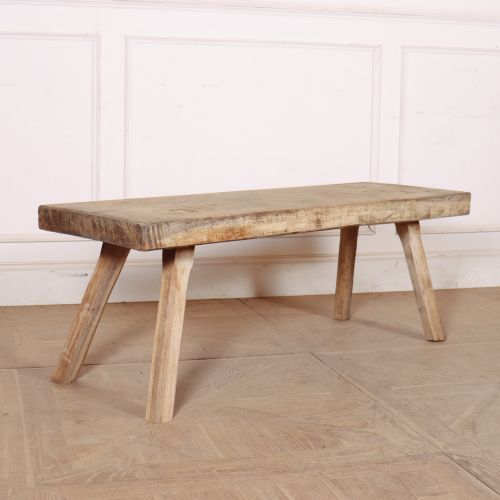
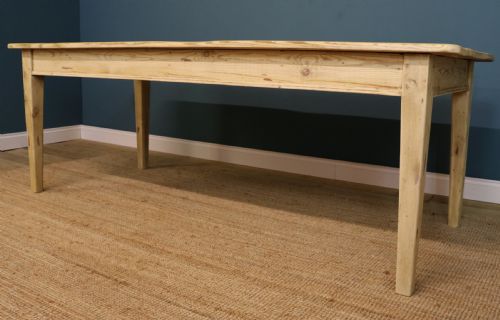
When you search for a pale wood farmhouse table, you find a practical domestic surface designed for daily family life in country kitchens and dining rooms. These examples span the nineteenth century, the Edwardian era, and the nineteen-twenties, incorporating styles such as French Provincial, Scandinavian Country, and English Country.
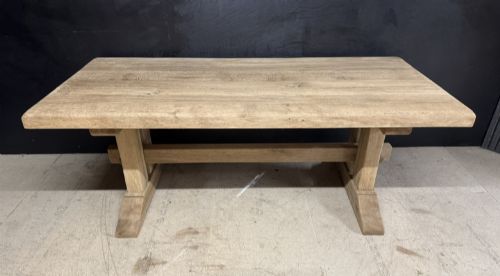
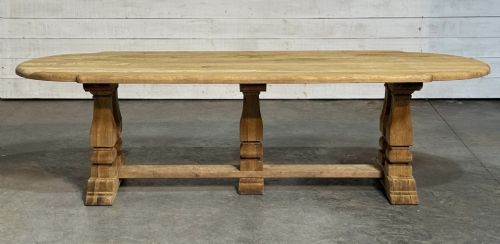
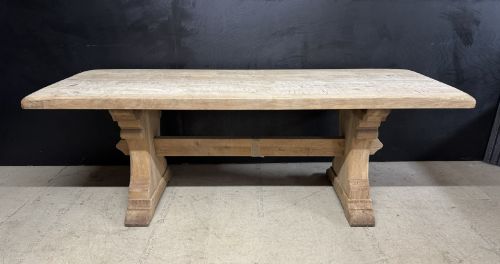
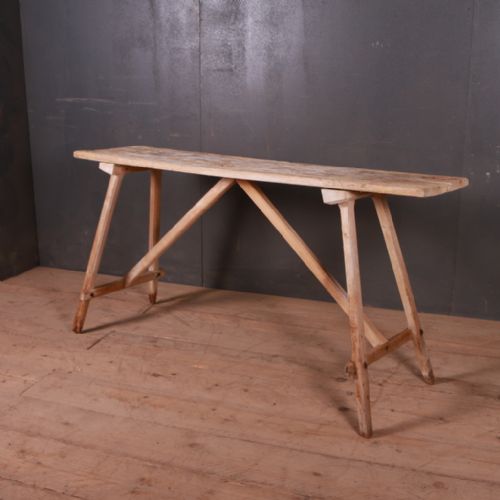
The dominant forms on this page are dining tables and trestle tables, alongside kitchen tables, coffee tables, console tables, and serving tables. Many feature scrubbed or bleached finishes that lighten the natural tone of the timber.
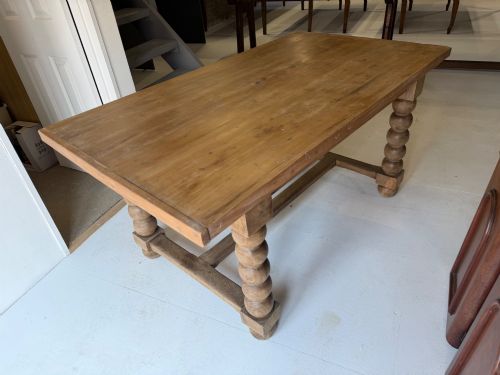
Origins stretch across English, French, and Swedish workshops, yielding robust surfaces meant for heavy use. You meet pieces configured with trestle bases, X frames, H stretchers, and bobbin legs.
How they were made
These tables rely on solid hardwoods and softwoods including oak, pine, sycamore, elm, poplar, walnut, and timber. Carpenters constructed them to withstand constant labour, joining thick tops to sturdy legs and trestle supports.
Surfaces often show the evidence of historical hand scrubbing or modern bleaching treatments that reveal the grain of the wood. Construction methods include traditional joinery, pegged joints, and stretcher bracing to ensure stability across long spans.
Pale Wood Farmhouse Table Retail Price Guide 2026
Typical asking prices for pale wood farmhouse table among the pieces listed under this phrase on Sellingantiques today, from the lower quarter to the upper quarter. They describe what is for sale here now, not the wider market.
Listings feature items from the nineteenth century, Edwardian period, and nineteen-twenties, utilising pine, oak, sycamore, and elm.
What varies in quality
Quality rests in the selection of timber and the integrity of the original construction. Dense hardwoods like oak and sycamore command attention for their durability, while secondary timbers used in frames affect overall weight and balance.
The treatment of the top surface determines visual success; hand-scrubbed boards retain their texture and character better than heavy mechanical sanding. Proportions and the clever integration of stretchers or drawers reflect the skill of the original maker.
The Pale Wood Farmhouse Table Glossary
- Scrub top
- A wooden table top cleaned repeatedly with water and a stiff brush, leaving a pale, weathered texture. This process wears away the softer summer rings of the timber.
- Trestle table
- A table consisting of two or more supports connected by a horizontal beam or stretcher. This design allows maximum legroom along the length of the top.
- X frame
- A base constructed from intersecting diagonal timbers forming an X shape. It provides robust lateral support for large kitchen tables.
- H stretcher
- A horizontal framework shaped like the letter H that connects the legs of a table to prevent wobbling. It adds structural rigidity beneath the top.
- Refectory table
- A long narrow dining table traditionally used in communal dining halls. Examples in lighter woods offer generous seating capacity for modern spaces.
Pale Wood Farmhouse Table: Frequently Asked Questions
How do I clean a scrubbed pine top?
Use warm water and mild soap with a soft brush to remove surface dust without stripping the aged patina.
Dry the timber thoroughly with a clean cloth immediately afterwards to prevent moisture damage.
Are these tables suitable for daily dining?
Most pieces listed are built from solid timber with sturdy stretcher bases designed precisely for heavy daily use.
Their robust construction accommodates family meals and kitchen tasks comfortably.
What is the difference between a trestle and a four leg table?
Trestle tables use end supports connected by a beam, leaving the entire length unobstructed for seating.
Four leg tables rely on individual corner supports, which can sometimes restrict legroom between the legs.
How can I tell if the oak is bleached?
Bleached oak displays a significantly lighter tone than natural unwashed timber while retaining visible grain patterns.
This finish removes warm amber tones to create a neutral pale surface.