





French Country Work Table
A French country work table brings honest utility and timeless provincial character directly into the heart of a home.
French Country Work Table
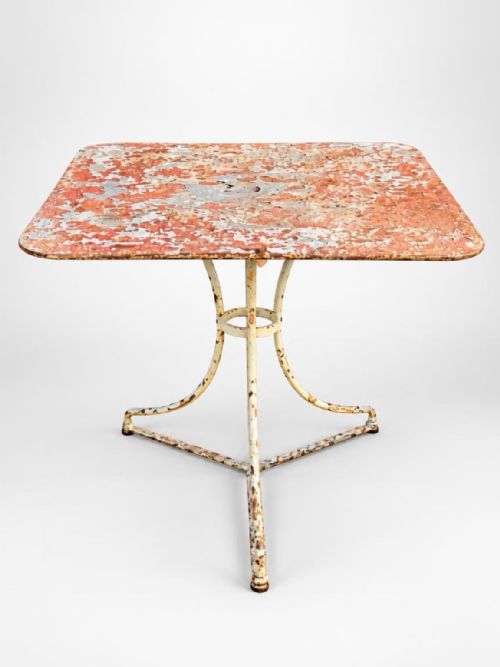
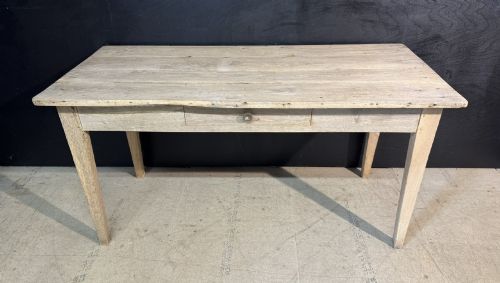
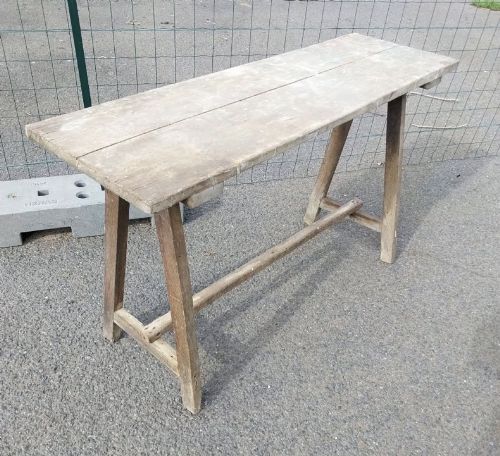
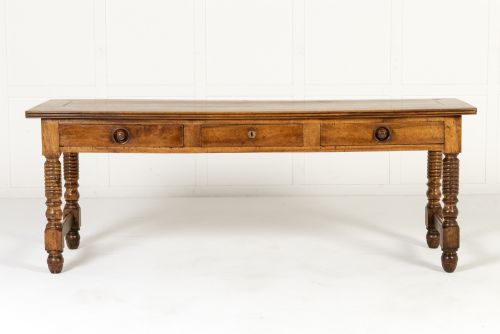
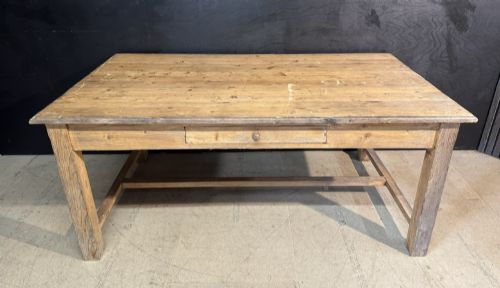
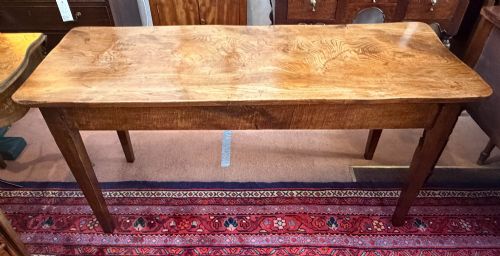
A french country work table encompasses sturdy utilitarian pieces designed for practical tasks, ranging from historic artisans' workbenches and drapers' tables to zinc and marble top baker tables. These items originate predominantly from the nineteenth century and the early twentieth century, carrying the distinct marks of daily rural labour.
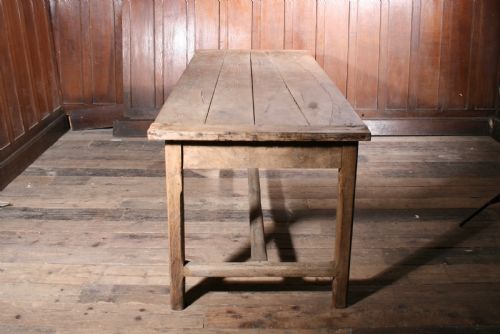
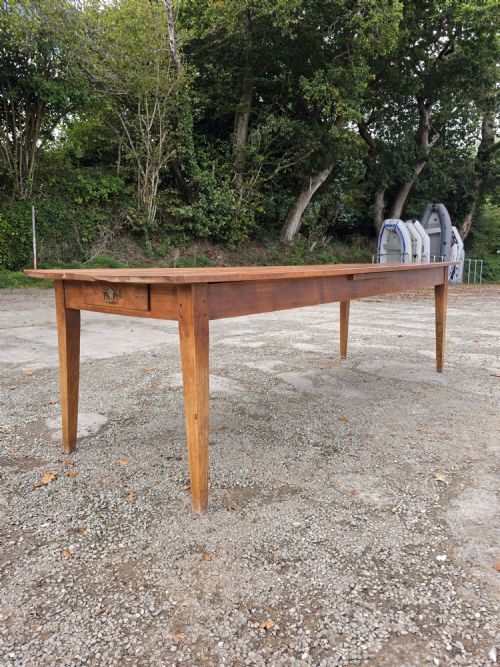
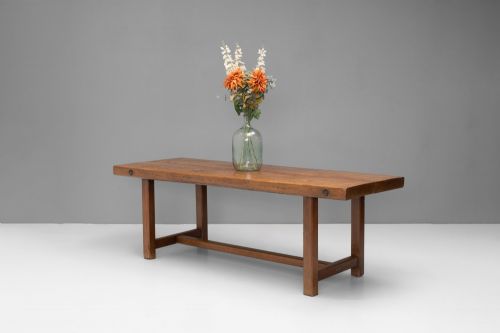
Buyers seeking a french country work table will most frequently encounter pine and oak examples featuring trestle frames, single drawers, or integrated vises. They serve versatile modern functions as kitchen prep surfaces, dining tables, or console tables.
The aesthetic bridges rustic farmhouse and provincial styles, relying on honest construction rather than decorative excess. Surfaces often display decades of patination, scrubbing, and wear from past trades.
How they were made
Construction relies heavily on durable timbers such as pine, oak, elm, fruitwood, and sycamore, joined to withstand heavy daily use in workshops and kitchens. Carpenters utilised straightforward joinery, often pairing thick wooden tops with sturdy trestle or four-leg bases.
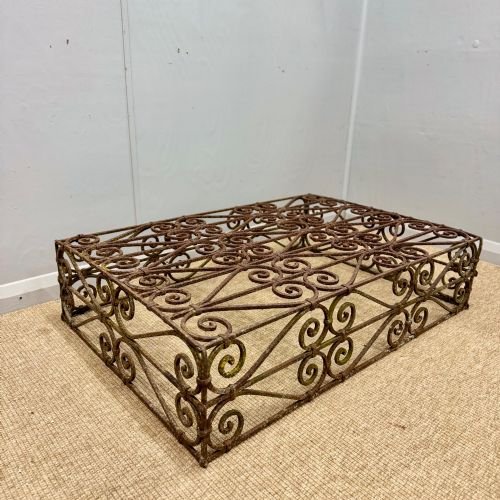
Functional metal components, including wrought iron, brass, zinc, and verdigris copper, were integrated into tops and hardware to resist moisture and heavy handling. Painted finishes and natural scrubbed wood finishes protect the timber while recording its age.
French Country Work Table Retail Price Guide 2026
Typical asking prices for french country work table among the pieces listed under this phrase on Sellingantiques today, from the lower quarter to the upper quarter. They describe what is for sale here now, not the wider market.
Object forms span utility types including workbenches, drapers tables, bread prep surfaces, and patisserie tables alongside standard dining formats.
What varies in quality
The depth of the surface patina and the honesty of the wear separate superior examples from more ordinary ones. Over-restoration can diminish the historic value, whereas untouched surfaces reveal the true lineage of these utilitarian pieces.
The French Country Work Table Glossary
- Drapers table
- A long, narrow table historically used for measuring and cutting textiles, often fitted with multiple drawers beneath the surface.
- Trestle table
- A table comprising two or more supports, or trestles, carrying a horizontal top, allowing for maximum legroom and stability.
- Patina
- The surface sheen and colour developed by wood and metal over decades of handling, exposure, and regular cleaning.
- Verdigris
- A green coating or patina formed naturally on copper, brass, or bronze surfaces through atmospheric oxidation.
- Refectory table
- A large, long dining table traditionally designed for communal dining in large halls or rural properties.
French Country Work Table: Frequently Asked Questions
How were work tables used?
These tables served practical trades rather than formal dining, acting as surfaces for preparing bread, cutting fabric, or housing artisans' tools.
In modern spaces, their robust construction makes them ideal for kitchen prep islands, large dining gatherings, or characterful console surfaces.
What woods were used?
Maker workshops utilised accessible local timbers, most commonly pine, oak, elm, sycamore, and fruitwood, chosen for their density and strength.
Secondary materials like wrought iron, zinc, and marble frequently reinforced tops and bases against heavy daily wear.
How do I date a table?
Dating relies on construction methods, fastener types, and the natural wear accumulated across the nineteenth century and early twentieth century.
Examining the underside and drawer joinery often reveals hand-cut elements characteristic of older provincial craftsmanship.
Are zinc tops original?
Many zinc, copper, and marble tops were fitted to protect wooden surfaces from moisture in commercial bakeries, patisseries, and potting sheds.
These metal surfaces developed distinct verdigris and scratches through actual historic service rather than decorative intent.