


Paired Vintage Cabinets
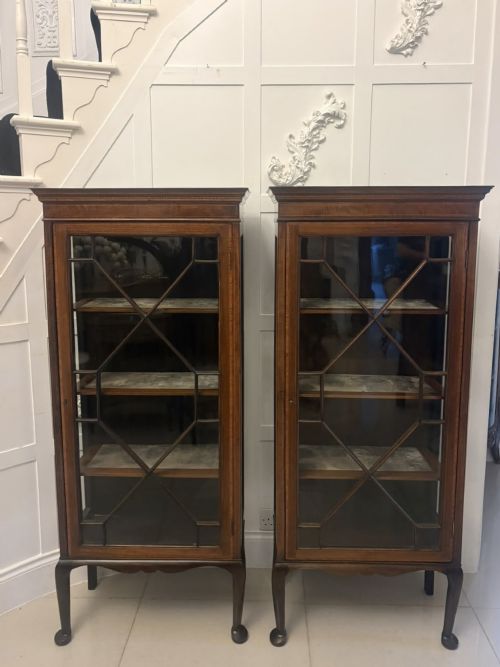
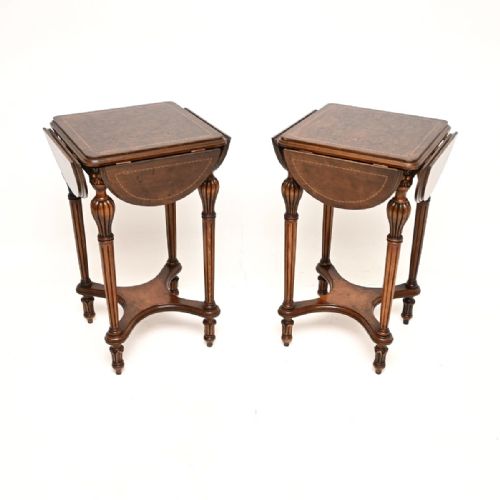
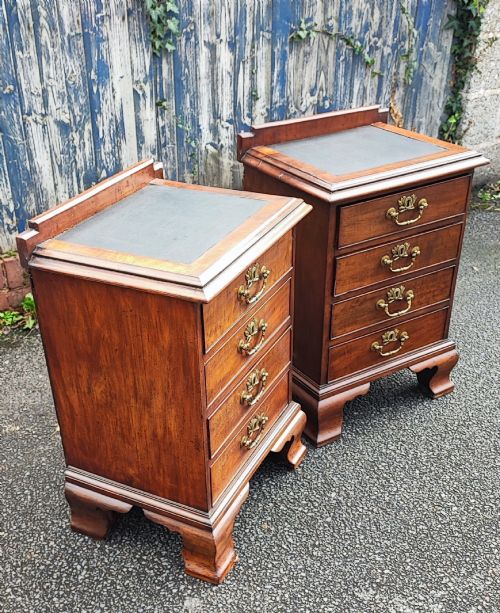
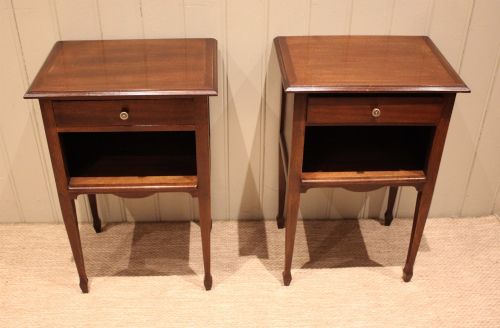
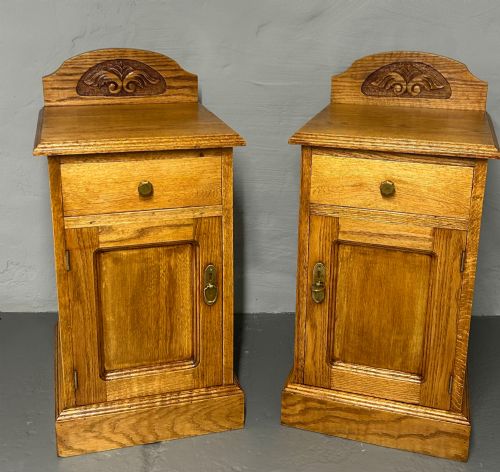
These paired vintage cabinets bring symmetry and storage to a room, ranging from French bedside cupboards to Art Deco satin birch chests.
Paired Vintage Cabinets
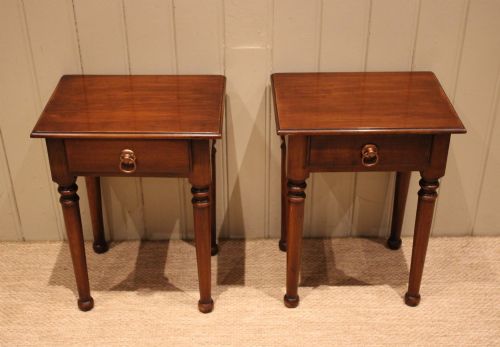
When you search for paired vintage cabinets, you encounter matched sets designed for symmetry, most frequently bedside tables, bedside cabinets, and side tables. These pieces emerge from periods spanning the nineteenth century through the 1940s, drawing on diverse stylistic traditions like French Provincial, Art Deco, and Edwardian design.
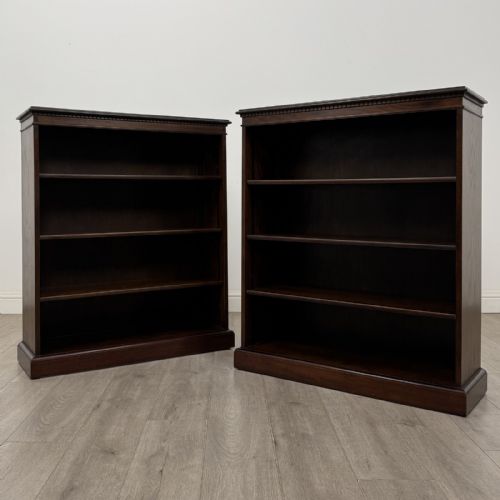
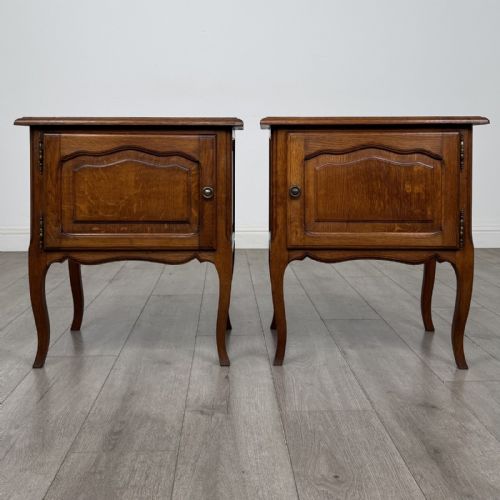
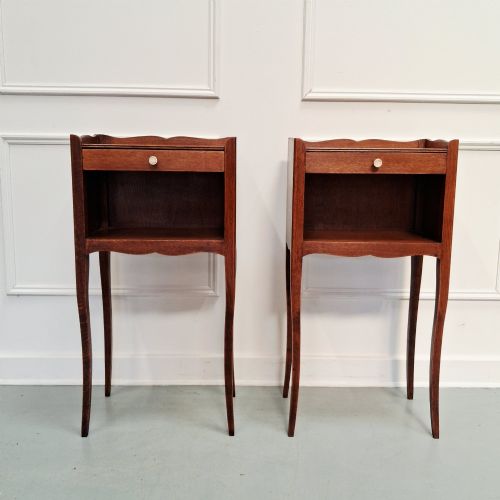
The version you are most likely to meet on this page is the French bedside cabinet or table from the 1920s and 1930s, often rendered in oak, cherry wood, or mahogany. Alongside these frequent sleeping quarters pieces, the selection includes larger storage forms such as bookcases, display cabinets, and small chests of drawers.
How they were made
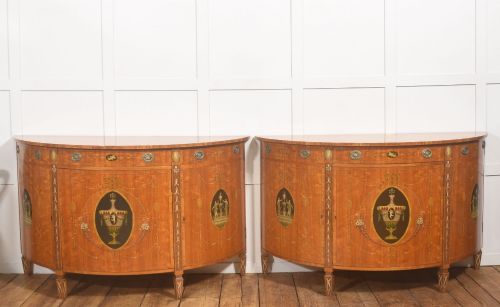
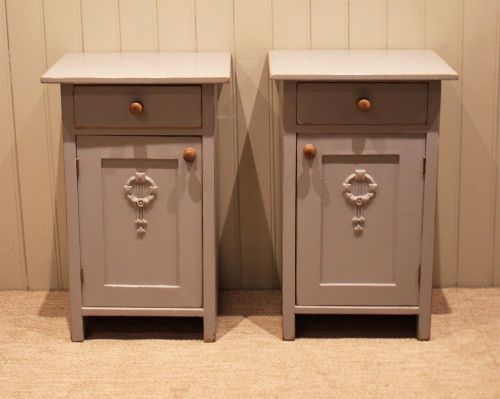
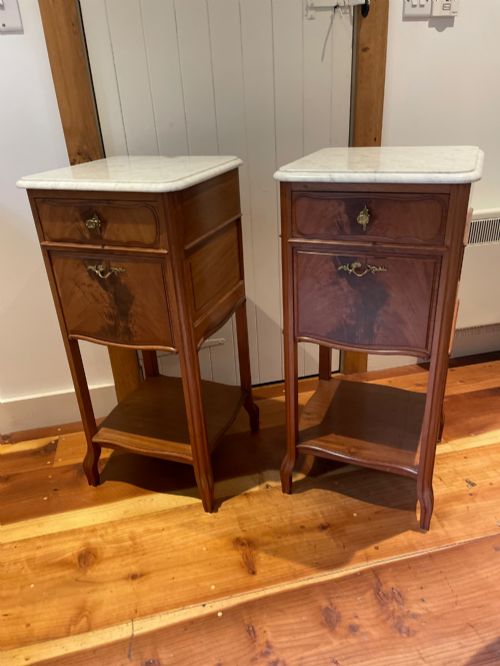
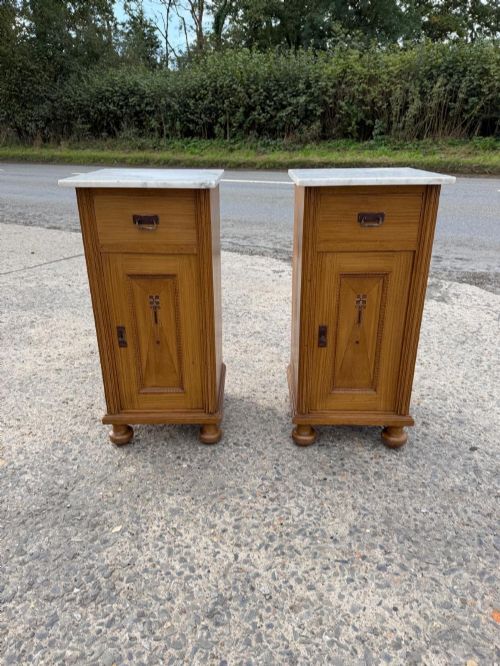
Carpenters and cabinetmakers constructed these frames using solid hardwoods like oak, mahogany, walnut, and cherry wood, frequently applying veneers such as kingwood and satin birch over secondary woods. Surfaces often received decorative treatments including marquetry inlay, painted finishes on pine, or polished marble tops.
Structural details rely on period joinery techniques appropriate to each era, paired with brass hardware and sliding glass doors on later display pieces. Cabriole legs characterise many of the French styles, while simpler rectilinear forms define the Arts and Crafts and Art Deco examples.
Paired Vintage Cabinets Retail Price Guide 2026
Typical asking prices for paired vintage cabinets among the pieces listed under this phrase on Sellingantiques today, from the lower quarter to the upper quarter. They describe what is for sale here now, not the wider market.
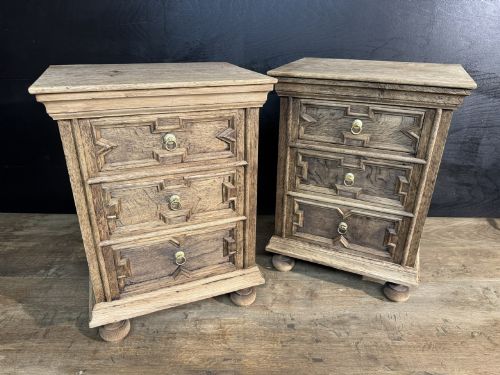
A pair of oak doors carrying the suspected mark of the mouseman offers a charming reminder of wandering countryside carvers.
What varies in quality
The standard of timber selection and veneer matching defines the upper tiers of these cabinets, distinguishing finely figured mahogany, satinwood, and walnut from simpler painted pine or utilitarian oak. Superior examples demonstrate careful grain alignment across both matching halves of the pair.
Execution of decorative elements such as marquetry, inlay, and carved details separates standard production items from finer workshop pieces. The integration of fitted marble tops and quality brass fittings further elevates the construction standard of specific matched sets.
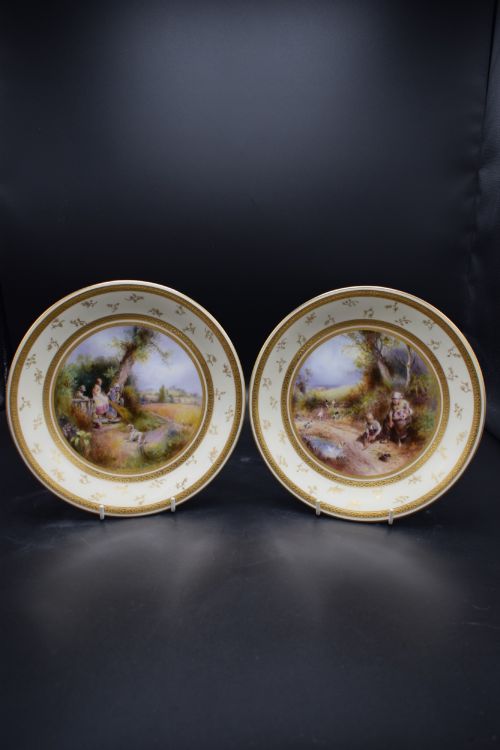
Mouseman·William Bird MD FLS·Royal Crown Derby·Nantgarw
The Paired Vintage Cabinets Glossary
- Chevet
- A French bedside table or small bedside cabinet. These enclosed storage units typically feature a single drawer above a small cupboard space.
- Marquetry
- Decorative veneer patterns formed by fitting small pieces of wood, shell, or ivory into a wooden background. This technique appears frequently on Edwardian and French style cabinets.
- Bombe
- A swollen, convex shape characteristic of certain continental furniture forms. It appears on larger case pieces and associated bedside furniture.
- Cabriole leg
- A furniture leg that bends outward in a convex curve and tapers inward in a concave curve, ending in a pad or foot. This form is common on French provincial and period revival tables.
- Satin birch
- A light-coloured hardwood with a natural sheen, utilised extensively in Scandinavian Art Deco cabinetmaking for smooth, pale surfaces.
Paired Vintage Cabinets: Frequently Asked Questions
What rooms suit paired vintage cabinets?
These matched units find their traditional home flanking a bed as bedside cabinets or nightstands, providing symmetrical surface space and concealed storage for lamps and evening essentials.
Beyond the bedroom, smaller side tables and cabinets work effectively in pairs as living room lamp tables or flanking a fireplace.
How do I match different wood tones?
Matching wood tones relies on observing the underlying warmth or coolness of the timber rather than expecting an exact grain match. Oak and mahogany carry distinct reddish or golden hues that interact differently with surrounding interior light.
French cherry wood and walnut offer rich mid-tones that bridge disparate wood finishes within a single room scheme.
Are marble top cabinets practical?
Marble tops provide a durable, heat-resistant surface that originally served to protect wooden furniture from water jugs and washing implements in period bedrooms. Today, this stone offers a resilient top surface for daily use while adding weight and stability to smaller tables.
Maintenance simply requires avoiding acidic liquids that can etch polished marble finishes over time.
How do I identify Art Deco cabinets?
Art Deco cabinets from the 1930s display streamlined geometric forms, clean lines, and a deliberate absence of fussy historical ornamentation. Craftsmen often utilised exotic veneers like satin birch to emphasise smooth, curved surfaces.
These pieces prioritise architectural silhouettes and functional symmetry over traditional carved details.