

Paired Portrait Artworks
Paired antique portrait artworks bring balanced symmetry and historical character to a room, offering two matching faces from the past.
Paired Portrait Artworks
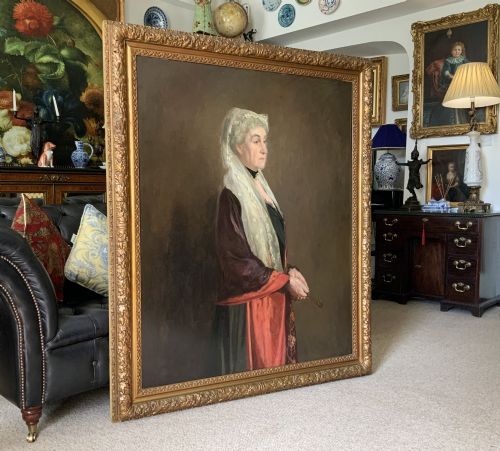
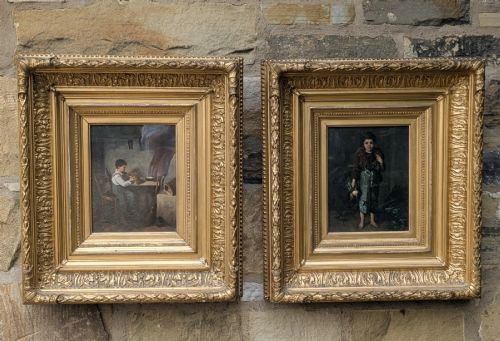
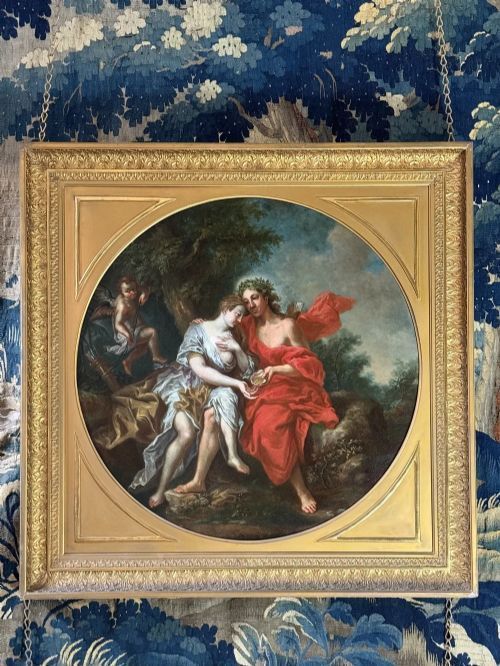
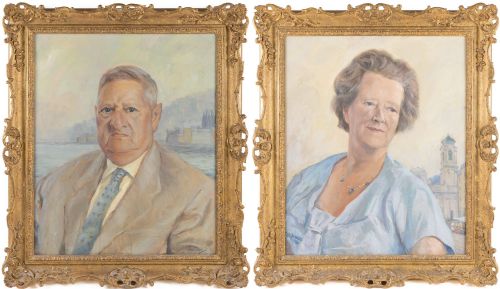
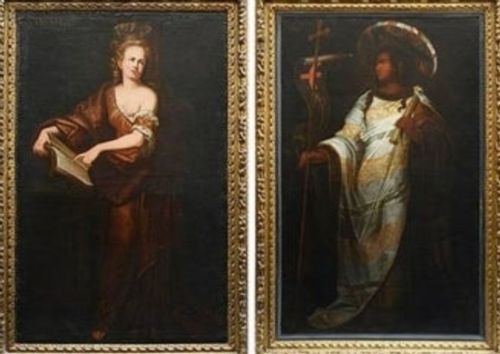
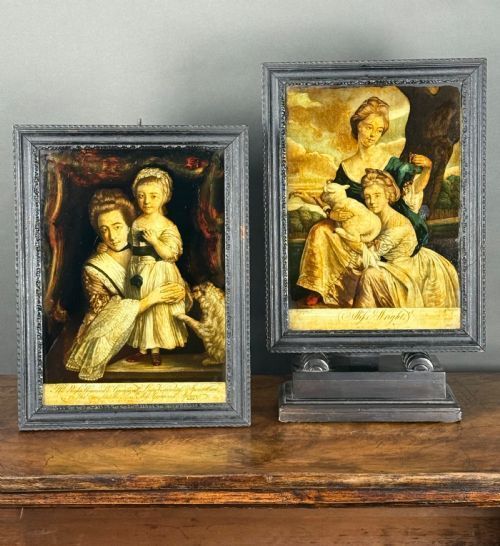
Paired antique portrait artworks consist of two matching pictures depicting human subjects, created as a set to hang together symmetrically. When you search for paired antique portrait artworks, you encounter matching oils, pastels, watercolours, and engravings spanning several centuries.
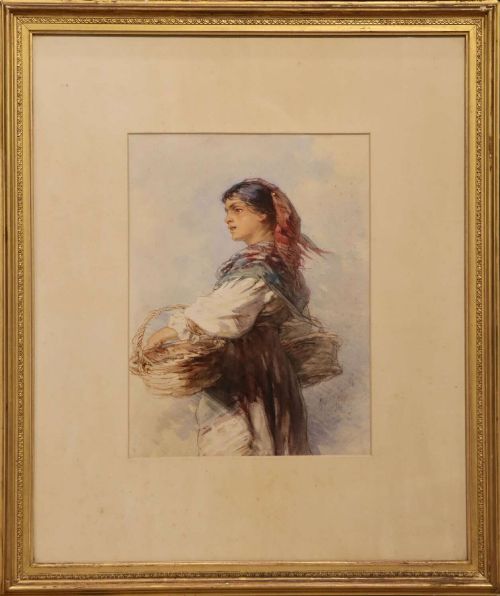
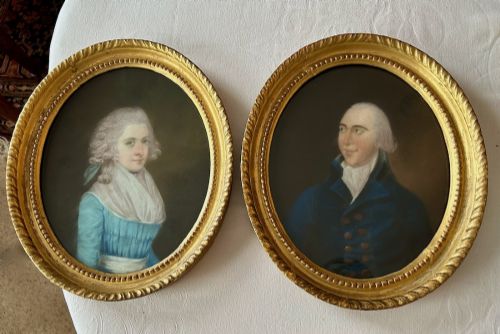
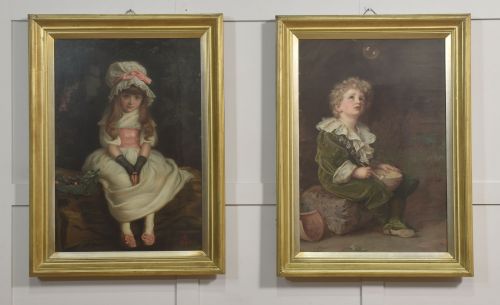
The surviving examples range from intimate 18th-century pastel studies of named individuals to grand 19th-century oil paintings of children and historical figures. You are most likely to meet 19th-century oil paintings and framed prints on paper from the Georgian and Victorian eras.
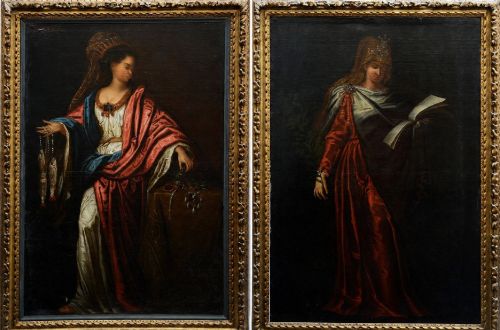
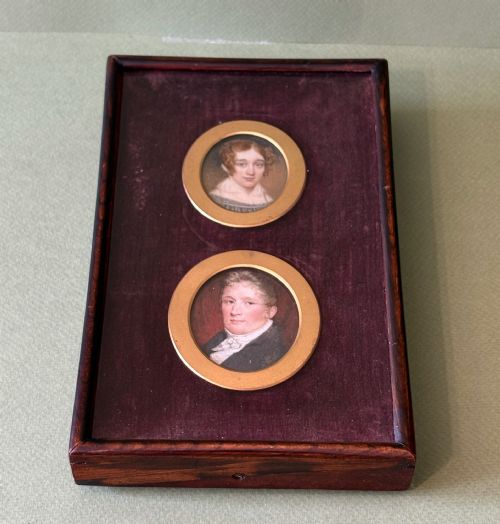
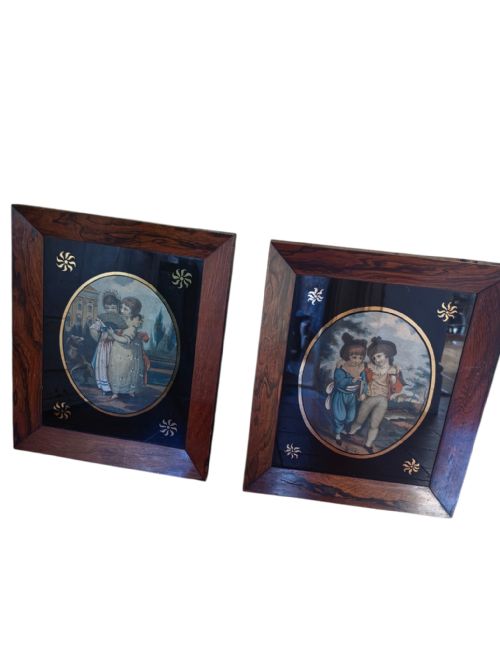
Subjects frequently include matched pairs of gentlemen and ladies, children, or allegorical figures rendered by various regional schools. These dual compositions were originally framed to mirror one another, maintaining visual equilibrium in period domestic interiors.
How they were made
Artists painted these works using oil paint on canvas or applied dry pastel directly onto paper, frequently housing the completed pieces behind glass for protection. Draughtsmen also utilised graphite and pencil on paper to capture fine facial details and costume textures.
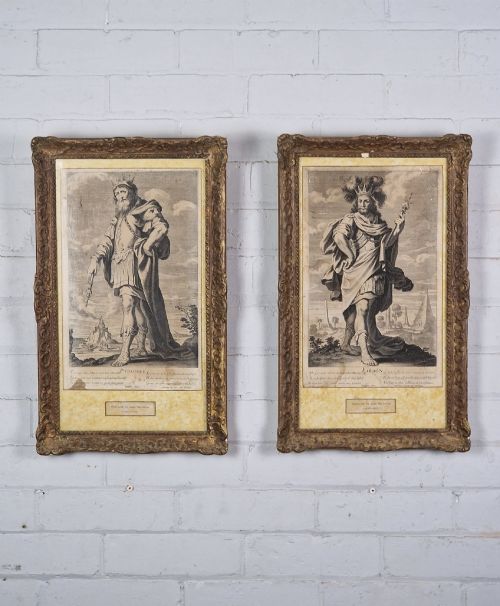
Printmakers employed engraving and mezzotint techniques on paper plates to duplicate popular painted portraits for broader distribution. Finished works were then secured inside wooden frames, incorporating materials such as rosewood, giltwood, and gold leaf accents.
Listings feature works spanning from the 18th century through the mid 20th century, executed in oil, pastel, watercolour, and engraving.
What varies in quality
The standard of execution in facial anatomy and expression defines the upper tier of these portraits, separating skilled hands from rigid or flat draftsmanship. Handling of light, shadow, and fabric textures also dictates the visual depth achieved by the artist.
The preservation of the original support material, whether canvas, paper, or pith, heavily influences the integrity of the piece over time. Additionally, the survival of contemporaneous framing, such as swept giltwood or rosewood surrounds, contributes significantly to the historical coherence of the pair.
Guido Bach·Emily Eyres·Charles Antoine Coypel·Jacobus Houbraken·Theodore Jensen·Robert Sayer
The Paired Portrait Artworks Glossary
- Mezzotint
- A printmaking process of the intaglio family where the plate is roughened to produce tones of grey and black. This technique allows for smooth gradations of light and shade crucial for portraiture.
- Pastel
- A dry painting medium in the form of a stick, consisting of pure powdered pigment and a binder. Pastel artworks require glass framing to prevent the pigment from smudging.
- Pith paper
- A delicate material made from the pith of the Tetrapanax papyrifer plant, used in 19th-century Chinese paintings. It absorbs watercolours with intense, velvety saturation.
- Giltwood
- Wood that has been treated with a thin layer of gold leaf or powder. It forms the decorative surface of ornate period frames.
- Ruff
- A projected starched collar worn in European fashion during the 16th and 17th centuries. Its intricate folds demand precise linework from the portrait artist.
Paired Portrait Artworks: Frequently Asked Questions
Why were portraits created in pairs?
Artists and patrons commissioned or painted portraits in matched sets to commemorate married couples, family members, or companion subjects. This arrangement provided visual balance when hung symmetrically on opposing walls or above mantelpieces in period homes.
Matching frames and similar dimensions reinforced the unity of the pair, serving as a cohesive statement of lineage or association.
How do I identify the period of a portrait?
Clothing, hairstyles, and collar designs offer the most reliable clues for dating portrait artworks accurately. Examining the medium and the construction style of the surrounding frame provides additional chronological context.
Painters and printmakers often inscribed sitter details, dates, or signatures directly onto the canvas reverse or the lower margin of the paper.
Are these works painted on canvas or paper?
Surviving portraits utilise a variety of supports depending on the medium and period. Oil paintings typically employ stretched canvas or wooden panels, while pastels, watercolours, and engravings are executed on paper or delicate pith.
Framing usually protects these fragile materials, keeping paper works behind glass while oil canvases remain open to the air.
How should I hang paired portraits?
Display matched pairs at eye level with consistent spacing between them to preserve their original compositional symmetry. Ensure they hang away from direct sunlight and excessive humidity to protect the pigments and paper supports.
Keeping both pieces together maintains their historical pairing and visual narrative.