



Ancestor Portrait Painting
Ancestor portrait painting brings family lineage and memorial tradition directly to your walls through diverse global schools.
Ancestor Portrait Painting
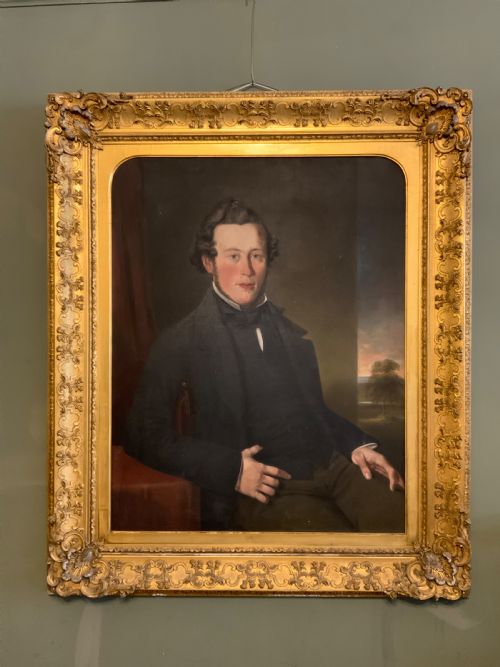
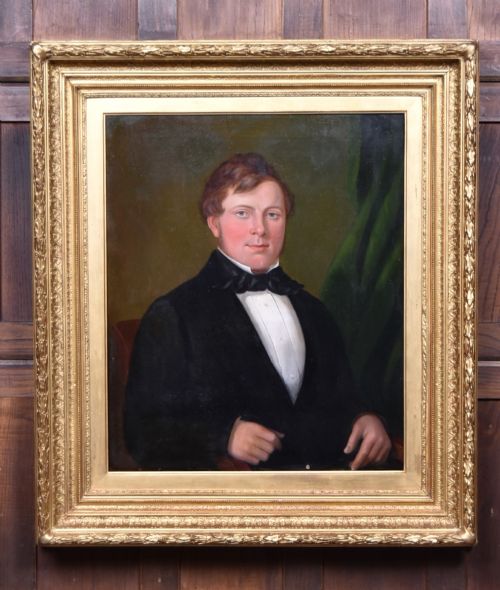
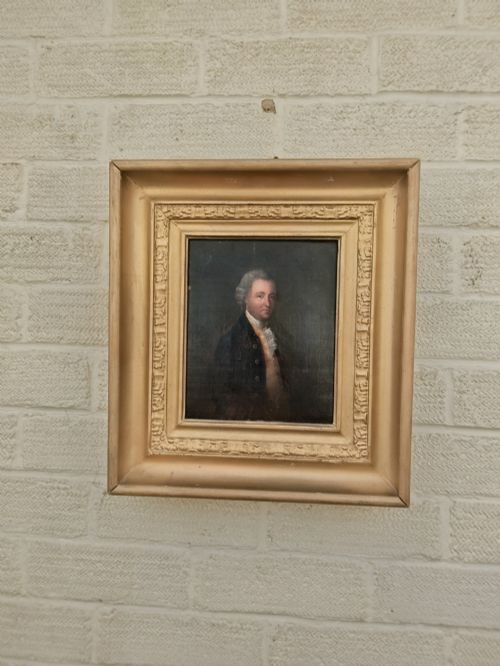
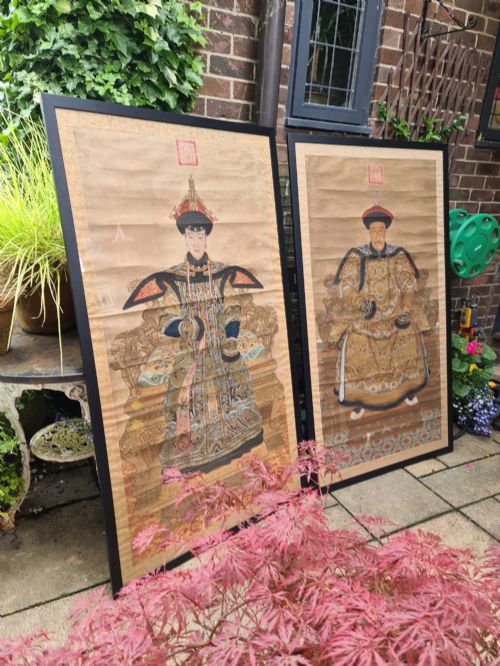
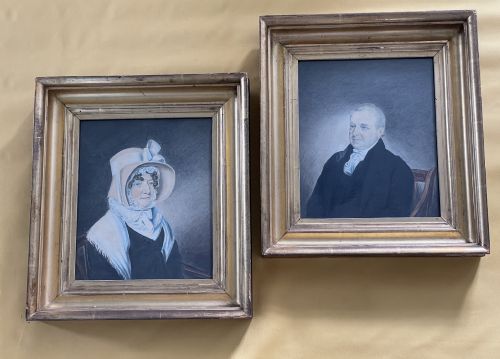
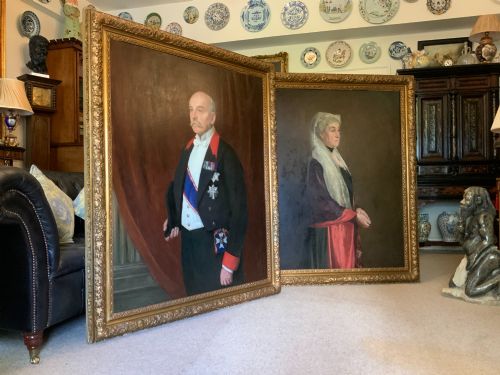
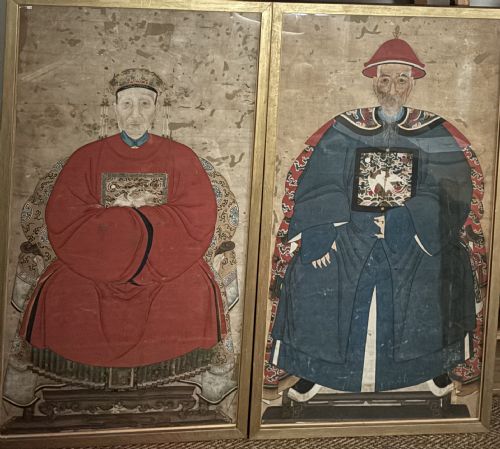
Ancestor portrait painting captures designated forebears and historical figures across multiple global traditions, most frequently seen here in 19th-century Chinese scrolls, European oil paintings on canvas, and American folk art. These works range from formal pairs of seated dignitaries to regional watercolours, primitive oils, and reverse glass paintings.
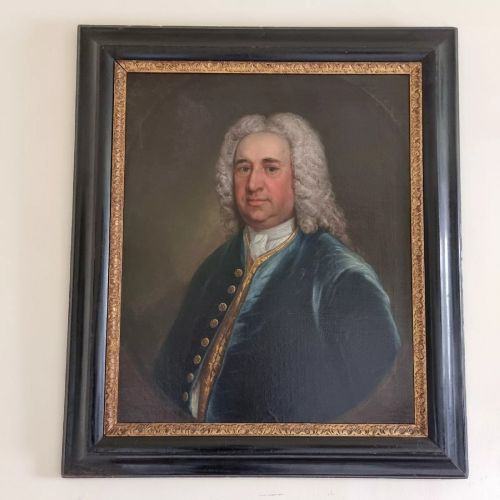
Buyers encounter everything from Georgian and Regency gentlemen in formal dress to Qing Dynasty ancestral scrolls and porcelain plaques depicting emperors. The domestic and ceremonial roles of these paintings mean they often survive as pairs or sets rather than isolated single images.
Materials and Techniques
Artists worked primarily with oil on canvas, watercolour on paper, and pigment on silk or paper scrolls, occasionally employing gold leaf and giltwood for framing. Support materials also include wood, glass, and tinplate, demonstrating a wide geographical range of regional workshops.
Techniques span the meticulous brushwork of Qing Dynasty scroll painting and reverse glass painting to the direct approach of 19th-century realism and American or Scandinavian folk art. Pigments were applied to prepared canvas, absorbent paper, or woven silk, often secured within original timber frames.
Several gentlemen in the collection appear to maintain an expression of mild disapproval towards the viewer.
What Varies in Quality
The survival of original framing, such as giltwood surrounds or traditional scroll mountings, significantly influences the integrity of a piece. Hand-painted detail in the costume and facial expression distinguishes master workshops from simpler provincial output.
Jonathon Richardson
The Ancestor Portrait Painting Glossary
- Scroll painting
- A work executed on paper or silk designed to be rolled for storage or hung for viewing, common in East Asian traditions. These works often feature traditional mounting brocades.
- Reverse glass painting
- An artwork painted directly onto the back side of a glass panel and viewed from the front. This technique produces a distinct glossy surface finish.
- Folk art
- Artistic work created within a traditional culture by self-taught or provincial makers, often displaying a naive perspective. These portraits prioritise direct character over academic proportions.
- Giltwood
- Wood carved and covered with a thin layer of gold leaf or gesso finished in gold paint. It frequently surrounds 18th- and 19th-century canvas portraits.
- Pigment
- The natural or synthetic coloured powder combined with a binder to create paint. In older works, mineral and plant pigments yield stable, deep hues over centuries.
Ancestor Portrait Painting: Frequently Asked Questions
How do I hang heavy scrolls?
Heavy scrolls and framed oil paintings require secure wall anchors suited to the weight of the timber and glass components. Distribute the load evenly using appropriate picture hooks attached to wall studs.
Avoid hanging these textiles and canvases in direct sunlight or damp environments to preserve the pigments and organic supports over time.
What is a Qing Dynasty scroll?
A Qing Dynasty scroll is a traditional hanging painting produced in China during the Qing period, often depicting revered family ancestors. These works use pigment on silk or paper and are constructed for ceremonial display.
They serve as commemorative memorials, capturing the official rank or status of the sitter through precise costume details and formal poses.
How are European portraits dated?
European portraits are dated by examining the sitter's costume, hair styling, and framing style, alongside any written inscriptions on the reverse of the canvas. Fashions in waistcoats, collars, and coats changed rapidly through the Georgian and Regency periods.
Material analysis of the stretcher bars, canvas weave, and pigments helps confirm whether a painting aligns with an eighteenth or nineteenth-century origin.