
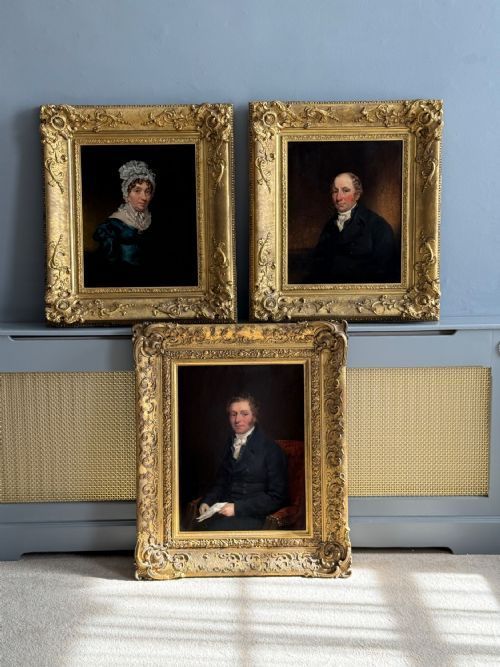
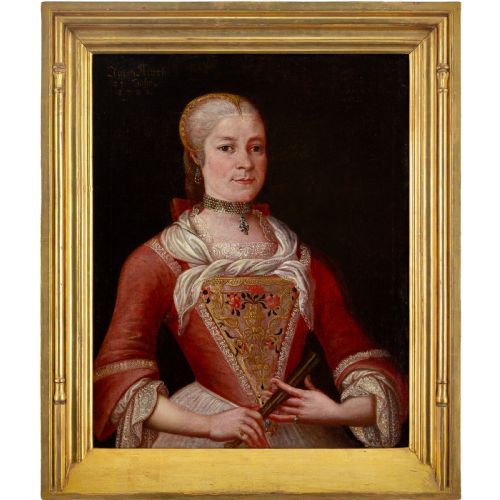
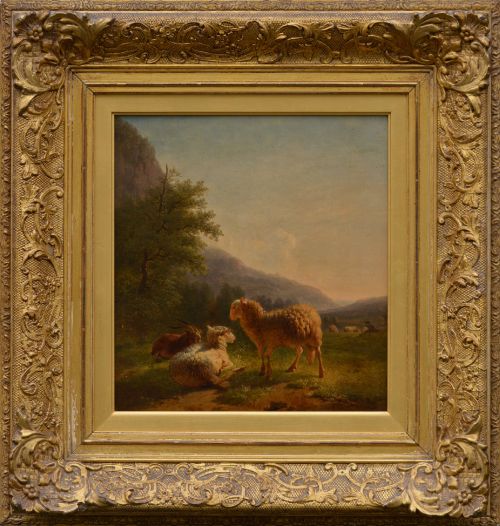
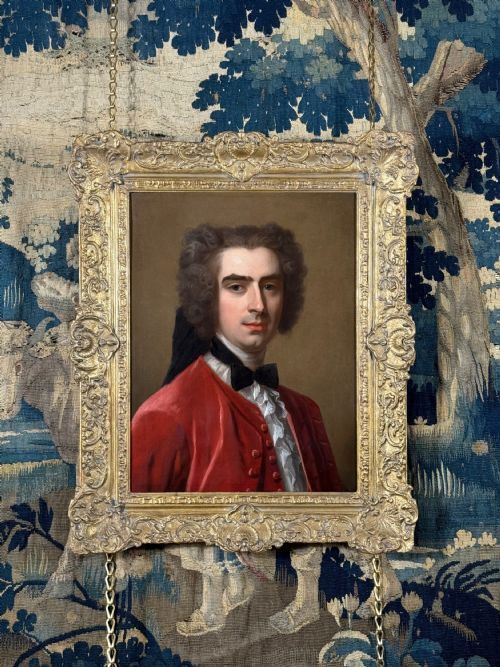

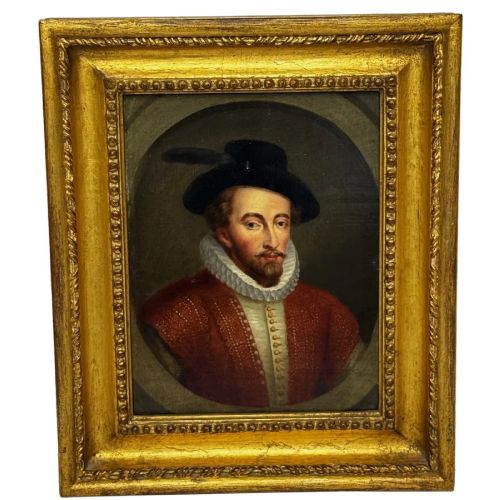
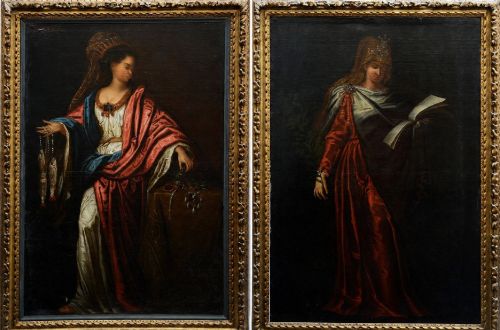
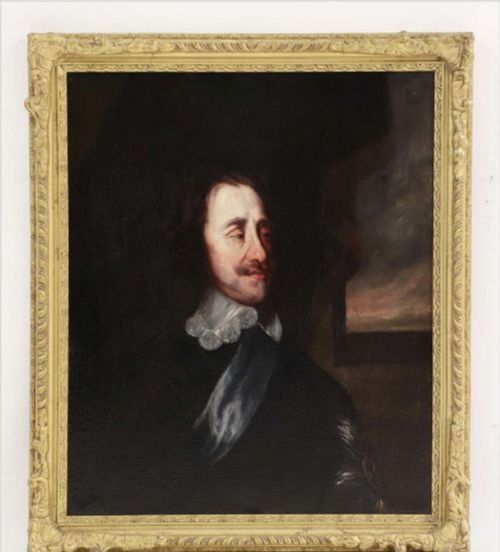
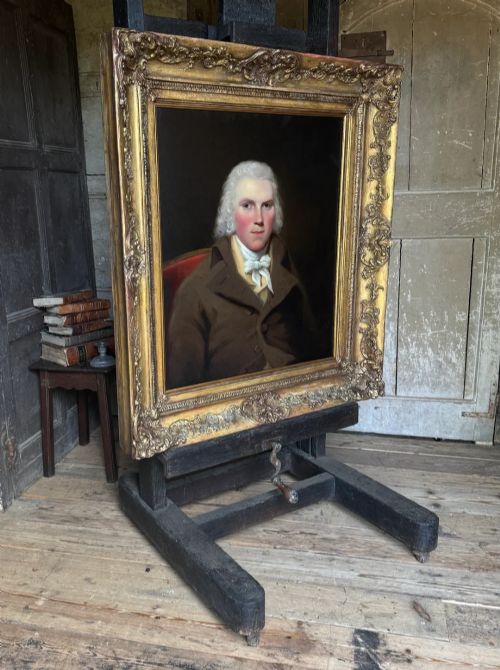

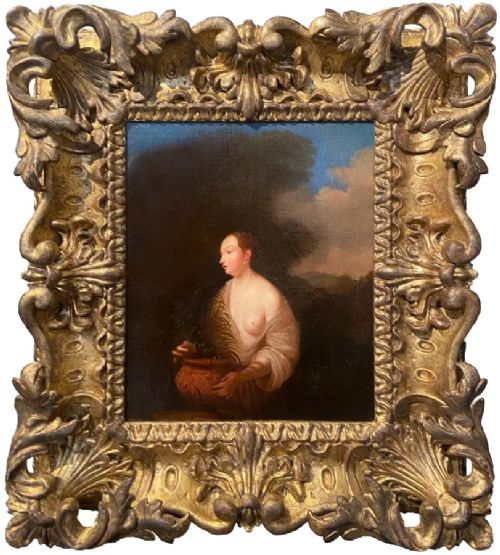

Oil Portrait in Giltwood Frame
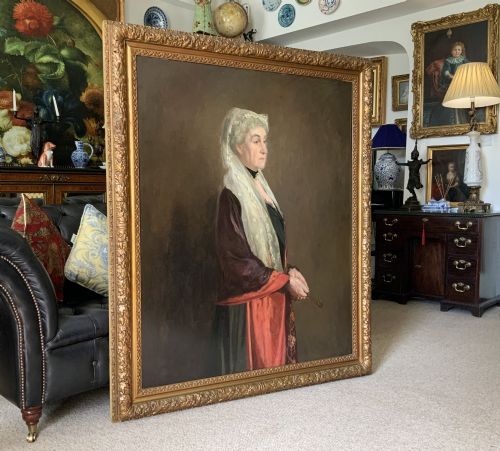
An oil portrait in giltwood frame brings historical character into a room, pairing painted canvas with carved, gilded timber.
Oil Portrait in Giltwood Frame
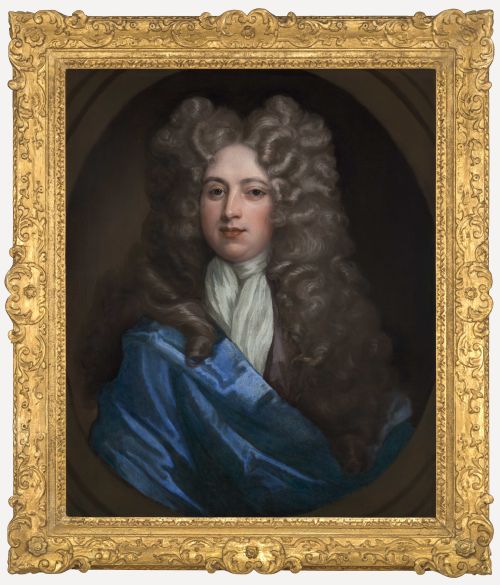
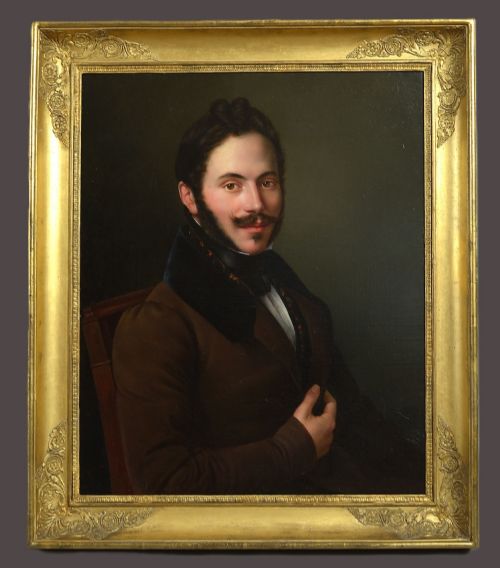
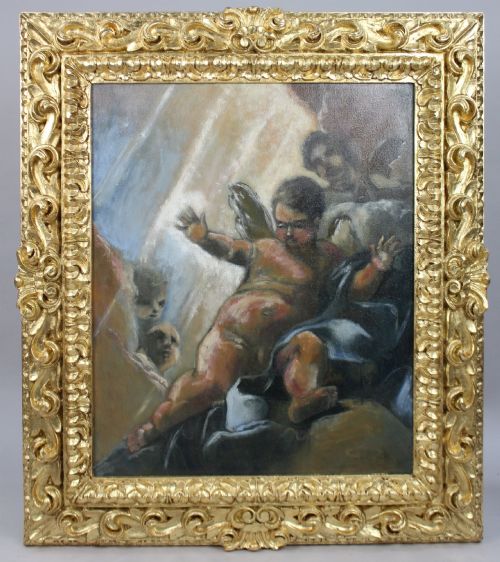
An oil portrait in giltwood frame combines historical canvas painting with ornate wooden surrounds covered in gold leaf. Buyers encounter works spanning several centuries, from the seventeenth through to the nineteenth century, depicting subjects ranging from aristocracy to children and military officers.
The selection includes pieces attributed to specific schools such as the Scottish, English, French, and Spanish traditions. Many works present sitters in formal attire, armour, or period dress, accompanied by elaborate frames designed to complement the status of the painted subject.
While some pieces emerge from named makers and recorded artists, others represent the output of regional schools or followers of prominent masters. The common thread across these works is the integration of oil paint on canvas or panel with gilded framing techniques.
Materials and construction
Canvas and wooden panels serve as the primary supports for the painted imagery, prepared with grounds before the application of oil pigments. Artists used layered oils to build depth in clothing, flesh tones, and background details.
Frames utilise timber bases finished with gesso, a plaster mixture applied to smooth the surface before applying gold leaf. Carvers shaped the wood into floral motifs, scrolls, and gadrooning before gilding.
The application of gold leaf required meticulous hand skill to adhere thin sheets of metal to the prepared gesso surface. Burnishing then brought out the reflective quality of the gold, creating contrast with the matte texture of the oil painting.
Subjects range from aristocracy and military officers to animals, including a royal thoroughbred and a pet monkey.
Distinctions in quality
The sophistication of the brushwork and the anatomical accuracy of the sitter set works apart, distinguishing proficient portraitists from provincial jobbing painters. Subtlety in rendering facial expressions and textiles indicates higher artistic competence.
Frame carving depth and crispness dictate the calibre of the surround, with hand-carved wooden mouldings outperforming mass-produced composition ornament. The preservation of the original gilding without excessive over-painting maintains the historical integrity of the piece.
Joseph Clover RA·Eugène Verboeckhoven·Jean-Baptiste van Loo·Thomas Murray·Edouard Pingret·Toussaint Gelton·Francis Hayman·Henry Pickering·Renato Moretti·C.S. Lidderdale·Sir Joshua Reynolds RA
The Oil Portrait in Giltwood Frame Glossary
- Giltwood
- Timber that has been coated with gold leaf or powder over a prepared base. This finish provides a warm, reflective border that enhances the colours within the painted canvas.
- Gesso
- A paint mixture consisting of a binder mixed with chalk, gypsum, or pigment used to prepare wood surfaces for gilding. It allows carvers to achieve sharp details before applying gold leaf.
- Periwig
- A voluminous artificial hairpiece popular among men during the late seventeenth and early eighteenth centuries. Its presence helps date portraits to specific decades.
- Panel
- A flat piece of wood used as a rigid support for painting instead of stretched canvas. Panels often indicate earlier periods of production before canvas became dominant.
- School
- A group of artists working in a similar style, region, or period, often under the influence of a master. Attributions to a particular school denote stylistic proximity rather than direct authorship.
Oil Portrait in Giltwood Frame: Frequently Asked Questions
How do I date an oil portrait?
Examinations of clothing, hairstyles, and frame styles provide the primary clues for dating historic portraits. Details such as armour, periwigs, or specific cuts of fabric align with documented periods of fashion.
Pictorial techniques and canvas preparations also offer evidence. Pigment analysis and stretcher construction help narrow down the decade of creation.
Where should I hang a framed portrait?
Historic portraits suit principal reception rooms, studies, and hallways where traditional furniture provides a complementary backdrop. Wall placement should avoid direct sunlight to protect both the oil pigments and the giltwood finish.
Secure fixings matched to the weight of the frame are essential. These heavy pieces require wall anchors suited to plaster or brickwork.
How do I care for giltwood frames?
Maintenance requires gentle dusting with a soft, dry brush to remove particles without disturbing the delicate gold leaf. Moisture and chemical cleaners damage the historic surface and must be avoided entirely.
Stable indoor humidity prevents the underlying wood and gesso from cracking or warping. Keeping the frame away from direct heat sources preserves the stability of the timber.
What is the difference between an original and an after work?
An original portrait is painted directly from the live sitter by the artist. Works described as 'after' an artist are later copies produced by other hands, often recording famous compositions for broader audiences.
Both categories hold historical interest depending on the quality of execution. Copies from the seventeenth or eighteenth centuries often possess independent artistic merit.