
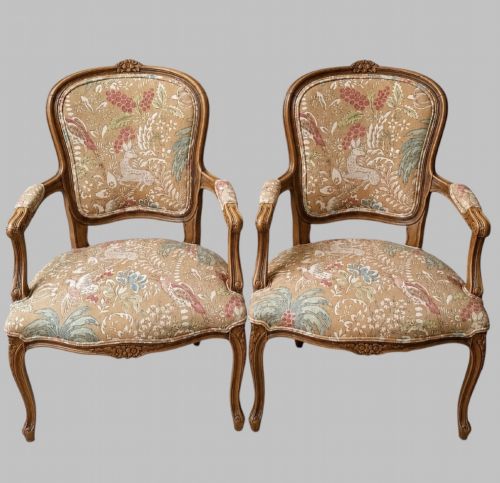
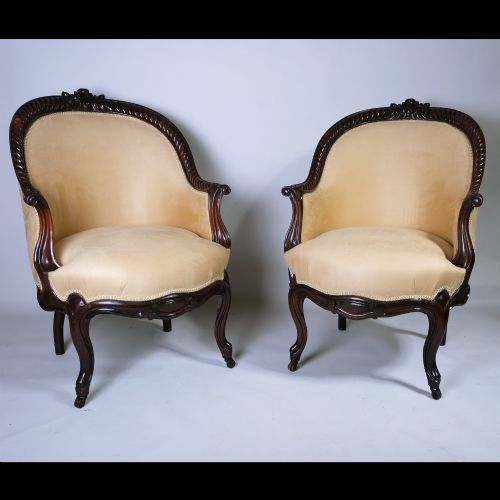
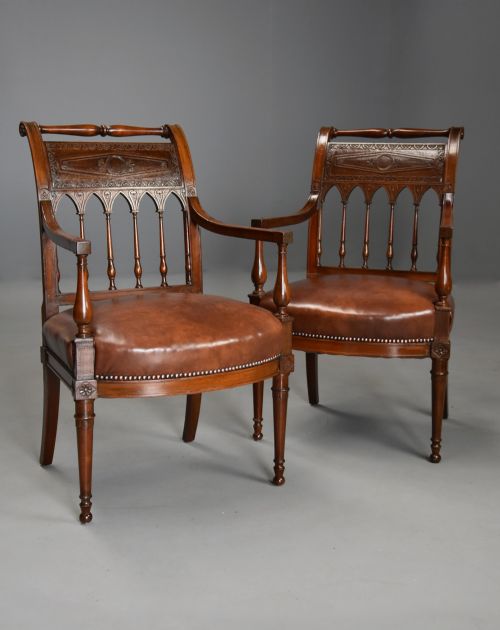
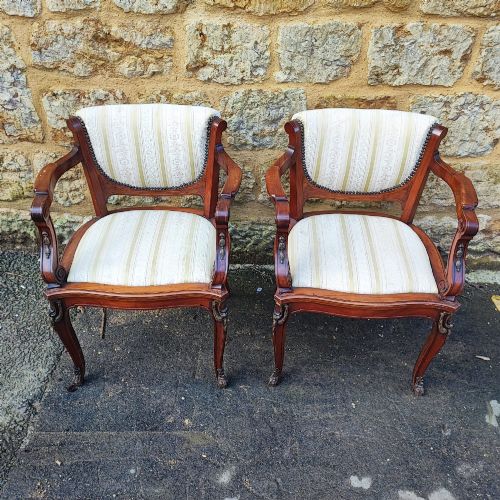

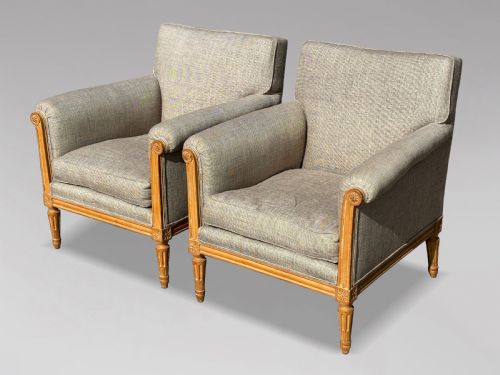


Pair Vintage Fauteuils
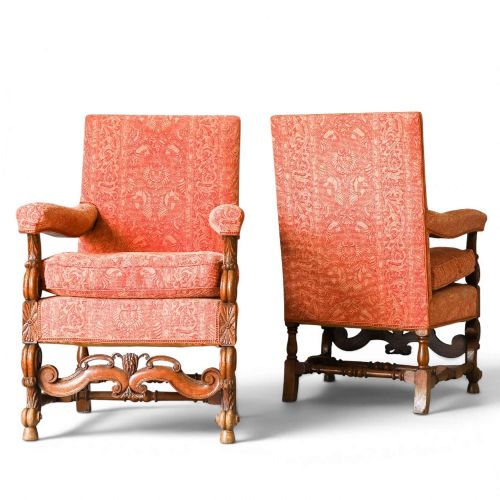
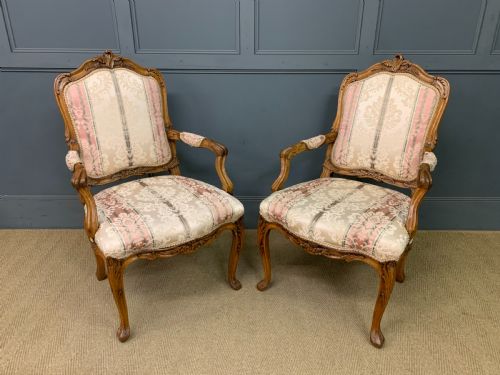
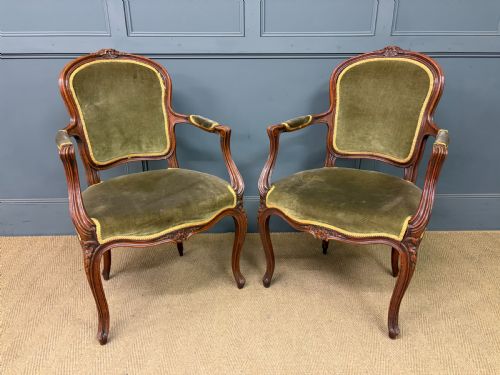
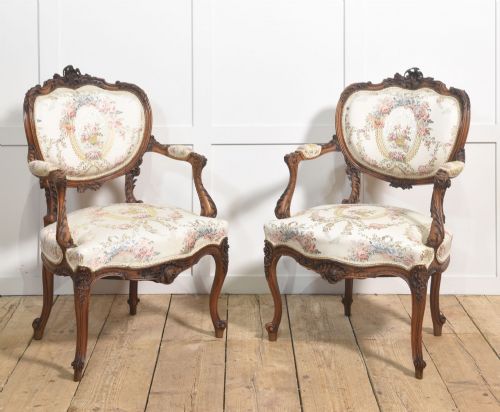
These pair vintage fauteuils bring classic French seating into modern rooms, offering carved wooden frames and upholstered comfort.
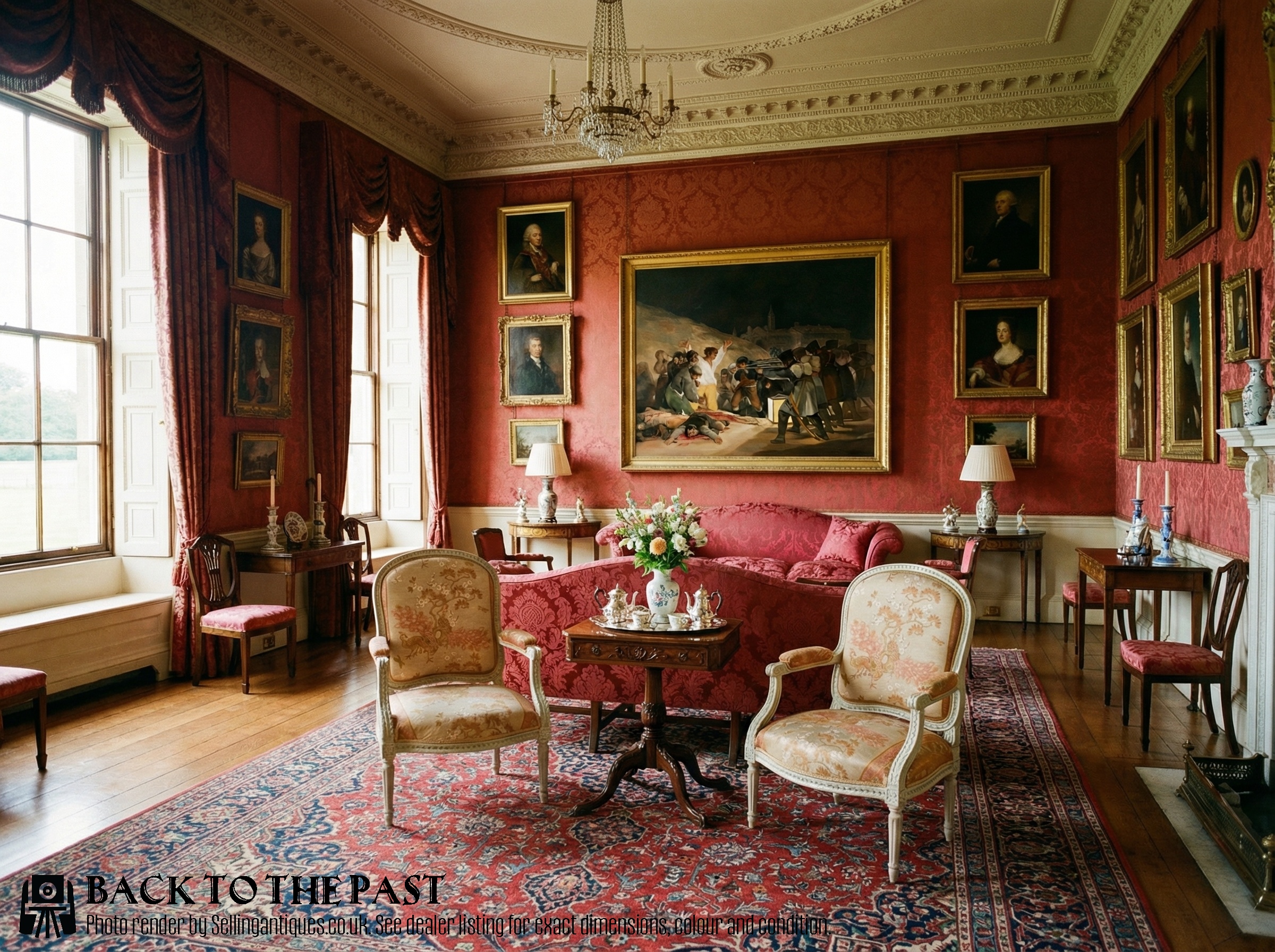
Pair Vintage Fauteuils
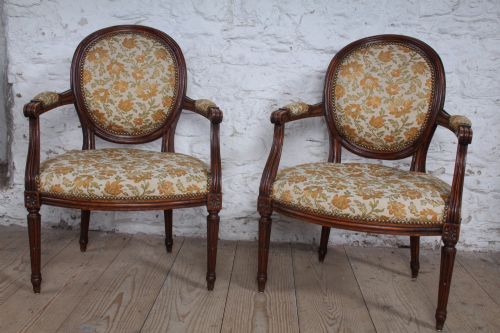
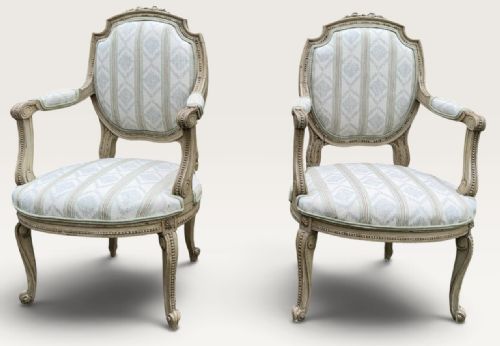
When you search for pair vintage fauteuils, you encounter matched sets of open-armed seating rooted primarily in French decorative traditions. These twin armchairs span various historical periods, reaching from the eighteenth century through nineteenth-century revivals into early twentieth-century interpretations.
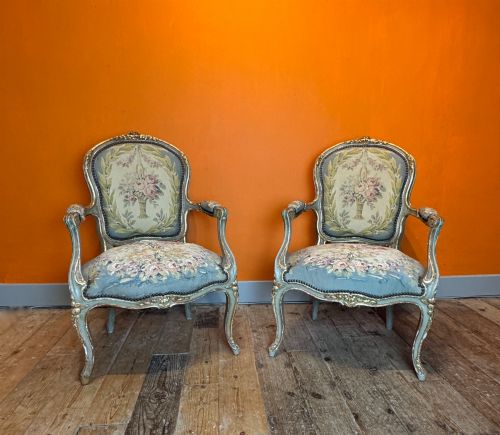
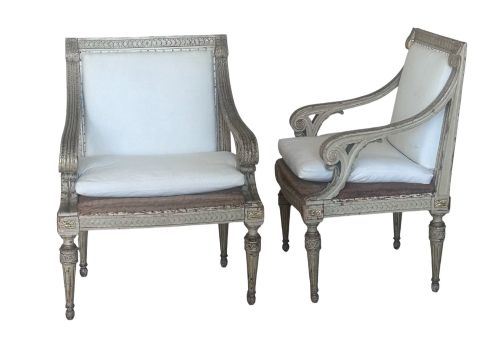
The selections on this page demonstrate distinct regional and stylistic variations, including Louis XVI, Louis XV, Directoire, and Empire aesthetics. Common forms include open salon chairs, library armchairs, and carved farmhouse fauteuils designed for formal and domestic spaces alike.
Most examples hail from French workshops, though Piedmontese and other continental origins also appear among the selections. Buyers find pieces upholstered in period tapestry, needlework, velvet, leather, or original fabric alongside cane-backed versions.
How they were made
Cabinetmakers constructed these frames using solid hardwoods such as walnut, oak, mahogany, beech, and exotic timbers like goncalo alves. Artisans shaped these materials through intricate hand-carving, creating curved armrests, cabriole legs, and decorated crest rails.
Surface finishes involved traditional techniques including paint, parcel gilding, and gilding over gesso. Upholsterers then applied horsehair or traditional stuffing beneath top layers of velvet, leather, tapestry, or needlework, secured with decorative tamping.
Cane-backed variants integrated woven natural materials into wooden frames to provide lighter support for warmer rooms. Structural joinery relied on traditional mortise and tenon methods to ensure stability across centuries of use.
Some nineteenth-century makers evidently enjoyed mixing regional charm with grand court styles, creating rustic farmhouse chairs wearing formal French attire.
What varies in quality
The distinction between ordinary and exceptional pairs lies primarily in the crispness and depth of the wood carving. Skilled carvers produced fluent, undercut ornamentation on walnut and giltwood frames, whereas lesser examples display softer, shallower detailing.
Proportion and structural harmony separate superior frames from heavier or clumsier interpretations. The best pieces maintain balanced lines across both chairs, ensuring that matching pairs share identical dimensions and stylistic traits.
Original surface treatments, such as untouched period paint or authentic gilding, elevate the desirability of a pair. Subsequent repainting or heavy restoration alters the historic character, shifting the piece away from its original workshop state.
The Pair Vintage Fauteuils Glossary
- Fauteuil
- An open-armed upholstered armchair originating in France, typically featuring an exposed wooden frame. These chairs became central to interior decoration during the seventeenth and eighteenth centuries.
- Giltwood
- Timber treated with a thin layer of gold leaf applied over a prepared gesso surface. This finish appears frequently on formal salon seating from various revival periods.
- Cane
- Woven material made from rattan or stripped plant stems used to create breathable backs or seats. It appears frequently on lighter period armchairs.
- Parcel Gilt
- A decorative technique where only specific portions of a wooden or painted surface receive gilding. This method highlights carved details without covering the entire frame.
- Directoire
- A transitional style bridging neoclassical eighteenth-century design and the nineteenth-century Empire period. Pieces from this aesthetic emphasise restrained lines and classical motifs.
Pair Vintage Fauteuils: Frequently Asked Questions
How do I use a pair of fauteuils in a modern room?
These armchairs fit naturally into sitting rooms, studies, or bedrooms where matched seating creates a balanced focal point. Placing them opposite a sofa or flanking a fireplace establishes a traditional conversation grouping.
The exposed wooden frames and upholstered backs also allow these chairs to stand away from walls, functioning well as central room elements rather than peripheral furniture.
How do I care for original painted or gilt surfaces?
Historic painted and gilded wooden frames require gentle treatment to preserve their patination and finish. Dusting with a soft, dry cloth prevents particulate accumulation without threatening fragile surfaces.
Avoid liquid cleaners, modern polishes, and abrasive cloths, which can strip away historic paint layers or damage delicate gold leaf applications over time.
Can these armchairs be reupholstered?
Many antique fauteuils have undergone reupholstery across their lifespans to suit changing interior tastes and wear requirements. Choosing traditional materials like horsehair and appropriate textiles helps maintain the structural integrity of period frames.
When a pair retains original tapestry or needlework, collectors often preserve the fabric despite wear, whereas later upholstery offers freedom for custom interior schemes.