




Pair Tall Table Lamps
When you search for pair tall table lamps, you are looking at matched vertical lighting solutions drawn from the nineteenth and twentieth centuries.
Pair Tall Table Lamps
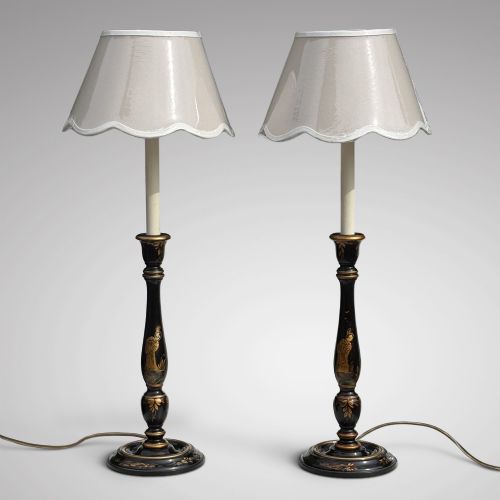
When searching for pair tall table lamps, buyers encounter matched sets designed to provide balanced illumination and symmetrical height on surfaces. The selections span from Victorian and Edwardian periods through to Art Deco and mid-century examples.
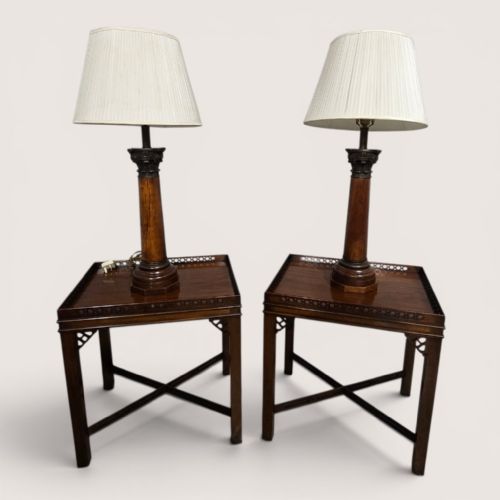
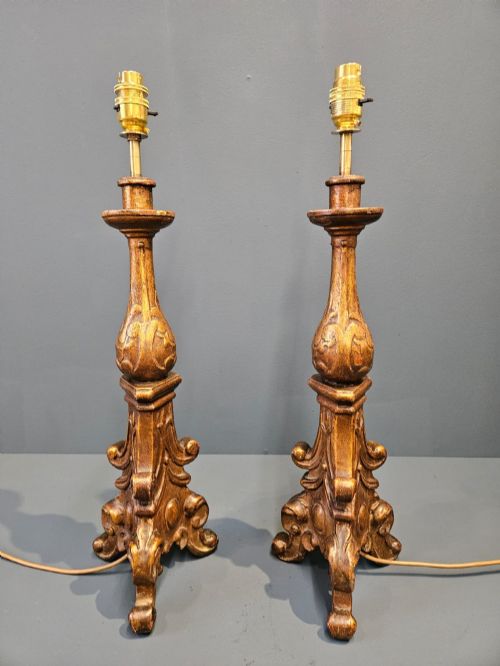
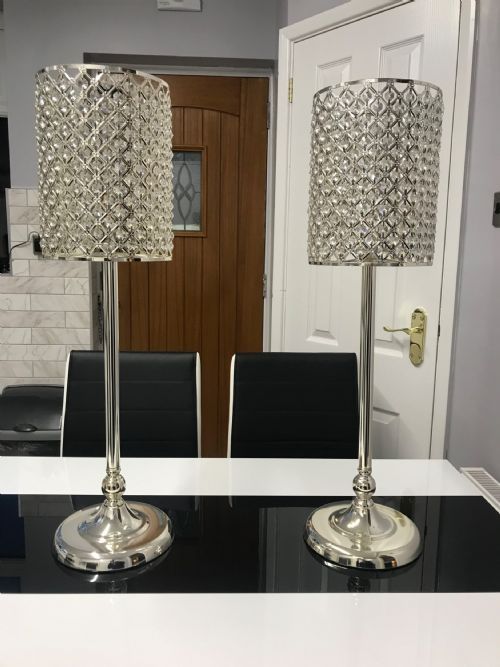
Many of these objects originate from converted candlesticks, architectural columns, or purpose-built wooden and metal forms. Brass, mahogany, and crystal feature prominently across the available items.
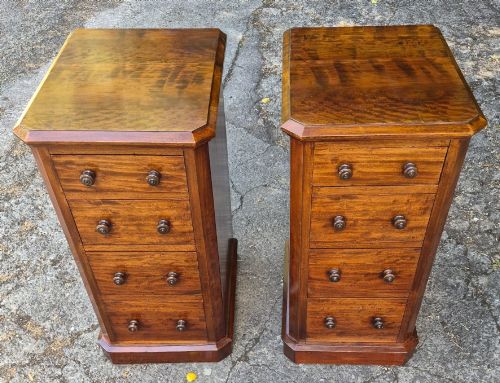
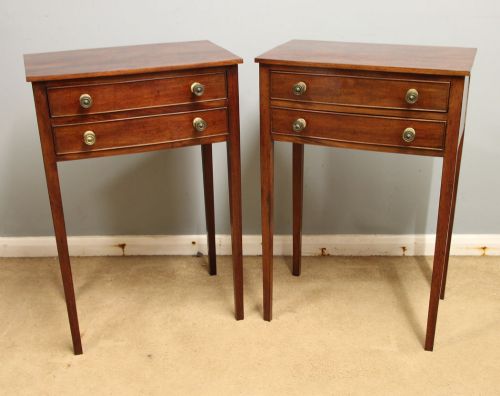
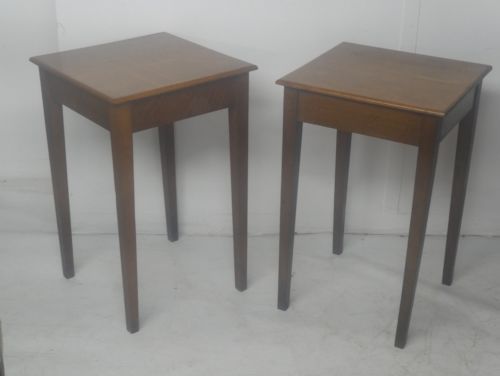
Alongside dedicated lighting, the record shows related low furniture such as bedside tables and plant stands that share the same period aesthetics. These pieces establish a cohesive domestic scheme when placed in pairs.
How they were made
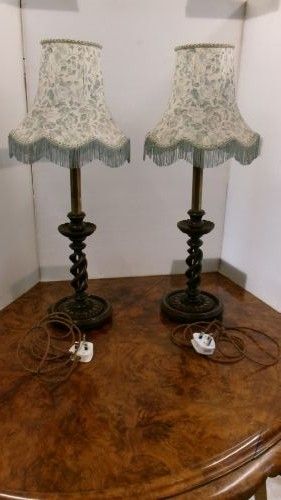
Makers utilised cast and turned metals including brass, ormolu, and silver plate, frequently shaping them into Corinthian columns or twisted stems. Woodworking traditions appear through carved oak, mahogany, burr elm, and lacquered chinoiserie finishes.
Decorative elements involve applied gilding, marble inserts, porcelain figures, and Bohemian crystal components. Assembly methods rely on traditional joinery for timber and threaded or soldered junctions for metalwork.
Several columns stand ready to illuminate rooms after decades spent holding church candles.
What varies in quality
The standard of execution depends on the crispness of the casting in metal pieces and the depth of the carving in wooden examples. Higher grades display deliberate attention to proportion and fine detailing across both items in the set.
Materials dictate durability and visual weight, with solid brass, dense hardwoods, and heavy crystal sitting above lesser substitutes. Preserved original surfaces and coherent matching between the two components elevate the overall standard.
The Pair Tall Table Lamps Glossary
- Corinthian column
- A classical architectural order featuring an ornate capital decorated with acanthus leaves, frequently adapted for lamp stems.
- Ormolu
- Finely ground high-carat gold-copper mercury gilding applied to cast bronze objects, common in French decorative arts.
- Pricket candlestick
- A candleholder featuring a central spike upon which the wax candle is mounted, often converted later into electrical fittings.
- Chinoiserie
- European artistic style reflecting Chinese motifs and techniques, seen here in lacquered finishes.
- Turned
- Shaped on a lathe by rotating the material while cutting tools are applied to create symmetrical profiles.
Pair Tall Table Lamps: Frequently Asked Questions
How do I wire antique lamps?
Rewiring involves replacing old internal cords with modern insulated cable to meet current safety standards. Professional electricians can thread the flex through existing channels without altering the outer structure.
Retaining the original switch or lampholder where possible preserves the historical integrity of the piece whilst ensuring safe daily operation.
What surfaces suit tall lamps?
Tall lighting requires sturdy furniture such as sideboards, console tables, or large bedside cabinets to support their vertical presence. Placing them in pairs creates symmetry on wide surfaces or flanking larger furniture items.
Ensure the table height and shade proportion complement the overall scale of the room without obstructing eyelines.
How are periods identified?
Dating relies on material choices, manufacturing techniques, and stylistic markers characteristic of specific eras like Victorian or Art Deco. Examining the base construction and metal patination reveals clues about the decade of manufacture.
Cross-referencing stylistic details such as column orders or wood types helps confirm whether a piece belongs to the nineteenth or twentieth century.
Are converted candlesticks stable?
Converted candlesticks often feature heavy metal bases made of brass or bronze that provide a low centre of gravity. This weight distribution prevents tipping despite the elevated height of the lamp and shade.
Checking the firmness of the base plate and the tightness of the threaded joints ensures the structure remains secure during use.