





Large Gilt Table Lamps
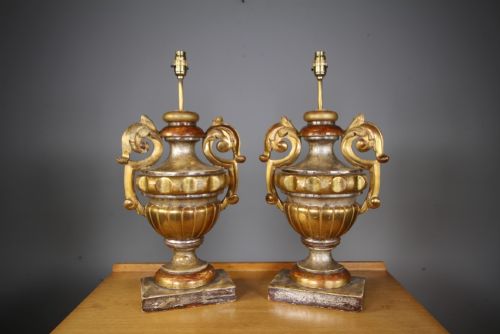
These large gilt table lamps command space with nineteenth-century presence, offering height and warm metal finish to anchor a room.
Large Gilt Table Lamps
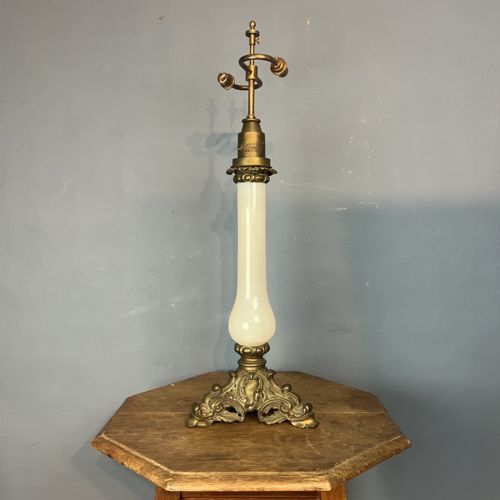
When you search for large gilt table lamps, you find substantial lighting fixtures created from nineteenth-century vases, urns, and candlesticks mounted for electricity. These pieces stand tall on side tables and consoles, bringing considerable visual weight and historical character to a scheme.
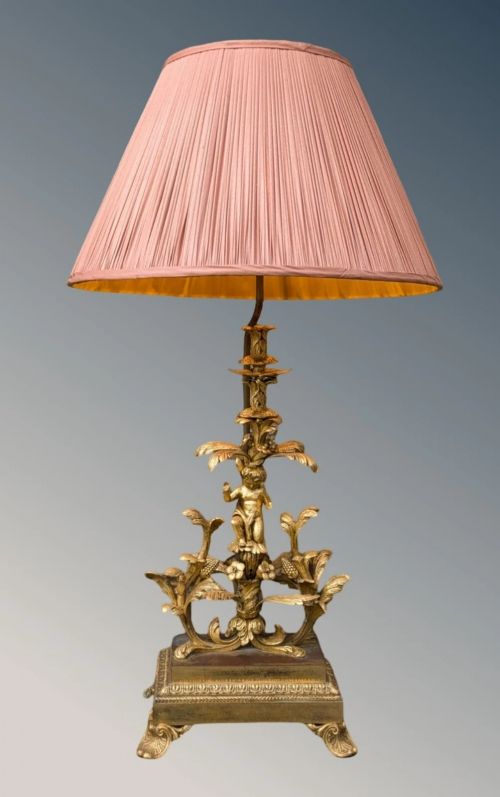
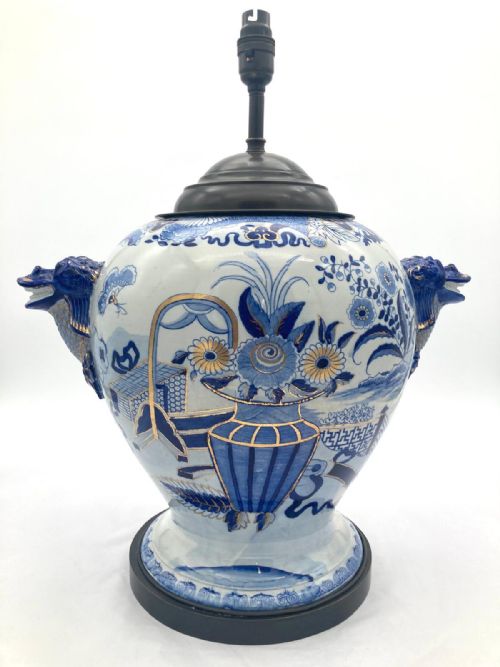
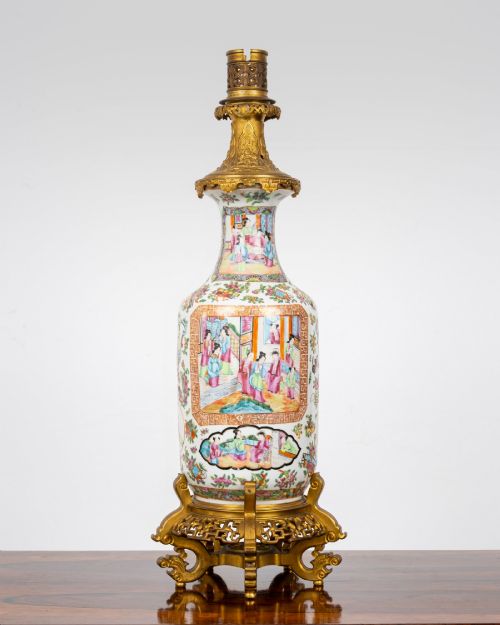
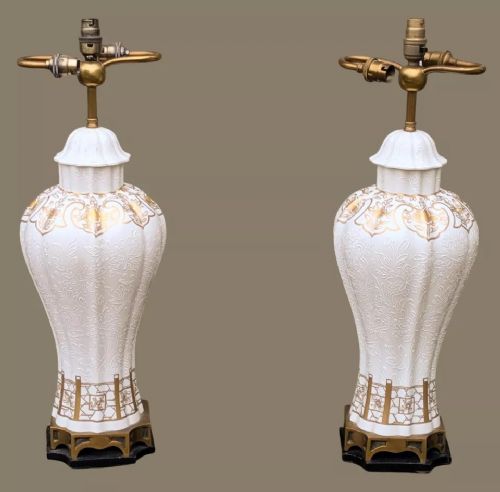
The versions you meet most often on this page combine gilt bronze, ormolu, or brass with imported porcelain such as Japanese Satsuma, Rose Medallion, and Paris porcelain. Many began life as decorative vases or architectural ornaments before conversion into functional lamps.
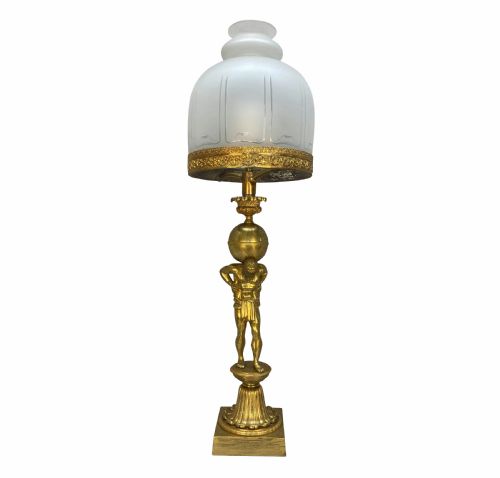
Origins span English Regency and William IV periods alongside French neoclassical and Victorian workshops, frequently appearing as matched pairs. The forms incorporate marble columns, carved pine, and classical figures like Atlas supporting the central shaft.
How large gilt table lamps were made
Foundry workers cast bronze and brass components before applying mercury gilding or fire gilding to achieve the rich metallic surface layer. Ormolu mounts were meticulously chased by hand to sharpen the leaf and scroll motifs after casting.
Pottery bodies from Japanese and European kilns arrived at workshops to receive bespoke metal mountings, drilled carefully to run internal wiring through the ceramic or stone core. Marble bases and columns were turned on lathes and joined with threaded metal rods.
Makers integrated fabric shades in silk or modern textiles to balance the heavy metal bases, while older conversions utilised fitted brass candelabra clusters wired for multiple bulbs.
Several lamps double as ancient mythical figures, leaving Atlas to shoulder the weight of your evening reading light.
What varies in quality in large gilt table lamps
The crispness of the chasing on bronze and ormolu mounts separates standard production from exceptional work, where artisans defined every vein in a leaf and every feather on a classical drapery. Softer, blurred metalwork indicates a worn secondary cast or hurried finishing.
The integrity of the porcelain or marble body dictates the standing of the piece, with flawless glazes and undamaged stone commanding attention. Converted vases show greater value when the original ceramic remains uncracked and the mounting respects the integrity of the vessel.
Proportion and balance determine how successfully a massive base carries its height and shade, distinguishing bespoke commissions from later assemblages of mismatched parts.
Hicks and Meigh·Barbedienne
The Large Gilt Table Lamps Glossary
- Ormolu
- Gilded bronze, usually produced by applying a mercury and gold amalgam to a bronze base and heating it until the mercury vaporised. This technique created the deep, matte golden finish seen on Regency and French neoclassical mounts.
- Rose Medallion
- A style of nineteenth-century Chinese export porcelain decorated with panels of figures, birds, and flowers in enamels highlighted with gold. These vases frequently form the colourful bodies of converted table lamps.
- Chinoiserie
- European artistic style reflecting Chinese motifs and decorative techniques, popular during the eighteenth and nineteenth centuries. Lamps in this style combine oriental forms with Western gilt mounts.
- Satsuma
- Japanese pottery characterised by a fine, ivory-coloured crackle glaze decorated with enamel and raised gold. These ceramic vessels often stand as the central column of large decorative lamps.
- Regency
- British design period spanning the early nineteenth century, known for strong classical influences and monumental bronze work. Pieces from this era often incorporate figures like Atlas or stiff acanthus leaf ornament.
Large Gilt Table Lamps: Frequently Asked Questions
Can I replace the lampshades on these?
Replacing shades is straightforward provided the harp or shade carrier matches the diameter of the central stem. Large bases require appropriately scaled drum or empire shades to maintain visual balance.
Silk and fabric choices should complement the tone of the gilt bronze or brass without overwhelming the hand-painted details on the porcelain bodies below.
How do I clean gilt bronze and ormolu?
Dusting with a soft, dry ostrich feather brush removes surface grit without abrading the thin gold layer. Avoid all chemical polishes and abrasive cloths, which strip the historic fire-gilt surface down to the base brass.
Stubborn grime in recessed chasing can be lifted gently using a dry, soft-bristled artist's brush. Preservation relies on keeping moisture away from both the metal mounts and the underlying ceramic or wood bodies.
Are converted vases stable enough for daily use?
Conversion mounts generally include a weighted iron or lead plate secured beneath the base to counterbalance the height of the lamp. This internal weighting prevents tipping when placed on solid side tables and console tops.
Positioning the lamp away from household traffic ensures the heavy ceramic or bronze structure remains secure. Regular checks of the central mounting nut maintain the structural tightness of the stacked components.