




Pair Rosewood Desk Chairs
Pair rosewood desk chairs bring warmth and steady architectural presence to a room, offering the rich grain of exotic hardwood matched in twos.
Pair Rosewood Desk Chairs
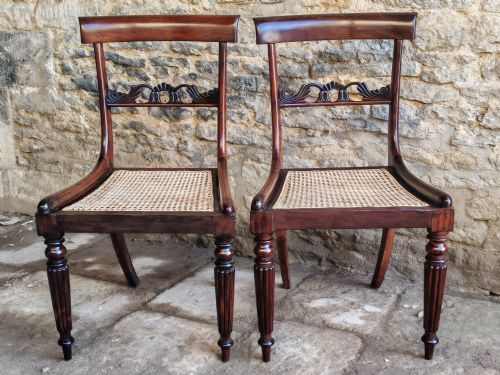
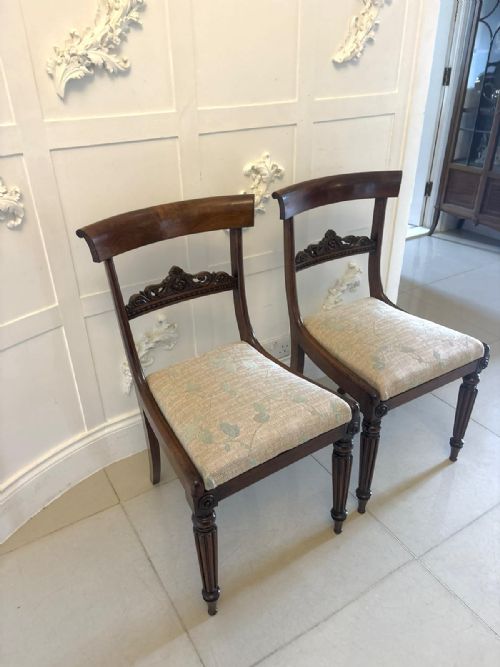
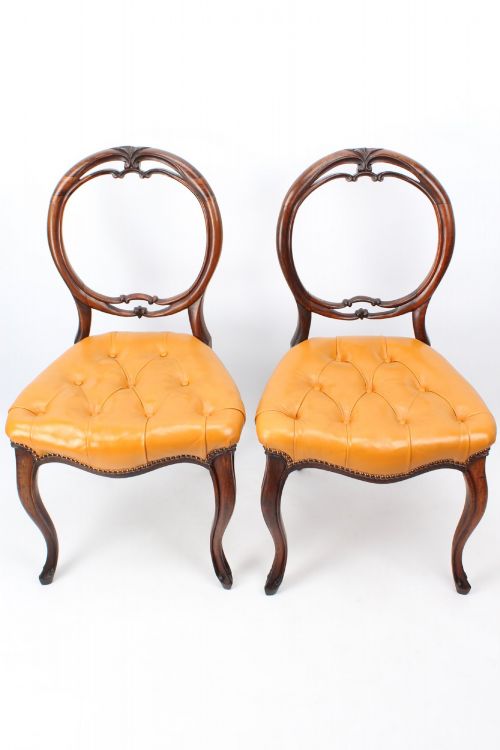
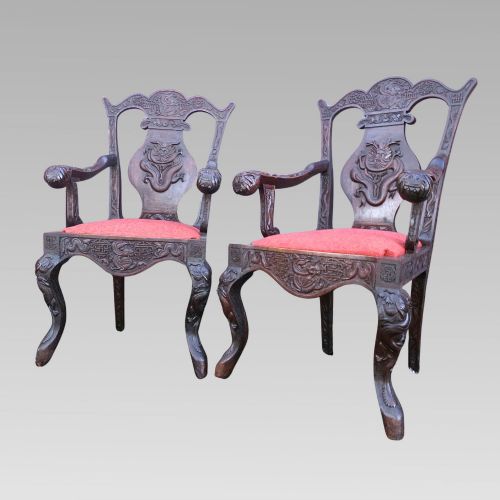
When you search for pair rosewood desk chairs, you are looking at matched sets of seating fashioned from dense, dark timber with distinct reddish-brown figuring. The examples on this page span the nineteenth century, including Victorian, William IV, Regency, and Edwardian periods, alongside Qing Dynasty pieces.
The forms vary across the selection from dedicated library armchairs and side chairs to dining and salon chairs adaptable for a writing table. Most pieces rely on the characteristic deep colour and fine grain of rosewood to create a cohesive look across both seats.
How they were made
Cabinet makers constructed these frames from solid rosewood and dark hardwood, frequently employing turning, carving, and delicate inlay work. The visible woodwork often shows the deep reddish-brown tones native to the timber, shaped to suit Regency, Victorian, or Edwardian aesthetic preferences.
Surfaces were finished to highlight the natural grain, while seats incorporated traditional methods involving cane, leather, fabric upholstery, and tapestry. Brass accents sometimes appear on castors or structural mounts, complementing the warm colour of the wood.
Pair Rosewood Desk Chairs Retail Price Guide 2026
Typical asking prices for pair rosewood desk chairs among the pieces listed under this phrase on Sellingantiques today, from the lower quarter to the upper quarter. They describe what is for sale here now, not the wider market.
Listings feature rosewood, dark hardwood, brass, leather, cane, and fabric across nineteenth-century and Edwardian periods.
What varies in quality
The distinction between standard examples and the finest work lies in the crispness of the carving and the selection of the timber grain. Better pieces display precise hand-carved details, such as the elaborate dragons found on Qing Dynasty armchairs or the balanced proportions of William IV designs.
Integrity of construction and the retention of original materials also separate the tiers of quality. Matched pairs that retain their original upholstery, cane panels, or brass fittings command greater appreciation than those altered significantly over time.
The Pair Rosewood Desk Chairs Glossary
- Rosewood
- A heavy, dense tropical hardwood prized for its dark colour and distinct grain pattern. It forms the primary structural and visual material for these chairs.
- Cane
- Woven rattan material used for seat panels or backs. It offers lightweight flexibility and a textured contrast to the solid timber frame.
- William IV
- A British design period spanning the early 1830s characterised by robust classical revival forms and substantial scrollwork. Pieces from this era often feature bold rosewood framing.
- Inlay
- The technique of embedding contrasting materials such as lighter woods into the rosewood surface to create decorative patterns. This is commonly seen on Edwardian salon and occasional chairs.
- Regency
- An English stylistic period defined by neoclassical elegance and restraint, drawing inspiration from ancient Roman and Greek designs. Chairs from this era typically exhibit graceful curves and slender proportions.
Pair Rosewood Desk Chairs: Frequently Asked Questions
Are rosewood chairs strong enough for daily use?
Rosewood is an exceptionally dense and durable hardwood, making these frames structurally robust. Most antique pairs tolerate regular seating provided the joints remain sound.
Heavier library armchairs and desk chairs were built for sustained daily work. Lighter salon or occasional chairs suit gentler use around a room.
How do I distinguish William IV from Victorian chairs?
William IV pieces tend to feature heavy, bold classical scrollwork and substantial proportions dating from the 1830s. They often display a distinct architectural weight.
Victorian chairs span a broader later timeline, incorporating balloon backs and varied revival styles. The carving on Victorian examples can range from simple contours to elaborate ornamentation.
What is the difference between side chairs and salon chairs?
Side chairs are typically smaller, un-armed seats designed to stand against a wall or pull up to a dining table. Their frames focus on straightforward utility and clean lines.
Salon chairs belong to formal entertaining spaces, often featuring lighter proportions and decorative inlay. They prioritise aesthetic appeal within a social interior.
Can I use these chairs at a modern desk?
Many antique side and desk chairs fit standard modern writing tables, provided the seat height matches your workspace. Measuring the clearance beneath your desk is essential before pairing them.
Library armchairs offer more support for extended sitting sessions. Upholstered or leather seats provide the comfort expected during daily tasks.