

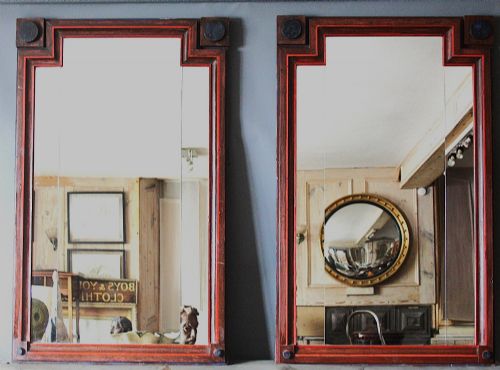


Pair Painted Mirrors
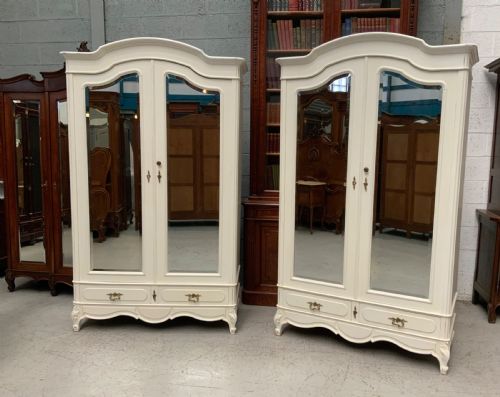
Pair painted antique mirrors bring architectural symmetry and reflective depth to a room, offering genuine period charm through time-worn decorative surfaces.
Pair Painted Mirrors
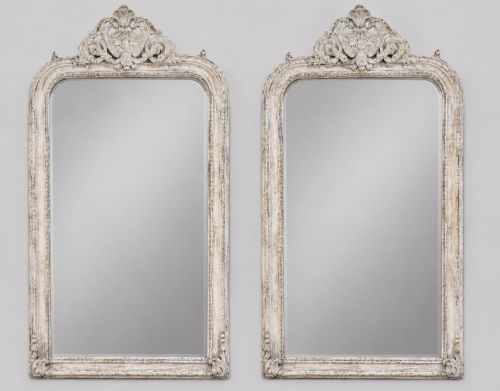
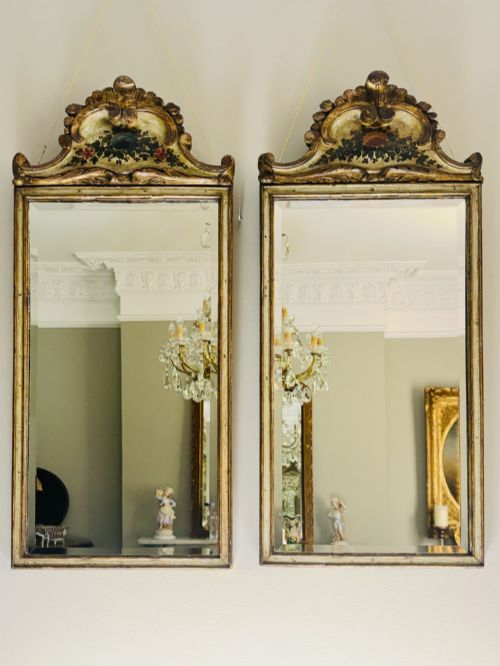
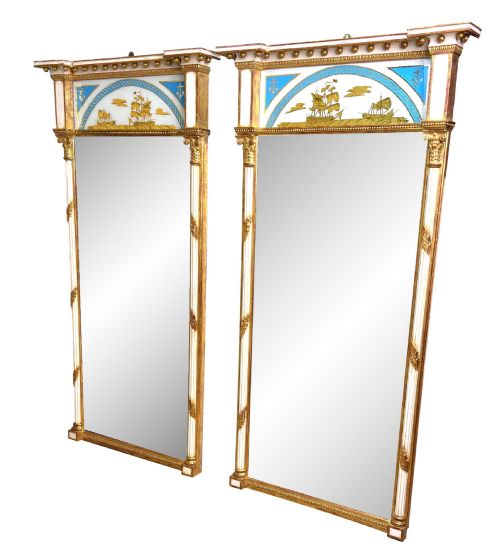
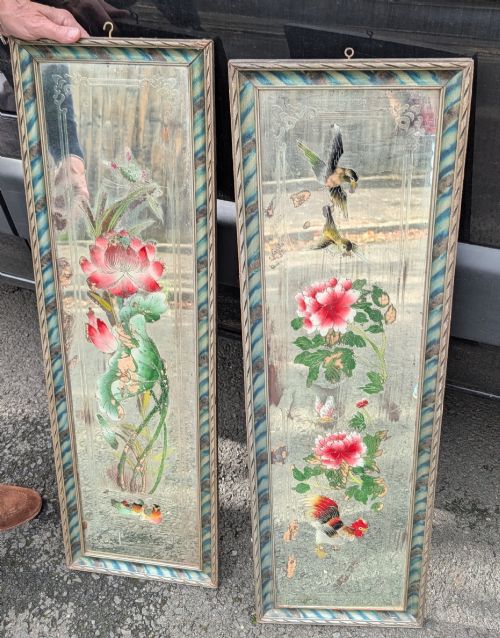
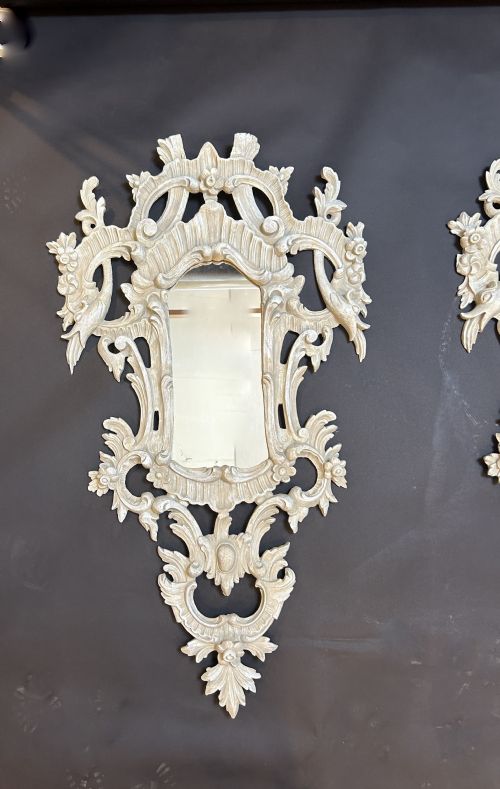
When you search for pair painted antique mirrors, you encounter dual decorative looking glasses shaped by centuries of European craftsmanship. These matching pieces range from grand French pier mirrors and Italian rococo wall hangings to carved wooden frames finished with decorative pigments.
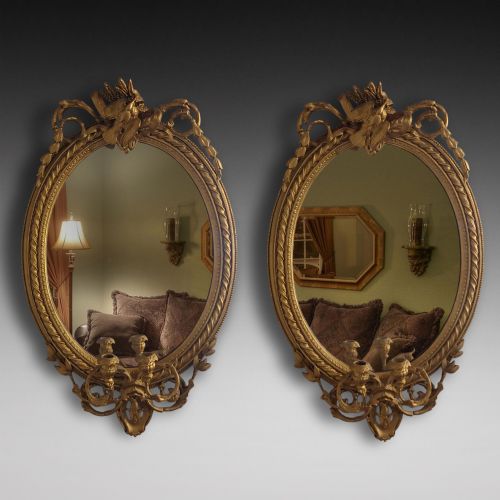
The selections available here lean heavily towards nineteenth-century Continental designs, featuring French chateau influences and gilt-painted surfaces. Alongside traditional wall mirrors, you also find girandoles and oval formats that demonstrate how past makers utilised symmetry in interior decoration.
Materials and construction
Makers constructed these frames predominantly from wood and gesso, building up intricate decorative reliefs before applying layers of paint, simulated wood finishes, or gold leaf. The underlying carved wood provides structural stability while the applied gesso holds the crisp details of styles such as rococo revival and Gothic revival.
Mirrors utilise traditional glass plates set within painted wooden structures, sometimes enhanced by polychrome decoration or gilded highlights. The combination of glass, paint, and carved timber defines the physical presence of each piece.
Pair Painted Mirrors Retail Price Guide 2026
Typical asking prices for pair painted mirrors among the pieces listed under this phrase on Sellingantiques today, from the lower quarter to the upper quarter. They describe what is for sale here now, not the wider market.
Listings feature items from the eighteenth, nineteenth, and early twentieth centuries, spanning Georgian, Regency, Victorian, and Art Deco styles.
Judging quality in matched pairs
Quality rests in the harmony of the matched pair and the depth of the painted or gilded surface. Superior examples display confident carving in the wood and gesso, where decorative motifs remain sharp and balanced across both frames.
The integrity of the painted finish also dictates value, with hand-applied polychrome or gilt layers showing natural ageing rather than flat, uniform modern coverage. Better pieces retain their original mirror glass or appropriate period replacements that match the character of the frames.
The Pair Painted Mirrors Glossary
- Pier mirror
- A tall looking glass designed specifically to hang on the wall space between two windows. These tall pieces often feature elaborate frames to maximise light reflection in formal rooms.
- Girandole
- A wall mirror featuring integrated candle sconces attached to the frame. The polished metal or glass of the candle holders helps reflect additional candlelight.
- Gesso
- A plaster-like mixture applied to wood frames to create a smooth surface for gilding or painting. Skilled artisans carved intricate details directly into this layered material.
- Polychrome
- Decoration utilising multiple colours painted onto wood or plaster surfaces. This technique creates vibrant, multi-toned visual effects on antique frames.
- Rococo revival
- A nineteenth-century design style emulating the ornate, asymmetrical curves and natural motifs of the eighteenth century. It frequently appears on decorative Italian and French mirrors.
Pair Painted Mirrors: Frequently Asked Questions
Where should I hang a pair?
These mirrors work best when mounted symmetrically on either side of a fireplace, doorway, or large piece of furniture. Placing them opposite windows also helps bounce natural light deeper into the space.
Ensure the wall fixings match the substantial weight of carved wood and glass frames, particularly for larger nineteenth-century examples.
How do I clean antique glass?
Use a soft, dry microfiber cloth to gently remove dust from the glass and painted frame surfaces. Avoid standard commercial glass cleaners, as harsh chemicals can seep behind the silvering or damage aged wooden finishes.
If moisture is necessary, dampen the cloth slightly with distilled water rather than spraying liquid directly onto the antique mirror plate.
Are painted frames original?
Many pieces retain their original nineteenth-century or earlier paint and gilt layers, which often exhibit characteristic craquelure and gentle wear. Some frames may have received later decorative surface updates during their long domestic history.
Examining the interface between the paint layers and the wood helps reveal the age and application method of the finish.
How do I match period styles?
Consider the architectural period of your home when selecting between Rococo revival, Gothic revival, or simpler nineteenth-century painted frames. Matching the decorative intensity of the frame to your existing furniture creates a cohesive interior scheme.
French chateau and Italian rococo pieces offer high ornamentation, while oval simulated wood variants provide a subtler decorative presence.