
Pair of Vintage Armchairs
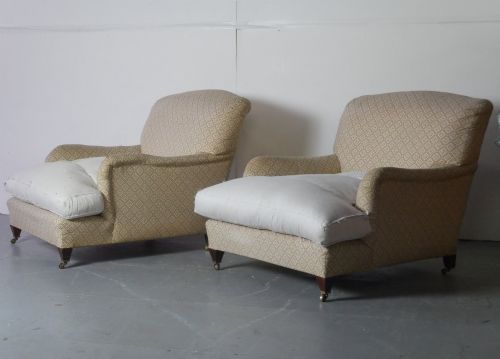
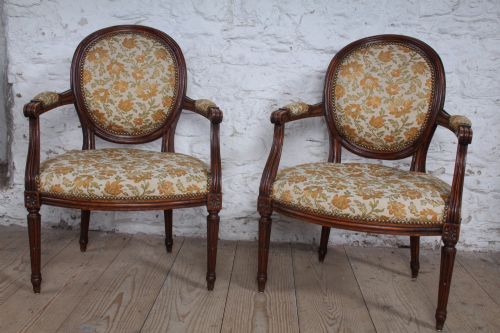
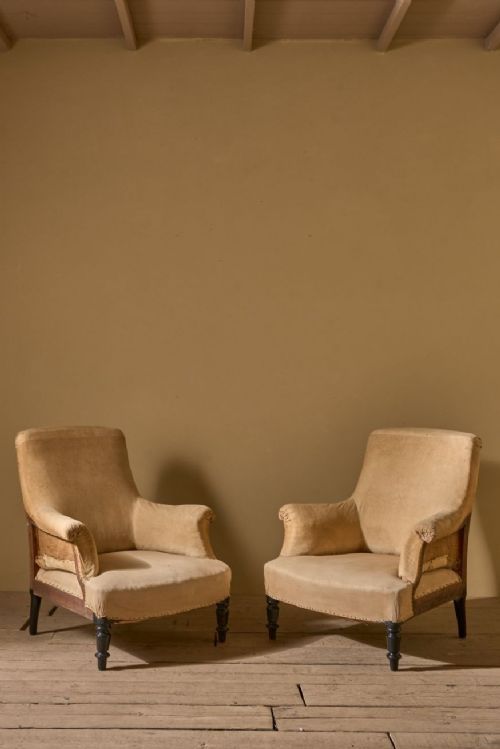
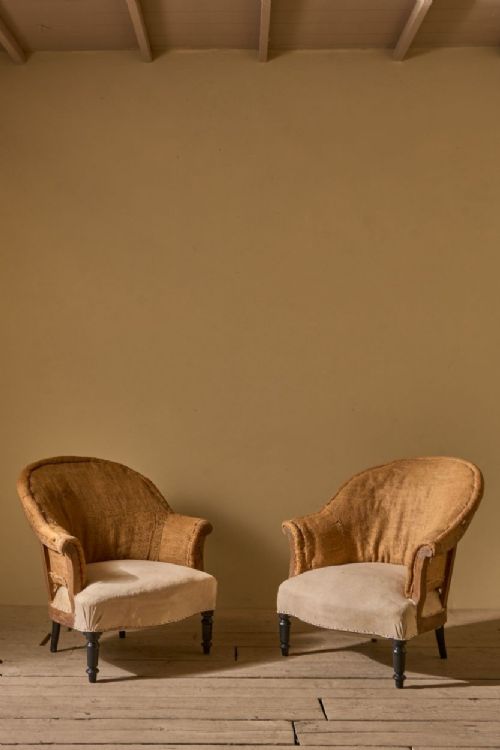
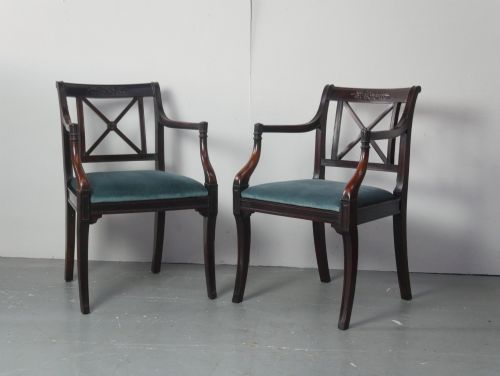
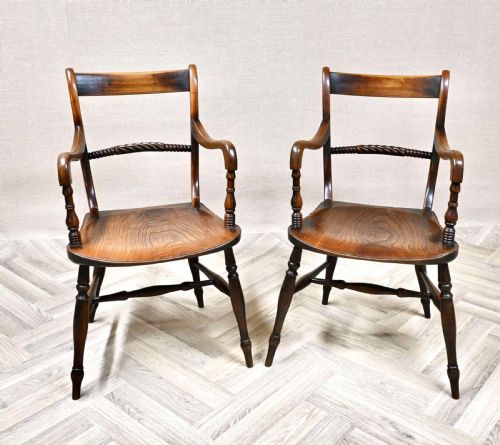
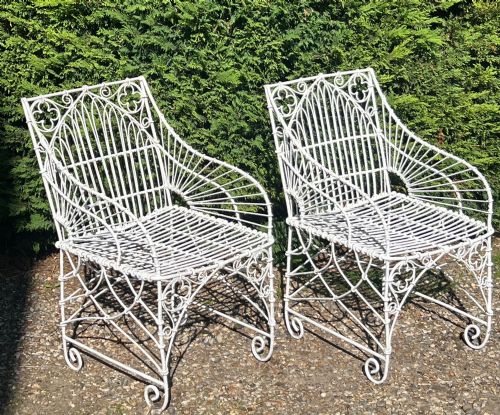
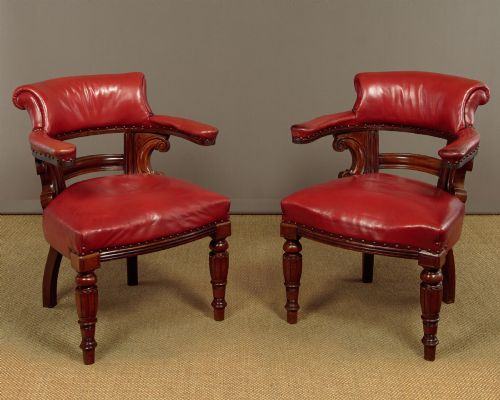
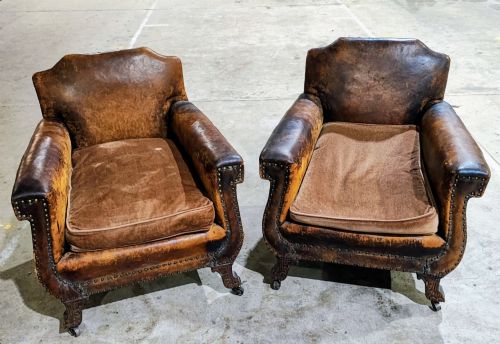
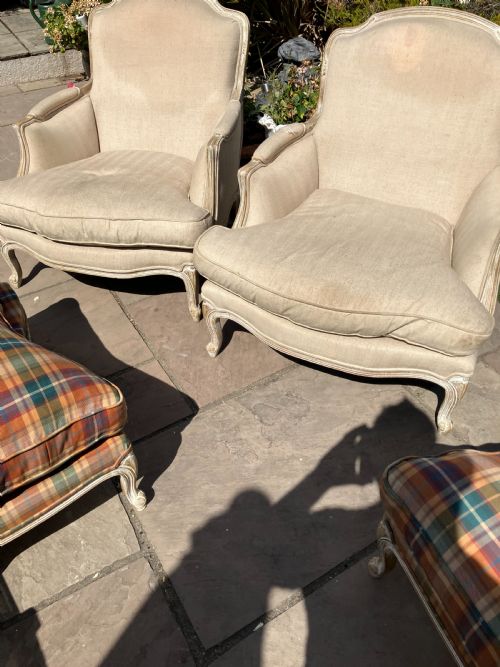
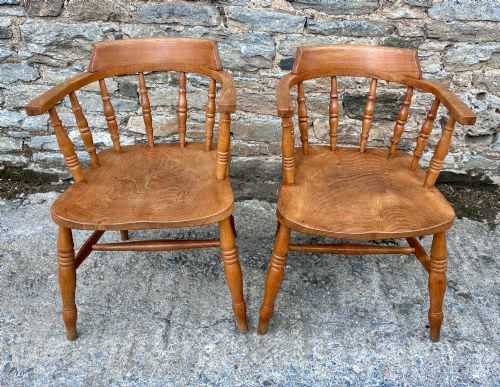
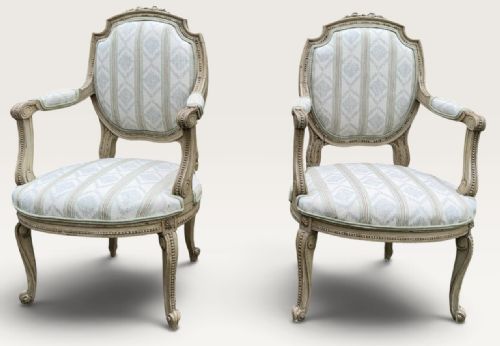
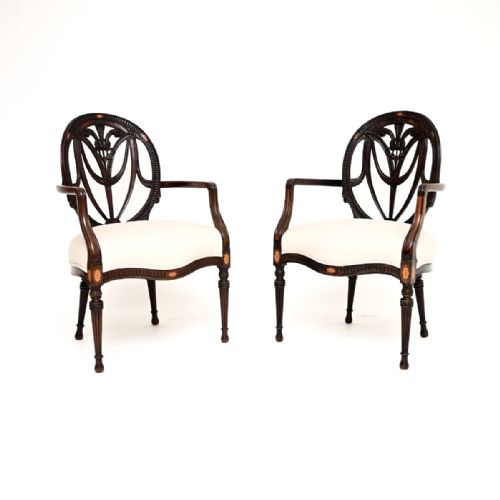
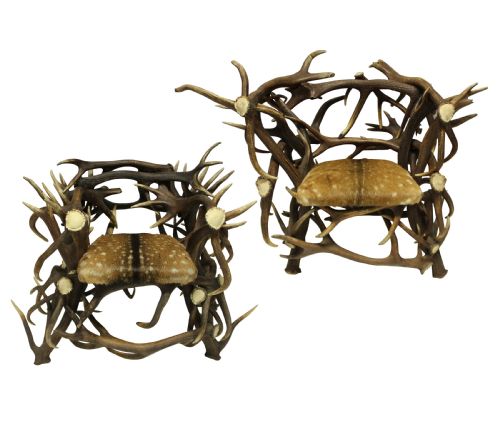
These pair of vintage armchairs bring symmetry and character to a room, offering matched seating from periods ranging through the nineteenth and twentieth centuries.
Pair of Vintage Armchairs
A pair of vintage armchairs comprises matched dual seating options designed for comfort and proportion in reception rooms, libraries, and parlours. These items emerge across diverse historical periods, encompassing nineteenth-century iterations alongside early twentieth-century designs.
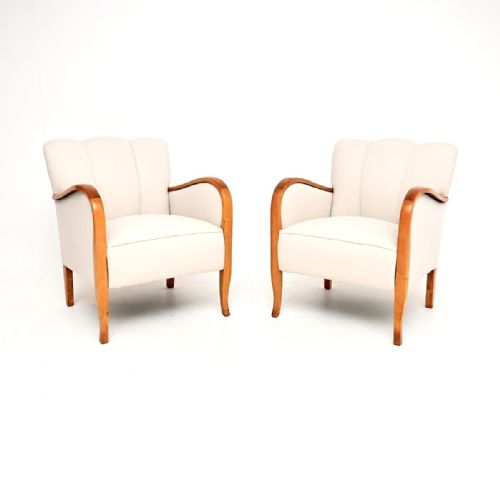
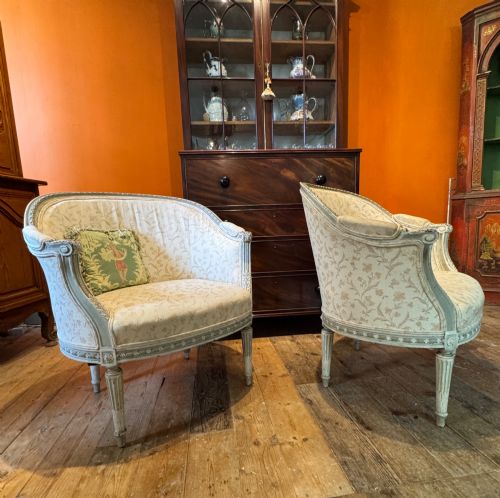
The selections span distinct stylistic traditions, including French models, Swedish Art Deco creations, and traditional English club or wing chairs. Buyers frequently encounter variations utilising mahogany, walnut, oak, and leather.
Object types within this category extend from heavy library armchairs and Chesterfield club chairs to lighter open armchairs and carved walnut frames. Such seating accommodates varied interior schemes through distinct regional and period aesthetics.
Construction and materials
Frames rely upon traditional timbers such as mahogany, walnut, oak, elm, and birch, often shaped through carving or steam bending. Joinery methods reflect the period of origin, securing structural stability for daily use.
Upholstery incorporates traditional fillings paired with leather, velvet, fabric, or rexine, occasionally complemented by exposed cane work or original paint finishes. Brass detailing and gilt highlights appear on specific revival and continental models.
Some chairs retain their original paint finish, bearing the quiet evidence of past drawing rooms and long-forgotten conversations.
Assessing quality and craftsmanship
The standard of carving and the integrity of the timber frame dictate the primary tier of craftsmanship in these chairs. Original surface treatments, such as early paint layers or patinated leather, distinguish superior examples from heavily restored counterparts.
Proportion and execution within specific stylistic revivals determine the refinement of the piece, where balanced lines and harmonious wood grains elevate the design.
The Pair of Vintage Armchairs Glossary
- Bergere
- An enclosed upholstered armchair with wooden framing, often featuring cane work to the sides and back. This form gained prominence in eighteenth-century France and inspired later revival pieces.
- Club Chair
- A deep, low-slung armchair traditionally upholstered in leather. These pieces prioritise heavy padding and relaxed seating postures.
- Wing Chair
- An armchair featuring high backrests with projecting side panels designed to shield the occupant from draughts. Early versions frequently incorporate scroll arms and deep cushioning.
- Satin Birch
- A pale, figured timber utilised extensively in twentieth-century Scandinavian furniture design. It provides a distinct contrasting grain pattern on modernist frames.
- Rexine
- A branded leathercloth material utilised as an upholstery substitute during the early twentieth century. It offers a durable, wipeable surface found on commercial and domestic seating.
Pair of Vintage Armchairs: Frequently Asked Questions
How do I care for antique leather armchairs?
Leather upholstery benefits from regular dusting and occasional treatment with appropriate conservation balms to maintain flexibility. Keeping these chairs away from direct heat sources prevents the hide from drying and cracking over time.
Ensuring consistent indoor humidity levels preserves both the leather surface and the underlying wooden framework. Gentle cleaning avoids the degradation of original patination.
What defines Art Deco armchairs?
Art Deco armchairs emphasise streamlined geometric forms, symmetric silhouettes, and the use of exotic or blonde timbers like satin birch. These pieces date predominantly from the 1920s and 1930s, reflecting modernism and luxury.
Craftsmen often paired these polished wooden frames with contrasting leather or velvet upholstery. The style bridges traditional comfort with forward-looking industrial design.
Are these chairs suitable for daily use?
Most antique armchairs function well for everyday seating provided their internal webbing, springs, and frame joints remain stable. Professional reupholstery can reinforce structural integrity without altering the external historic appearance.
Selecting models with sturdy hardwood frames ensures they withstand regular sitting. Buyers should assess the seat height and depth to match personal comfort requirements.
How can I identify the period of a chair?
Dating relies upon observing characteristic stylistic traits, wood types, and construction techniques associated with specific decades or centuries. For instance, satin birch frames often point towards 1930s Scandinavian production, whilst heavy mahogany carving suggests nineteenth-century revival work.
Examining the underside, joinery marks, and fastening types provides further clues regarding age. Comparing the overall silhouette against documented historical periods clarifies the origin.