
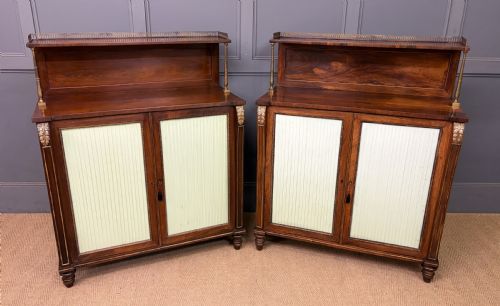


Pair of Regency Cabinets
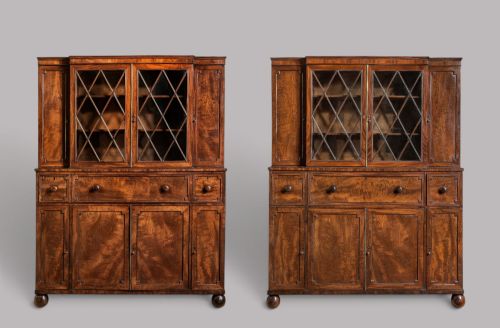
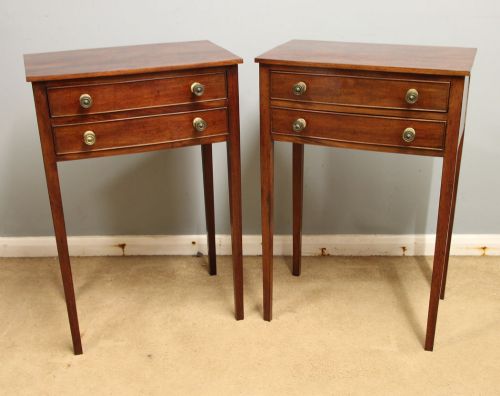
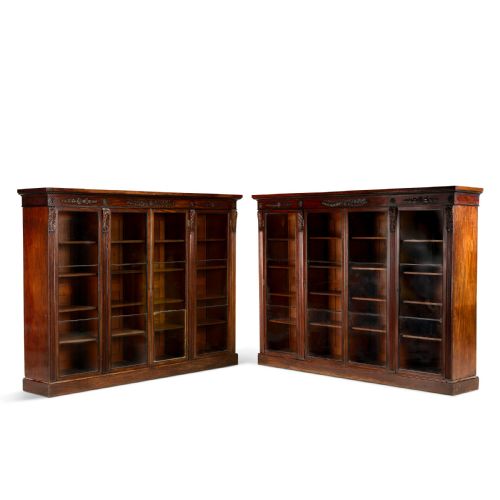
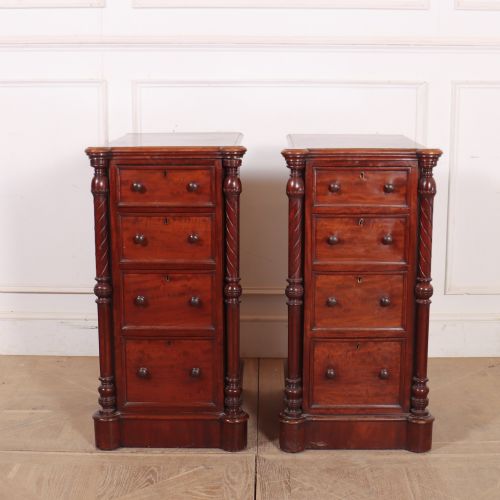
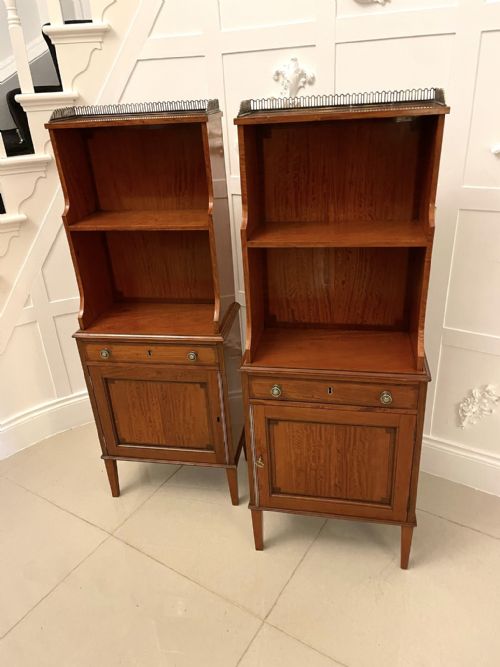
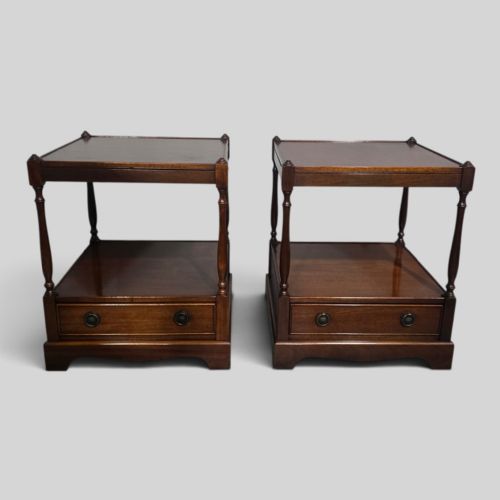
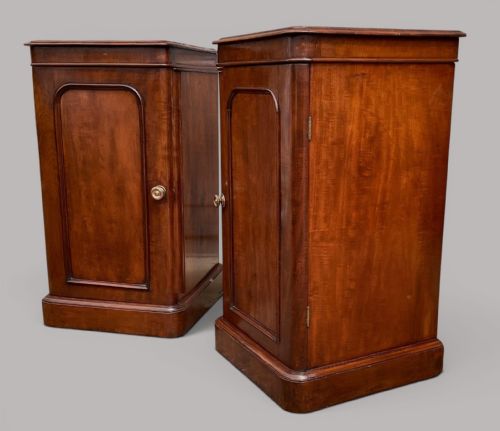
A pair of regency cabinets brings symmetrical balance and refined timber grain to a room, offering enclosed storage with distinct period character.
Pair of Regency Cabinets
When searching for a pair of regency cabinets, buyers encounter forms ranging from bedside cupboards and pedestal cabinets to larger side cabinets and bookcases made during the nineteenth century. The majority of pieces meeting this description are constructed from dense, figured timbers designed to flank a fireplace or bed.
Makers and workshops of the period produced these symmetrical items to function as practical storage units while maintaining clean architectural lines. Alongside authentic period examples, later interpretations from the nineteenth and twentieth centuries appear frequently on the market.
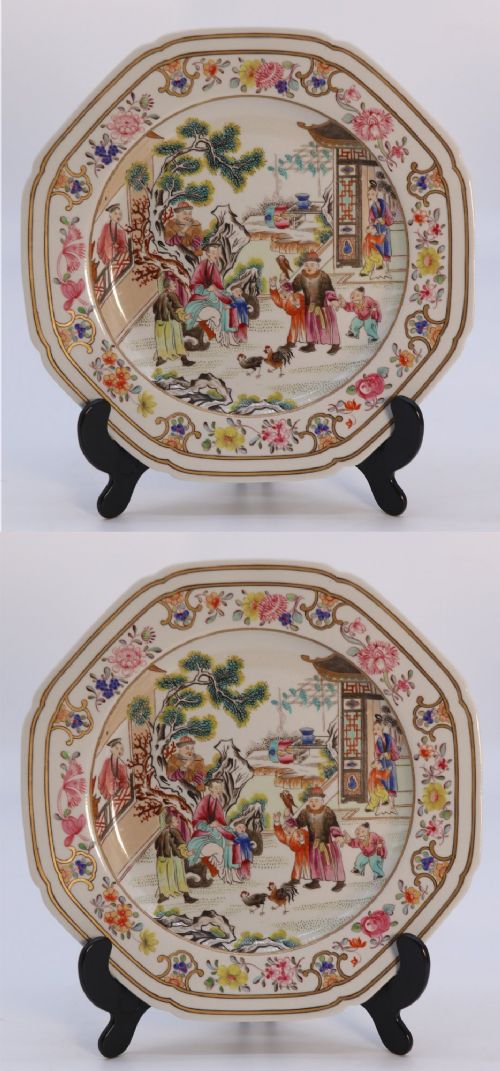
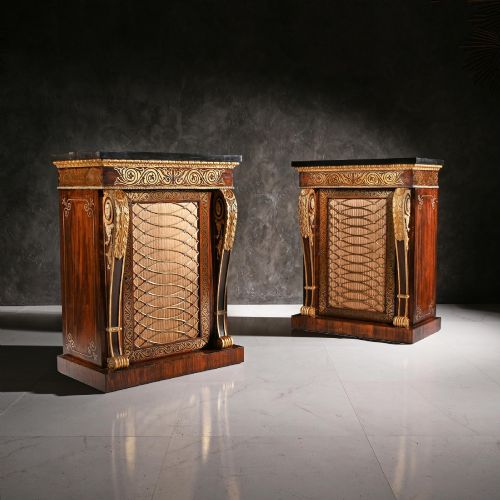
The selection includes variations in timber choice, from rich flame mahogany to dark rosewood, often embellished with brass inlay or gilt mounts. Each configuration serves a specific domestic function, whether housing books, displaying porcelain, or concealing bedside items.
How they were made
Cabinet makers utilised solid timbers overlaid with carefully selected veneers, such as flame mahogany and rosewood, to create striking grain patterns across the front doors and top surfaces. Carcases were joined using traditional methods that ensured stability over centuries of use.
Decoration relied heavily on contrasting details, including brass stringing, Ormolu mounts, and fine crossbanding in satinwood or ebony. The application of gold leaf and subtle carved elements added depth without overwhelming the linear geometry characteristic of the period.
The recorded inventory spans mahogany, rosewood, and satinwood, frequently enhanced with brass inlay and porcelain accents.
What varies in quality
The standard of a piece depends heavily on the selection of timber veneers and how symmetrically the grain patterns are matched across a pair. Superior workshops employed dense, highly figured wood and executed brass inlay with precise, tight joints.
Interior construction also distinguishes finer examples, where secondary woods are neatly finished and drawer linings show careful dovetailing. The crispness of carved details and the originality of the brass handles further separate standard production from master workshop output.
Gillows·Holland and Sons·Louis Constantin Le Gaigneur·Marsh and Tatham·Spode·Barr, Flight and Barr
The Pair of Regency Cabinets Glossary
- Regency
- A British design era spanning the early nineteenth century defined by classical restraint, architectural proportions, and archaeological influences. It draws inspiration from Greek, Roman, and Egyptian motifs.
- Flame mahogany
- A veneer cut from the fork of a mahogany tree where the grain twists to create a flickering, flame-like pattern. This decorative wood was favoured for principal cabinet doors.
- Crossbanding
- A narrow strip of veneer laid around the border of a panel so that its grain runs at right angles to the central wood. It provides a neat framing effect on table tops and cabinet doors.
- Ormolu
- Gilded bronze used for decorative mounts, feet, and keyhole escutcheons on high-end furniture. The technique involves applying a mercury and gold amalgam to cast bronze.
- Pedestal cabinet
- A tall, freestanding cupboard designed to stand alone or support a lamp, usually featuring a single door enclosing shelves. These items frequently appear as matching pairs for bedroom or parlour use.
Pair of Regency Cabinets: Frequently Asked Questions
How do I use these cabinets in a modern home?
These pieces function effectively as bedside tables, lamp stands, or low sideboards in living spaces, providing practical enclosed storage. Their restrained proportions allow them to sit comfortably against contemporary walls while introducing warmth through aged timber.
Placing items with contrasting brass details or dark rosewood surfaces adds texture and historical contrast to neutral interior schemes.
How do I distinguish original period pieces from later revivals?
Authentic nineteenth-century examples show construction methods appropriate to the era, such as hand-cut dovetails and timber shrinkage consistent with age. Secondary woods inside drawers and backboards typically consist of oak or pine rather than modern manufactured boards.
Revival pieces from later decades often display machine-made uniformity in their secondary timbers and fasteners while mimicking the earlier classical forms.
What is the difference between mahogany and rosewood cabinets?
Mahogany cabinets generally feature a reddish-brown tone with straight grain or dramatic flame patterns, lending a warm and substantial appearance to a room. Rosewood provides a heavier, darker surface with distinct purple-brown figuring and oilier natural properties.
Both timbers were polished to a high finish, but rosewood pieces frequently incorporated contrasting brass inlay to brighten the deeper colouration.