


Pair of Original Paintings
A pair of original paintings brings balanced harmony to a wall through matching subjects, frames, and hands.
Pair of Original Paintings
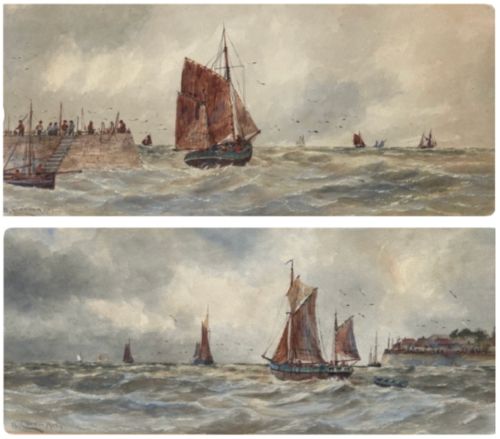
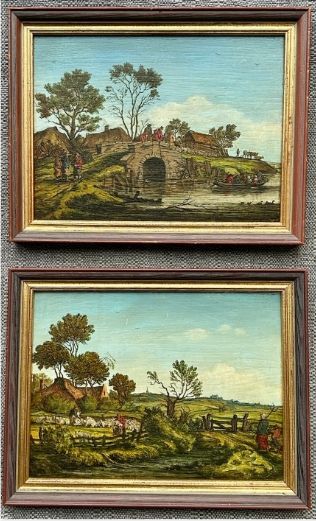
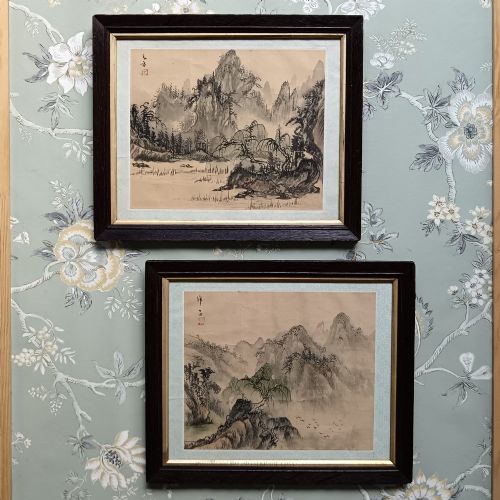
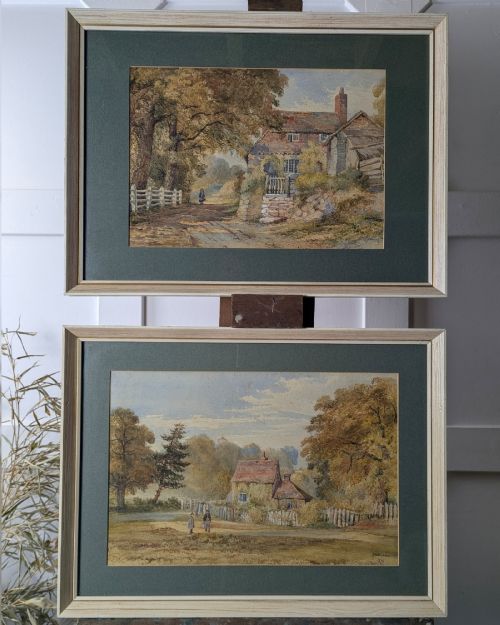
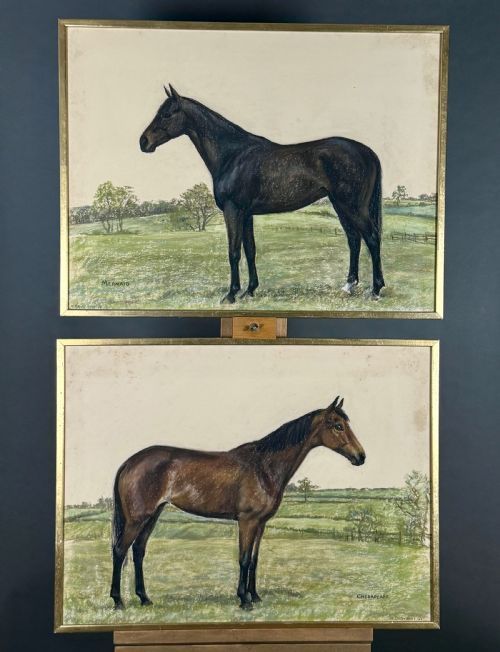
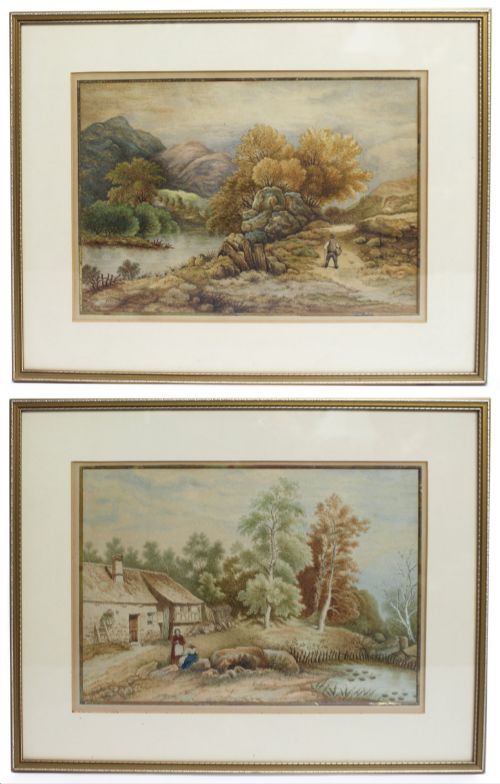
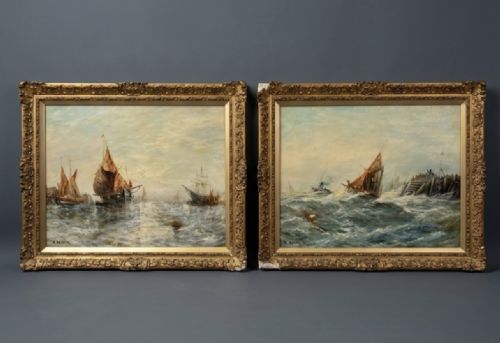
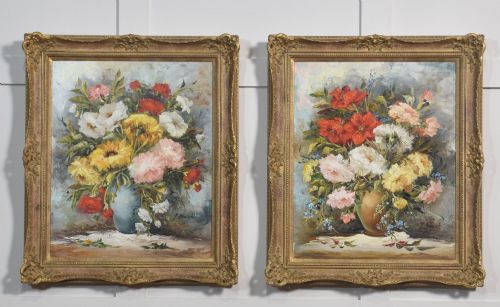
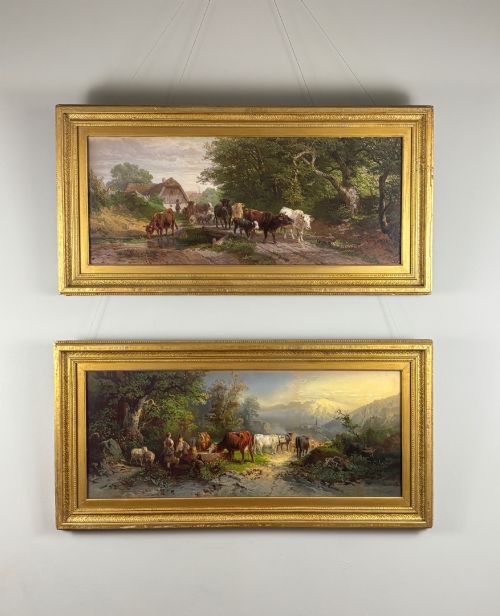
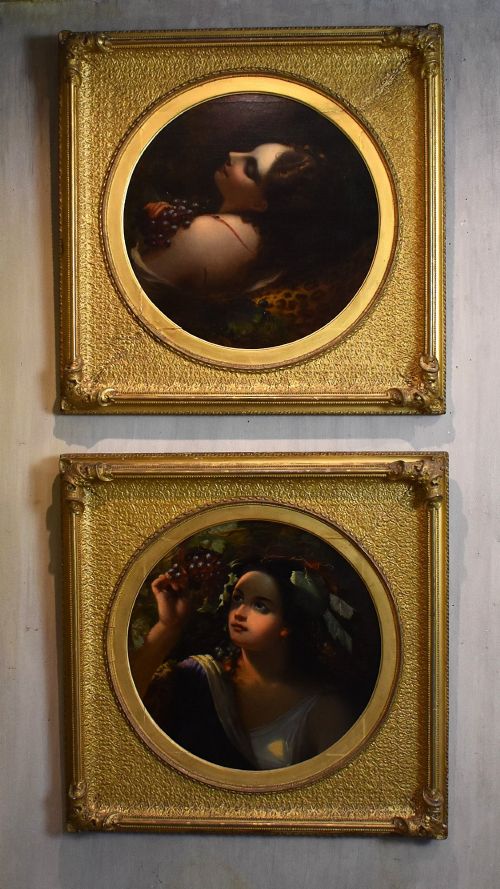
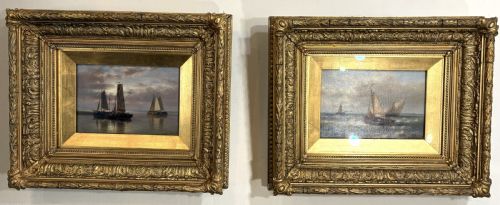
A pair of original paintings consists of two complementary artworks created by the same hand, designed to hang together as a matched set. These works span subjects from coastal seascapes and rural landscapes to architectural views, still lifes, and portraits.
Most examples found here date from the nineteenth century into the mid twentieth century, reflecting Victorian and Edwardian tastes. They frequently arrive in period wooden or gilt frames that complement the scale and palette of the artwork inside.
The format naturally suits symmetrical placement on either side of a fireplace, doorway, or architectural feature. Buyers seek them to secure a visually balanced composition that single artworks struggle to provide on their own.
Materials and methods
Artists painted these works using oil on canvas, wood panels, or boards, alongside watercolours and pastels applied to paper. Oil paint allowed for rich layering and deep pigments, whereas watercolour required swift, precise application on absorbent grounds.
Many works retain their original protective glass, mounts, and carved gilt wood or ebonised frames. These housings protect the fragile paper or canvas while adding structural weight and period character to the set.
Listings feature works executed in oil, watercolour, pastel, and silk across the nineteenth and twentieth centuries.
Judging quality in matched pairs
Quality rests on the consistency between the two pieces, as a true pair requires equal mastery of touch across both surfaces. When one panel shows weaker draftsmanship or hurried execution compared to its companion, the harmony of the set diminishes.
The condition of the medium and support also dictates value, with undisturbed original frames and stable pigment layers holding greater appeal. Works that retain clear signatures, dates, and legible provenance carry distinct advantages over unsigned or heavily restored examples.
Theodore Jensen·Abraham Hulk I·Gustave De Bréanski·John Grenville Fennell·Daniel Sherrin
The Pair of Original Paintings Glossary
- Diptych
- A painting or carving made of two hinged or associated panels that form a single artwork. This format was historically used for altarpieces but appears in secular art as matched companion pieces.
- Gilt wood
- Wood that has been coated with a thin layer of gold leaf or gilt paint. It is commonly found on traditional frames designed to catch candlelight or natural illumination.
- Provincial
- Pertaining to art produced in the regions away from a capital city. These works often display charming local characteristics rather than academic polish.
- Impasto
- Paint applied thickly to a canvas so that it stands out in relief. This technique adds tactile texture and catches light across maritime and landscape scenes.
- Provenance
- The documented history of ownership of an artwork. A clear chain of custody helps confirm attribution and authenticity.
Pair of Original Paintings: Frequently Asked Questions
How do I hang a pair correctly?
Hang the two works at eye level with equal spacing between them to maintain visual balance. Matching frames allow them to act as a single compositional unit on the wall.
Ensure the stronger light source in the room complements the direction of the light painted within the scenes.
Were these always sold together?
Most pairs were conceived, executed, and framed together by the artist to satisfy a specific commission or exhibition demand. Their matching dimensions and shared palette confirm their initial unity.
Over the decades, some matched works became separated, making the survival of an original pair notable for collectors.
Can I reframe them safely?
Replacing original frames is generally discouraged because period mouldings form an integral part of the piece's historical context. Many buyers specifically seek out works housed in their original gilt or ebonised surrounds.
If framing requires repair, consult a conservator who understands historical gilding and wooden joinery.
What subjects are most common?
Landscapes, coastal views, and maritime scenes dominate this category, reflecting Victorian and Edwardian preferences for nature. Floral still lifes and architectural studies also appear regularly across the selection.
Artists frequently painted contrasting weather or opposing times of day within the same matched set.