

Pair of Oak Cabinets
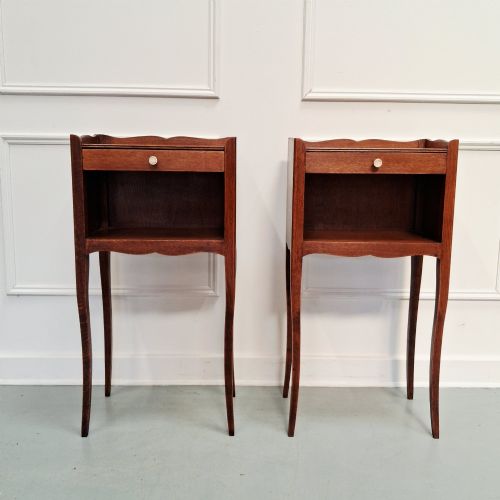
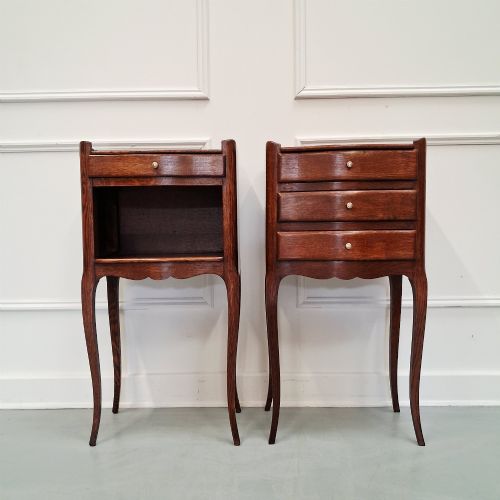
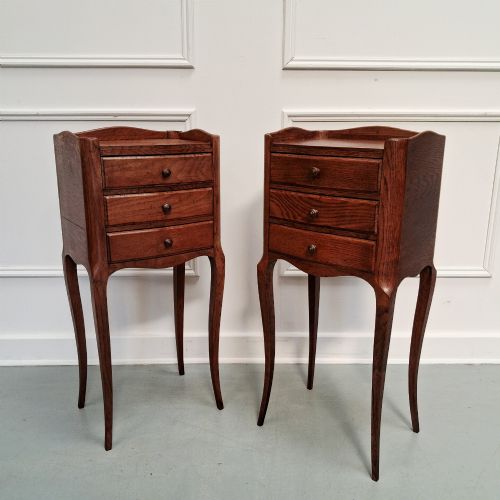
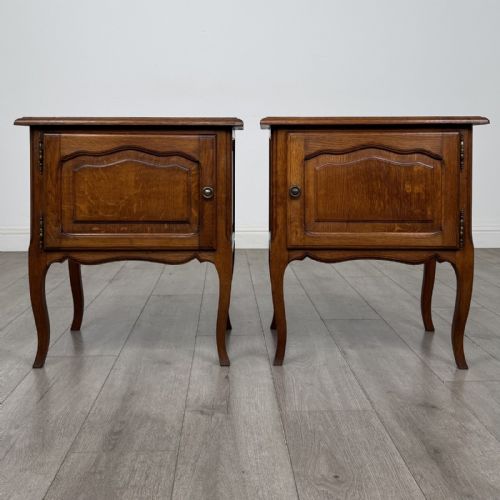
A pair of oak cabinets brings matched timber grain and storage to a room, spanning French Provincial forms, bedside chests, and bookcases.
Pair of Oak Cabinets
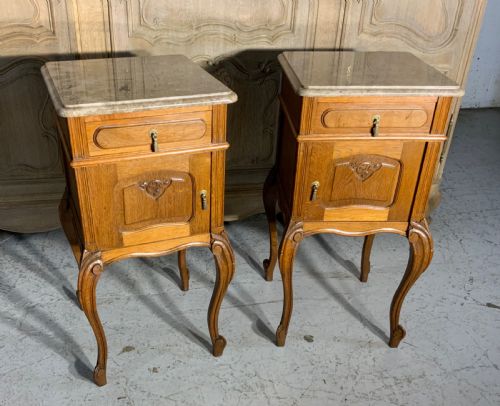
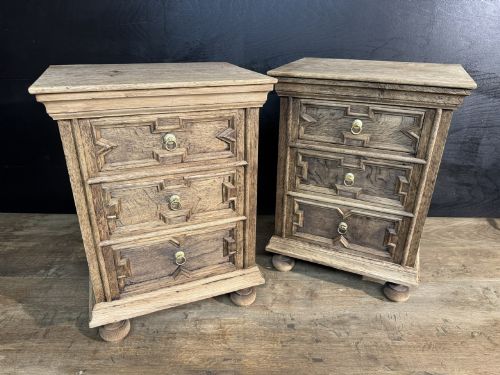
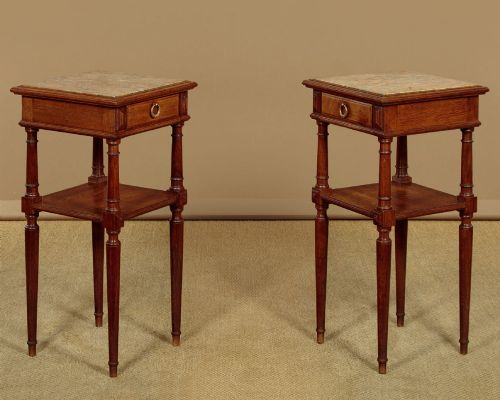
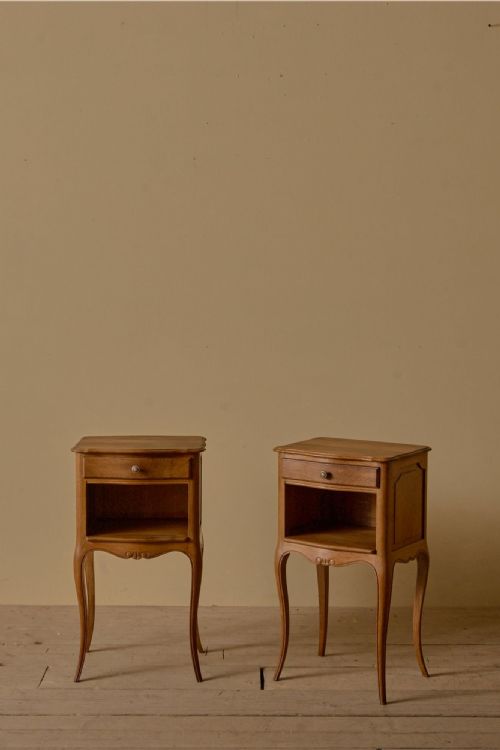
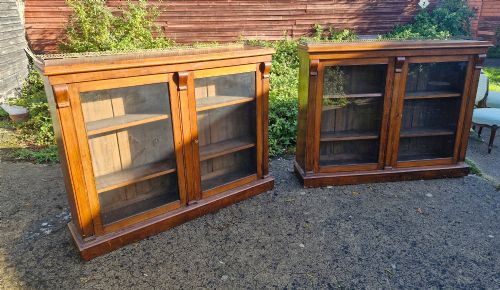
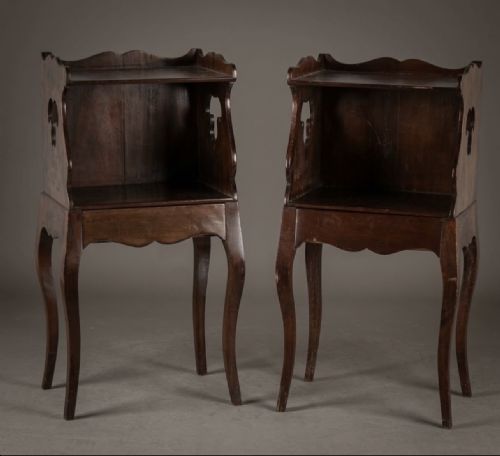
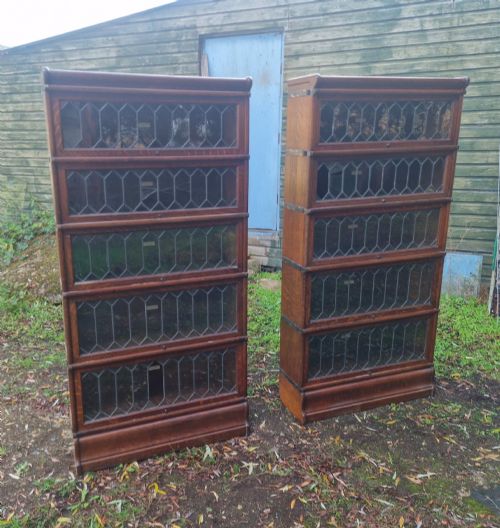
A search for a pair of oak cabinets most frequently leads to bedside tables, nightstands, and small chests originating from the Victorian period through to the mid-twentieth century. French Provincial and Art Deco influences appear regularly among these matching sets, alongside occasional open bookcases and modular Globe Wernicke designs.
The materials span solid timbers and fitted tops, with oak paired with contrasting marble or glass. Many examples originate from the 1920s and 1930s, displaying regional European preferences such as bleached finishes, cabriole legs, or carved panels.
Materials and construction methods
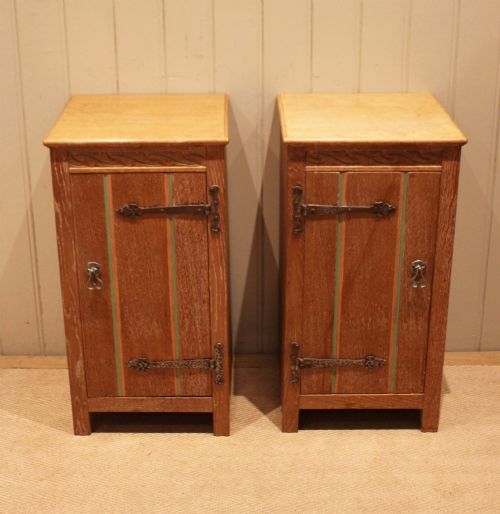
Carpenters utilised solid oak alongside pine and walnut, sometimes applying surface treatments like liming or bleaching to alter the tone of the wood. Natural grain patterns remain a primary decorative element across the panels, doors, and tabletops.
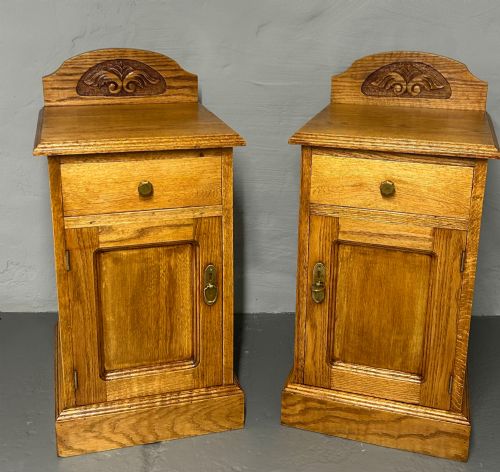
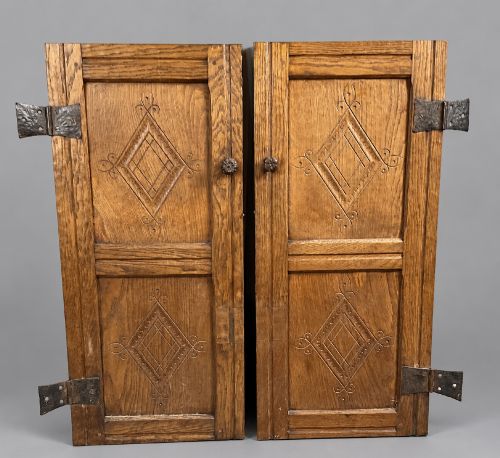
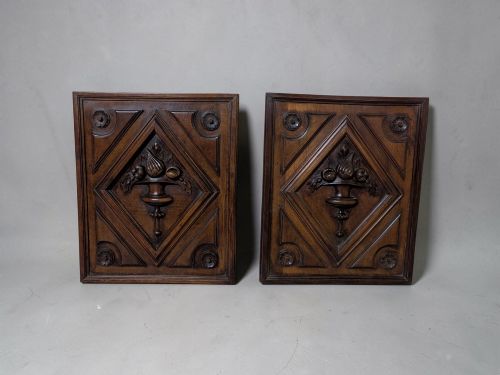
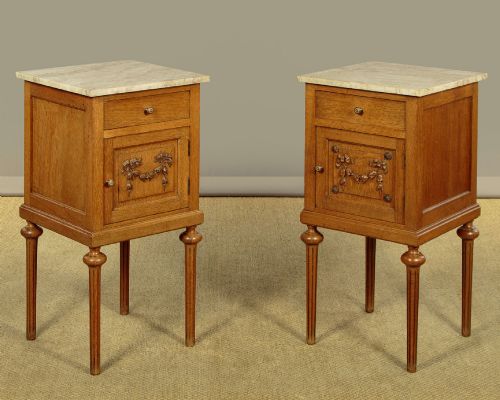
Hardware elements introduce contrasting textures through brass handles, wrought iron fittings, and leaded glass panes. Selected pieces incorporate fitted marble tops or carved ornamentation executed directly into the timber frame.
Pair of Oak Cabinets Retail Price Guide 2026
Typical asking prices for pair of oak cabinets among the pieces listed under this phrase on Sellingantiques today, from the lower quarter to the upper quarter. They describe what is for sale here now, not the wider market.
The listings on this site encompass oak, walnut, marble, and wrought iron across pieces dating from the Victorian era to the 1950s.
Distinctions in craftsmanship
Quality rests in the precision of the timber matching across both units, ensuring the grain patterns complement one another rather than appearing mismatched. Superior execution shows in the crispness of carved details and the stable alignment of doors and drawers.
The integration of auxiliary materials such as marble inserts or brass hardware dictates the standard of finish. Original components and uniform surface treatments distinguish pieces that retain their period integrity from later alterations.
William Bird MD FLS
The Pair of Oak Cabinets Glossary
- Bleached oak
- Timber treated to lighten its natural warm hue, producing a pale finish popular in twentieth-century French furniture design.
- Cabriole leg
- A furniture leg featuring a double curve, typically arching outward and then tapering down to a pad or scroll foot.
- Globe Wernicke
- A modular bookcase system comprising stacked, glazed sectional units designed to interlock.
- Limed oak
- Wood treated with a pigmented paste rubbed into the grain pores to create a frosted contrast against the darker timber.
- Jacobean
- A seventeenth-century style distinguished by dark, heavy oak and geometric rectilinear carving, often revived in later Victorian and Edwardian manufacturing.
Pair of Oak Cabinets: Frequently Asked Questions
What periods do these cabinets represent?
The listings span from the nineteenth century through the Victorian era into the 1920s, 1930s, and 1940s. Edwardian and Art Deco movements are strongly represented.
French Provincial and Gothic Revival styles also appear frequently among the surviving examples recorded here.
How were bedside cabinets used originally?
These small storage items sat beside sleeping quarters to hold chamber pots, personal items, or reading lamps. Their enclosed cupboards kept private belongings out of sight.
Over time, their role shifted primarily to nightstands supporting lighting and bedside accessories.
Do matching pairs originate together?
Most sets were manufactured as uniform pairs sharing identical dimensions, timber selection, and carved motifs. This symmetry suited formal bedroom layouts.
Occasional groupings reflect items produced in tandem to flank a bed or fireplace.
What finishes appear on the wood?
Surfaces exhibit natural polished oak, alongside limed and bleached treatments designed to lighten the appearance of the timber. Some iterations incorporate contrasting marble slabs or glass panels.
Metal elements such as brass and wrought iron provide additional structural and decorative contrast.