




Pair of Iron Firedogs
These heavy metal supports hold burning logs above the hearth, and a pair of iron firedogs brings functional strength and period character to any fireplace.

Pair of Iron Firedogs
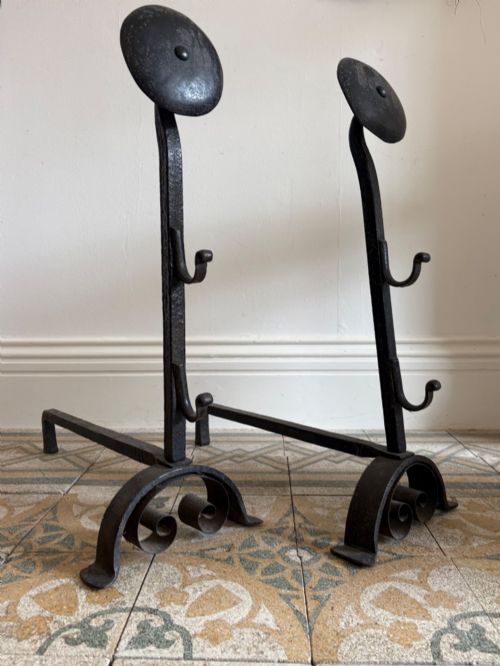
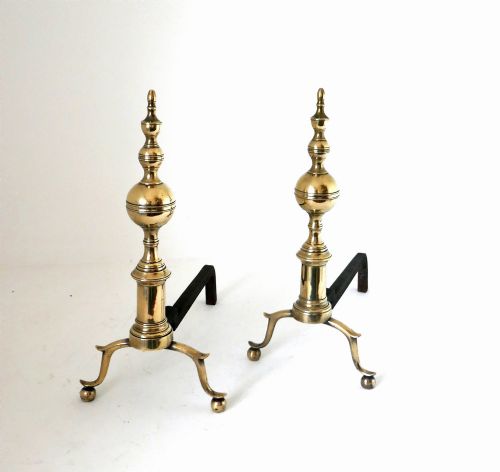
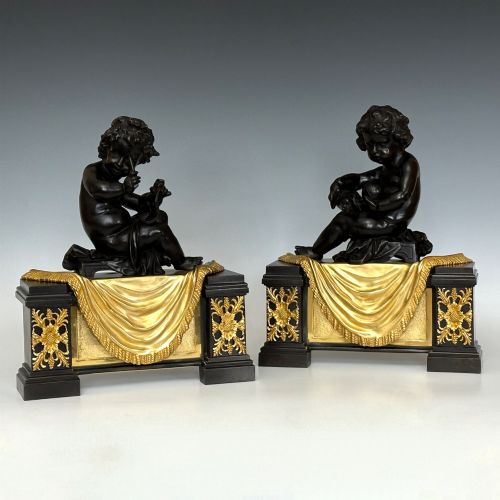
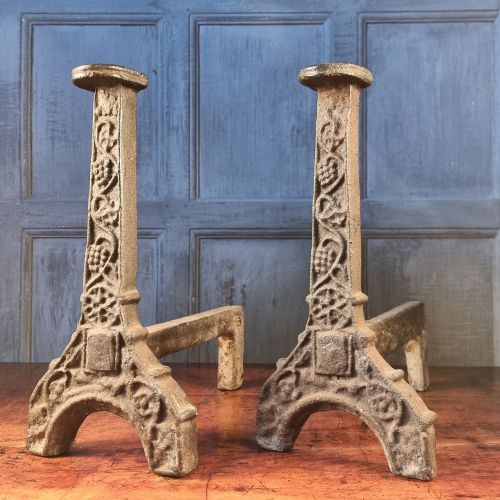
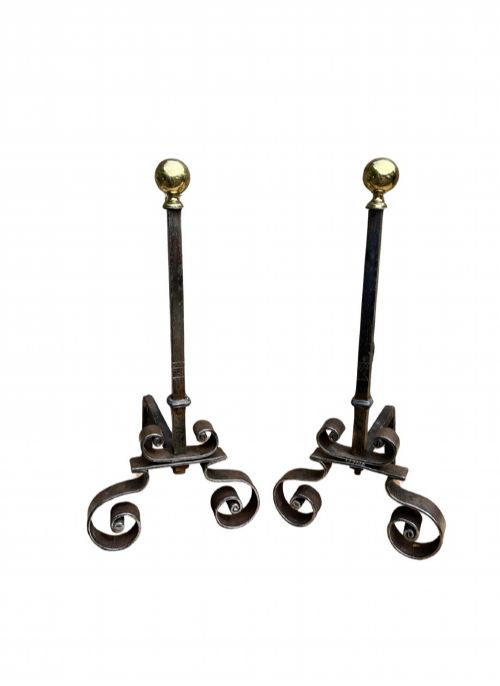
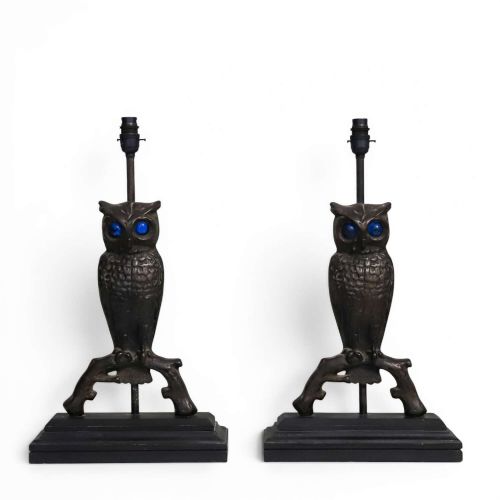
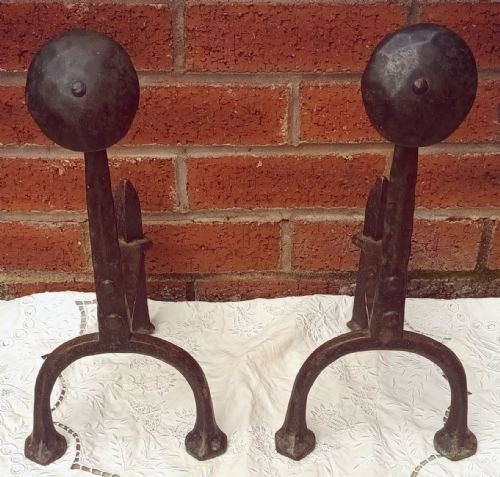
When you search for a pair of iron firedogs, you encounter sturdy hearth furniture designed to elevate fuel for better airflow and combustion. The selections span centuries of domestic design, with Victorian and Arts and Crafts examples appearing frequently alongside earlier forged forms.
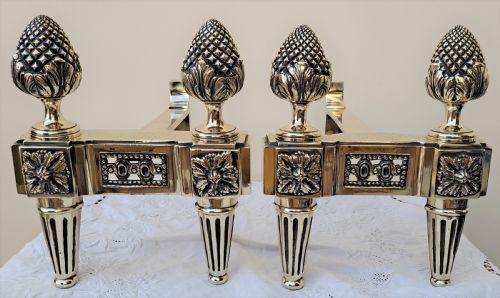
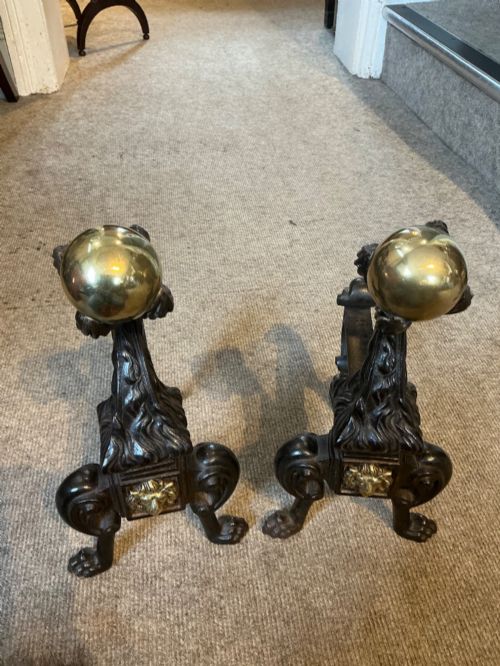
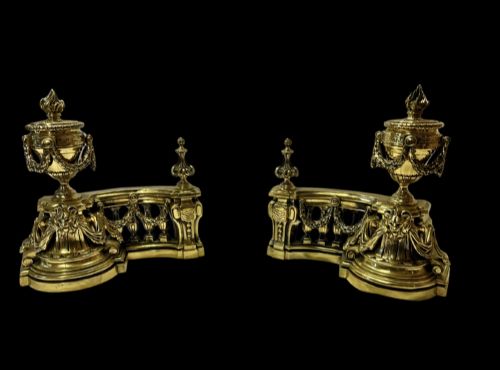
Makers shaped these supports for active hearths, employing durable metals to withstand intense heat. Alongside plain utilitarian forms, the selection includes decorative variations incorporating brass, bronze, and ormolu mounts influenced by Gothic Revival and French styles.
What varies in quality
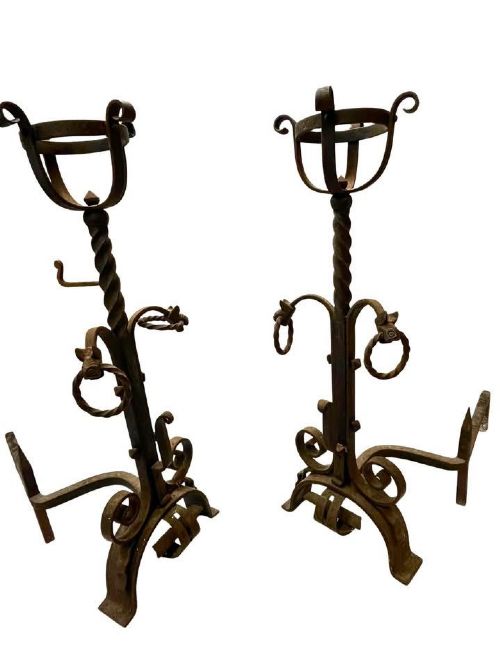
The distinction lies in the weight of the metal and the crispness of the hand-forged or cast details. Superior examples display clean lines, well-proportioned uprights, and securely integrated billet bars that show genuine structural integrity rather than decorative weakness.
Workmanship in the mounts and decorative elements separates standard production from finer output. Pieces featuring finely chased bronze, substantial brass finials, and careful hand-finishing represent the upper tier of hearth accessories.
James Cartland & Sons
The Pair of Iron Firedogs Glossary
- Firedog
- A horizontal metal bar supported on legs, used in pairs to hold logs in an open fireplace. They are also frequently known as andirons.
- Chenet
- The French term for a firedog, often highly decorative and featuring bronze or ormolu mounts. These ornate versions were prominent in formal European drawing rooms.
- Billet bar
- The horizontal branch extending backward from the upright standard to support the fuel logs. This essential component bears the direct weight of the burning wood.
- Wrought iron
- Iron that has been heated and shaped with tools by a blacksmith. This material possesses a fibrous structure visible as subtle grain lines on the surface.
- Ormolu
- Gilded bronze used for decorative mounts on fine furnishings and hearth equipment. The technique involves applying a gold amalgam to bronze.
Pair of Iron Firedogs: Frequently Asked Questions
What is the difference between firedogs and andirons?
The terms describe the exact same hearth furniture used to support firewood. Firedogs is the traditional British term, while andirons is more commonly used in America.
Both items perform the identical function of elevating logs above the hearth floor to improve ventilation and ash clearance.
How do I clean antique iron firedogs?
Maintenance requires gentle removal of surface dust and soot using a soft brush. Harsh chemical cleaners strip historic finishes and damage the metal.
Applying a light coat of microcrystalline wax protects iron surfaces from moisture without altering their aged appearance.
Can these be used in a working fireplace?
Solid metal construction allows most period firedogs to handle active fires safely. Checking the structural integrity of the billet bars ensures they can support the weight of logs.
Gas or decorative hearths also accommodate these pieces purely for visual display without functional heat exposure.
How do I identify the period of a pair?
Stylistic details such as Gothic Revival tracery, Aesthetic Movement motifs, or Arts and Crafts hand-forging point to specific eras. Construction methods also provide clues, as hand-hammered iron differs from later mass-produced castings.
Comparing the decorative brass mounts and overall silhouette against documented examples helps confirm the date.