



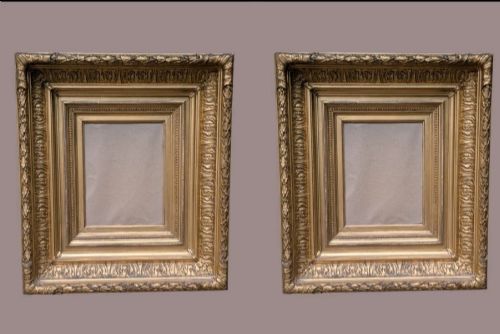
Pair of Gilt Frames
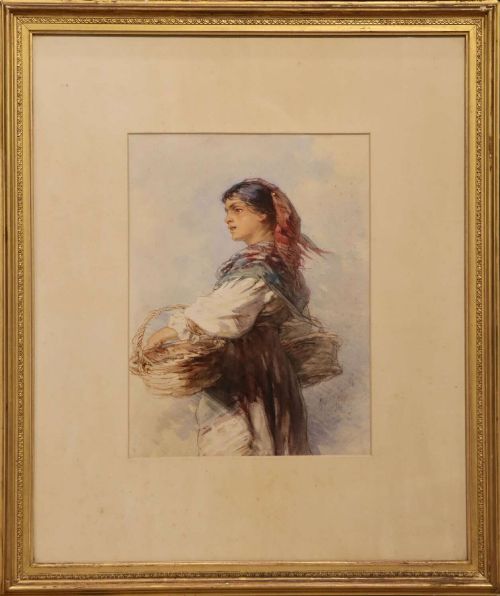
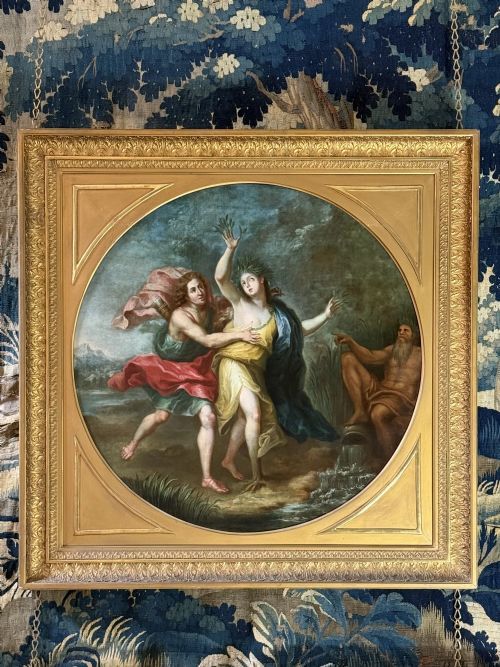
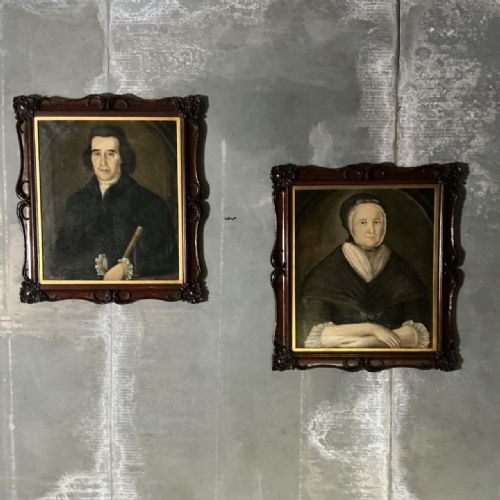
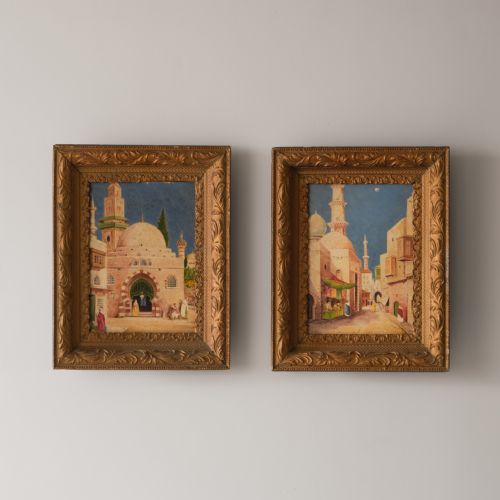
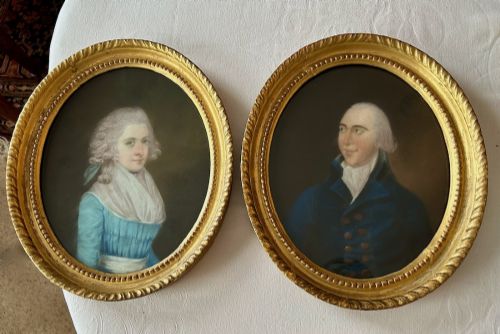
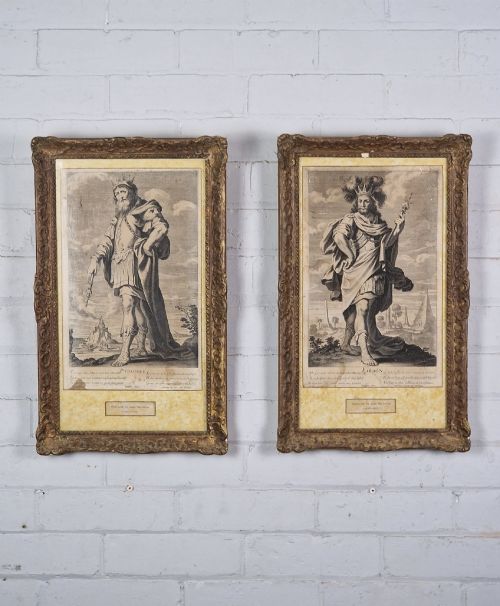
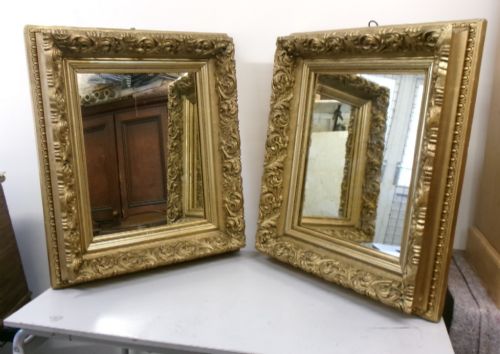
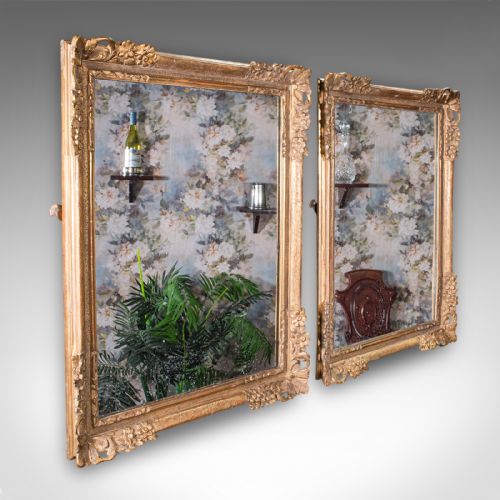
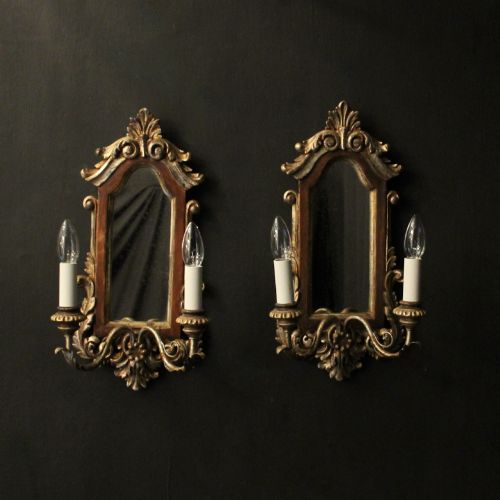
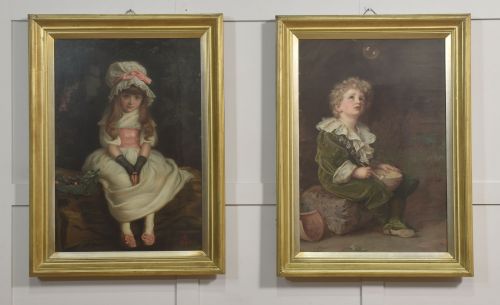
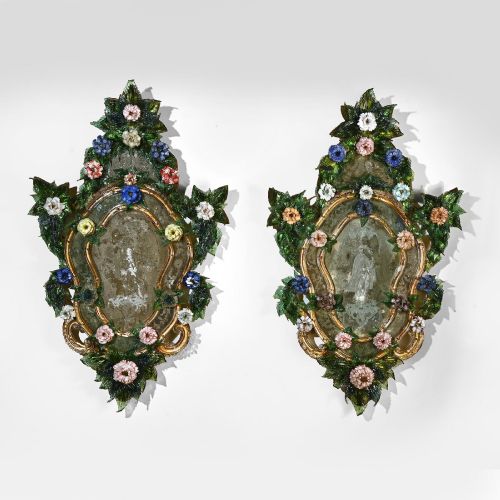
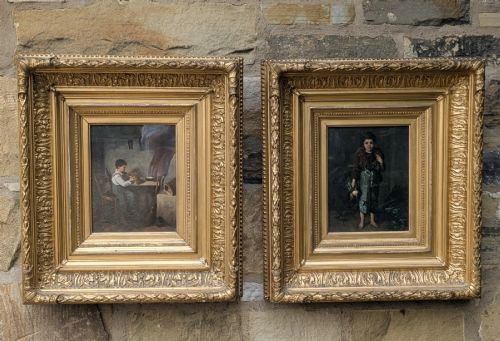
A pair of gilt frames brings symmetry to a room, enclosing oil paintings, mirrors, and engravings across Georgian, Victorian, and Regency periods.
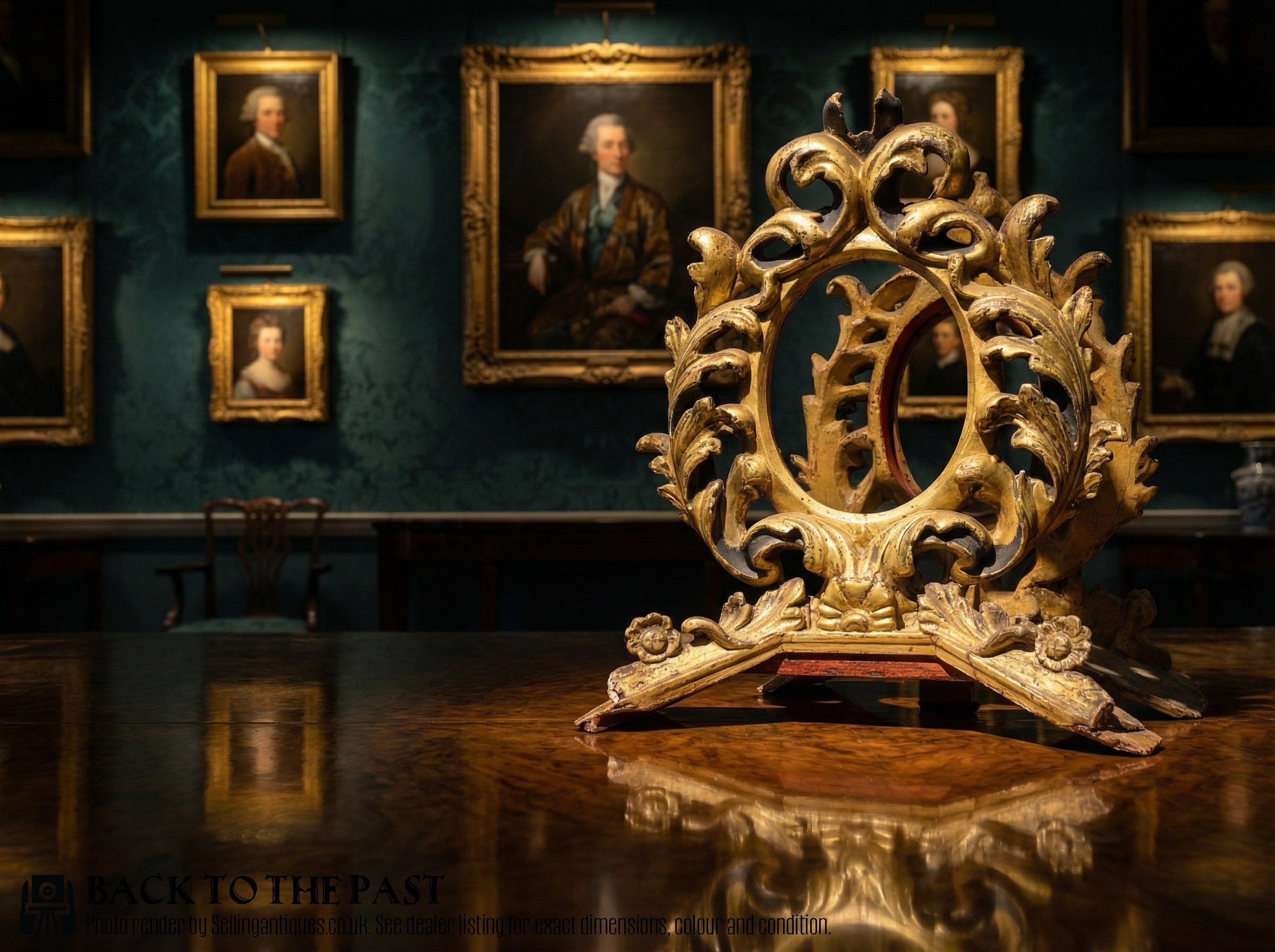
Pair of Gilt Frames
A pair of gilt frames houses matching artworks, mirrors, or empty surrounds designed to hang in balance on either side of a fireplace, door, or window.
The selections span the eighteenth, nineteenth, and early twentieth centuries, encompassing Georgian symmetry, Regency restraint, and Victorian or Rococo exuberance.
Surviving examples range from standalone decorative timber mouldings to enclosures still retaining their original portraits, watercolours, engravings, or pier glass mirrors.
Materials and construction
Carved wood provides the foundational structure for these pieces, utilising timber substrates shaped into linear profiles or elaborate ornamental motifs.
Gesso layers applied over wood create a smooth base for detail, whilst gold leaf and liquid gilding provide the reflective metallic surfaces characteristic of the finish.
Several pairs preserve portraits of children, domestic pets, and even historical birds alongside human subjects.
The markers of distinction
Depth of carving and hand-tooling distinguish superior joinery from simpler moulded production, determining how sharply light catches the relief work.
Original gilding surfaces show subtle variations in tone and wear over time, separating untouched period finishes from later interventions.
Charles Antoine Coypel·James Sharples·Thomas Frye·Adam Buck
The Pair of Gilt Frames Glossary
- Giltwood
- Wood coated with gold leaf or metallic powder. This finish defines the reflective surface of classical wall mirrors and picture surrounds.
- Gesso
- A plaster mixture applied to wooden frames before gilding. It creates a smooth, receptive layer for intricate moulded or carved details.
- Rebate
- The inner recess of a frame designed to hold the glass, canvas, or panel securely. Its dimensions determine the maximum artwork size accommodated.
- Pier glass
- A tall mirror specifically made to hang on the wall space between windows. These often feature heavy carved frames and matching console pairings.
- Intaglio
- A design carved into the surface of a material such as plaster or stone. Grand Tour examples are frequently mounted in pairs within antique enclosures.
Pair of Gilt Frames: Frequently Asked Questions
How do I hang a pair?
Symmetrical placement requires careful measurement to ensure both pieces align horizontally at eye level on either side of a architectural feature.
Matching the weight and proportions of the contents helps maintain visual balance across the wall space.
Can empty frames be used?
Empty surrounds function effectively as wall decorations on their own, highlighting the texture of the plaster and timber work.
They also offer an opportunity to insert modern mirrors or custom artwork into period housings.
How do I date a frame?
Structural clues such as corner construction, timber types, and the composition of the gesso layer provide clear indicators of period origin.
Comparing the decorative style against documented Georgian, Regency, or Victorian motifs helps narrow down the decade of manufacture.
What is swept framing?
Swept designs feature undulating, serpentine curves along the outer edges, diverging from strict rectangular geometry.
This style gained popularity during the nineteenth and twentieth centuries for housing portraits and landscape paintings.