
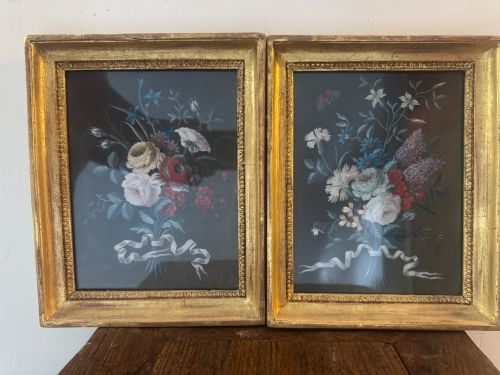
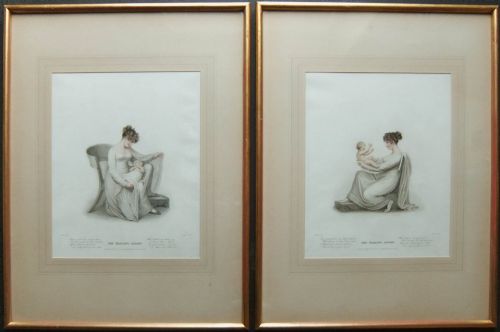
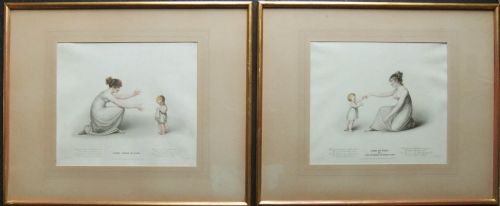
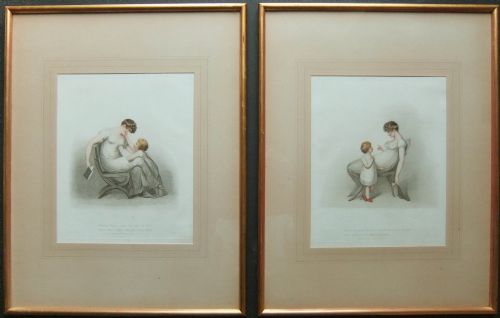

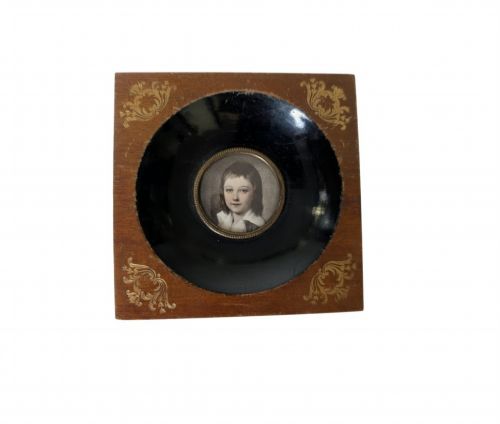
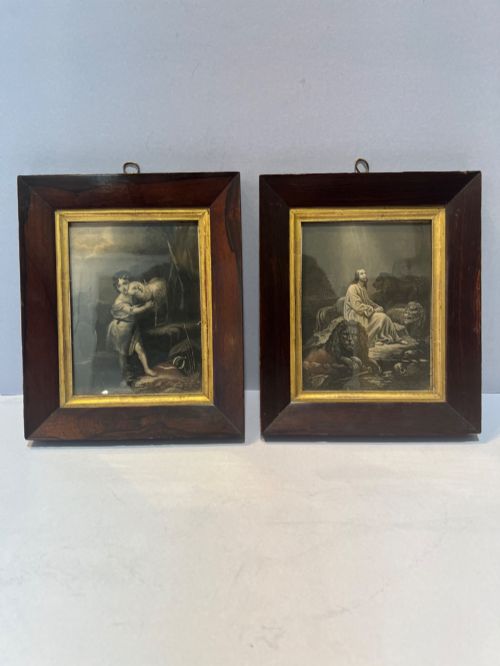


Pair of Georgian Prints
A pair of georgian prints brings symmetry and period character to a wall, matching portraits, natural history plates, or classical scenes in original frames.
Pair of Georgian Prints
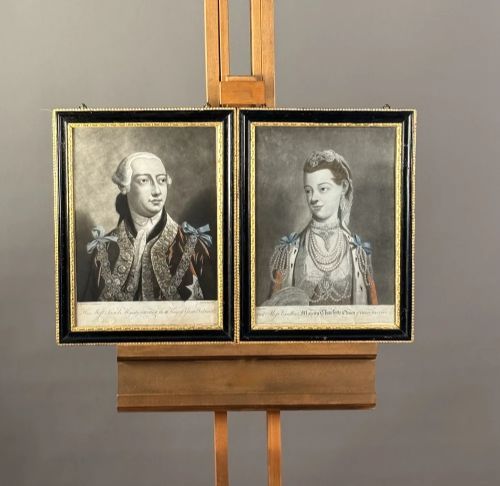
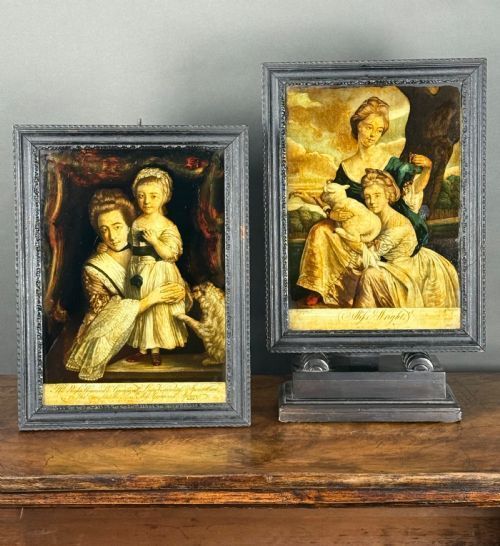
A search for a pair of georgian prints reveals matched sets of framed engravings, mezzotints, and reverse glass paintings from the eighteenth and early nineteenth centuries. These works frequently depict royal portraits, classical allegories, children, sporting scenes, and botanical or zoological subjects.
The versions most commonly met on this page span the Georgian and Regency periods, often housed in period frames of wood, giltwood, or ebonised materials with glass protection. Buyers encounter both hand-coloured plates and monochrome impressions created by prominent printmakers of the era.
Materials and production methods
The primary physical components consist of fine paper sheets bearing ink impressions from engraved copper plates, mezzotint rockers, or stipple tools. Many examples show subsequent hand-colouring with watercolours or washes applied directly to the printed surface.
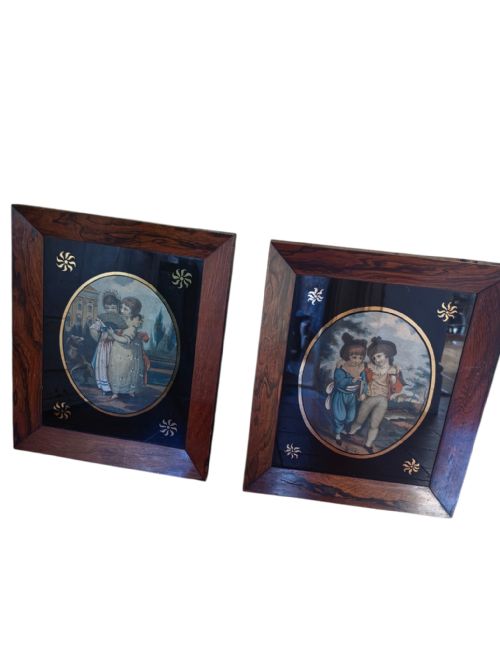
Framing materials recorded in the evidence utilise timber such as rosewood, ebonised wood, and gilt wood, frequently accented with gold leaf and brass details. Reverse glass prints involve applying paint and ink directly onto the rear of the glass panel before framing.
The listings span the eighteenth and nineteenth centuries, including specific dates such as seventeen-seventy-five and eighteen-hundred.
Distinctions in quality
Quality rests upon the crispness of the impression pulled from the copper plate and the delicacy of any hand-applied colour. Early impressions retain sharp lines and fine tonal gradations, whereas worn plates yield muddied details.
The integrity of the original framing contributes substantially to the piece, particularly when matching antique giltwood, reverse glass panels, or specific mouldings remain intact around the paper artwork.
Thomas Frye·Richard Purcell·Robert Sayer·G and J Cary·Adam Buck·Jacobus Houbraken·Claude Lorrain·John Boydell·H Alken·H Singleton·Sam Howitt·Hans Holbein·Bartolozzi
The Pair of Georgian Prints Glossary
- Mezzotint
- A printmaking process of the intaglio family where the copper plate is roughened uniformly to produce rich dark tones and subtle gradations of light. This technique allows for velvety shadows and smooth tonal transitions.
- Reverse glass painting
- An artistic method where the image is painted or printed on the back side of a glass sheet and viewed from the front. The glass acts as the protective glazing and gives the colours a luminous finish.
- Stipple engraving
- A method of dotting the copper plate with needles and roulettes to form an image through clusters of small points. It creates soft, painterly effects well suited to portraits and figural scenes.
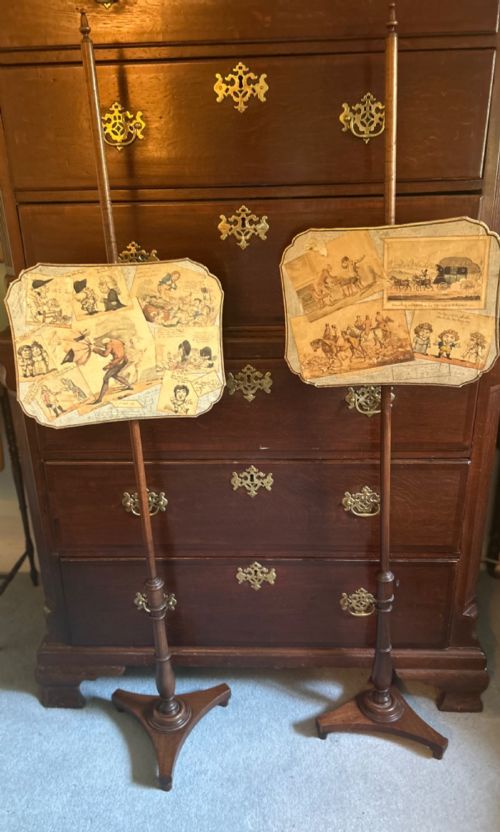
- Pole screen
- A freestanding fireplace screen featuring an adjustable panel mounted on a vertical wooden pole. The panel often displays decorative embroidery, needlework, or prints.
- Engraving
- A technique where lines are cut directly into a metal plate with a sharp steel tool called a burin. The resulting incisions hold the ink for printing.
Pair of Georgian Prints: Frequently Asked Questions
How were these prints originally displayed?
Pairs of prints were typically hung symmetrically on either side of a fireplace, doorway, or window in formal reception rooms. This arrangement provided visual balance and reflected the classical design principles of the period.
Many examples were also mounted into specialised furniture such as pole screens or kept within protective glazed frames to guard against soot and dampness.
How do I care for antique framed prints?
These works require placement away from direct sunlight to prevent the fading of paper supports and watercolours. Stable indoor humidity levels protect both the wooden frames and the fragile paper.
Glass should be cleaned gently with a dry cloth, avoiding liquid sprays that might seep beneath old frame joints and damage the print surface.
Are the frames original to the prints?
Many listings preserve their period frames, such as giltwood, rosewood, or ebonised mouldings appropriate to the Georgian and Regency eras. Original framing often shows age-appropriate wear that matches the period of the artwork.
Replacements or later mountings do occur, making the construction details and backing materials useful indicators of a frame's age.