




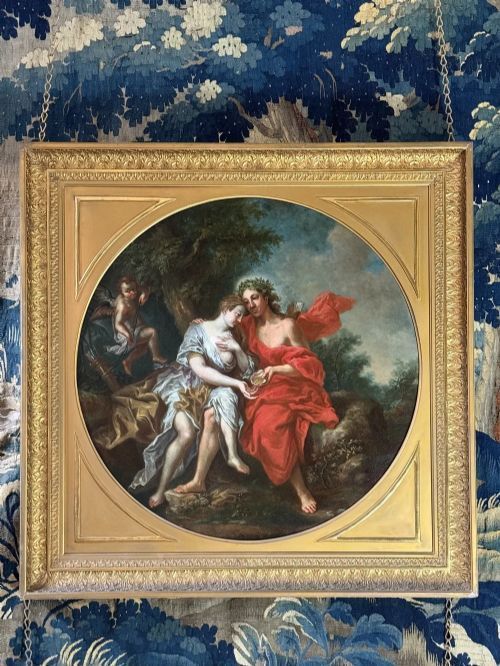
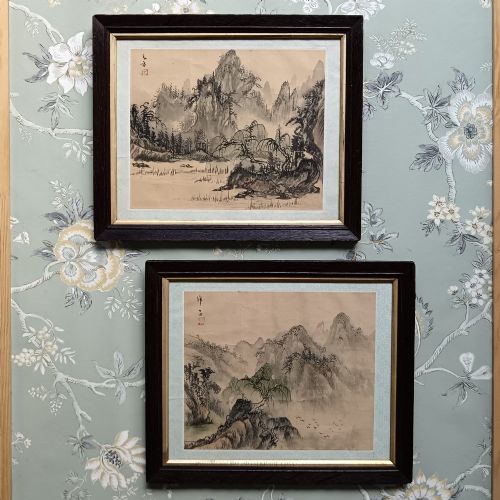
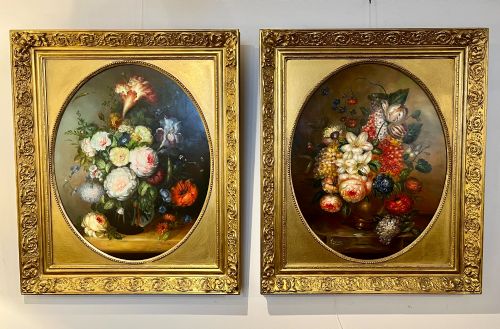
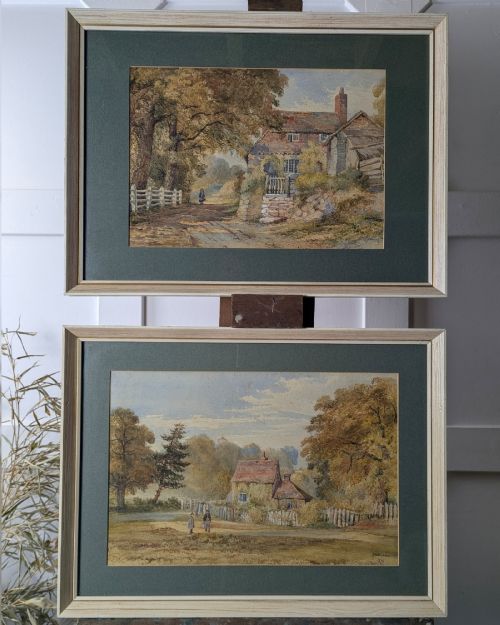
Pair of Framed Paintings
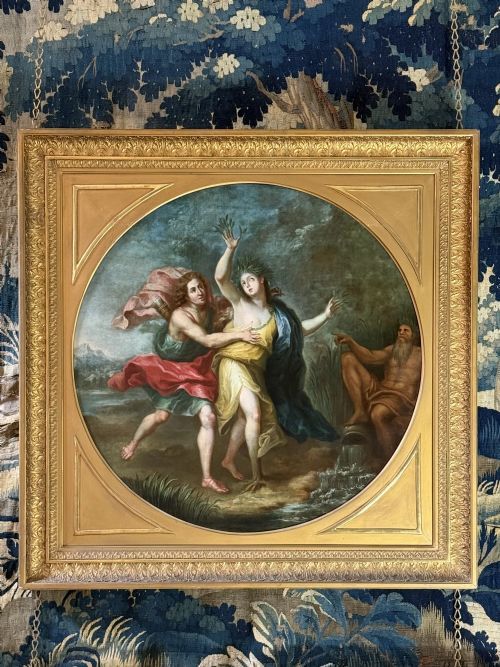
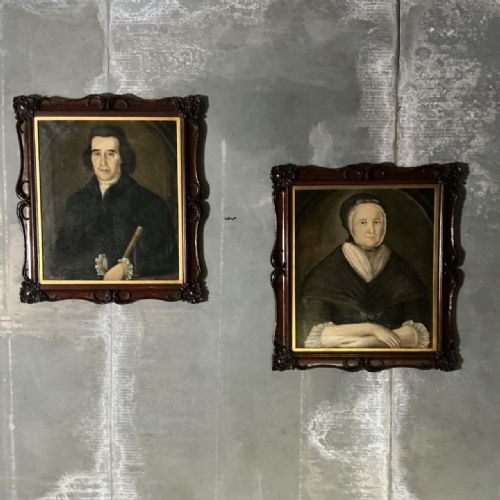
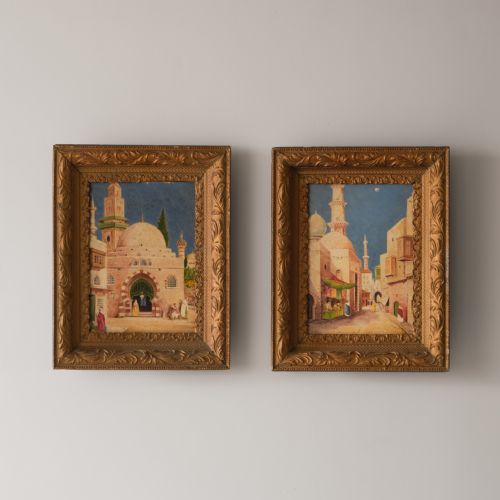
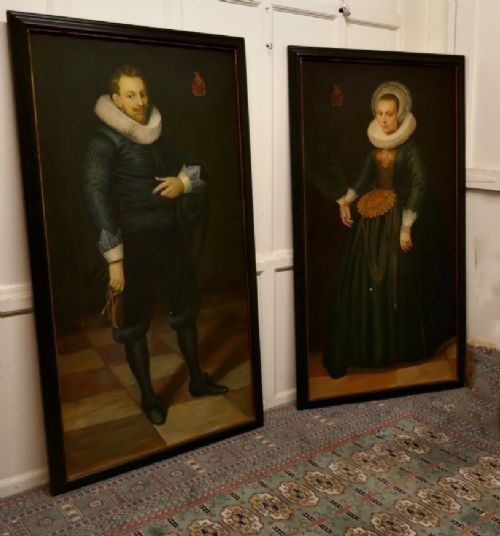
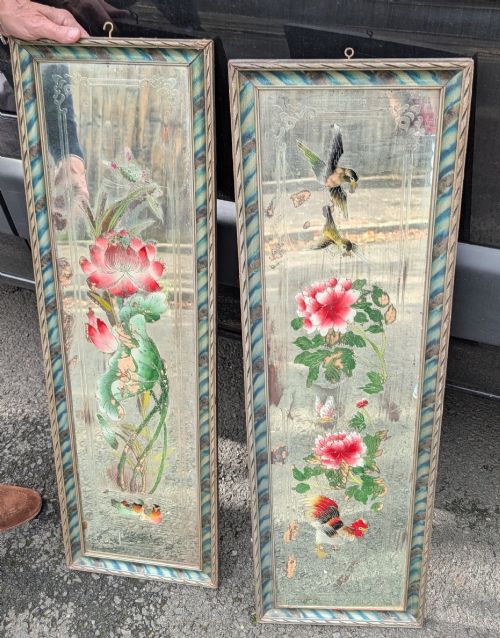
A pair of framed paintings brings symmetry and balance to a wall, offering twin works created to be hung together.
Pair of Framed Paintings
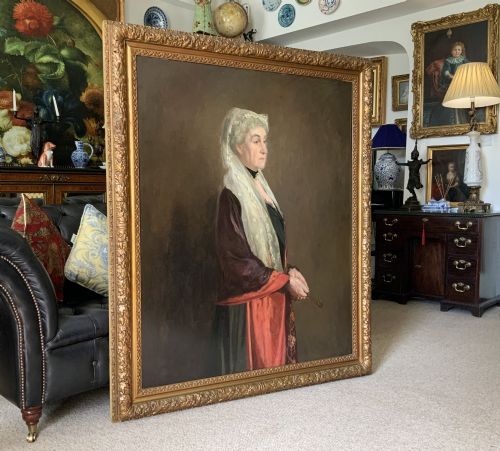
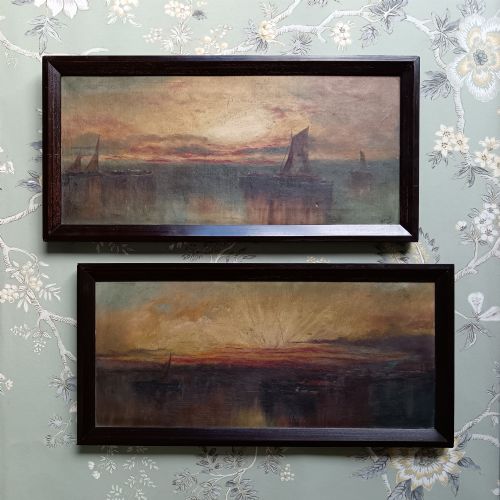
When searching for a pair of framed paintings, a buyer encounters matching dual artworks designed to complement each other across a room or domestic interior. These decorative items span portraits, marine views, landscapes, and still life studies enclosed in original or period surrounds.
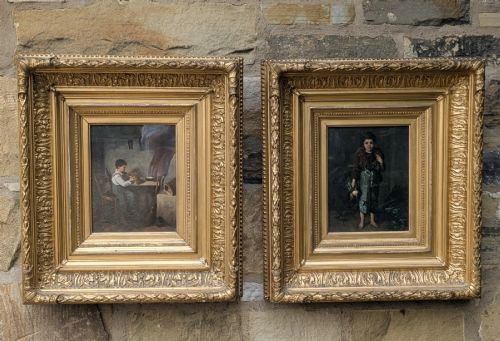
The most common version met on this page is the nineteenth-century oil painting on canvas or wood panel, often housed within moulded wood or giltwood frames. Alongside these, buyers find watercolours, pastels, and portrait miniatures created in matching compositions from the eighteenth century onwards.
Materials and construction
Artists painted using oil paint, gouache, pastel, or watercolour applied to stretched canvas, paper, wood panels, silk, or vinyl canvas. These pictorial surfaces were protected by glass in the case of watercolours, pastels, and miniatures, preserving delicate pigments from atmospheric wear.
The supporting frames utilised timber, often heavily moulded, carved, or finished with giltwood and gilding to enhance the visual weight of the twin artworks.
Listings feature works spanning the 17th century through to the 1960s, executed in oil, watercolour, pastel, and gouache.
Judging quality and execution
Quality rests upon the skill of the brushwork, the depth of composition, and the fidelity of the matching pair, where superior examples exhibit confident draftsmanship and harmonious balance between both panels.
The integrity of the framing also dictates standard, with original period surrounds that complement the age and palette of the artwork elevating the piece far above later replacement mounts.
Charles-Antoine Coypel·James Sharples·Michael Dahl·Thomas Murray·John Moore of Ipswich
The Pair of Framed Paintings Glossary
- Giltwood
- Wood carved and coated with gold leaf or gold paint. This finish was widely utilised on decorative frames during the eighteenth and nineteenth centuries.
- Portrait Miniature
- A small, highly detailed painting on a compact support such as vellum or card. These intimate works were frequently framed in pairs to record family members.
- Still Life
- An artwork depicting inanimate subject matter, such as floral arrangements or household objects. These compositions often focused on texture and light.
- Pastel
- A dry drawing medium composed of powdered pigment and a binder, worked onto paper. Pastel works require glass protection to prevent the loose pigment from smudging.
- Canvas
- Heavy woven fabric stretched over a wooden stretcher bar to form a sturdy painting surface. It served as the primary support for oil painters across the Victorian and Georgian periods.
Pair of Framed Paintings: Frequently Asked Questions
How should pair of framed paintings be hung?
These matching artworks are traditionally displayed symmetrically at eye level on either side of a fireplace, doorway, or architectural feature. Maintaining equal spacing between the two frames preserves the intended visual balance of the composition.
Ensuring both pieces receive similar ambient lighting prevents one canvas from fading faster than its companion over time.
What subjects are common in these pairs?
Portraits of couples, matched marine sunrises and sunsets, and companion botanical or landscape studies appear frequently. Artists often painted subjects in tandem to commemorate marriages, family lineages, or seasonal changes.
Such dual themes emphasise narrative continuity, allowing the two distinct panels to tell a single cohesive story.
How do I identify the period of the frame?
Period frames often display corner construction joints, hand-carved gesso details, and natural material shrinkage beneath the gilding. Examining the backboards and fixings reveals historical nails or screws consistent with Georgian or Victorian joinery.
Later replacement frames tend to show uniform machine-cut mitres and modern synthetic backing materials.
Can watercolours and oils be displayed together?
While both fit under the broader category of framed paintings, watercolours require protection behind glass to shield delicate paper and pigments from moisture and light. Oil paintings on canvas are more resilient and typically displayed without glass cover.
Grouping them in the same room is acceptable, but direct sunlight should be avoided for all works on paper.