



Pair of Drawings
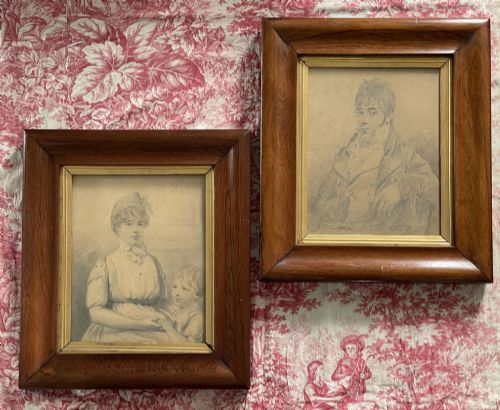
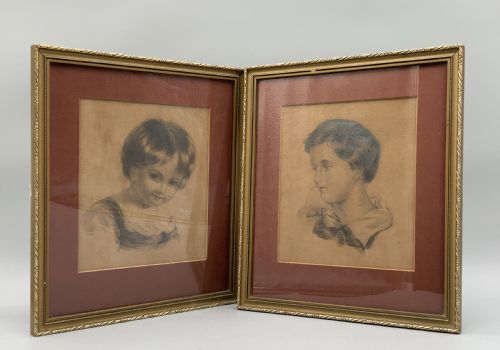
A pair of drawings brings balance to a wall, offering two matched viewpoints from hands that worked in graphite, ink, or pastel.
Pair of Drawings
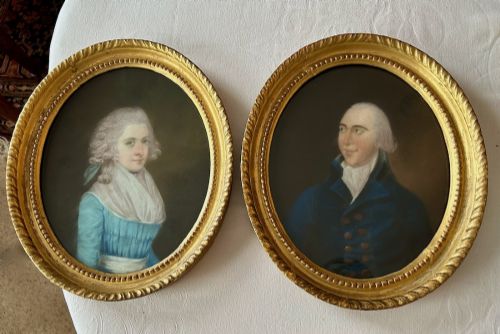
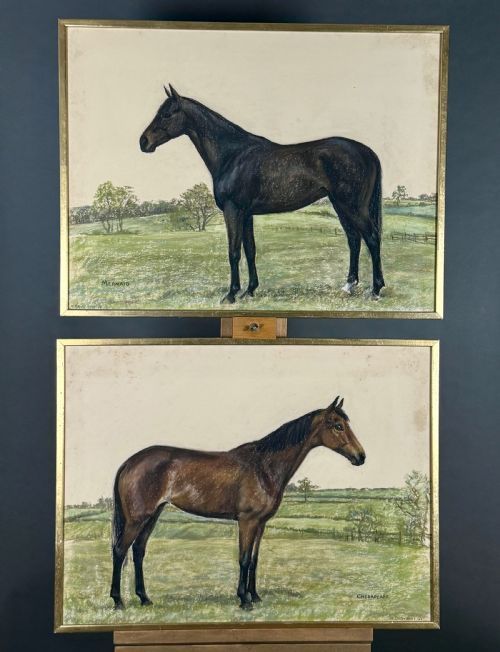
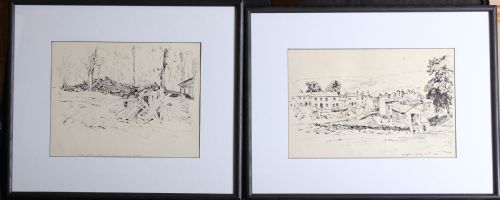
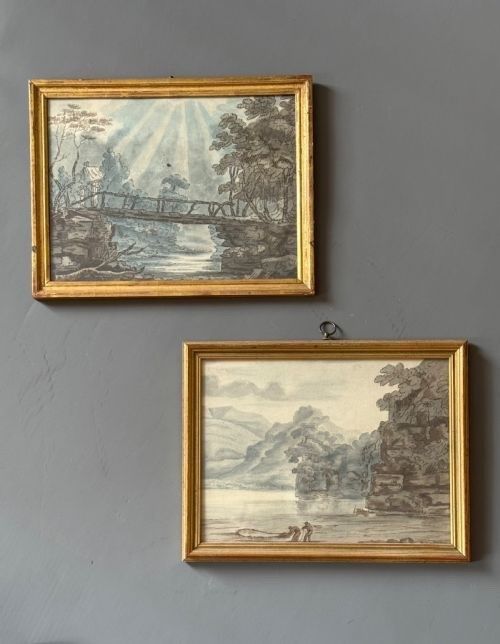
A pair of drawings brings together two complementary works on paper, often created as matching studies, companion portraits, or balanced landscape views. When searching for a pair of drawings, collectors encounter works executed across the eighteenth, nineteenth, and twentieth centuries, spanning delicate pastel portraits, architectural sketches, and ink landscapes.
The selections on this page range from early portraiture depicting named sitters to mid-century aeronautical illustrations and life studies from art schools. English School hands and regional artists appear frequently, alongside pieces reflecting Victorian sentiment and Regency elegance.
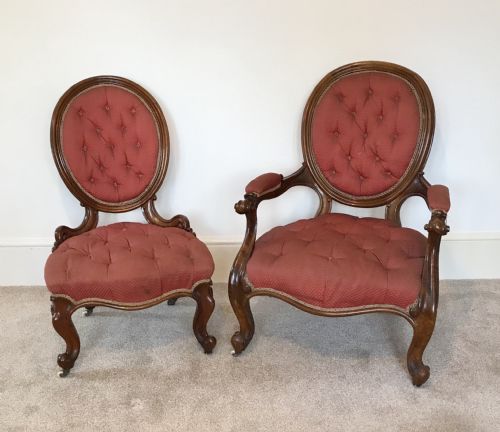
Beyond works on paper, the historical record occasionally groups companion seating under related terminology, yet the core of this category remains framed graphic art intended to be displayed together. Buyers find that these companion pieces preserve the direct touch of the artist's initial medium without the intermediary layer of printmaking.
Materials and technique
Artists relied primarily on paper supports, applying media such as graphite, ink, charcoal, and pastel to capture immediate form and tone. Pen and ink applications often utilised sepia or black pigments, sometimes finished with light washes to build depth across architectural or landscape subjects.
Pastel and chalk works demanded careful handling, frequently preserved behind glass within period frames fashioned from wood, giltwood, or brass. Framing materials varied from simple moulded profiles to ornate Victorian gilt and oak housings that protected the fragile surfaces from atmospheric damage.
Listings feature works in graphite, ink, pastel, and gouache on paper supports, spanning the eighteenth century to the mid-twentieth century.
Separating the ordinary from the exceptional
Quality rests upon the sureness of the line and the sensitivity with which the medium handles light and shadow. A confident, economic stroke in an ink or graphite study reveals a trained hand that commands the viewer's attention across both matched sheets.
The integrity of the preservation also dictates the standing of a pair, particularly with pastels and charcoals where pigment loss or foxing can diminish the impact. Matched framing that respects the period of creation enhances the cohesion of the pair, ensuring neither sheet appears compromised by later alterations.
Fred Lawson·Emily Eyres·Winifred Eugene Ballard·Ozias Humphry·Jean Cuny·James M Mackay·Charles Walter Simpson
The Pair of Drawings Glossary
- Pastel
- A dry drawing medium composed of powdered pigment and a binder, shaped into sticks. It permits vibrant colour application that requires glass protection.
- Wash
- A thin, transparent layer of diluted ink or watercolour applied with a brush to create shadow or tonal depth beneath or over ink lines.
- Graphite
- A form of crystalline carbon used as a drawing medium, offering varied tonal ranges depending on hardness.
- Giltwood
- Wood carved and coated with gold leaf, frequently utilised for framing fine nineteenth-century works.
- Foxing
- Brown spots and discolouration that appear on older paper due to chemical reactions over time.
Pair of Drawings: Frequently Asked Questions
How should I hang a pair of drawings?
Hang them at eye level with a consistent gap between frames to preserve their visual balance. Aligning the top edges usually creates the cleanest line on the wall.
Keep them away from direct sunlight to protect vulnerable media like pastel, ink, and watercolour from fading.
Are these drawings original works?
The pieces listed are original hand-drawn works on paper, executed directly by the artist rather than produced via mechanical printing methods.
Each sheet bears the unique marks of graphite, ink, or pastel applied during the creation process.
What frames are typical for antique drawings?
Many retain their period frames of wood, giltwood, or oak, which complement the era in which the drawings were made.
Original framing adds historical context, though some pieces arrive in later compatible mounts that ensure proper preservation.
How do I care for works on paper?
Display them in rooms with stable humidity and temperature to prevent warping of the paper and deterioration of the mounting materials.
Ensure the glazing remains intact and sealed to protect the delicate surfaces from dust and atmospheric pollutants.