
Paper Ink Sketches
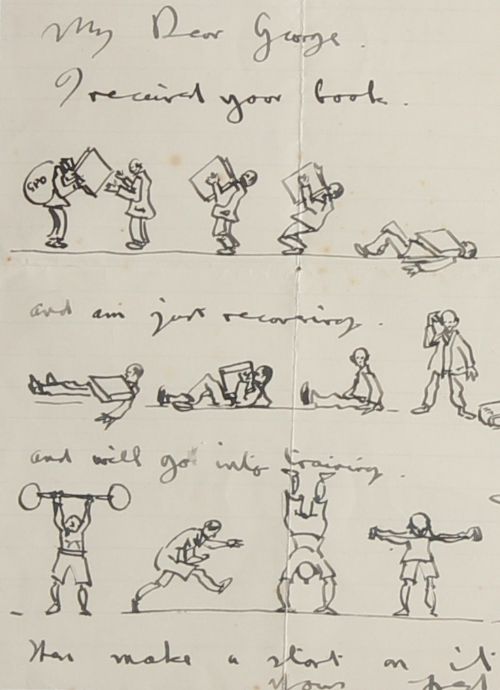
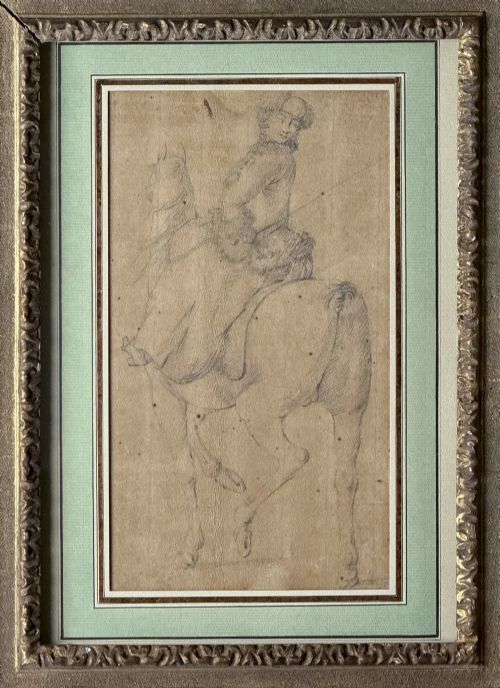
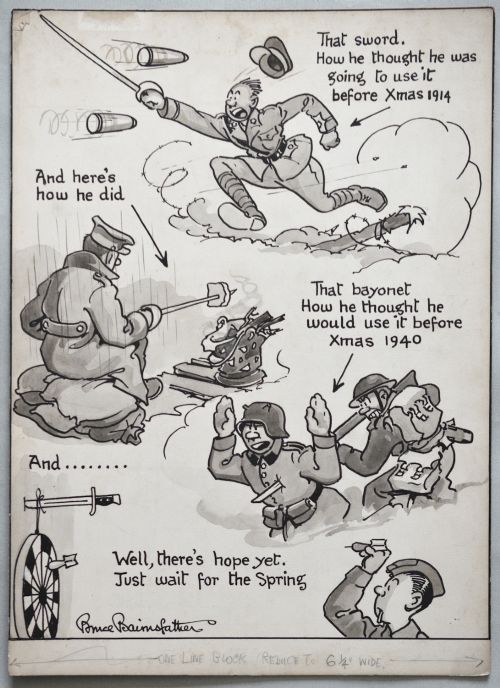
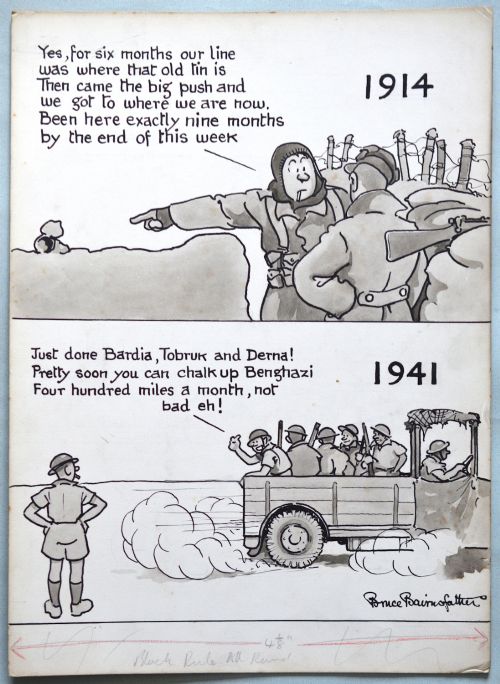
Paper ink sketches capture the immediate hand of the artist across centuries, offering intimate studies, landscapes, and figure drawings ready for display.
Paper Ink Sketches
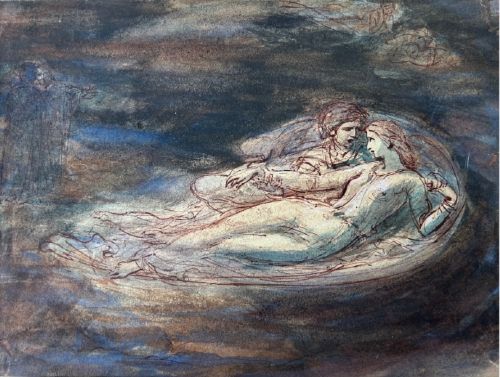
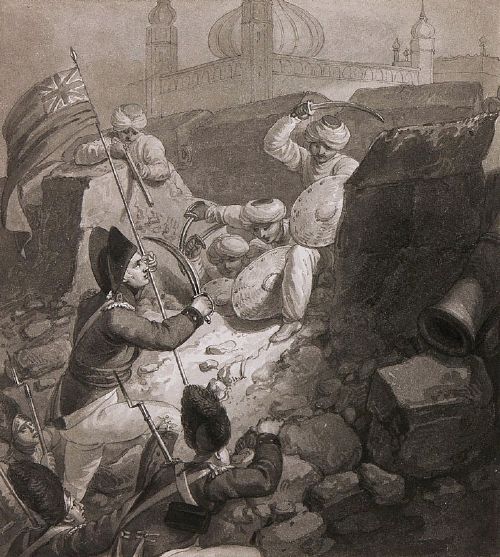
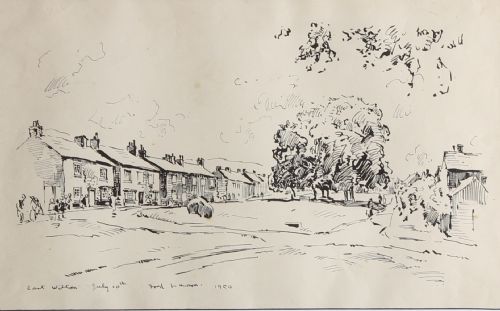
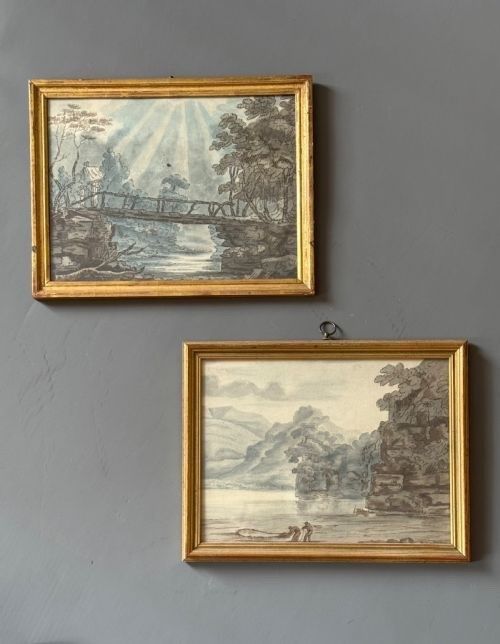
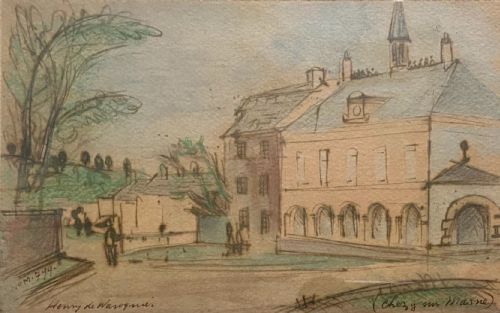
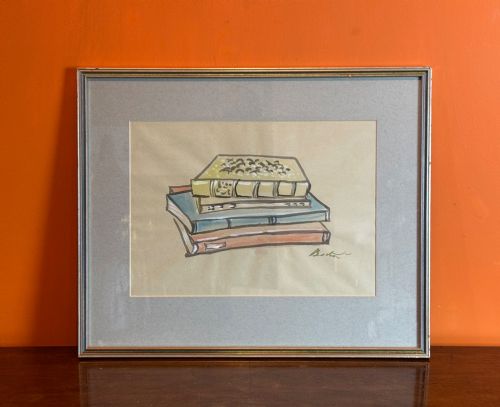
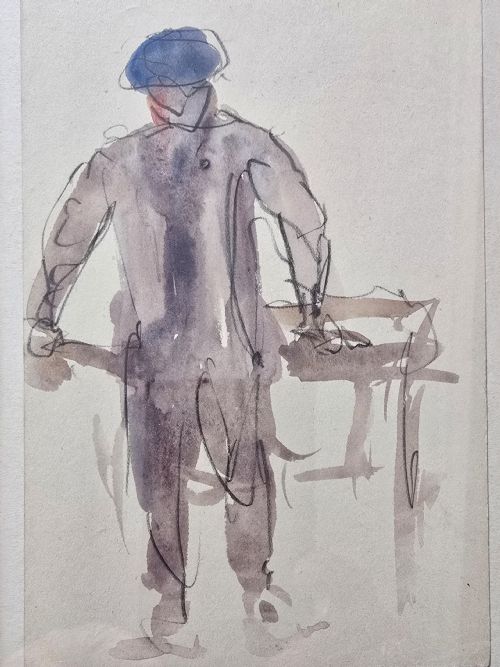
Paper ink sketches encompass original drawings and works on paper created using pen and ink, frequently combined with wash or watercolour. These works range from loose preparatory studies to finished framed artwork spanning the eighteenth, nineteenth, and twentieth centuries.
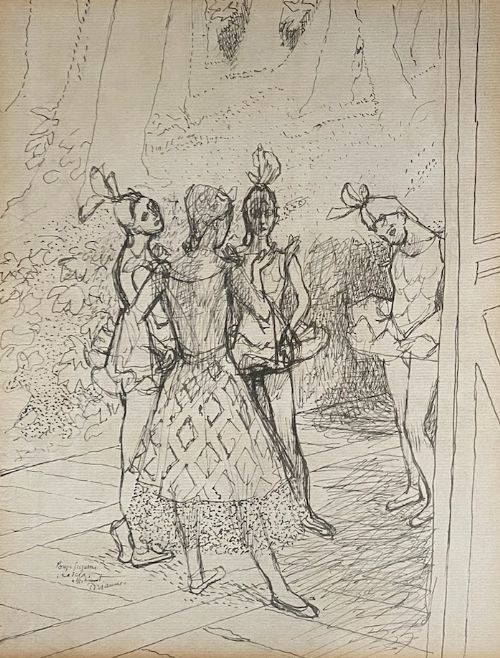
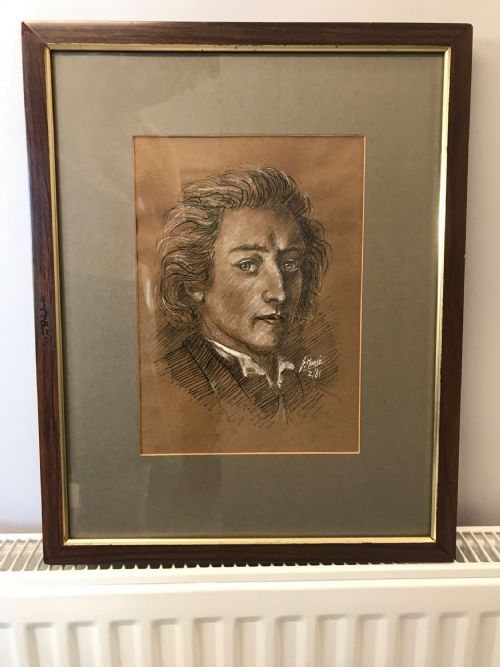
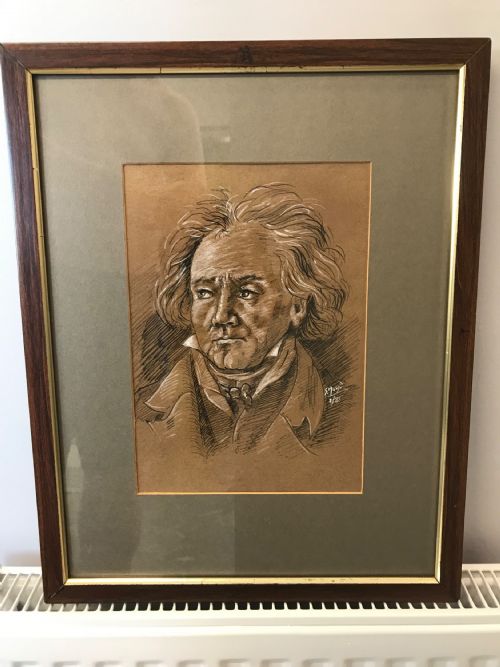
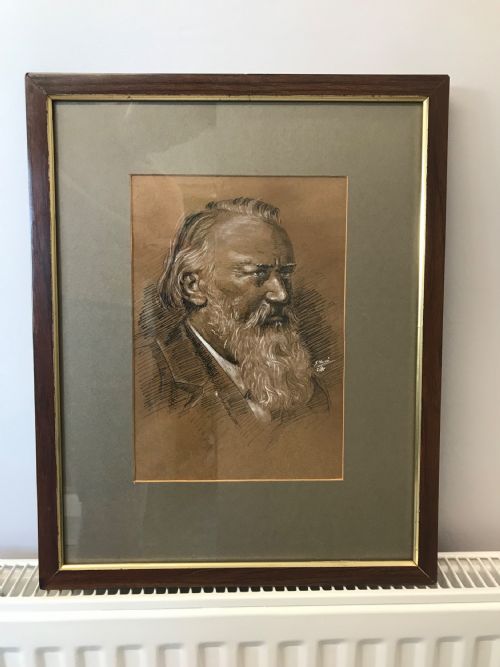
The selections on this page feature diverse subjects including architectural drafts, theatrical scenes, botanical landscapes, and portraits. Pieces extend across Georgian, Victorian, and mid-century modern British and European schools.
Buyers encounter everything from quick ink line drawings on paper to complex mixed media compositions. These historical records offer direct insight into the preparatory thought processes of historical draughtsmen and painters.
How they were made
Draughtsmen utilised iron gall or carbon inks applied with quill or steel nibs directly onto handmade or woven paper sheets. These foundational lines were often enhanced with transparent washes of diluted ink, watercolour, or gouache to build tonal depth.
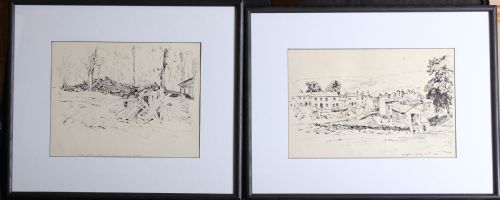
Support materials typically consist of aged paper housed behind protective glass within timber frames. Many sheets retain watermark evidence, artist stamps, or preparatory graphite underdrawings beneath the finished ink marks.
Listings feature works spanning the eighteenth century through to the modern era, executed on paper using ink, wash, and watercolour.
What varies in quality
The strength of the draughtsmanship and the confidence of the ink line dictate the visual impact of each sheet. Works exhibiting decisive, expressive penwork demonstrate superior control compared to hesitant or strictly mechanical tracing.
Condition and preservation significantly influence the character of these works. Sheets retaining strong, unfaded ink tones and minimal acid migration from historic framing display greater visual fidelity to their original creation.
Bruce Bairnsfather·William Marshall Craig·Fred Lawson·Louis Wain·Lawrence Stephen Lowry·Dame Laura Knight
The Paper Ink Sketches Glossary
- Wash
- A technique where diluted ink or watercolour is applied smoothly across paper to create shadow and tonal gradation. This method adds atmospheric depth behind primary ink lines.
- Gouache
- An opaque water-based pigment used alongside ink to introduce highlights and solid areas of colour. It provides sharp contrast against translucent ink washes.
- Preparatory study
- An initial working drawing executed by an artist to plan a larger painting or composition. These sheets reveal the raw exploratory stages of artistic creation.
- Gothic Revival
- An architectural and artistic style popular during the nineteenth century that revived medieval forms. Works in this style frequently depict ecclesiastical or historic structures.
- Watercolour
- A transparent paint medium consisting of pigments suspended in a water-soluble vehicle. It appears frequently layered over foundational ink drawings in these collections.
Paper Ink Sketches: Frequently Asked Questions
How should I frame and display ink sketches?
Paper and ink are sensitive to ultraviolet light, so protective glass with UV-filtering properties is essential for long-term preservation. Keep these artworks away from direct sunlight and damp environments to prevent fading and paper degradation.
Traditional wooden frames suited to the period of the work complement the aesthetic without overwhelming the delicate paper surface. Professional mounting using acid-free materials ensures the sheet remains stable over decades.
Are these works original or printed reproductions?
Every piece listed here is a unique, hand-drawn original artwork rather than a mechanical print or reproduction. Close examination under magnification reveals the physical indentations of pen nibs and the pooling of wet ink on paper fibres.
Artists drew directly onto the sheet during the creation process, leaving individual brushstrokes, ink variations, and often preparatory pencil marks beneath the final ink layer.
How do I identify the period of an ink drawing?
Dating relies on stylistic markers, paper characteristics, and the specific composition of the ink and pigments used. Eighteenth-century sheets often feature laid paper with visible chain lines, while nineteenth-century works frequently display machine-woven textures.
Signatures, artist stamps, and contextual historical subjects like theatrical figures or architectural studies further assist in narrowing the decade of creation alongside dealer documentation.
What is the difference between a sketch and a finished drawing?
A sketch is typically a rapid, exploratory exercise capturing a fleeting pose, landscape element, or compositional idea. These pieces emphasise spontaneous line work and minimal detail over polished finish.
Finished drawings receive greater attention to tonal wash, precise perspective, and comprehensive detailing, often intended as standalone presentation pieces rather than preliminary notes.