





Pair of Cocktail Chairs
A pair of cocktail chairs brings sculptural seating into a room, offering compact comfort through curved backs and sturdy wooden frames.
Pair of Cocktail Chairs
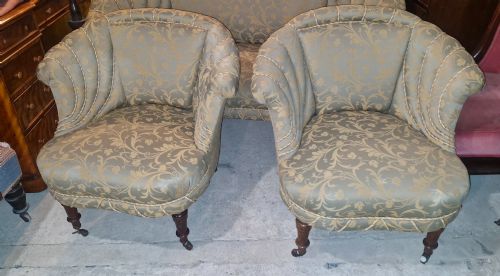
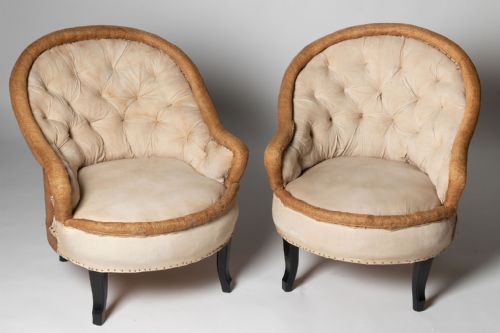
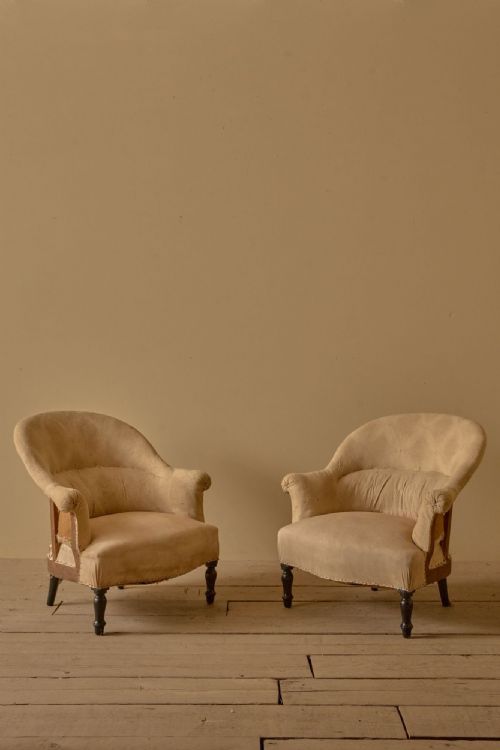
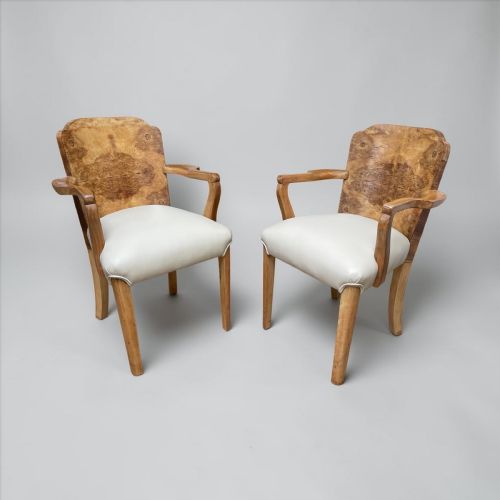
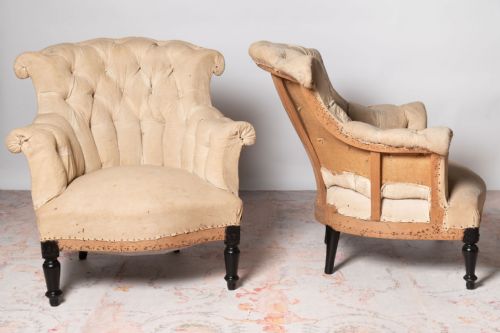
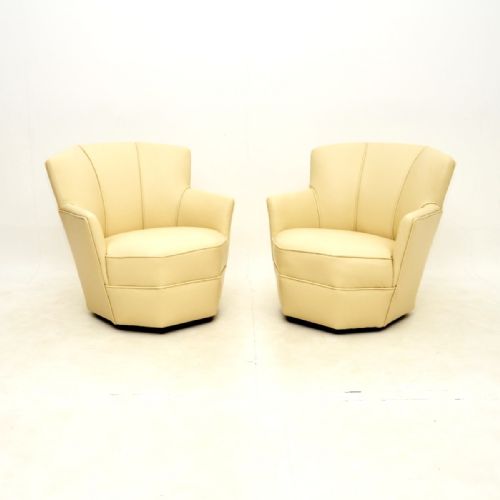
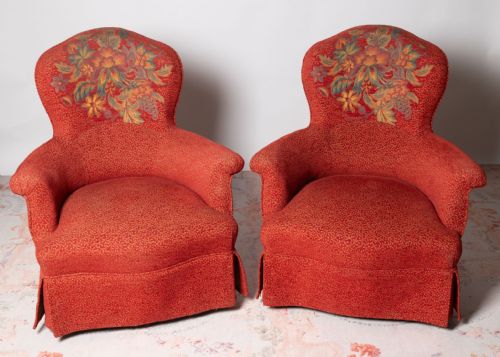
When you search for a pair of cocktail chairs, you encounter low-slung seating designed for compact spaces and social gatherings. The selection spans distinct eras, ranging from 19th-century French models and Edwardian bedroom seats to bold Art Deco designs from the 1930s and 1940s.
You are most likely to meet Art Deco iterations finished in wood, leather, and fabric, alongside earlier antique French tub chairs and occasional seating. These armchairs and side chairs serve both functional lounging and decorative purposes within modern and traditional interiors.
How they were made
Makers constructed these chairs using timber and oak for the primary structural frames, often integrating brass details for subtle accentuation. Traditional upholstery methods relied on hessian and calico to build firm foundations beneath outer layers of fabric and leather.
Craftsmen shaped the wood to achieve the characteristic curved profiles seen in Art Deco and French Napoleon III examples. The combination of solid framing and layered internal stuffing ensured lasting support for daily use.
Pair of Cocktail Chairs Retail Price Guide 2026
Typical asking prices for pair of cocktail chairs among the pieces listed under this phrase on Sellingantiques today, from the lower quarter to the upper quarter. They describe what is for sale here now, not the wider market.
The listings span the nineteenth century through the 1940s, featuring wood, leather, brass, and fabric materials across armchairs and side chairs.
What varies in quality
The standard of timber selection and the precision of the frame joinery dictate the baseline integrity of each piece. Superior examples exhibit fluid, balanced proportions in their curved woodwork rather than rigid or heavy lines.
The quality of the visible surface material, whether supple leather or carefully chosen textile, elevates the overall execution. Furthermore, original upholstery foundations reflect greater craftsmanship than later, unsympathetic replacements.
Hille
The Pair of Cocktail Chairs Glossary
- Art Deco
- A design style emerging in the 1920s and 1930s characterised by sleek geometric lines and streamlined forms. It heavily influences the profile of mid-century seating.
- Tub chair
- An armchair featuring a rounded, enclosed back that flows continuously into the arms. This shape provides enclosed seating comfort.
- Occasional chair
- A movable seat designed for specific activities or extra room seating rather than primary lounging. These pieces prioritise decorative versatility.
- Calico
- A plain-woven cotton fabric traditionally utilised as an interior lining and foundation layer beneath top upholstery covers. It holds internal stuffing securely in place.
- Hessian
- A coarse, woven fabric made from jute fibres used historically for traditional webbing and padding support. It forms the robust base underneath outer covers.
Pair of Cocktail Chairs: Frequently Asked Questions
What defines a cocktail chair?
A cocktail chair is a low, compact armchair designed primarily for socialising in smaller spaces during the mid-20th century.
These pieces typically feature curved backs and exposed wooden legs, blending decorative appeal with functional seating.
How do I identify Art Deco chairs?
Art Deco chairs display streamlined silhouettes, symmetrical geometric patterns, and smooth wooden surfaces characteristic of the 1930s.
They often combine rich leather or textured fabric with polished timber frames.
Where should I place them?
These chairs fit well in living rooms, bedrooms, or entrance halls as accent seating alongside larger furniture.
Their compact scale allows them to occupy neglected corners without crowding the room.
Are older chairs comfortable?
Older chairs offer varied levels of comfort depending on the condition of their internal webbing and upholstery layers.
Many period examples provide sturdy support, though some require reupholstery to suit modern lounging preferences.