

Pair of Edwardian Armchairs
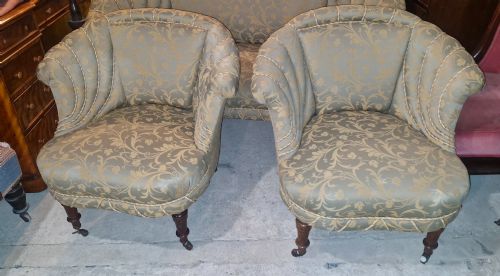
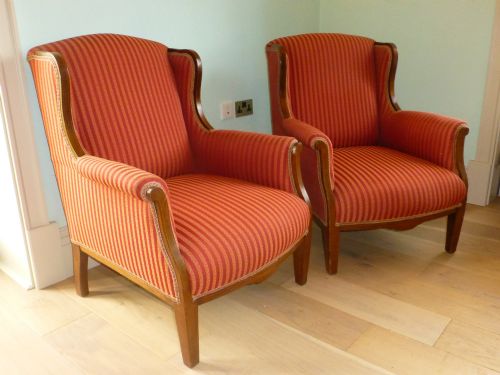
These pair of edwardian armchairs bring dual seating with period character, offering matching seating that grounds a room.
Pair of Edwardian Armchairs
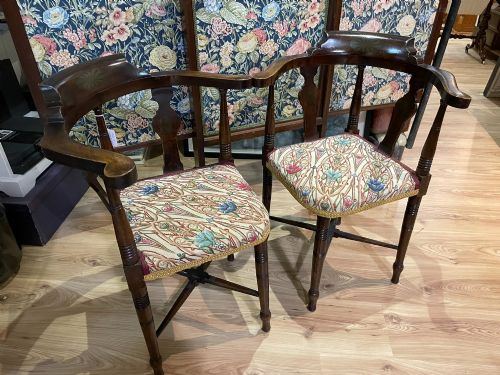
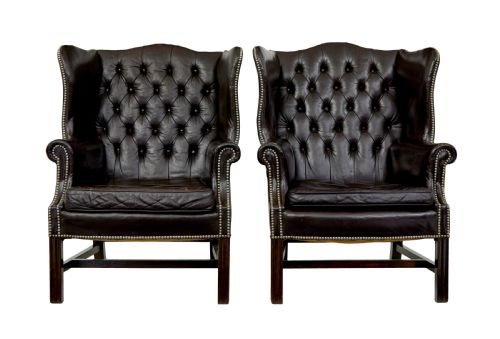
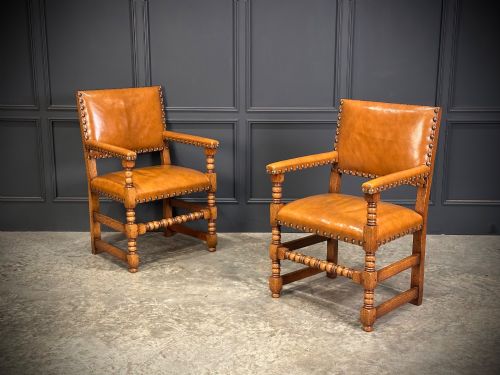
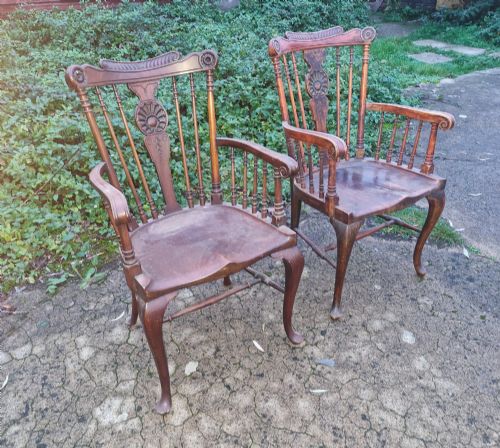
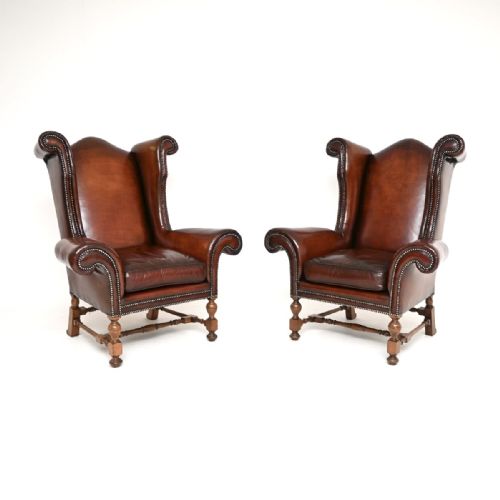
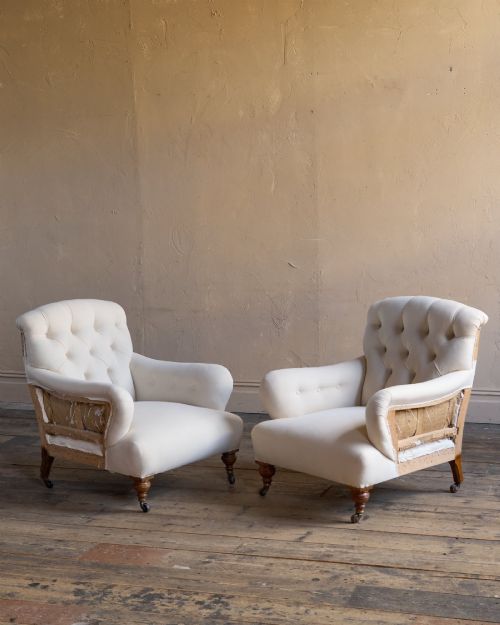
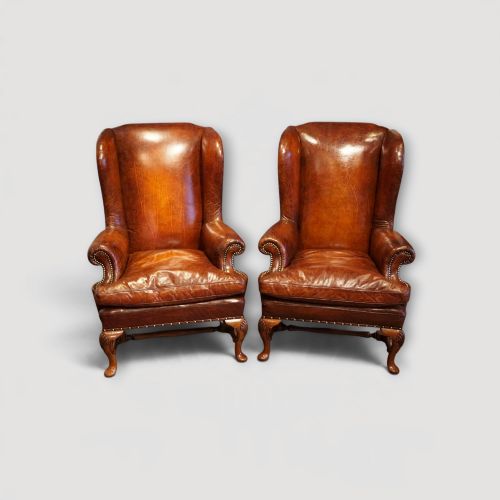
A pair of edwardian armchairs encompasses seated furniture created around the turn of the twentieth century, bridging late Victorian tastes and the lighter proportions of the Edwardian era. Buyers encounter varied forms within this search phrase, ranging from wingback chairs in leather to open armchairs and corner seats.
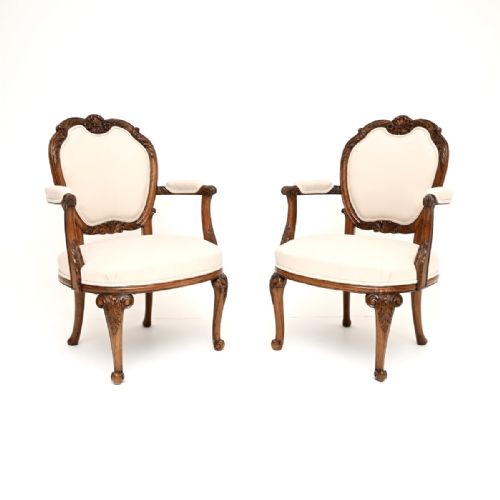
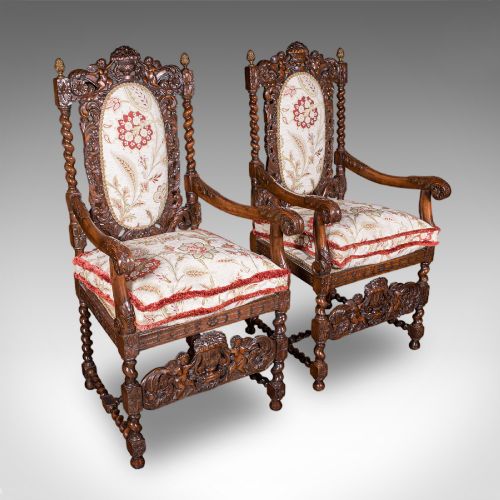
The evidence demonstrates that many examples emerge from the Edwardian period itself, alongside pieces dated from eighteen eighty to nineteen twenty. Frames take shape in mahogany, walnut, oak, and satinwood, often carrying revival influences such as Sheraton, Chippendale, and Charles II styles.
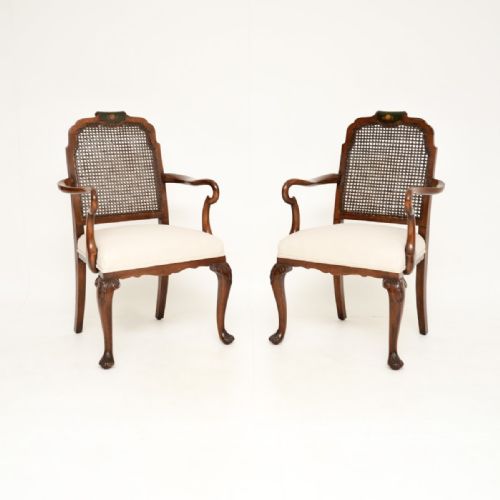
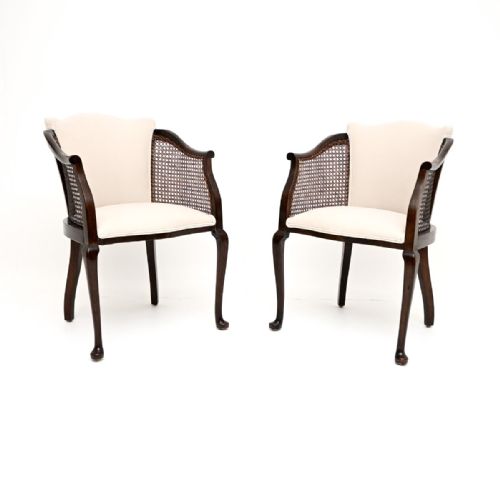
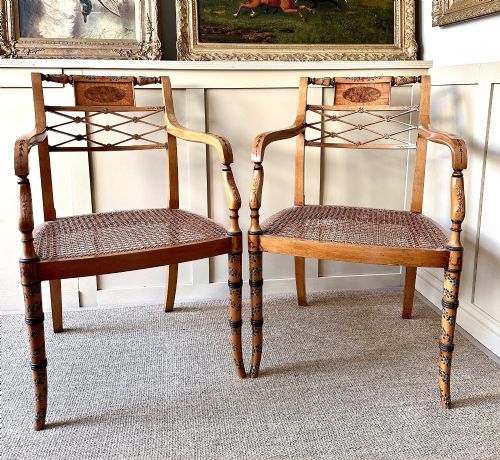
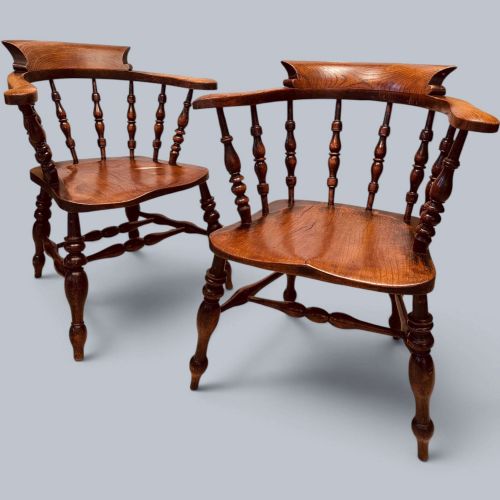
Matching sets include bergere chairs with cane panels, upholstered bedroom chairs, and substantial library chairs. Makers and styles span from English country house seating to specialised pieces like Windsor captain chairs and ships revolving chairs.
Materials and construction
Wood selection defines the structural framework of these seats, with solid mahogany, walnut, and oak providing durable skeletons for daily use. Cabinetmakers employed boxwood line inlay, satinwood veneers, and black lacquer finishes to decorate the surfaces.
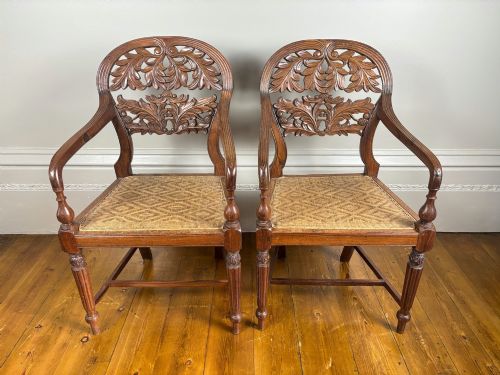
Seating support relies on traditional upholstery methods utilising calico lining, leather, and woven cane or split cane panels for bergere backs. Frame ornamentation involves carved details, painted motifs, and turned woodwork reflecting revival aesthetics from earlier centuries.
Pair of Edwardian Armchairs Retail Price Guide 2026
Typical asking prices for pair of edwardian armchairs among the pieces listed under this phrase on Sellingantiques today, from the lower quarter to the upper quarter. They describe what is for sale here now, not the wider market.
Listings for this phrase feature timber frames in mahogany, walnut, oak, satinwood, and elm.
Judging execution and finish
Quality rests in the crispness of the timber carving and the precision of inlaid details like boxwood lines on mahogany frames. Finer examples display harmonious proportions and substantial timber weights rather than purely decorative veneering.
The integrity of the original frame construction, whether solid oak or lacquered walnut, dictates longevity. Pieces retaining intact cane work or quality leather upholstery demonstrate superior preservation of craftsmanship.
William Birch·Hille·Whytock And Reid
The Pair of Edwardian Armchairs Glossary
- Bergere
- An enclosed upholstered armchair with cane or wicker side panels. These frames typically utilise walnut or mahogany.
- Wingback
- An armchair with side panels or wings attached to the back, designed to shield the sitter from draughts. These frequently feature leather upholstery.
- Corner Chair
- A chair designed to fit into the corner of a room, possessing a diagonal seat orientation. These often appear in mahogany or oak.
- Line Inlay
- A narrow strip of contrasting wood inserted into the surface of a furniture piece. Boxwood is commonly used for this decoration.
- Elbow Chair
- An armchair with open sides and armrests, sometimes called an open armchair. These often reflect Sheraton or Chippendale revival styles.
Pair of Edwardian Armchairs: Frequently Asked Questions
What defines a pair of edwardian armchairs?
These pieces comprise two matching chairs produced around the Edwardian period, sharing identical timber frames, upholstery styles, and proportions. They provide balanced seating arrangements for drawing rooms, libraries, and bedrooms.
They reflect the lighter design shifts away from heavy Victorian furniture while drawing on earlier historical revival styles.
How were these armchairs used originally?
Such seating served multiple domestic functions, from reading chairs in libraries to decorative salon chairs and comfortable fireside seating. Wingback versions offered protection from draughts in large rooms.
Bedroom chairs provided practical seating for dressing areas, while bergere models furnished formal reception spaces.
How do I care for leather and cane chairs?
Leather upholstery requires regular conditioning to prevent drying and cracking, keeping the material supple under normal household conditions. Cane panels benefit from gentle dusting and occasional light moisture to maintain their tension.
Placing these chairs away from direct sunlight and heat sources preserves both the wood finishes and the upholstery materials.
How do I identify Edwardian revival styles?
Revival pieces incorporate design elements from earlier historical periods, such as Queen Anne cabriole legs or Chippendale carved details. Makers applied these classic motifs to lighter Edwardian frame structures.
Examining the timber types, such as satinwood or walnut, alongside construction methods helps date the execution to the early twentieth century.