


Pair of Chinese Statues
A pair of chinese statues brings symmetry and balance to a room, cast in bronze, carved in hardwood, or modelled in porcelain.
Pair of Chinese Statues
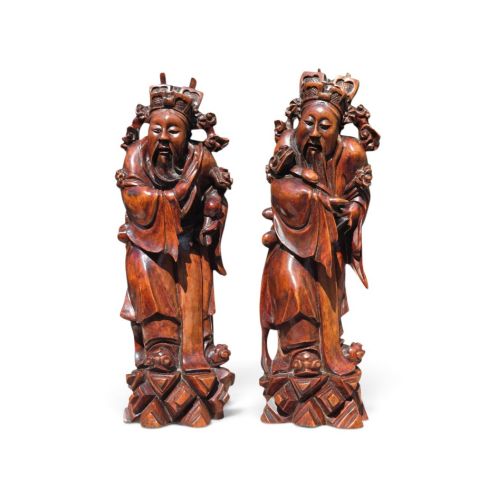
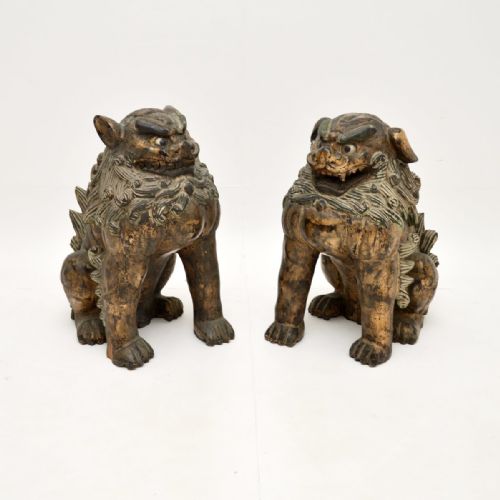
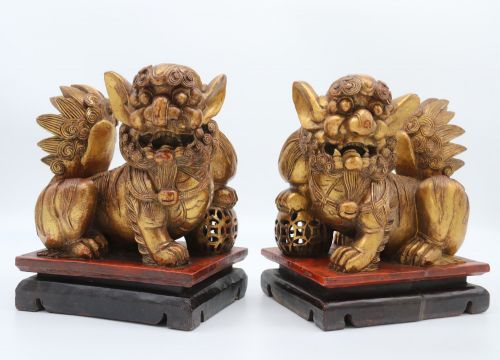
When searching for a pair of chinese statues, you encounter sculptural works spanning centuries, from nineteenth-century carvings to twentieth-century revivals. The selection includes mythical beasts such as Foo dogs and temple lions, alongside representations of emperors, immortals, and animals modelled in various mediums.
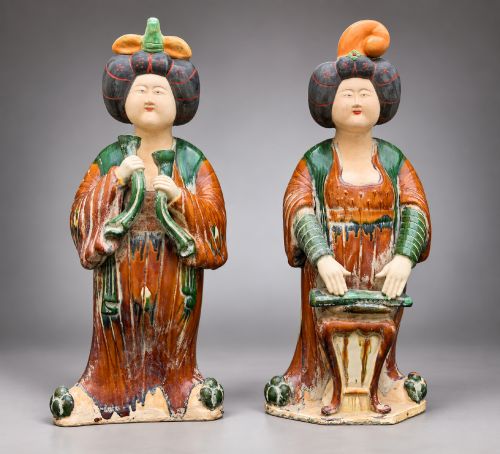
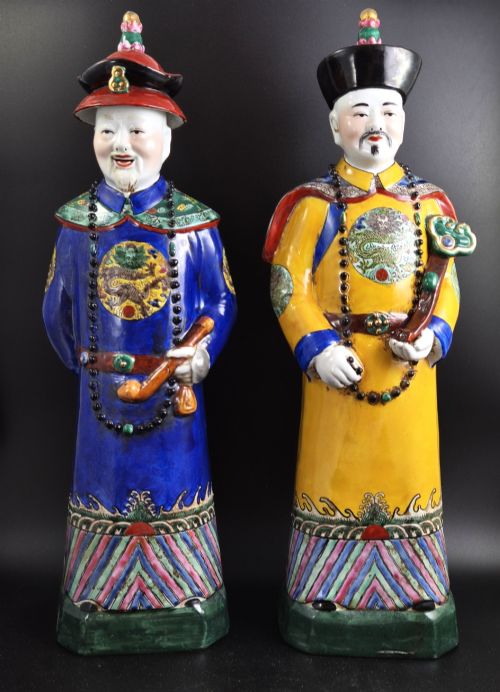
Porcelain and pottery figures display traditional glazes, including Sancai and Famille Rose palettes, while wooden pairs often depict water buffaloes or auspicious ducks. These matching groups served decorative and symbolic functions within traditional interiors, frequently created to stand in opposition as guardians or balanced pairs.
Materials and construction methods
Carvers worked dense hardwoods like boxwood or rosewood, sometimes adding gilt and lacquer highlights to bring out intricate details on figures of deities and animals. Potters shaped local clays into figures before applying lead-silicate glazes, firing them in kilns to achieve rich green, amber, and cream tones.
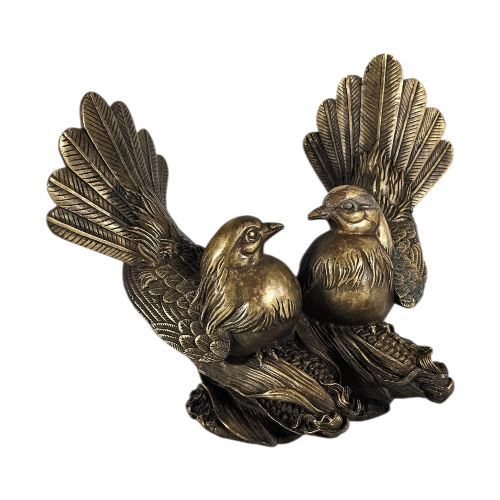
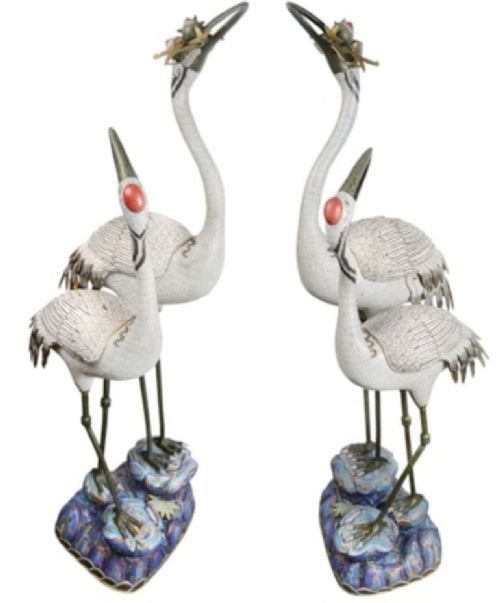
Metalworkers employed lost-wax casting for bronze and brass temple lions, chasing the surfaces to define manes and harnesses. Artisans also utilised cloisonné techniques, soldering wire onto metal bases to create compartments filled with coloured enamel pastes.
Mandarin ducks appear as pairs because they were believed to mate for life, serving as traditional symbols of fidelity.
Judging the standard of workmanship
The distinction between standard commercial items and superior examples lies in the crispness of the carving and the control of the glaze. Master carvers extracted expressive vitality from the grain of the wood, ensuring anatomical accuracy and dynamic poses in animals like horses and water buffaloes.
The Pair of Chinese Statues Glossary
- Foo Dog
- A mythical guardian lion, traditionally placed outside temples or domestic thresholds to ward off evil spirits. These figures appear frequently in pairs, often with one paw resting on a brocade ball or a cub.
- Sancai
- A three-colour glaze technique characteristic of Chinese pottery, typically combining amber, green, and cream or off-white hues. This glaze pooled naturally in the recesses of moulded ceramic figures.
- Cloisonné
- An enamelwork method where thin metal wires form raised partitions on a bronze or copper body, which are then filled with coloured vitreous paste and fired. The surface is subsequently ground smooth and polished.
- Famille Rose
- A palette of opaque enamel colours dominated by pink or rose hues, introduced to Chinese porcelain production during the Qing Dynasty. Artisans used these enamels to decorate figures of immortals and animals.
- Daoist Immortal
- A revered figure from Chinese folklore and philosophy, often depicted carrying symbolic attributes such as gourds or fans. Sculptures of these figures appear carved in hardwood or modelled in porcelain.
Pair of Chinese Statues: Frequently Asked Questions
How do I date a pair of bronze temple lions?
Dating relies on surface patina, casting weight, and stylistic conventions associated with specific periods like the late Qing Dynasty or the early twentieth century. Examining the underside and the sharpness of the chasing work provides further clues to age.
Industrial casting methods and chemical patination often distinguish later reproductions from genuine nineteenth-century temple pieces.
Where should I place hardwood animal statues?
Hardwood figures of water buffaloes, elephants, or ducks suit stable indoor environments away from direct heat sources and strong sunlight, which can dry out the timber. Placing them on sideboards or mantelpieces allows proper appreciation of the carved grain.
Maintaining moderate humidity levels prevents the timber from splitting along natural growth lines over time.
What is the difference between Foo dogs and temple lions?
Although often used interchangeably, Foo dogs are western terms for the guardian lions that traditionally protected Chinese buildings. In pairs, the male typically rests a paw on an embroidered ball, while the female restrains a cub.
Both forms served identical apotropaic functions in domestic and sacred architecture.
How do I clean antique porcelain figures?
Dusting with a soft, dry brush prevents particulate accumulation on glazed ceramic surfaces without risking abrasion. Water and liquid cleaners should generally be avoided, particularly on pieces with unglazed areas or old repairs.
Checking for stability before handling ensures that delicate protruding elements, such as fingers or attributes, remain intact.