


Pair of Brass Figures
A pair of brass figures brings symmetry and character to a mantelpiece, drawing the eye with solid metal weight.
Pair of Brass Figures
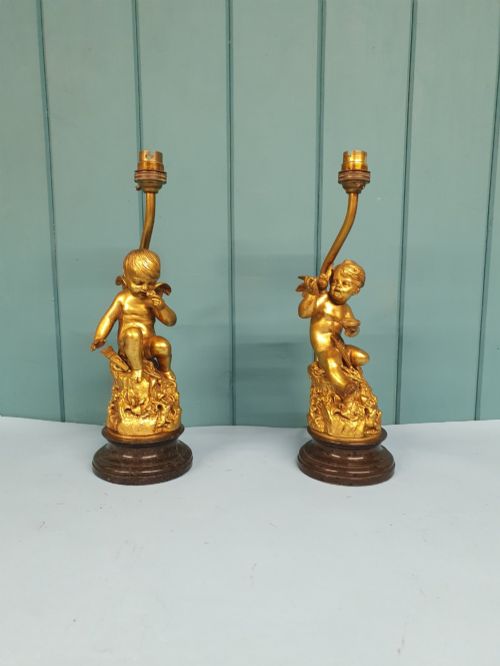
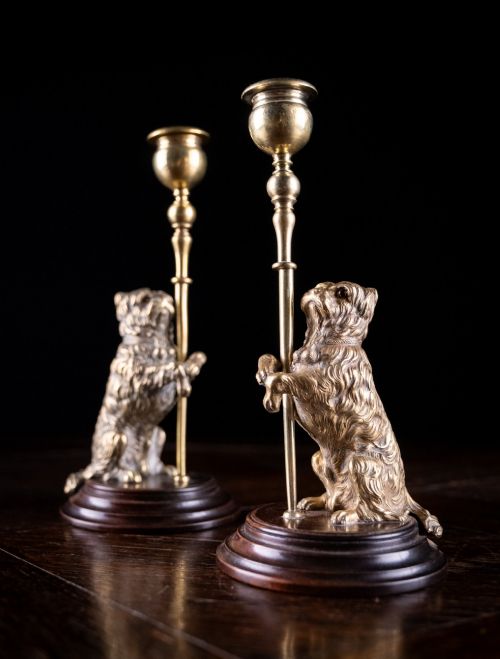
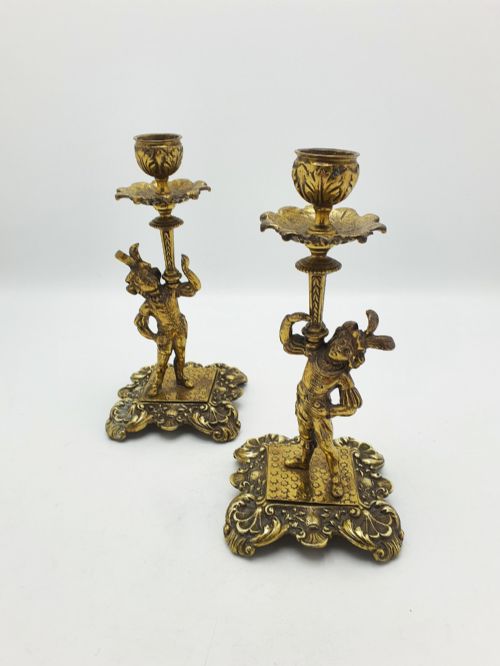
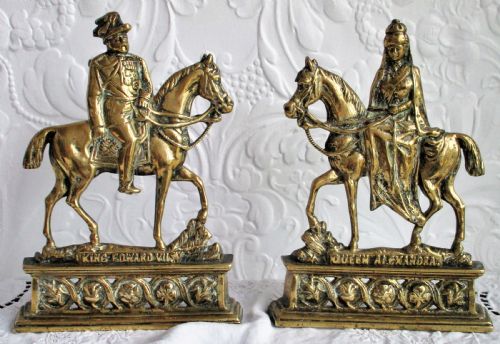
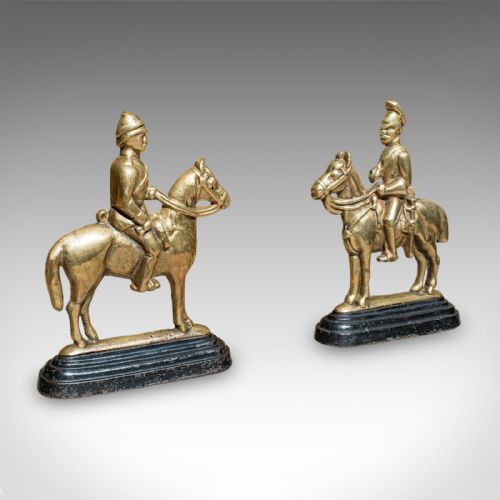
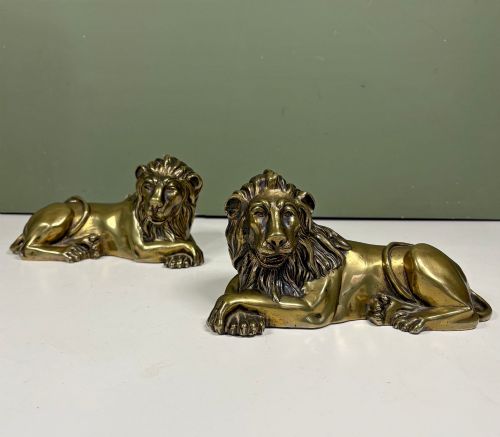
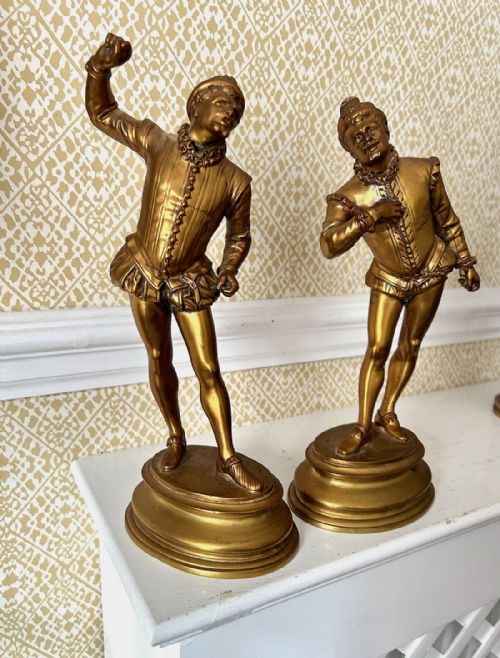
A pair of brass figures serves primarily as decorative mantel ornaments, bookends, doorstops or table lamps, bringing balance to a room through matching design. These objects take the form of animals, mythological subjects, human figures and architectural details.
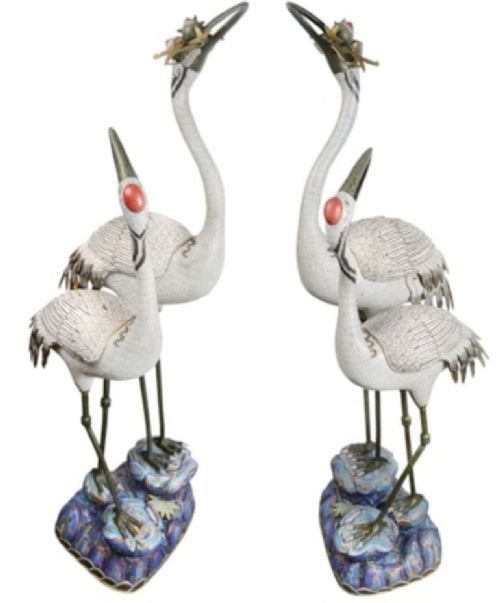
The versions most commonly met on this page originate from the nineteenth and early twentieth centuries, spanning Victorian, Edwardian and Regency periods alongside Chinese export items.
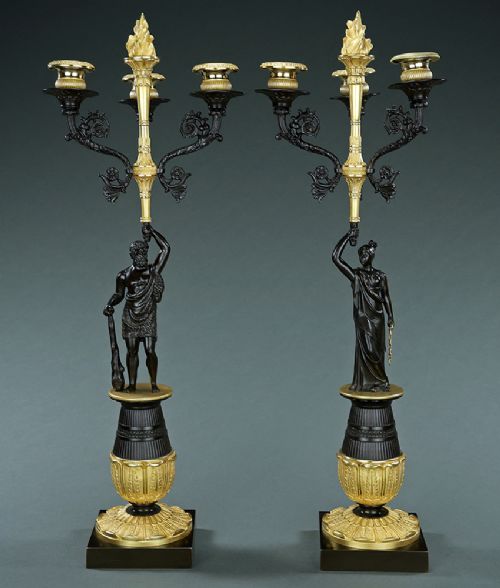
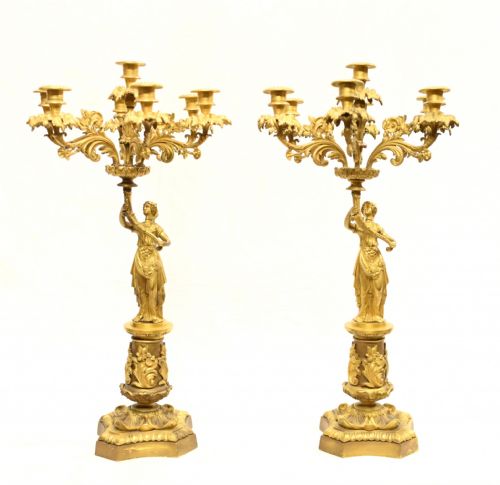
Makers shaped these dual pieces for domestic display, incorporating functional lighting elements such as candelabra arms or lamp fittings alongside purely sculptural forms.
Methods and Materials
Foundries utilised casting techniques in brass, bronze and gilt metal to produce these solid objects, often finishing surfaces with mercury gilding, known as ormolu, or adding polychrome cloisonné enamel details.
Composites appear frequently, pairing heavy metal figures with marble bases, copper accents or carved wooden supports to add structural stability and visual contrast.
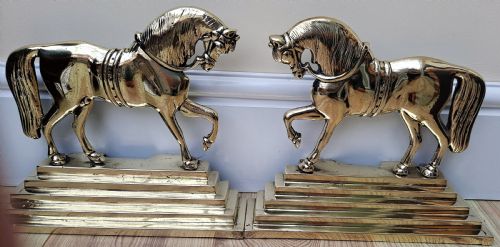
Chimney horses kept draughty Victorian doors firmly in place while doubling as steadfast equine ornaments.
Assessing Quality
The refinement of the initial cast and the crispness of the chased surface detail distinguish finer examples from simpler production pieces, particularly where facial expressions and drapery folds are concerned.
Substantial weight in the metalwork and the preservation of original fire gilding or surface patination indicate superior craftsmanship and careful historical maintenance.
The Pair of Brass Figures Glossary
- Ormolu
- Gilded bronze or brass, created by applying a mercury and gold amalgam to the base metal before heating. This technique produces a rich, durable golden surface seen on French candelabra.
- Cloisonné
- An enamelwork technique where thin metal wires form compartments on a metal base, which are then filled with coloured paste and fired. Chinese export figures frequently utilise this method.
- Candelabra
- Branched lighting fixtures designed to hold multiple candles, often produced in matching pairs and mounted on figural bases. These combine utility with sculptural display.
- Spelter
- A zinc alloy used as a cheaper alternative to bronze or brass for cast figures, often painted to imitate heavier metals. It requires gentle handling due to its brittle nature.
- Patina
- The surface sheen and coloration developed on metal through age, handling and oxidation over decades. Collectors value an undisturbed patina as evidence of authenticity.
Pair of Brass Figures: Frequently Asked Questions
How do I clean antique brass figures?
Dust the surface gently with a soft, dry brush to remove settled dirt without disturbing the underlying metal.
Avoid abrasive chemical polishes that strip away historical patination and damage softer gilt layers.
Were these figures always made as pairs?
Many decorative objects were cast together to provide symmetrical balance for mantelpieces or sideboards.
Some surviving examples started as functional components like table lamps or wall brackets before being adapted.
How can I tell nineteenth century pieces apart?
Examine the casting seams, tool marks and fastening screws, which reveal the manufacturing technology of the period.
Stylistic cues such as Regency neoclassical restraint or Victorian ornamentation also help date the work.
Can I convert these into modern table lamps?
Many figural pairs have already received electrical wiring adaptations during the twentieth century for domestic lighting.
Consult a professional restorer to ensure any new wiring preserves the structural integrity of the metal.