



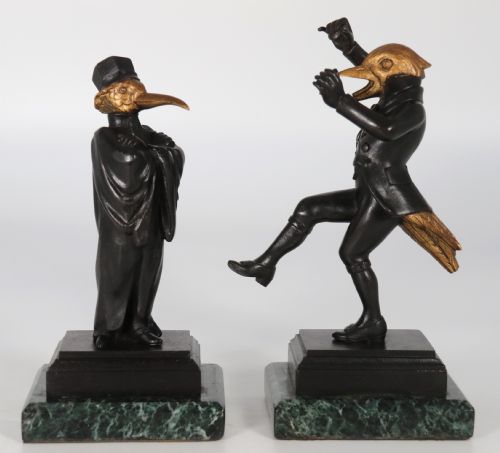


Pair of Bird Statues
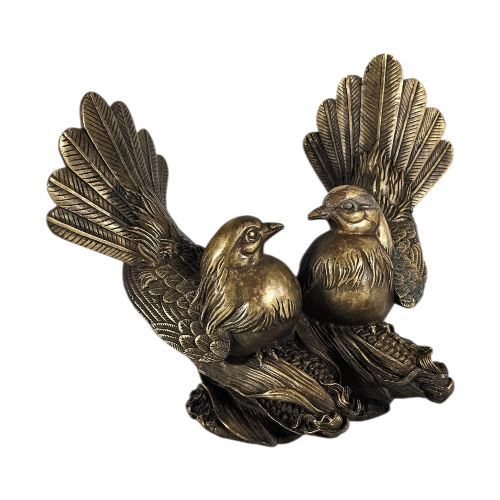
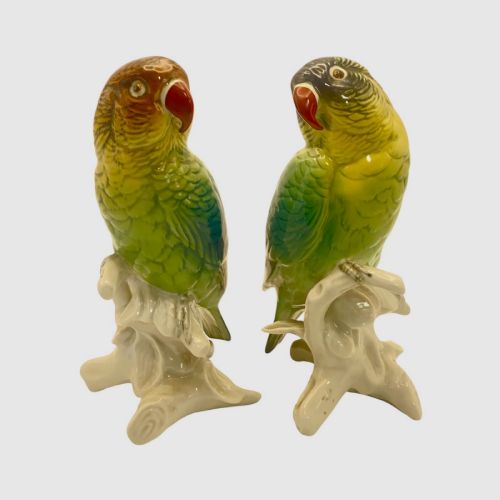
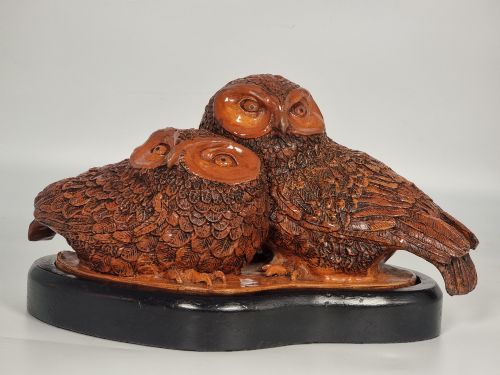
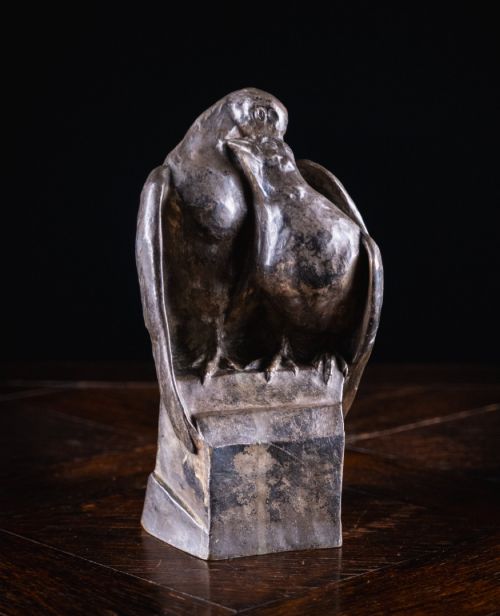
A pair of bird statues brings character to a room, offering sculptural presence through metal, porcelain or carved wood.
Pair of Bird Statues
When you search for a pair of bird statues, you encounter dual representations of avian subjects rendered across centuries in various sculptural forms. These objects serve primarily as table ornaments, figurines, garden statues and mantel decorations, reflecting naturalistic observation and stylistic interpretation.
The selections span distinct periods ranging from the late nineteenth century through the mid twentieth century, encompassing Edwardian pieces alongside earlier Victorian and Qing Dynasty examples. Common subjects include domestic and exotic species such as pheasants, parrots, ducks, cranes, eagles and cockerels.
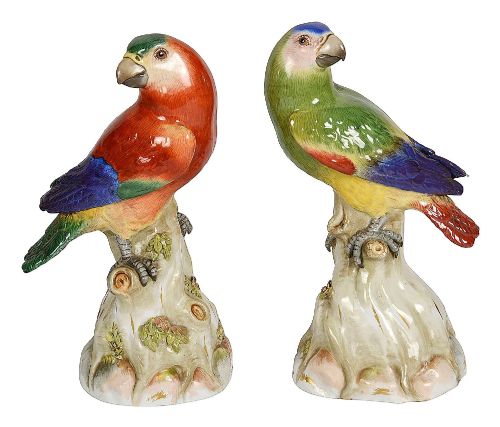
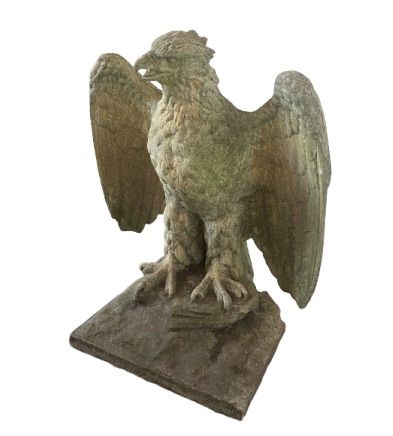
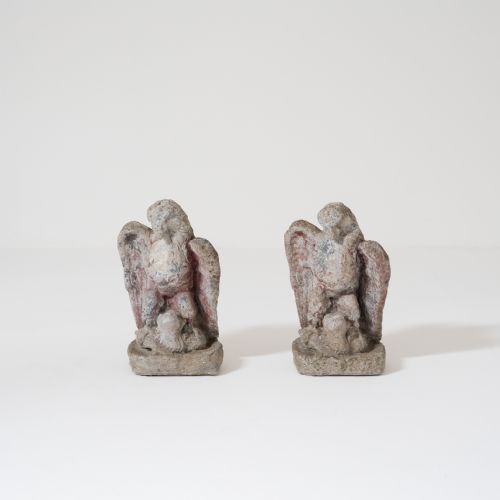
Origin points vary widely, covering British, continental European, Japanese and Chinese craftsmanship. You find everything from small porcelain parrots and silver-plated pheasants to large bronze geese and stone garden eagles.
How they were made
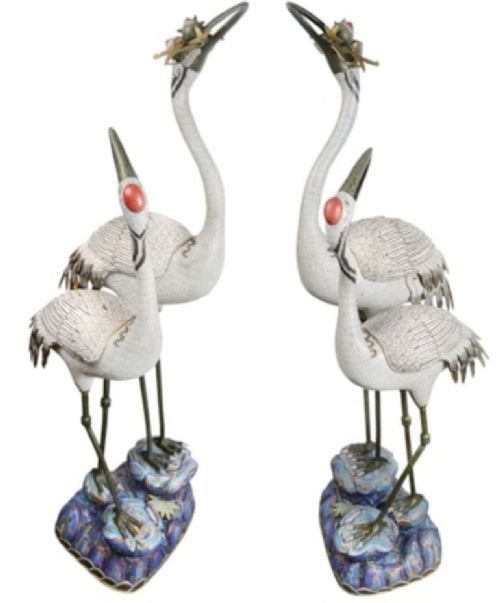
Metals form a substantial category, utilising bronze, silver plate, copper, nickel bronze, cast iron and sterling silver through casting and cold painting techniques. Artisans also employed specialist metalworking methods like cloisonné enamel to achieve decorative surface patterns.
Ceramic pieces rely on porcelain, earthenware, terracotta and stoneware, frequently enhanced with glazes such as the sancai method or detailed hand-sculpting. Wood examples demonstrate carving in hardwood and giltwood, sometimes complemented by intricate penwork.
What varies in quality
Anatomical proportion and feather definition distinguish finer sculptural representations from simpler castings or mass-produced items. Artisans who capture realistic posture and specific textural nuance achieve a higher degree of sculptural fidelity.
Material selection and surface finish determine long-term durability and aesthetic appeal. Finely preserved cold painting, complex enamel work or detailed hand-carved wood grain elevate the visual impact of the composition.
Karl Ens·Makuzu Kozan II·Frederique Cederlund-Ozanne·T.J Jones
The Pair of Bird Statues Glossary
- Cloisonne enamel
- A decorative metalwork technique where thin metal wires form raised barriers on a surface to contain distinct fields of coloured enamel paste. This method creates intricate patterns across bird bodies and plumage.
- Okimono
- A Japanese decorative sculpture designed for display on a shelf or table rather than heavy ritual use. These figures often depict natural subjects like mandarin ducks and geese with fine detail.
- Sancai glaze
- A three-colour ceramic glazing tradition originating in China, using low-firing lead glazes in combinations of amber, green and creamy white. It appears on earthenware and porcelain animal figures.
- Pier finial
- An architectural ornament placed atop a gate pier, wall post or garden pillar. Eagles and other stone or metal birds frequently serve this structural purpose.
- Cold painted bronze
- A process where bronze sculptures are painted with non-heat-set pigments rather than fired enamels. This technique allows for vivid coloration on avian subjects like grouse and pheasants.
Pair of Bird Statues: Frequently Asked Questions
Where should I place large stone eagles?
Large stone eagles and heavy garden figures function best as architectural accents on gate piers or within open landscape settings.
Their substantial weight and weather-resistant materials suit outdoor placement where they endure seasonal elements.
How do I identify Meissen porcelain birds?
Meissen porcelain birds from the nineteenth century exhibit delicate German art porcelain modeling combined with fine hand-painted plumage.
Examination of the porcelain body and baseline glaze characteristics helps confirm the origin of these specific parrot and hoopoe figures.
What materials were used for Japanese garden figures?
Japanese garden okimono and large sculptures commonly utilise cast bronze to withstand outdoor conditions over long periods.
These pieces rely on metal casting techniques to achieve lifelike scale and enduring structural integrity for exterior display.
How are cloisonne crane statues constructed?
Cloisonne cranes are constructed from metal bases fitted with intricate wire cells that hold vibrant enamel powders before firing.
This labor-intensive decorative process results in smooth, colourful surfaces designed for interior table or mantel display.