


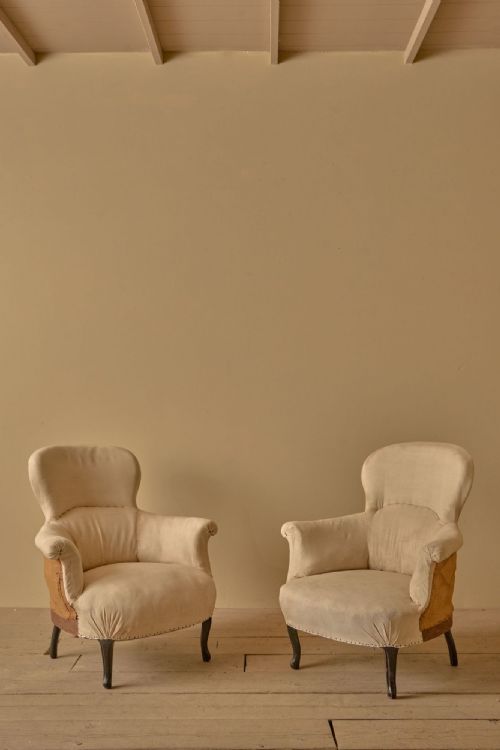
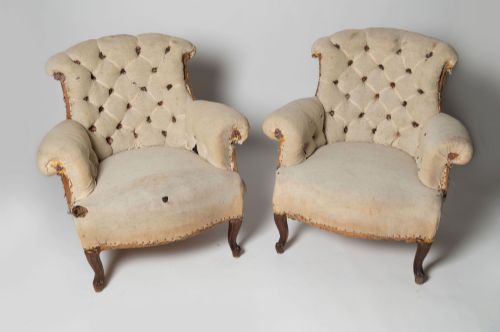
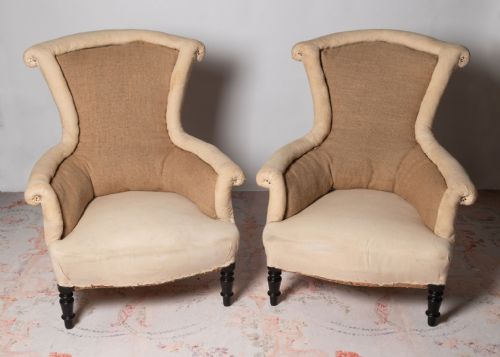
Pair Napoleon III Chairs
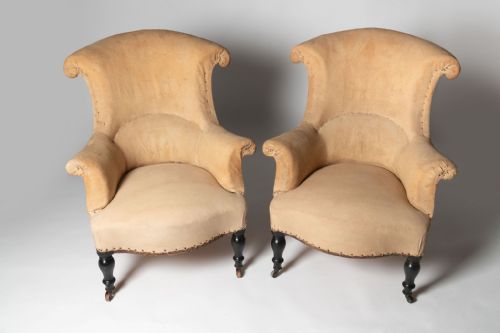
These pair napoleon iii chairs bring grand French salon seating into your room, offering distinct period silhouettes that transform a dull corner.
Pair Napoleon III Chairs
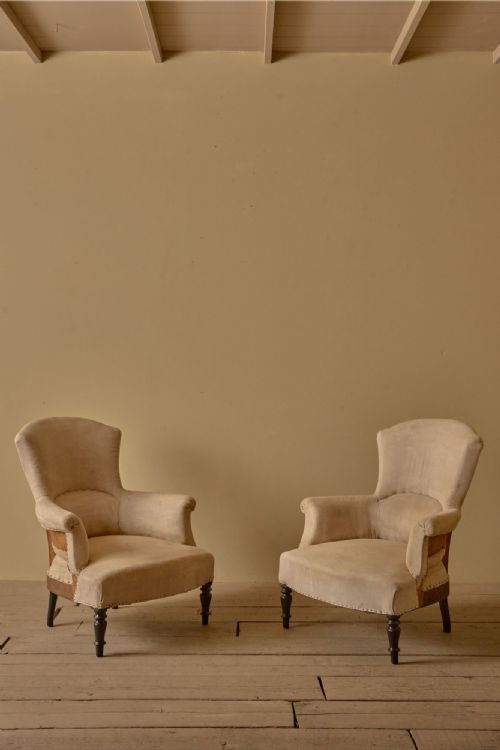
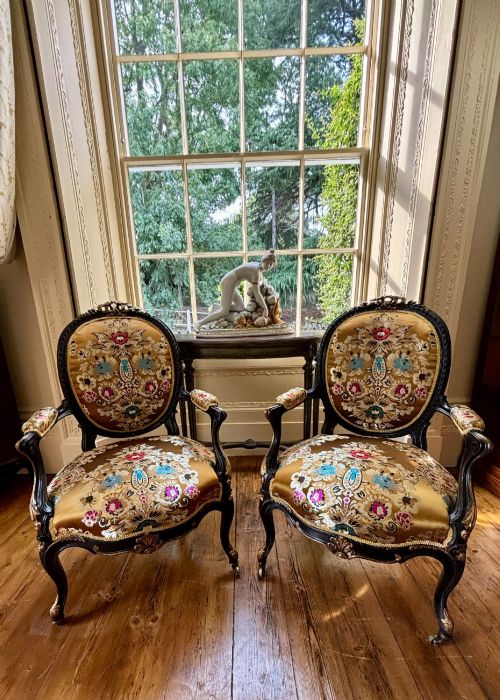
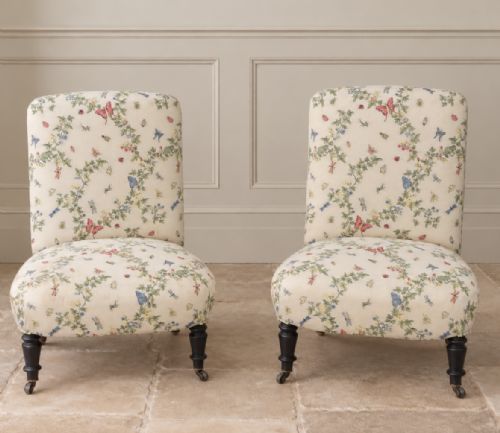
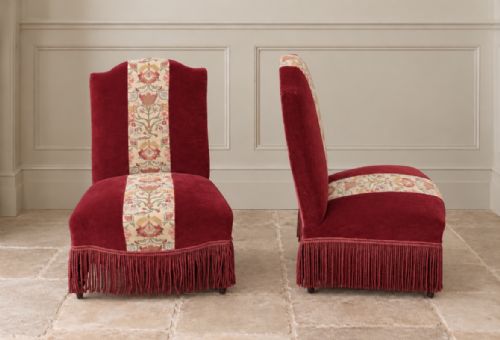
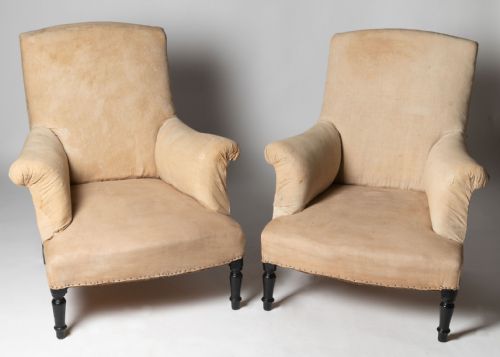
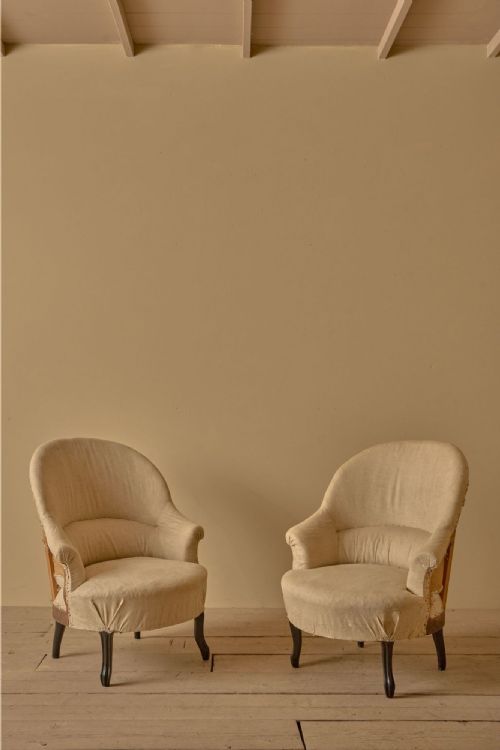
When you search for pair napoleon iii chairs, you encounter seating built during the nineteenth century under French imperial influence. These pieces emerge in forms such as armchairs, tub chairs, slipper chairs, and salon suites.
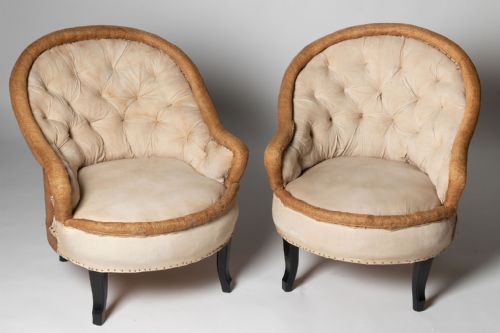
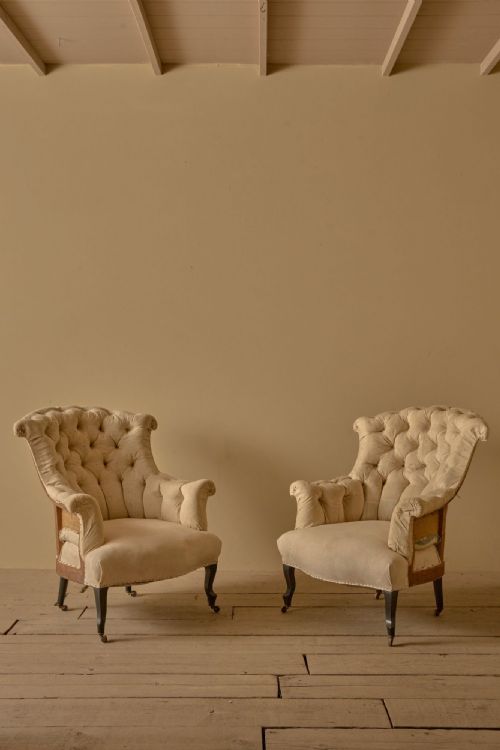
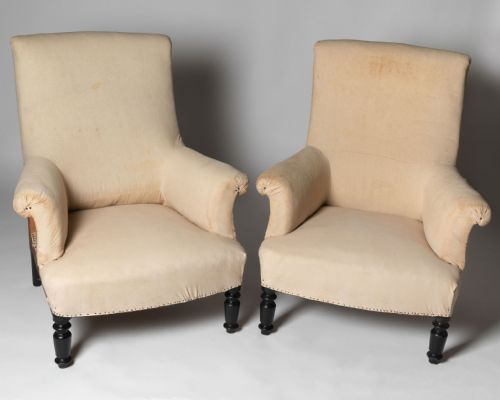
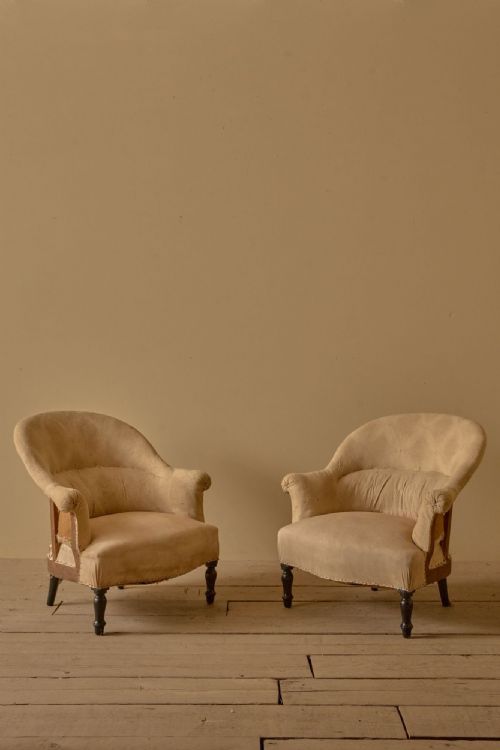
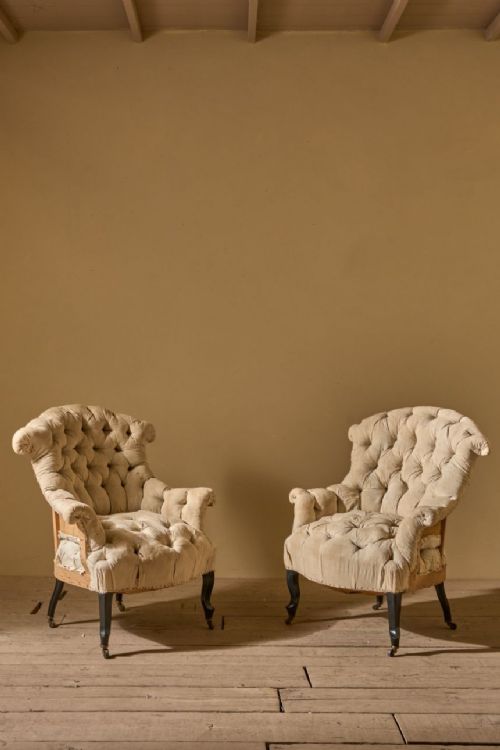
The most common examples on this page include high back fishtail armchairs, tub chairs, and square back variants. They often appear ready for upholstery or finished in calico, fabric, and hessian.
Originating largely from French workshops, these items reflect the decorative tastes of the Second Empire and French Rococo Revival. They span periods from the mid nineteenth century through to nineteen hundred and twenty.
How they were made
Makers utilised timber and beech as the structural carcass for these seats, frequently applying giltwood or gilding to create a brilliant surface. Simulated bamboo appears on select pieces, showing the variety of woodturning techniques employed.
Upholstery foundations relied on traditional stuffing and hessian support, often finished in calico or decorative fabric. Brass details and buttoned back constructions completed the sophisticated aesthetic of the period.
Pair Napoleon III Chairs Retail Price Guide 2026
Typical asking prices for pair napoleon iii chairs among the pieces listed under this phrase on Sellingantiques today, from the lower quarter to the upper quarter. They describe what is for sale here now, not the wider market.
Some chairs pretend to be bamboo when they are actually made of honest wood, proving the Victorians loved a clever botanical disguise.
What varies in quality
The distinction between average and exceptional items lies in the crispness of the giltwood and the integrity of the carved wooden frame. Pieces featuring intricate forms like fishtail backs or scroll arms demonstrate superior craftsmanship compared to plain frames.
The proportion and symmetry of the pair dictate visual balance within a room. Well executed buttoning and original structural rigidity set the finer examples apart from standard utilitarian seating.
The Pair Napoleon III Chairs Glossary
- Giltwood
- Wood that has been treated with gold leaf or a gold coloured finish. This technique highlights the carved details of nineteenth century frames.
- Fishtail
- A chair back shape that flares outwards towards the top in a curved silhouette. This form is characteristic of specific nineteenth century armchairs.
- Tub chair
- An upholstered chair with a continuous curved back and arms forming a circular enclosure. These provide a compact and supportive seat.
- Hessian
- A coarse woven fabric typically utilised as a foundation layer for traditional upholstery. It provides internal support beneath the outer covering.
- Simulated bamboo
- Wood turned and painted to resemble natural bamboo stalks. This decorative finish appears on lighter chairs from the period.
Pair Napoleon III Chairs: Frequently Asked Questions
Where should I place a pair in my home?
These chairs suit drawing rooms, bedrooms, or grand hallways where matching symmetry works best. Their decorative frames demand a space where they remain visible from multiple angles.
Position them opposite a fireplace or flanking a central piece of furniture to create a balanced seating arrangement.
How do I identify a true nineteenth century piece?
Examine the timber construction beneath the upholstery and look for traditional joinery methods. The weight of the wood and the hand carved details indicate the period.
Styles like Second Empire and French Rococo Revival carry distinct ornamental motifs that separate them from later reproductions.
Can I use modern fabric for reupholstery?
Modern textiles work well on these frames provided the weight complements the scale of the chair. Many pieces require new fabric to match contemporary interiors.
Traditional buttoning and calico foundations can be replaced or restored by a skilled upholsterer while preserving the original shape.
What is the difference between salon and arm chairs?
Salon chairs generally feature lighter frames designed for decorative entertaining rather than heavy daily lounging. Armchairs offer more substantial padding and structural support for extended sitting.
Both types reflect the French chateau aesthetic through carved giltwood and curved backs.