




Pair Metal Figure Sculptures
Pair metal figure sculptures bring classical subjects and animal forms into a room as balanced counterparts.
Pair Metal Figure Sculptures
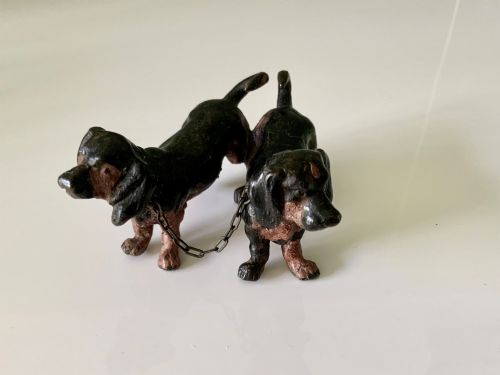
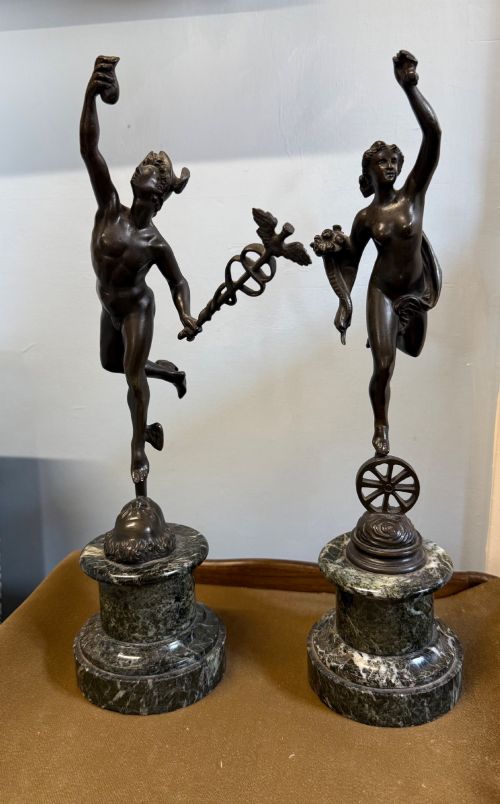
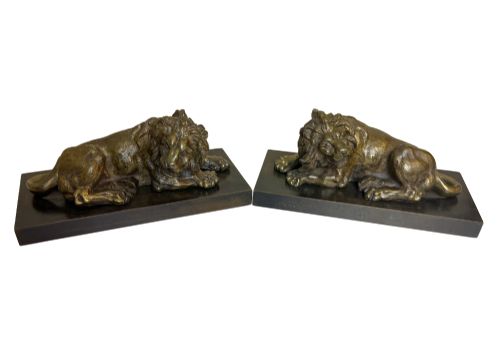
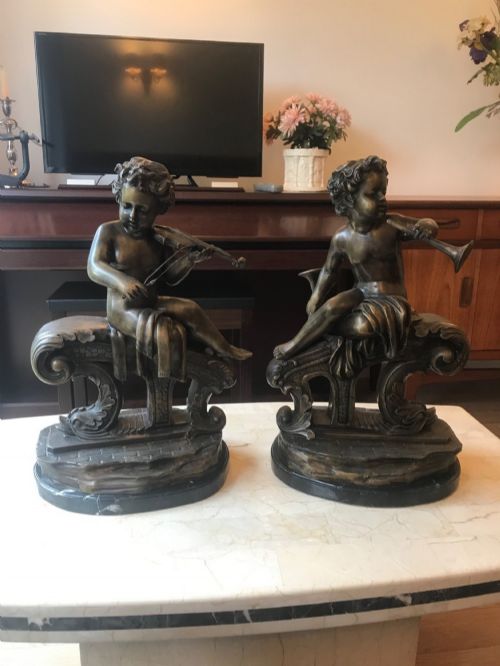
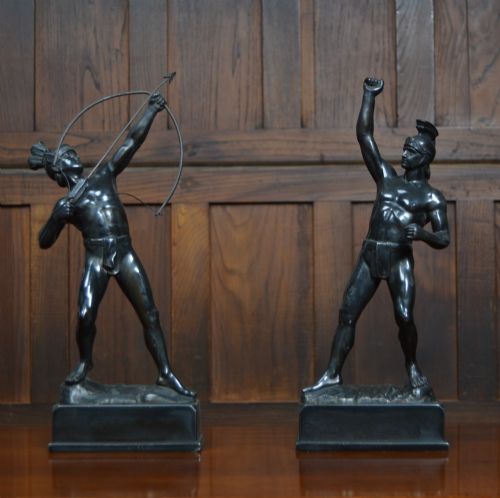
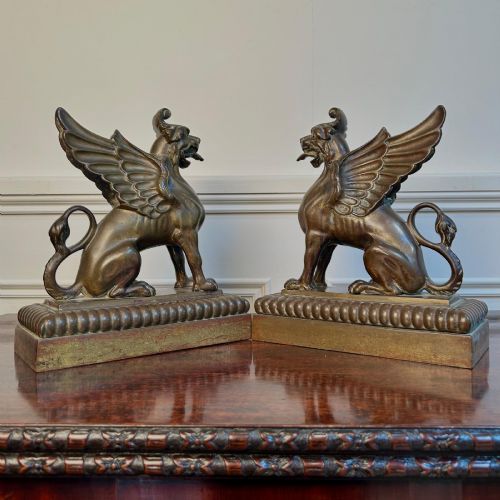
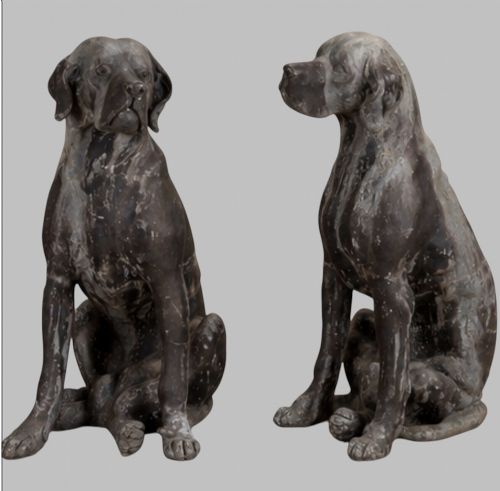
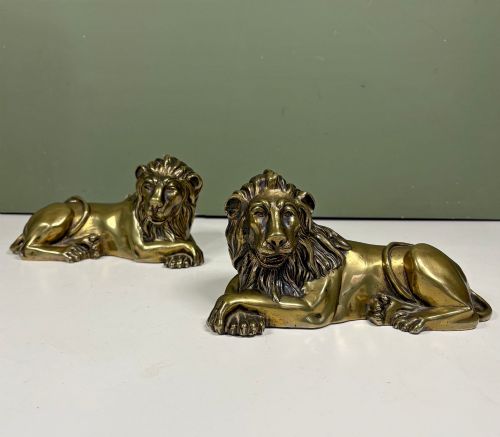
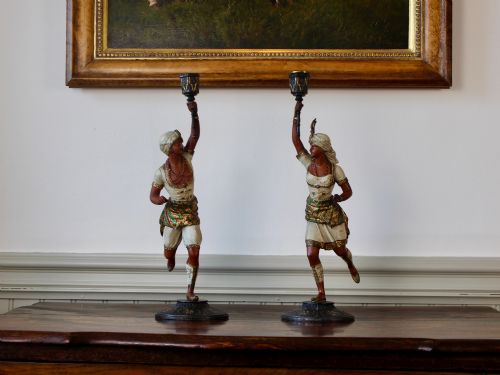
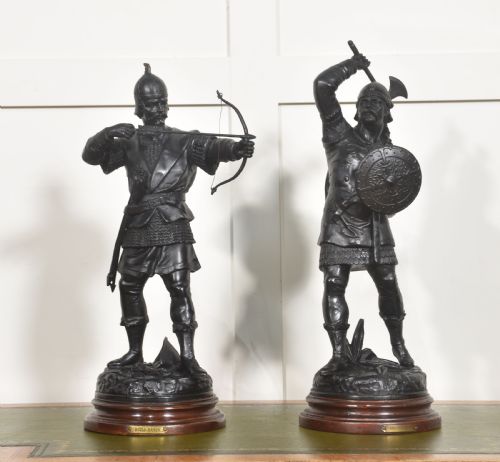
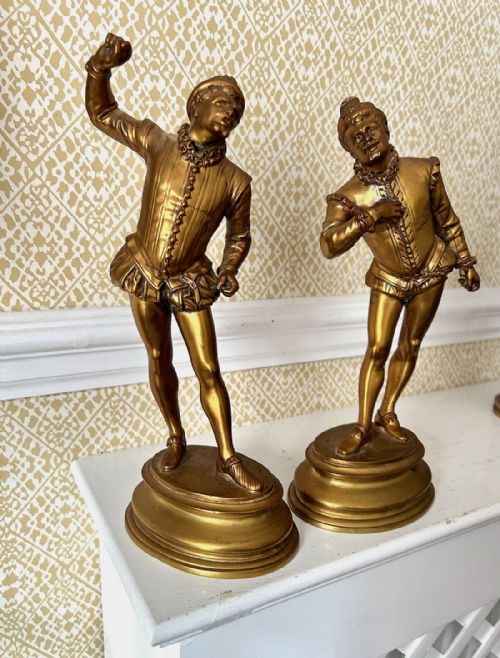
When you search for pair metal figure sculptures, you encounter matched sets rendered in bronze, spelter, brass and cast iron. These works range from classical figures and medieval characters to animals such as lions, dogs, horses and pheasants.
The pieces span the nineteenth century through the early twentieth century, incorporating Victorian, Neoclassical and Rococo Revival styles. Many stand on marble or wood bases, functioning as decorative objects, doorstops or candlesticks.
How They Were Made
Foundries utilised casting methods to shape molten metals like bronze, spelter and iron into detailed human and animal forms. Artisans then applied finishes including cold painting, gilt highlights, silver plating and dark patination.
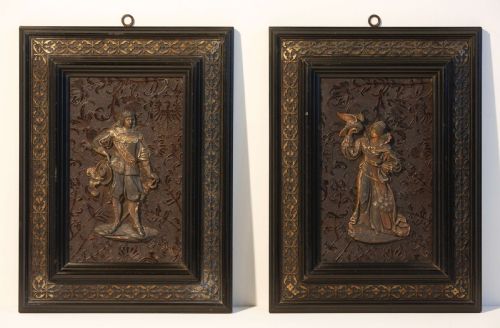
Many sculptures incorporate secondary materials such as marble bases, olive wood supports and applied paint to complete the decorative effect. Relief plaques and figures also show white metal and cast lead construction.
Object forms span statues, garden sculptures, candlesticks, doorstops, animal figurines and wall plaques in Neoclassical and Victorian styles.
What Varies In Quality
The refinement of the casting defines the distinction between standard production pieces and superior examples, particularly in the rendering of facial expressions, drapery folds and animal musculature. Sharp detail in the hair and clothing indicates careful work at the foundry.
The preservation of the original surface finish, whether cold paint, patinated bronze or gilding, governs the integrity of the piece. Matching bases and uniform wear across both items confirm the consistency of the pair.
Emile-Coriolan Guillemin·Fabergé·Charles Cumberworth·Louis Riche·Leonhard Posch
The Pair Metal Figure Sculptures Glossary
- Spelter
- A zinc alloy commonly utilised as a less expensive alternative to bronze for nineteenth-century figures. It often received a bronze-coloured or painted finish.
- Cold painted
- A technique where paint is applied to metal without being fired in a kiln. This finish appears frequently on Vienna bronze animal figures.
- Patination
- The surface colour and texture acquired by metal over time or produced artificially by chemical treatment. Bronze patinas range from deep brown to black.
- Grand Tour
- A cultural journey undertaken by nineteenth-century travellers who acquired small-scale bronze copies of classical monuments and sculptures. These souvenirs often duplicated famous antiquities.
Pair Metal Figure Sculptures: Frequently Asked Questions
What metals were used for these sculptures?
Makers utilised bronze, spelter, brass, cast iron, silver plating and white metal. Each material produces distinct weight and surface characteristics.
Bronze and cast iron provide heavy durability, while spelter offers a lighter alloy that accepted patination and paint.
How do I care for antique metal figures?
Dust the surfaces gently with a soft dry cloth and avoid chemical cleaning agents. Moisture can damage painted and patinated finishes.
Keep the sculptures away from direct heat sources and sunlight to preserve the original metal treatments and applied pigments.
Were these pairs always intended for display together?
Foundries produced matching pairs specifically for symmetrical placement on mantelpieces, pedestals and side tables. Symmetrical display dominated nineteenth-century interior decoration.
Individual items within a matched pair share the same casting mould and finishing technique to maintain visual balance.
What subjects are most common?
Animals such as lions, dogs, horses and pheasants appear frequently alongside human figures. Classical subjects, cherubs, warriors and Egyptian Revival motifs also recur.
Functional items like candlesticks and doorstops incorporate these same figural and animal designs.