


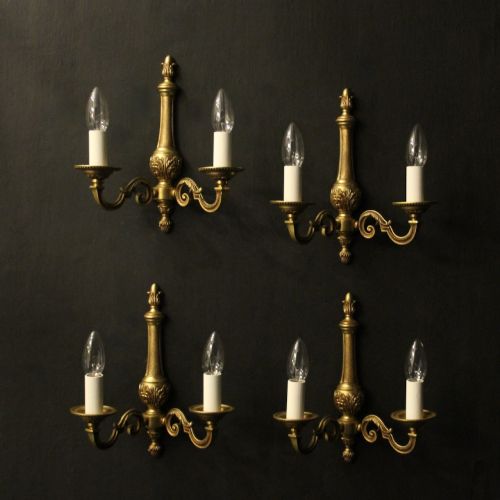
Pair French Lights
When you search for pair french lights, you enter a world of continental illumination ranging from wall sconces to grand chandeliers.
Pair French Lights
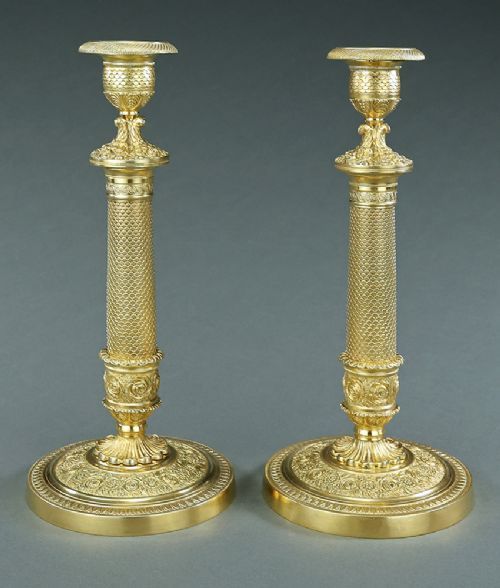
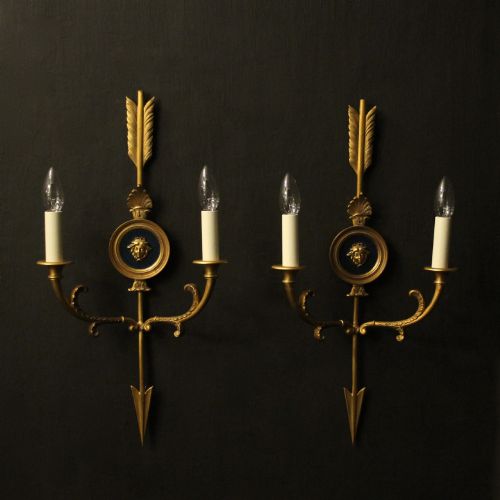
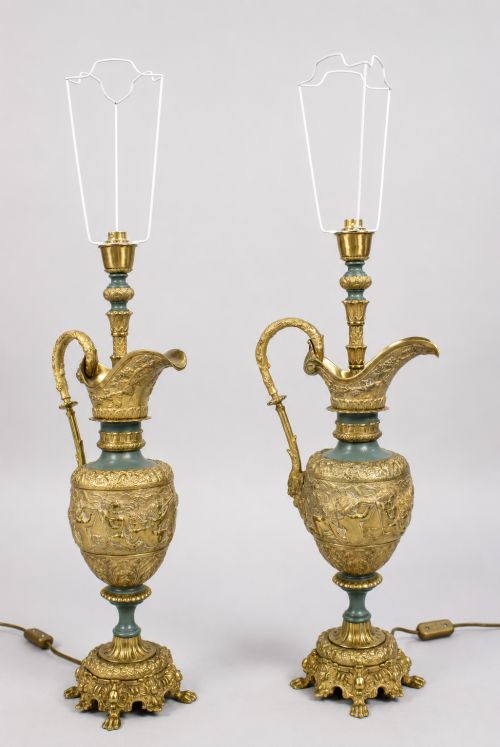
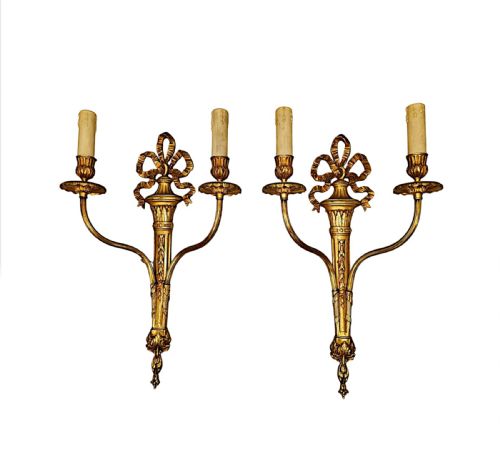
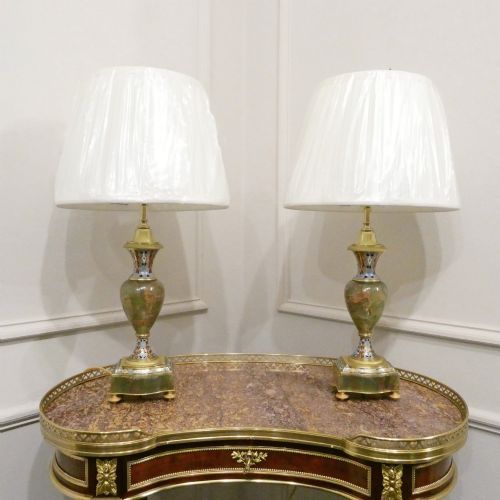
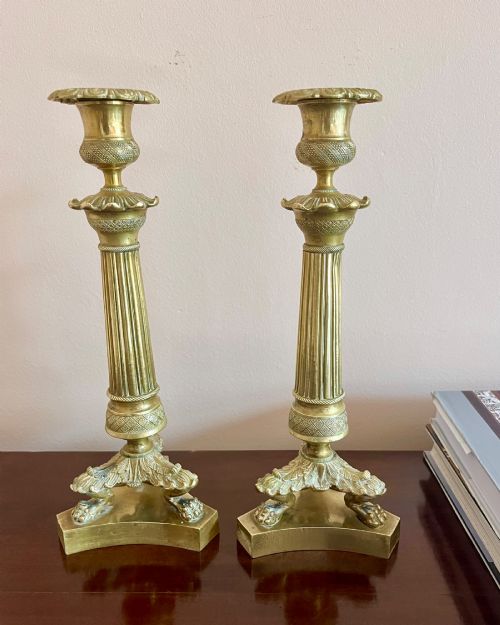
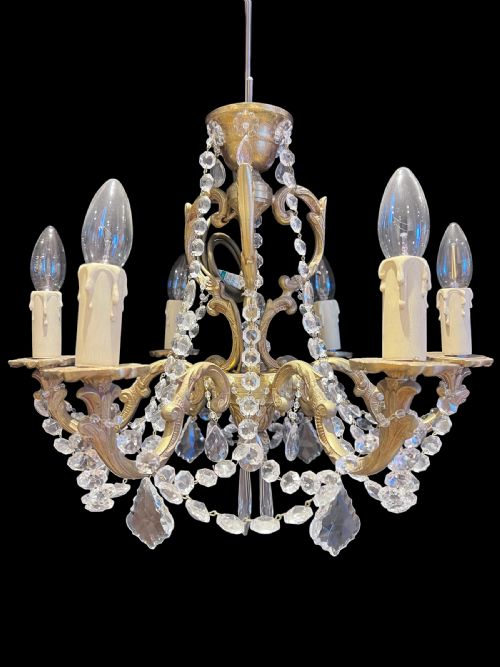
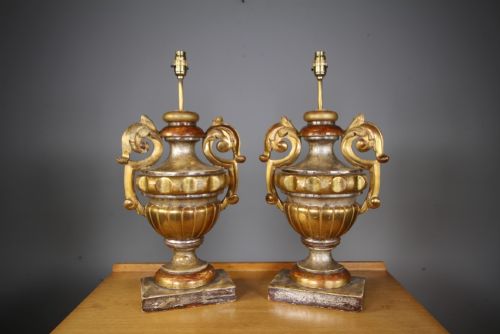
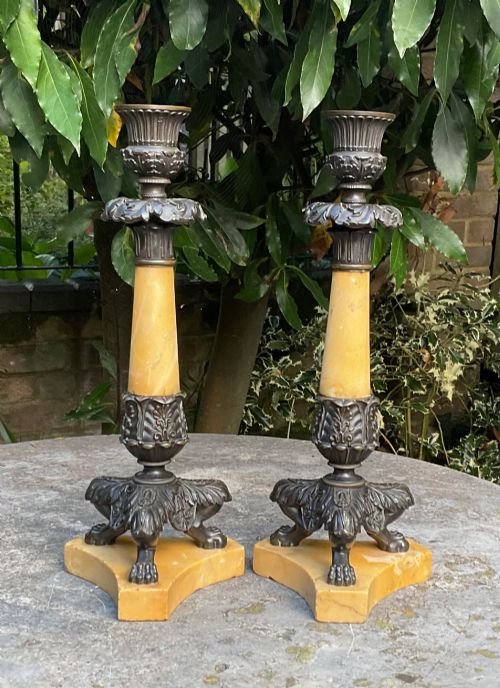
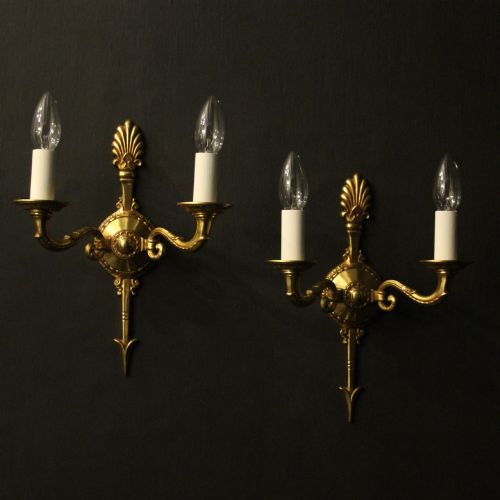
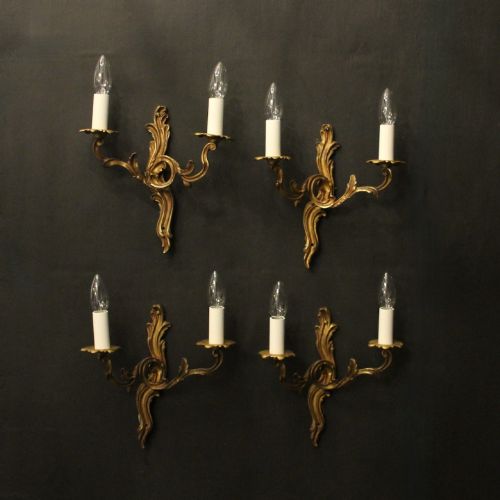
Pair french lights encompass a diverse group of continental illumination fixtures designed to bring symmetry and warmth to a room. You will encounter everything from twin-arm wall lights and sconces to table lamps, candelabra, and chandeliers.
The selections span multiple centuries, heavily drawing upon nineteenth-century craftsmanship as well as early twentieth-century interpretations. Wall lights and gilded brass or bronze sconces dominate the selection, frequently featuring floral, ribbon, or neoclassical motifs.
Makers and designers from various periods utilised distinct regional aesthetics, resulting in fixtures that range from restrained Empire designs to ornate Rococo and Louis-style revivals. Symmetrical pairs remain essential for balancing architectural wall spaces and mantelpieces.
How they were made
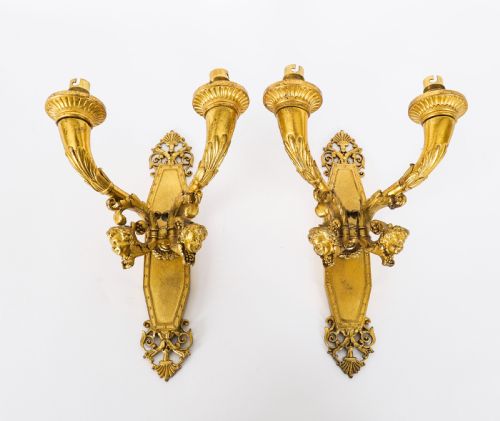
Foundry workers utilised bronze, brass, and ormolu to cast intricate frames, often employing fire-gilding techniques to achieve a rich golden surface. Skilled artisans chased and detailed the metalwork by hand after casting.
Other examples integrate natural materials like marble, onyx, and carved wood, paired with cut crystal drops and tole peinte elements. These varied components required specialised joining methods to support multi-armed branches and glass pendants securely.
What varies in quality
The precision of the metal chasing and the depth of the original gilding dictate the visual impact of each piece. Superior examples display sharp relief in cast bronze or ormolu rather than soft, blurred contours.
The integrity of construction, from the weight of the marble bases to the clarity of the cut crystal and the secure mounting of the arms, separates standard production from exceptional craftsmanship.
Barbedienne·E Rousseau·Maison Baguès
The Pair French Lights Glossary
- Ormolu
- Gilt bronze produced by applying a mercury and gold amalgam to a bronze base and heating it. This technique creates a distinctive, deep golden finish seen on many antique mounts.
- Candelabra
- A branched candlestick designed to hold multiple tapers. These fixtures often feature elaborate sculptural bases in bronze or brass.
- Tole Peinte
- Painted sheet metal used for decorative items such as wall lanterns and sconces. The surface is typically lacquered and hand-painted.
- Champleve
- An enamelling technique where troughs are carved into a metal surface and filled with vitreous enamel before firing. It frequently appears on decorative table lamp bases.
- Sconce
- A wall-mounted lighting fixture designed to hold candles or electric bulbs. Pairs of sconces are traditionally positioned to flank mirrors or fireplaces.
Pair French Lights: Frequently Asked Questions
How do I hang antique wall lights?
Wall lights require secure mounting to wall studs or appropriate masonry anchors to support their weight, especially heavier bronze and crystal models.
Electrical wiring must be assessed by a professional to ensure compliance with modern safety standards before installation.
Are these fixtures suitable for modern wiring?
Many antique wall lights and lamps have been previously rewired for modern electrical use. It remains important to have any vintage lighting checked by a qualified electrician.
Original sockets can often be adapted discreetly while preserving the external antique components.
How do I clean gilt bronze and ormolu?
Dusting gently with a soft, dry brush prevents the accumulation of grime without harming delicate finishes. Harsh chemical cleaners must be avoided entirely.
Moisture can damage older patinated surfaces, so gentle maintenance preserves the historical finish.
How can I tell the period of a pair?
Stylistic cues such as neoclassical symmetry or rococo asymmetry offer initial clues to the era of manufacture. Examining the construction of the fixings and the wear on the metal provides further context.
Materials like hand-cut crystal and fire-gilded ormolu typically point toward nineteenth-century origins.