

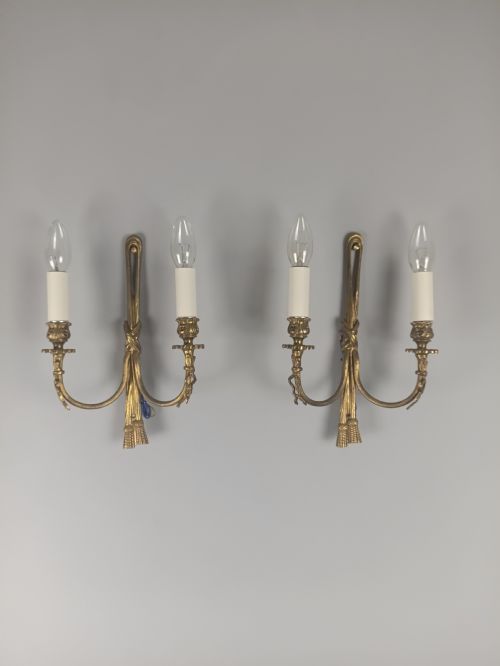

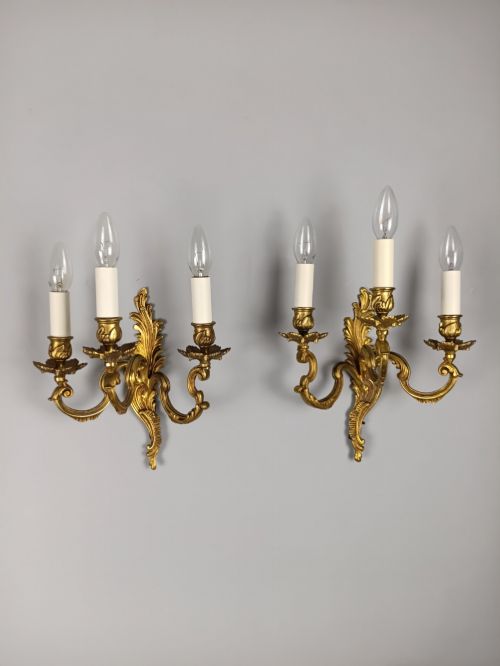
Pair French Gilt Lamps
These pair french gilt lamps bring warmth and decorative focus to an interior, blending cast metalwork with classic continental forms.
Pair French Gilt Lamps
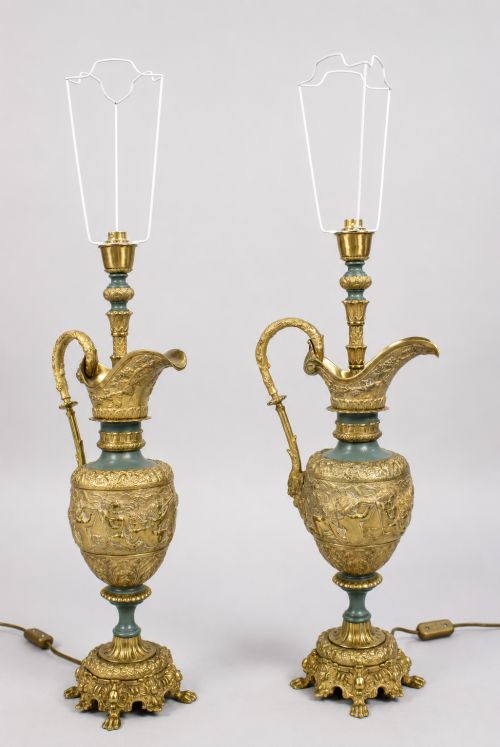
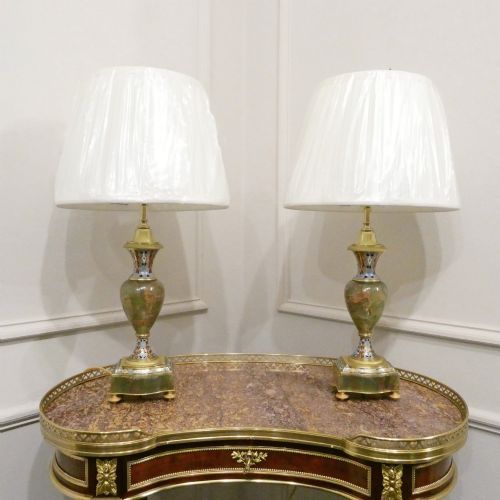
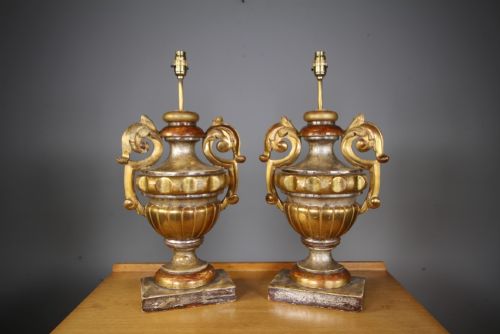
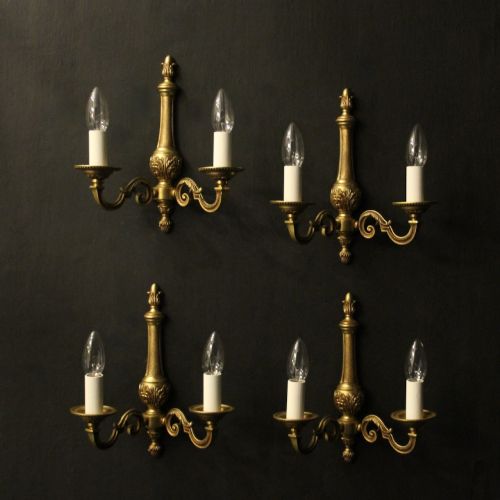
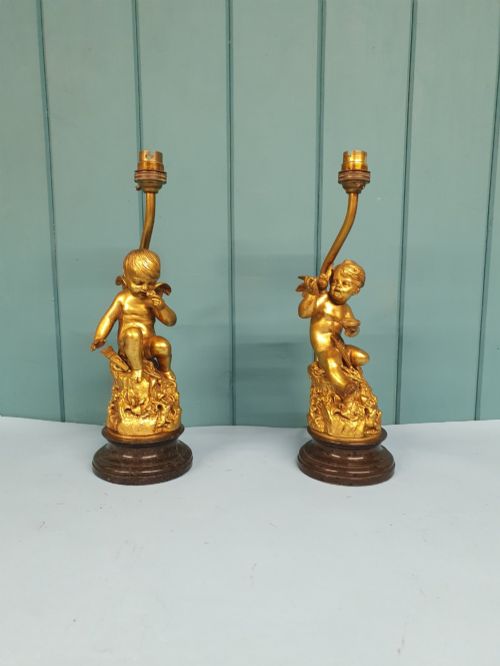
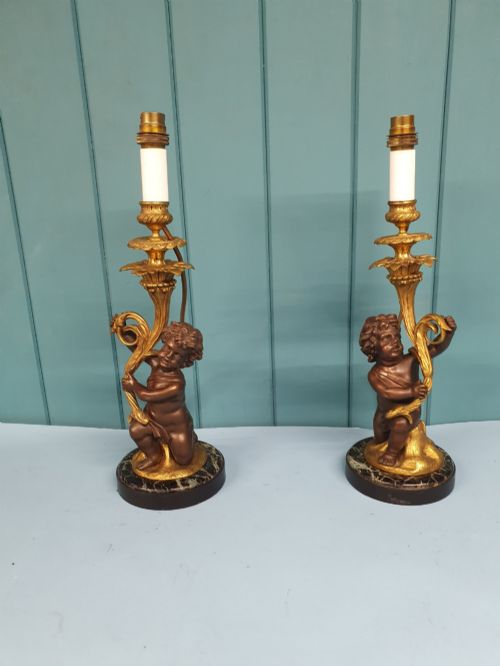
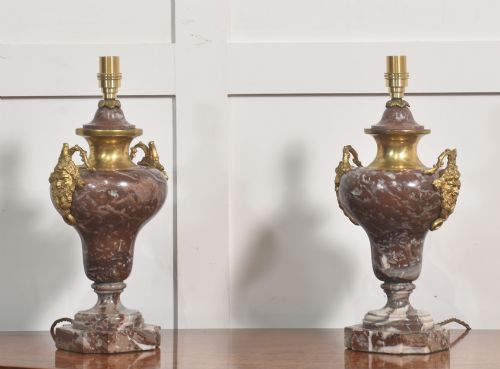
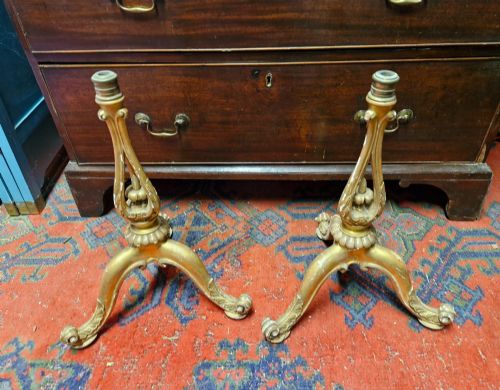
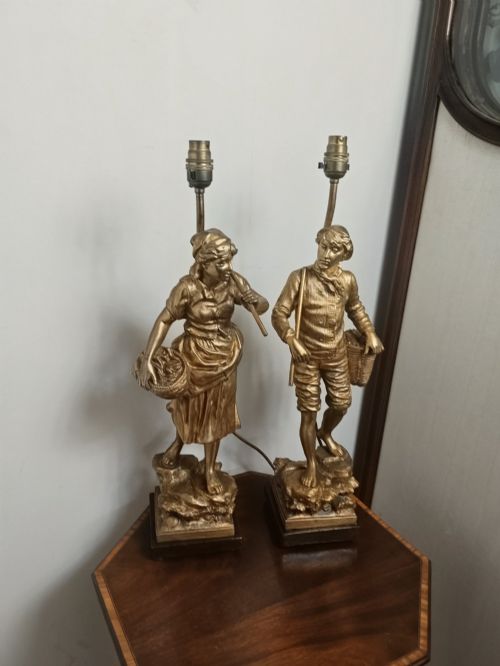
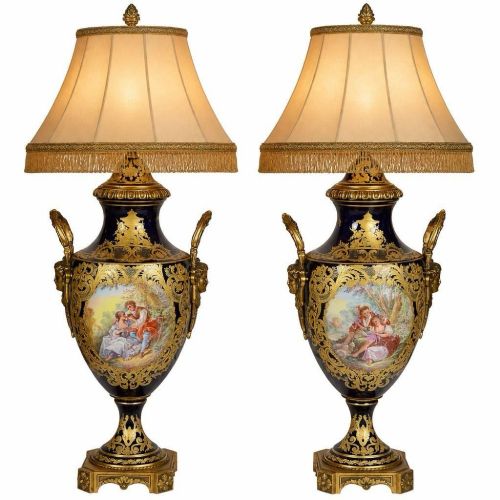
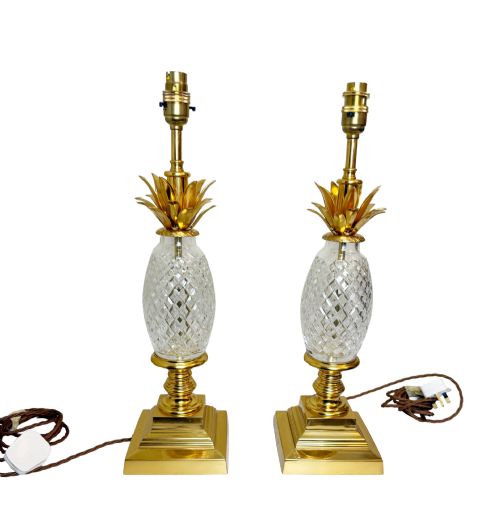
When searching for pair french gilt lamps, collectors encounter matched sets designed for symmetry on sideboards, desks and mantelpieces. The selection spans distinct forms, including urns, ewers, columns and figural compositions featuring cherubs or putti.
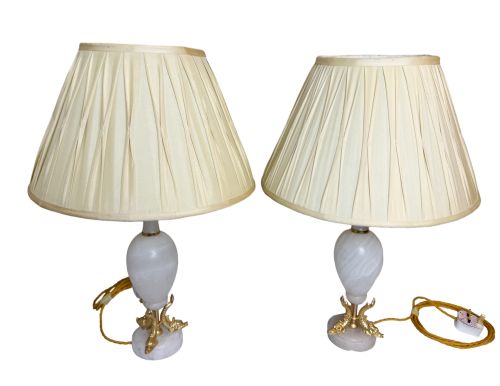
The objects frequently combine gilded metals with contrasting bases of rouge marble, onyx, alabaster or glazed porcelain. Many originate from the nineteenth century and the early decades of the twentieth century, reflecting enduring neoclassical and rococo revival tastes.
What varies in quality
Proportion and balance dictate the visual success of the pair, alongside the integration of original components like porcelain bodies or crystal prisms. Intricacy in figural modeling, particularly in cast putti and cherubs, marks the difference between standard production and workshop masterworks.
Cherubs and putti frequently abandon their traditional roles to heave heavy candle branches or balance awkwardly beneath modern lamp shades.
E Rousseau·Brocot
The Pair French Gilt Lamps Glossary
- Ormolu
- Gilded bronze, typically produced using a mercury amalgamation technique on nineteenth-century French objects. This finish provides a deep, warm metallic lustre.
- Cassolette
- A decorative vessel shaped like a vase or urn featuring a reversible lid that functions as either a solid cover or a candle nozzle. These often appear mounted on marble bases.
- Champleve
- An enamelling technique where troughs or cells are hollowed out of a metal surface and filled with vitreous paste before firing. The resulting patterns frame the surrounding gilt metal.
- Ewer
- A large jug with a wide spout and looped handle, historically used for water but adapted in these listings as the body for sculptural table lamps.
- Putto
- A plump, winged child figure often depicted in bronze or carved wood on rococo and neoclassical lighting. Pairs of these figures frequently support the central lighting stem.
Pair French Gilt Lamps: Frequently Asked Questions
How do I wire antique lamps?
Rewiring is typically handled by a professional electrician using modern flex that matches the scale of the fitting. Existing channels through the metal or stone body allow cord to pass safely from base to bulb holder.
Testing and certification ensure the historic metalwork complies with current safety standards without altering the visible exterior of the lamp.
Were these always electric lamps?
Most examples started life as oil lamps, candlesticks, vases or decorative cassolettes before conversion. Metal collars and mounts were adapted during the twentieth century to accommodate lamp holders and shades.
This functional shift preserves the decorative artistry of the original French bronzework while suiting contemporary domestic lighting needs.
How do I date these lamps?
Dating relies on stylistic clues, such as the symmetrical restraint of Louis XVI neo-classicism or the asymmetric curves of rococo revival pieces. Material combinations, including rouge marble, champleve enamel and fire-gilded bronze, help narrow the period of manufacture.
Casting techniques and assembly methods observed inside the base further indicate whether an item dates from the nineteenth century or the early twentieth century.
How do I clean gilt metal?
Maintenance requires only a soft, dry duster to remove surface dust from the intricate chased details and recesses. Water and chemical polishes should be avoided because they strip historic gilt and ormolu layers.
Gentle handling protects the underlying bronze or brass from exposure and preserves the original patina built up over generations.