
Pair French Bronze Lamps
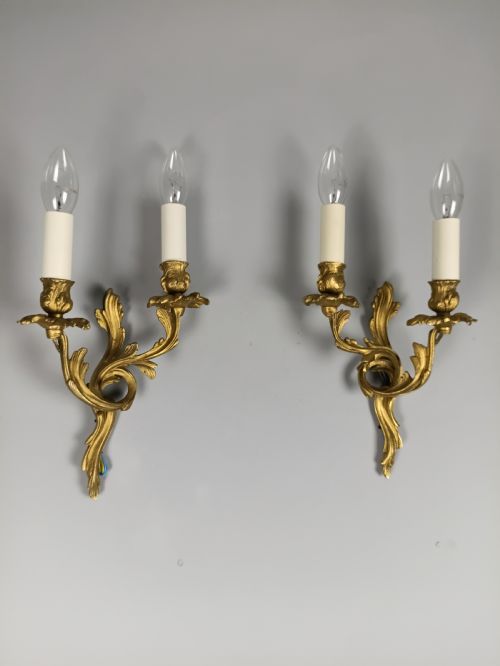
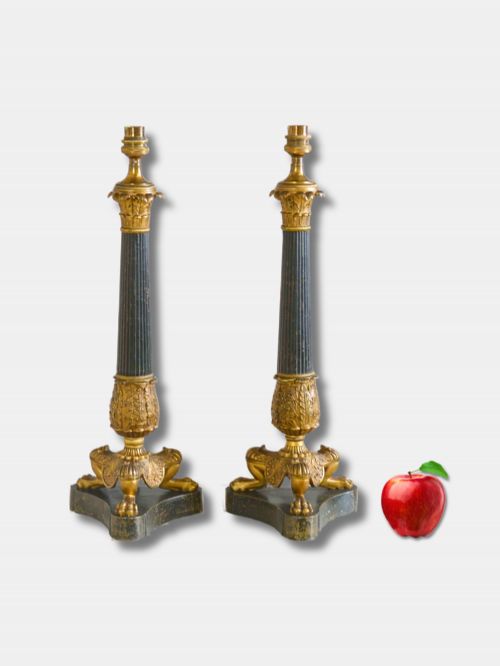
Pair french bronze lamps bring sculptural weight and historical depth to interiors through patinated metal and classical ornamentation.
Pair French Bronze Lamps
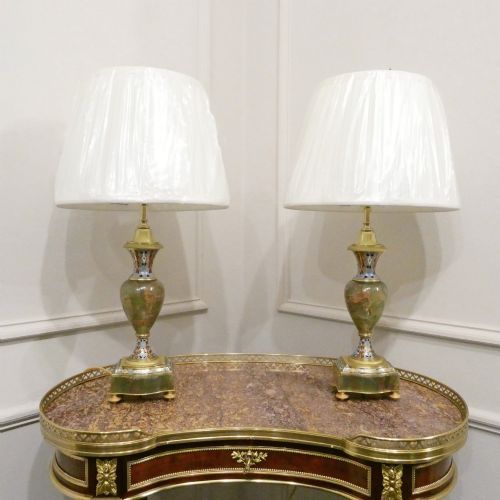
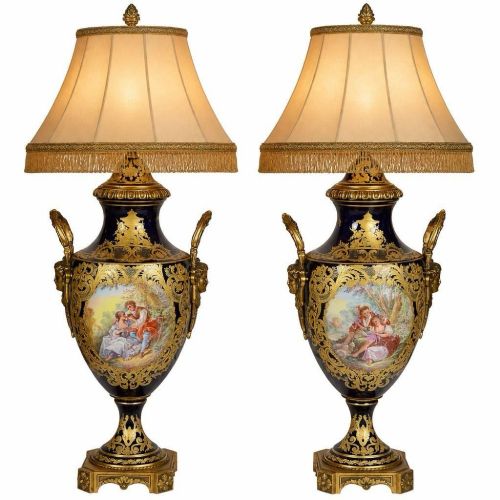
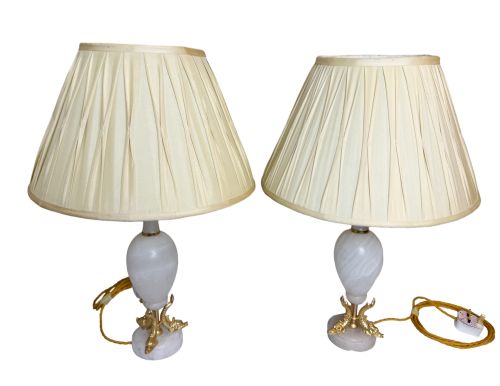
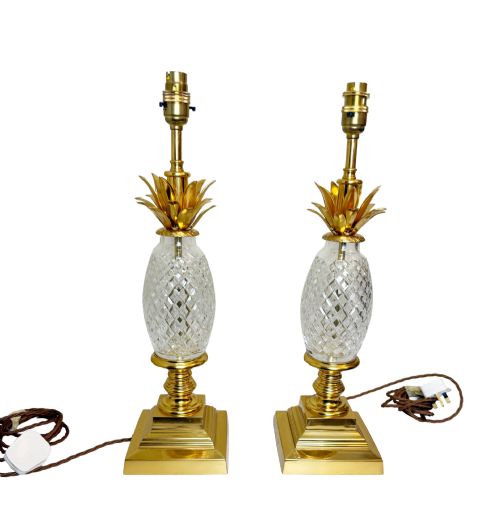
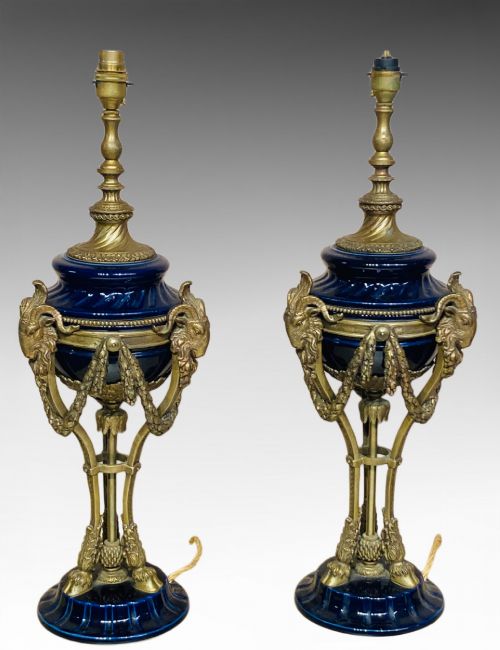
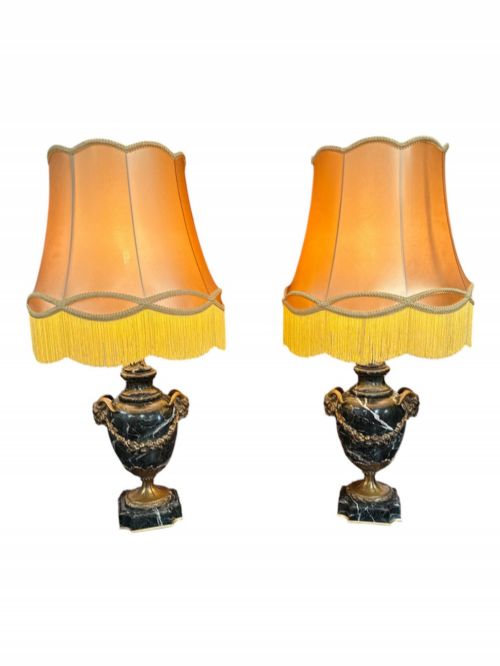
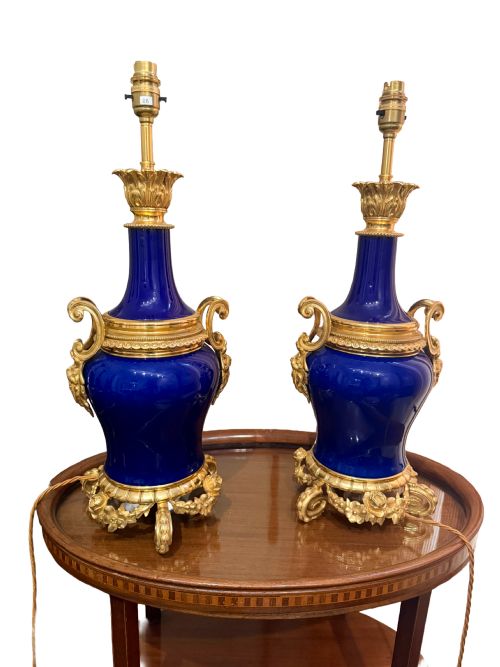
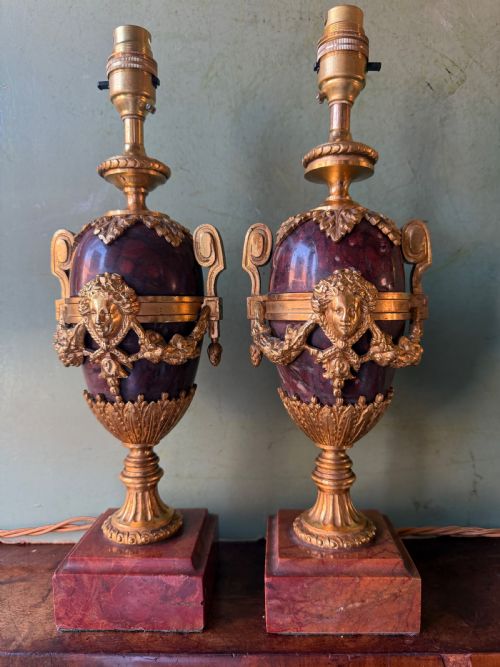
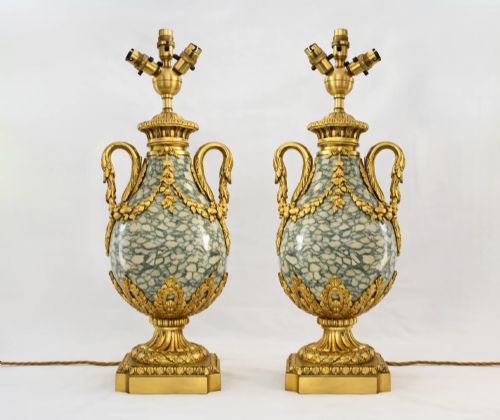
When searching for pair french bronze lamps, collectors encounter lighting fixtures that span from the nineteenth century into the early twentieth century. These objects frequently integrate cast metal with contrasting media such as marble, porcelain, onyx and crystal.
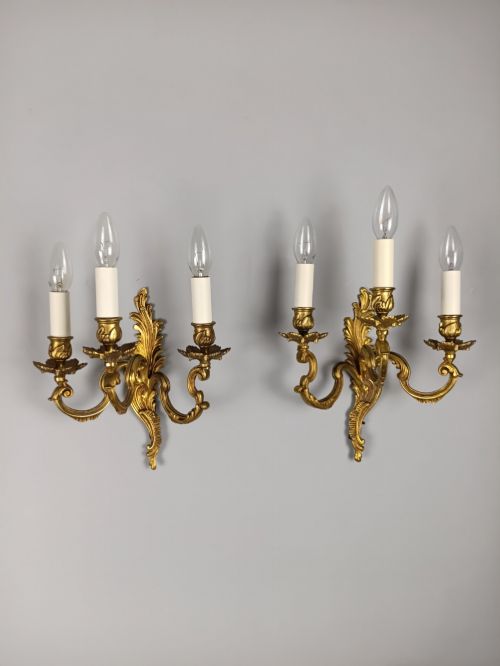
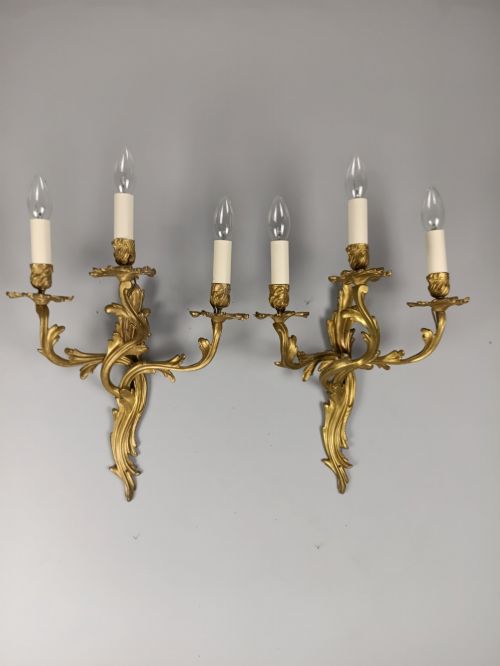
The domestic forms appearing most often on this page include table lamps, wall lights, and wall sconces adapted from earlier candelabra or vases. Stylistic influences draw heavily from Neoclassical, Rococo Revival, Louis XVI and Empire periods.
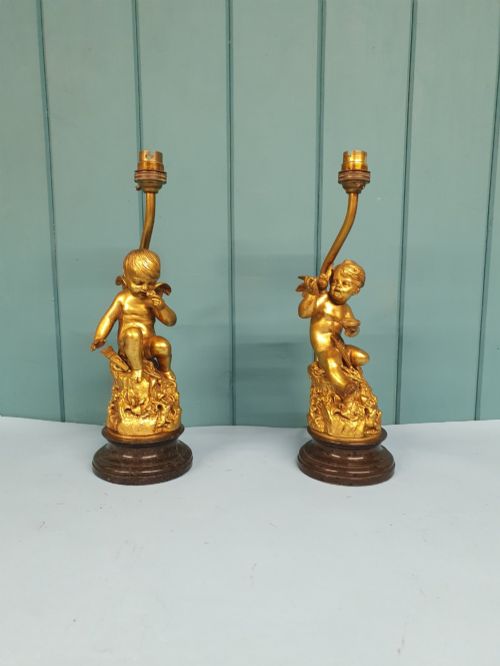
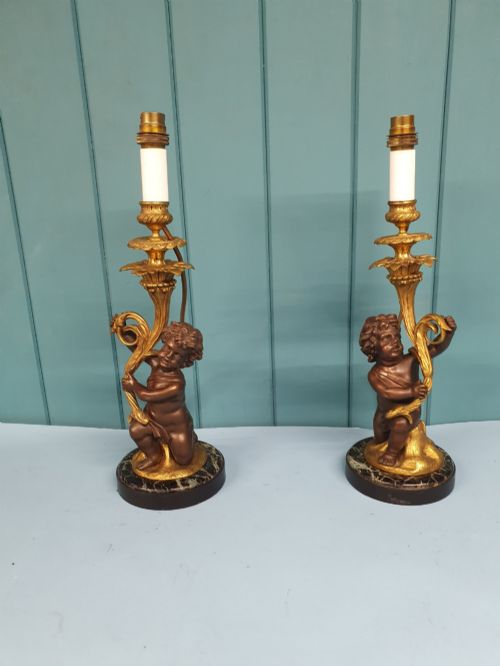
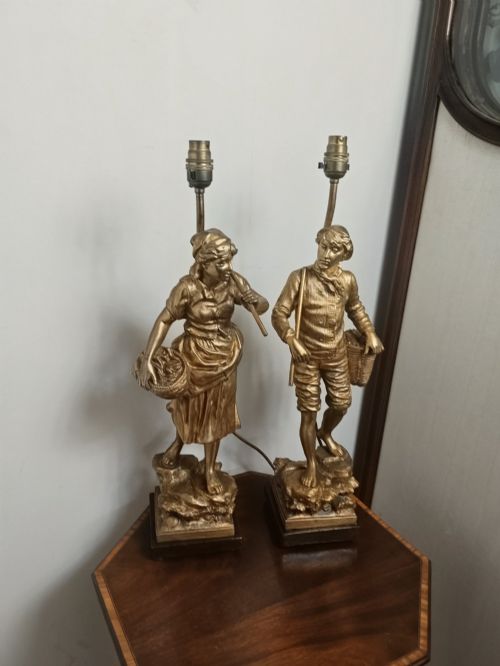
Originating predominantly from French workshops, these items often display figural elements including cherubs, putti or classical urn bodies mounted on pedestals. Conversion from earlier oil or candle burners to electrical wiring is standard across many examples.
Materials and construction methods
Foundry work relies on bronze casting, frequently enhanced with ormolu or gilt finishes to highlight intricate surface relief. Patinated bronze provides dark, tonal contrast against the bright gleam of gilded elements.
Natural stones such as rouge marble, onyx and alabaster form substantial bases and column bodies, often secured with central threaded rods. Porcelain components, including Sevres style and Chinese ceramic vases, receive metal mounts tailored to the body.
Hand-chasing refines the cast metal surfaces after removal from the mould, sharpening details on drapery, foliage and figural anatomy. Ormolu applications involve mercury gilding on bronze, creating a durable golden sheen characteristic of finer French pieces.
Watch for cherubs holding torches that found a second career illuminating modern living rooms.
Assessing quality in cast lighting
The crispness of the chasing work distinguishes superior pieces from softer, more repetitive casts. Sharp relief in hair, feather and acanthus leaf ornamentation indicates skilled hand finishing by the bronzier.
The weight and selection of auxiliary materials reveal the tier of production. Dense natural marbles, heavy gauge brass or bronze, and fire-gilded ormolu signify a higher grade of manufacture than lightweight alloys and cold-painted substitutes.
Proportion and harmony between the metal mounts and the central ceramic or stone body govern the overall visual balance. Cohesive design rooted in classical vocabulary separates custom studio work from mass-produced commercial output.
E Rousseau
The Pair French Bronze Lamps Glossary
- Ormolu
- Gilded bronze produced by applying a mixture of gold and mercury to a bronze base and heating it. This technique creates a rich, lasting surface finish found on many classical French mounts.
- Cassolette
- A decorative urn or vase featuring a reversible lid that functions either as a solid vessel or a candle holder. These forms frequently appear converted into lamp bases.
- Champlevé
- An enamelling technique where troughs are dug into a metal surface and filled with vitreous paste before firing. It appears on metalwork combined with onyx or bronze.
- Torchère
- A decorative stand or candlestick designed to hold a light source, often depicted in the hands of cast cherub figures. These motifs translate directly into figural lamp standards.
- Patinated bronze
- Metal treated chemically or exposed to air to produce a dark surface coloration. This contrasts with bright gilt highlights on figural and architectural castings.
Pair French Bronze Lamps: Frequently Asked Questions
What periods do these lamps date from?
The inventory spans the nineteenth century through to the 1930s, encompassing Regency, Empire, Louis XVI style, and Art Nouveau aesthetics.
Earlier nineteenth-century examples often derive from converted candlesticks and classical urns, while twentieth-century pieces lean towards onyx and champleve combinations.
Are these lamps recently rewired?
Many listings indicate that the fixtures have been rewired to meet modern electrical safety standards for domestic use.
Buyers should inspect the specific condition notes to confirm whether original wiring remains or if contemporary components have been installed.
How do I distinguish ormolu from brass?
Ormolu consists of mercury-gilded bronze, showing a deep golden lustre and substantial weight beneath the surface finish. Brass is an alloy of copper and zinc that tends to have a brighter, yellower tone when polished and lacks the characteristic fire-gilt depth.
How do I care for marble and bronze?
Dust bronze surfaces gently with a soft cloth and avoid abrasive polishes that might strip the original patination or gilding. Marble components tolerate light wiping with a damp cloth, provided moisture is kept away from internal metal fixings.