

Pair Framed Art Prints
Pair framed art prints offer matched historical balance on a wall, bringing symmetrical displays of period engravings, lithographs and paintings into a room.
Pair Framed Art Prints
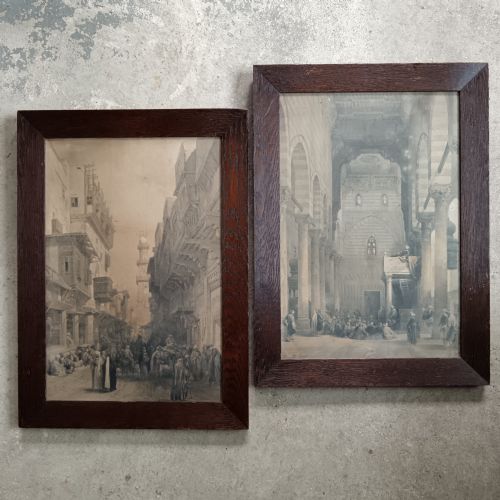
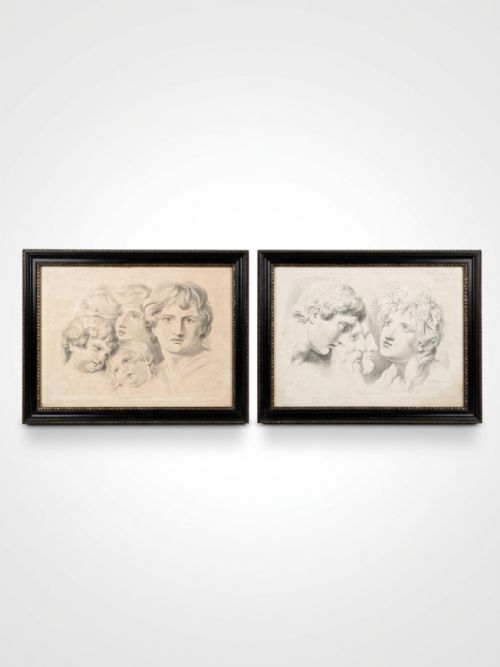
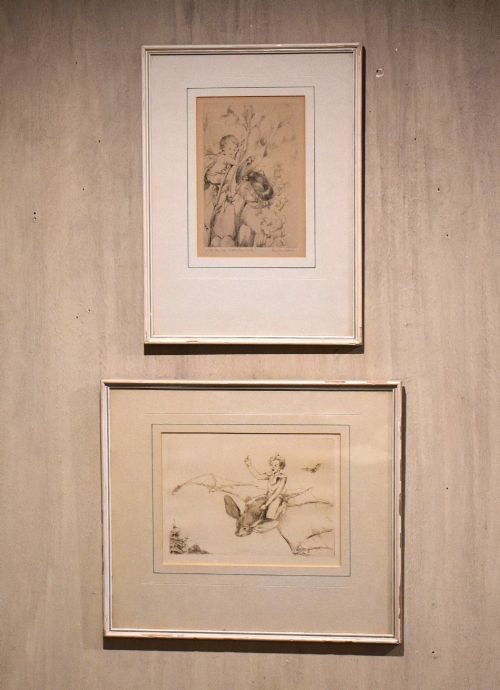
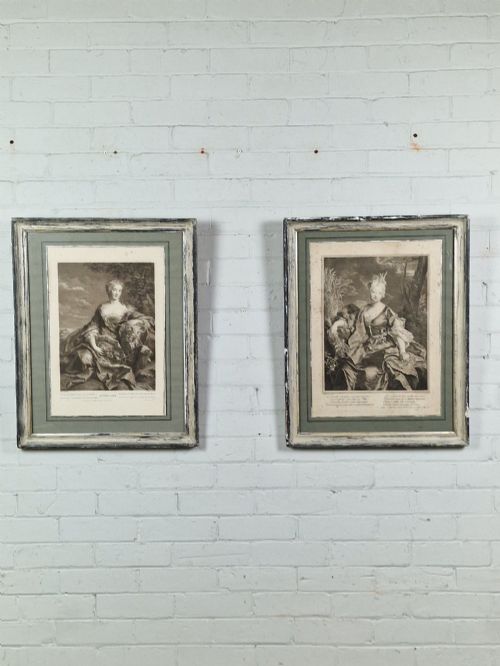
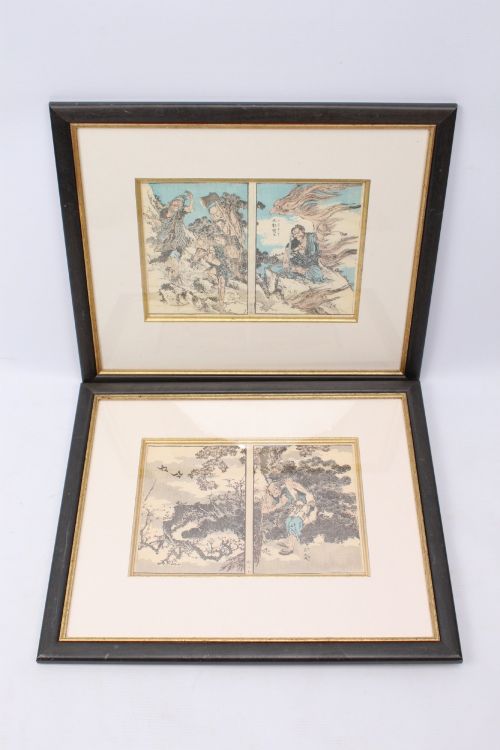
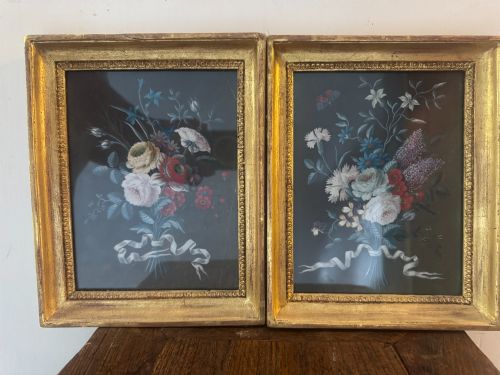
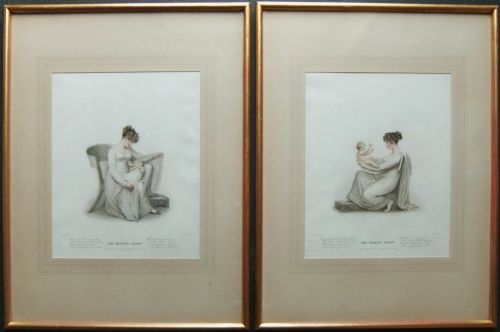
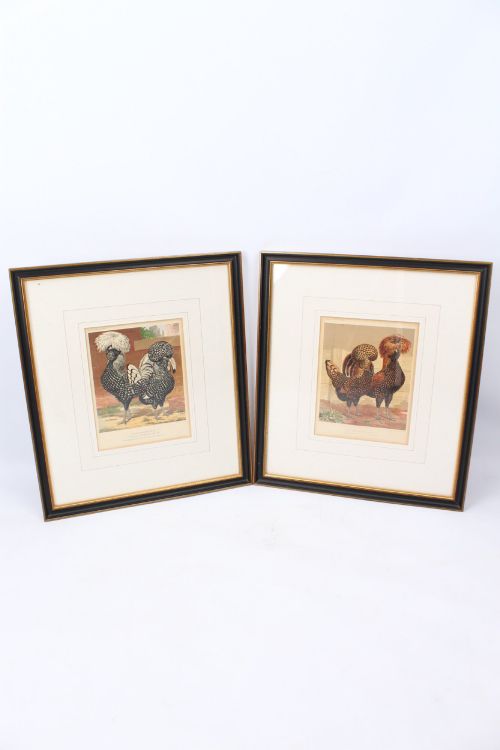
When searching for pair framed art prints, buyers encounter matching sets of historical wall decoration designed to hang in symmetry. These coordinate pieces range from eighteenth-century royal mezzotints and French botanical or animal engravings to nineteenth-century children's subjects, military formations and topographical views.
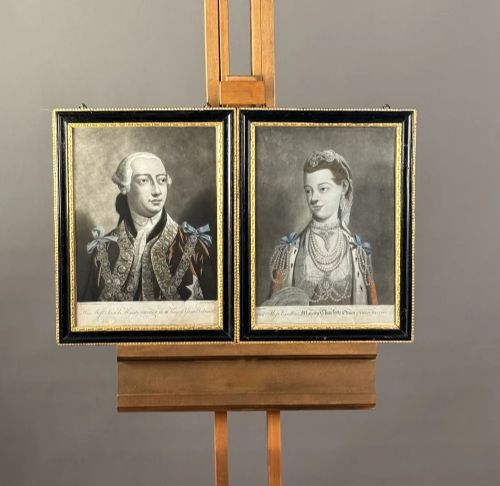
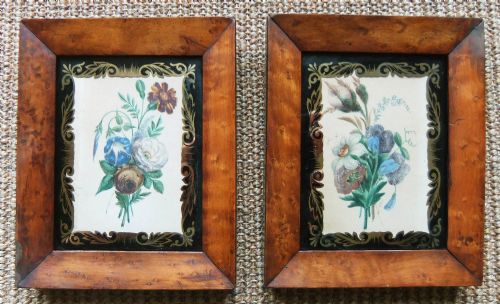
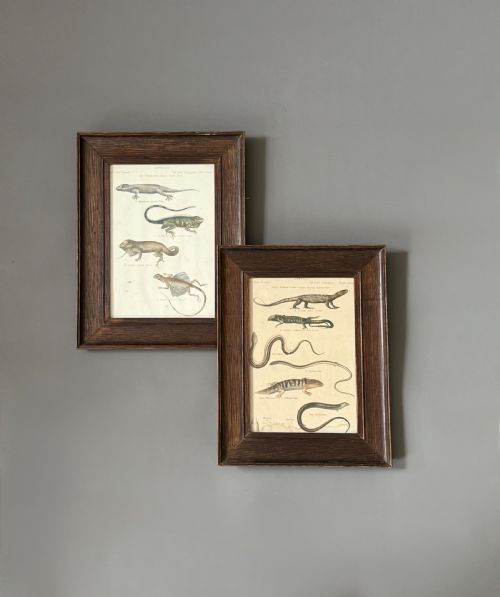
The selection frequently includes matching portrait pairs, such as depictions of King George III and Queen Charlotte, alongside natural history studies like reptiles, birds and flowers. Domestic scenes, classical Grand Tour compositions and decorative lithographs also appear regularly across Georgian, Victorian and Edwardian periods.
Many of these matched artworks arrive housed in their original period enclosures, utilising woods such as rosewood and walnut, or finished with gold leaf and giltwood. The dual format provides an immediate sense of completion for interior display, avoiding the difficulty of matching separate single pictures later.
Materials and execution
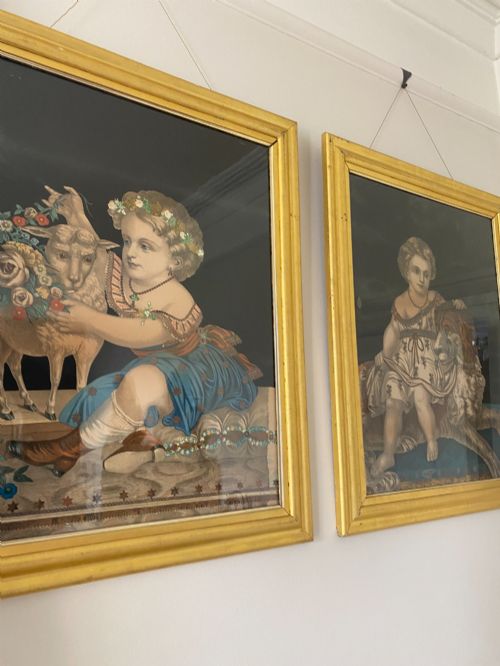
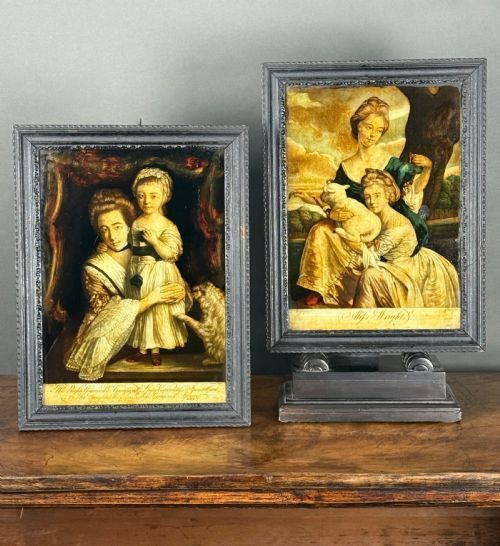
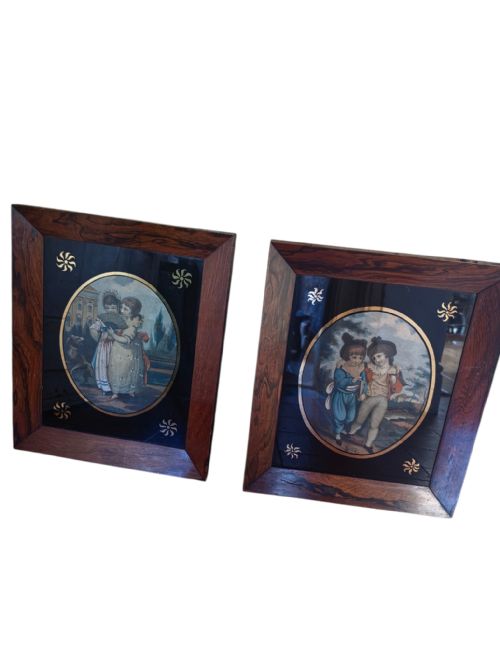
Printmakers and artists of the eighteenth and nineteenth centuries utilised paper, ink, and occasionally vinyl canvas or silkwork, applying hand-colouring to engravings, lithographs and mezzotints. Techniques such as reverse glass painting and crystoleoms required pigment applied directly to the rear of the glass plate, creating a luminous depth unique to the period.
The accompanying frames rely heavily on traditional carpentry using timber substrates like walnut and rosewood, finished with applied gold leaf, gilt, or giltwood mouldings. Glass protects the fragile paper surfaces within, often held by original backing boards and early fixings that testify to the age of the pairing.
Pair Framed Art Prints Retail Price Guide 2026
Typical asking prices for pair framed art prints among the pieces listed under this phrase on Sellingantiques today, from the lower quarter to the upper quarter. They describe what is for sale here now, not the wider market.
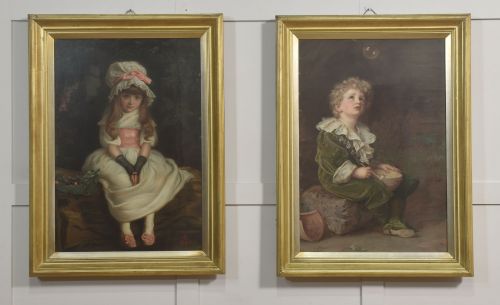
Some nineteenth-century children wear metal embellishments stitched directly onto their clothing within the prints.
Factors of quality
Quality in these matched sets depends heavily on the fidelity of the impression and the crispness of the ink work upon the paper, where sharper lines indicate earlier pulls from the printing plate. Hand-applied colouring also dictates distinction, separating hurried tinting from delicate, precise washes that preserve the underlying detail of the engraving.
The survival of original framing components significantly elevates the standing of a matched set. Pairs retaining their period giltwood, rosewood or walnut surrounds with intact glass and backing offer greater historical integrity than those placed in later modern replacements.
William Bird MD FLS·Jean Mariette·Thomas Frye·Richard Purcell·Jacobus Houbraken·George Rankin·Demarteau·John Frederick Herring Snr·David Roberts·Louis Haghe·Robert Sayer·Louis Wain·Buffon·Pierre Buillon·Henri Chatillon·Samuel Sidley
The Pair Framed Art Prints Glossary
- Mezzotint
- A printmaking process where the copper plate is roughened uniformly to produce rich tonal gradations and dark backgrounds. This method allows for subtle shifts in shadow and light, frequently utilised for historical portraits.
- Lithograph
- A planographic printing technique based on the antipathy of grease and water, drawn upon limestone or metal plates. It enabled the mass production of coloured art prints popular throughout the nineteenth century.
- Reverse glass painting
- An artistic technique where the image is painted directly onto the reverse side of a glass sheet, viewed through the front. This process yields a glossy, reflective surface finish.
- Giltwood
- Timber carved and coated with a thin layer of gold leaf or gold paint. It forms the decorative border common on formal antique frames.
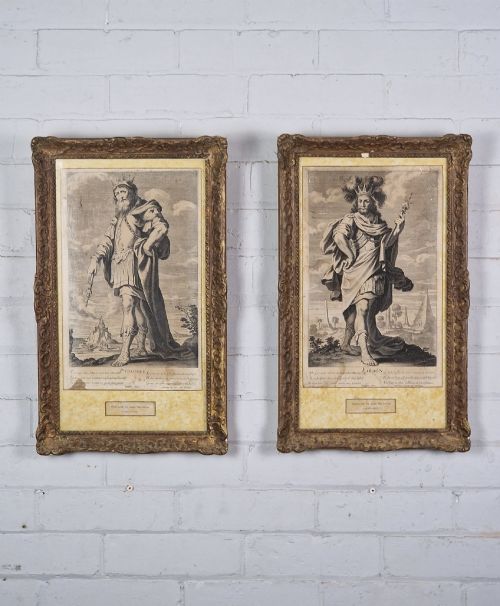
- Engraving
- A method of incising a design into a hard plate, usually metal, using a sharp cutting tool called a burin. The resulting grooves hold the ink for transfer under pressure to paper.
Pair Framed Art Prints: Frequently Asked Questions
How should I hang them?
Matched sets look best hung at eye level with consistent spacing between the two frames to maintain visual balance.
Ensure the hanging wire or fixings on the back of each frame are secure before placing them on the wall.
Are the frames original?
Many listings retain their period surrounds, such as nineteenth-century rosewood or gilded wood, which match the era of the artwork.
Descriptions often note whether the frames are contemporary to the prints or represent later replacements.
How do I care for antique paper prints?
Keep the artworks away from direct sunlight to prevent the fading of ink, paper and hand-applied watercolours.
Maintain stable indoor humidity levels to protect both the delicate paper sheets and the wooden frames.
What is a reverse glass print?
This technique involves applying pigment directly to the back of a glass panel so the finished image is viewed through the front.
The process creates a distinct glossy sheen that differs significantly from standard paper presentations.