


Pair Edwardian Twin Beds
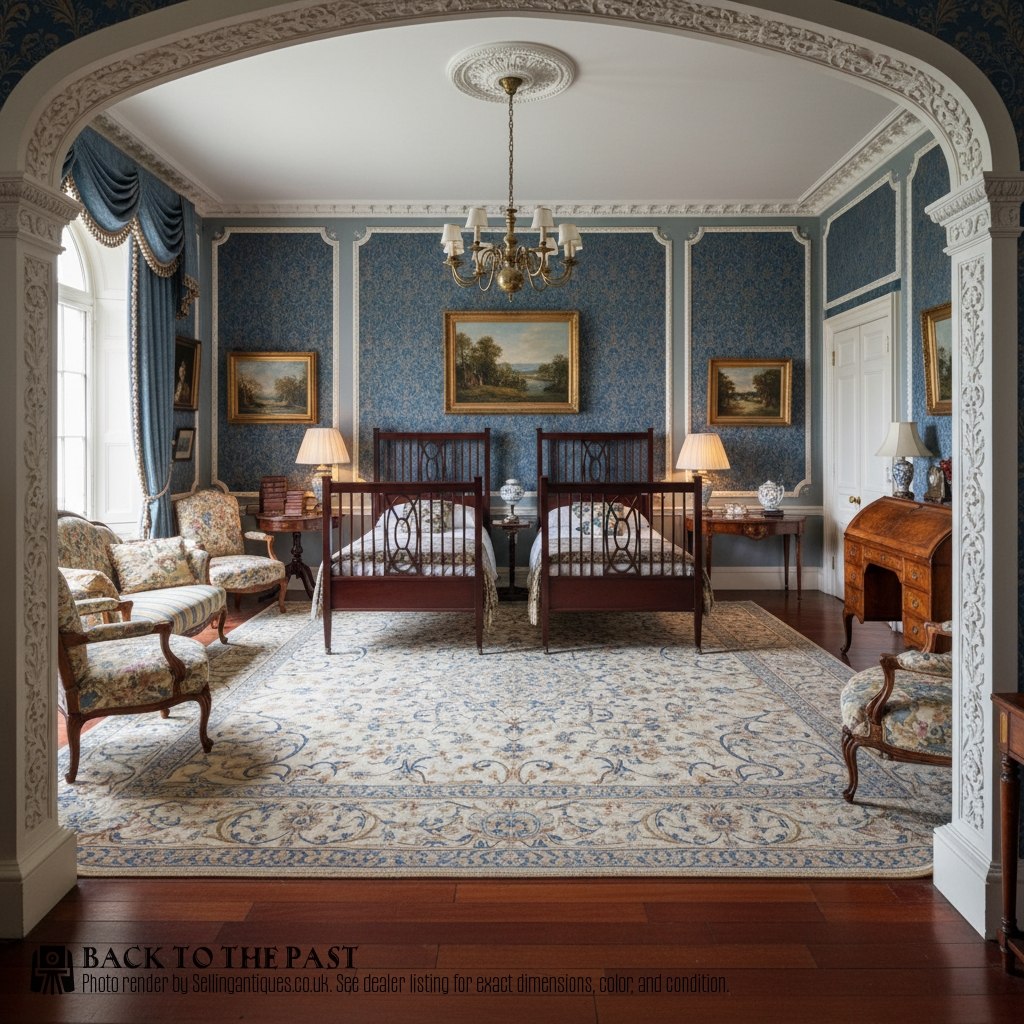
Pair Edwardian twin beds bring matching craftsmanship and period character to a bedroom, offering a cohesive sleeping arrangement with authentic historical presence.
Pair Edwardian Twin Beds
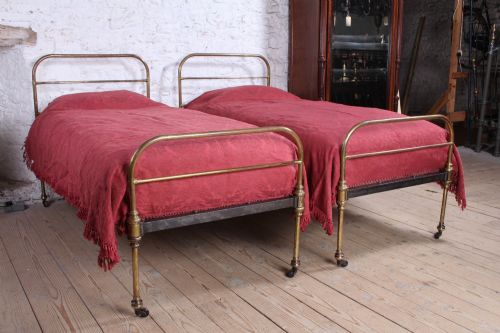
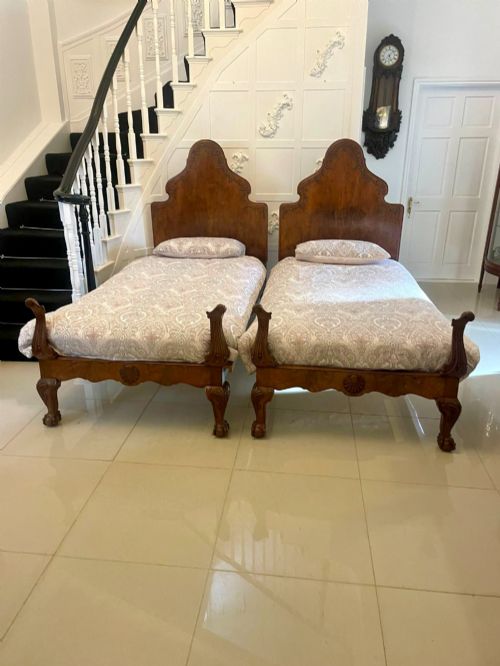
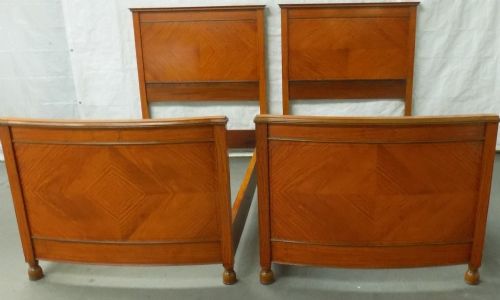
When searching for pair edwardian twin beds, buyers encounter matched sets originating primarily from the Edwardian era, alongside related examples from the late Victorian period and the early twentieth century. These pieces encompass various forms including single beds, bed frames, and bedsteads designed to function as a pair.
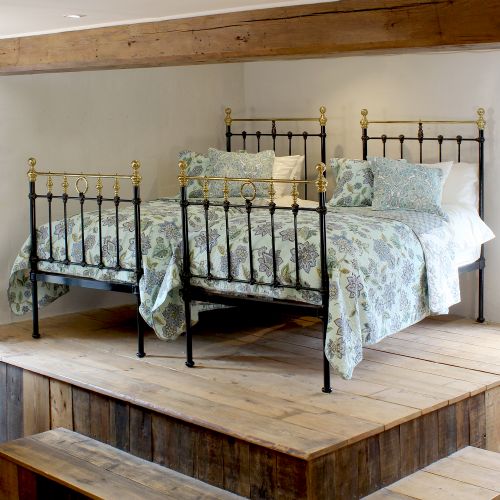
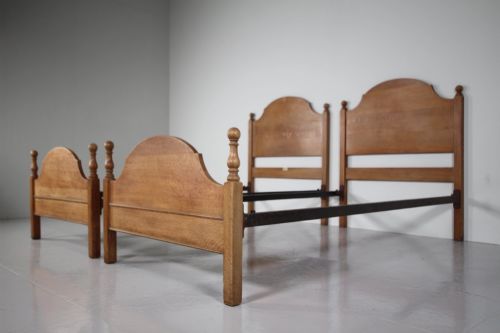
The selection frequently includes constructions in cast iron, brass, oak, walnut, mahogany, and satinwood. Stylistic variations span plain metal frames, Arts and Crafts designs, Art Nouveau details, Queen Anne style, and inlaid satinwood or mahogany pieces.
Makers such as Heal & Son and Shapland and Petter appear among the items, alongside labelled pieces and unlabelled country house examples. Buyers often find beds that can be joined together or utilised separately as twin sleeping quarters.
Materials and Construction
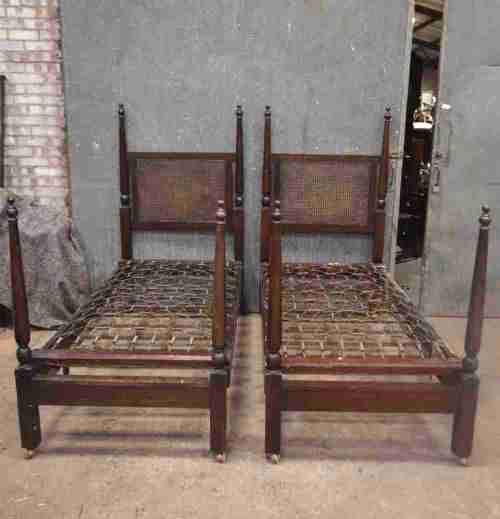
Makers utilised sturdy woods like oak, walnut, and mahogany, frequently employing techniques such as cross-banding, inlay, and carving. Some frames incorporate cane panels or hand-painted polychrome portrait panels on wood surfaces.
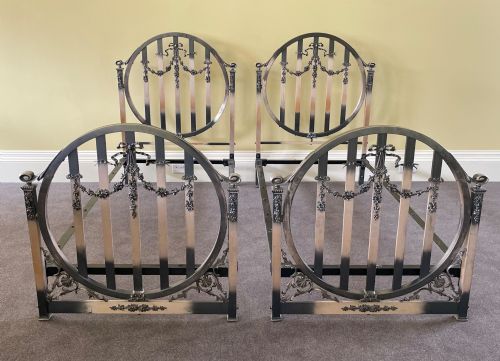
Metal frames combine cast iron and brass, often featuring nickel plating, black paint finishes, cream paint, or decorative brass rings and fittings. Wood and metal are paired in several designs, combining walnut structures with brass accents.
Listings under this phrase combine wooden and metal constructions, spanning periods from the late Victorian era through the Edwardian decade to the 1920s.
Assessing Quality and Craftsmanship
Quality rests upon the selection of timbers, such as burr walnut and figured mahogany, and the precision of inlaid details and carved elements. Maker attribution, such as original labels from known firms, elevates a set's standing.
The integrity of the construction, whether handling the weight of cast iron or the joinery of solid oak and satinwood, determines the durability of the frame. Decorative execution, from hand-painted panels to polished brass fittings, separates standard production from superior output.
Heals·Heal & Son·Shapland and Petter
The Pair Edwardian Twin Beds Glossary
- Bergere
- A type of upholstered armchair or bed panel featuring woven cane work. This technique creates a light, textured surface seen in select wooden bed frames.
- Inlay
- A decorative technique where pieces of contrasting timber, such as satinwood or darker veneers, are inserted into the primary wood surface to form patterns.
- Nickel Plating
- An electrochemical coating applied to iron or steel frames to provide a silver-coloured, corrosion-resistant finish popular in early twentieth-century metal beds.
- Satinwood
- A durable, hard timber with a natural golden sheen and satin-like texture, frequently used for high-end Edwardian bedroom furniture and detailed inlay work.
- Twin Beds
- Two separate bed frames designed to match in style, material, and dimensions, intended for use within the same bedroom space.
Pair Edwardian Twin Beds: Frequently Asked Questions
Can these antique twin beds be joined together?
Several listed pairs are specifically noted as capable of being joined to form a larger sleeping surface, while others remain separate twin frames.
Buyers should examine the specific listing details and frame construction to confirm the connection method before purchase.
What materials were commonly used for Edwardian beds?
Makers of this period worked extensively in both metals and hardwoods. Iron and brass were common for metal frames, while oak, walnut, mahogany, and satinwood dominated wooden designs.
Many examples also incorporate decorative elements like cane panels or hand-painted details.
Are maker-labelled beds common in this category?
Maker labels from prominent firms such as Heal & Son or Shapland and Petter appear on select pieces within this group. These labels provide definitive attribution to specific workshops of the period.
Unlabelled pieces from country houses and general makers also form a significant portion of the available selection.
How do Edwardian beds differ from Victorian ones?
Victorian examples often feature heavier proportions, darker woods, or robust cast iron construction with ornate decoration. Edwardian designs frequently lean towards lighter satinwood, mahogany, or simplified forms influenced by Arts and Crafts styles.
Both periods appear among these matched twin sets due to overlapping production dates.