

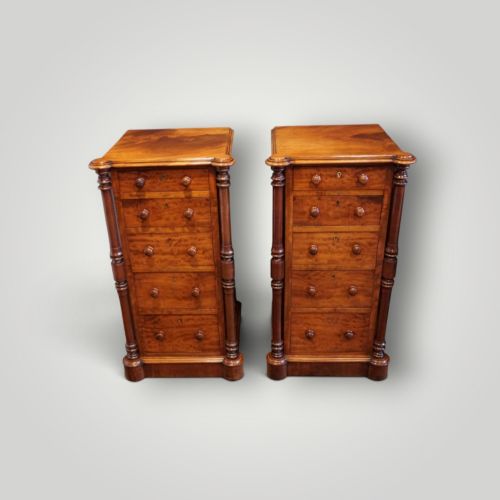
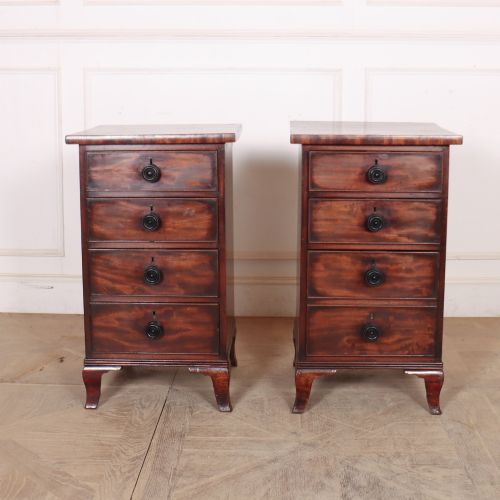
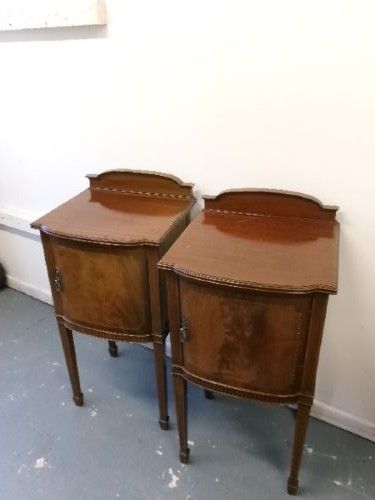

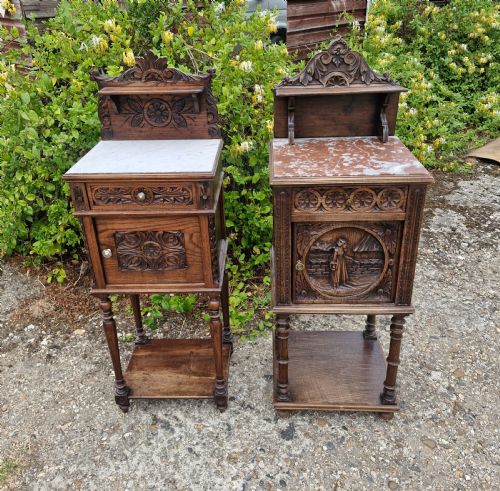
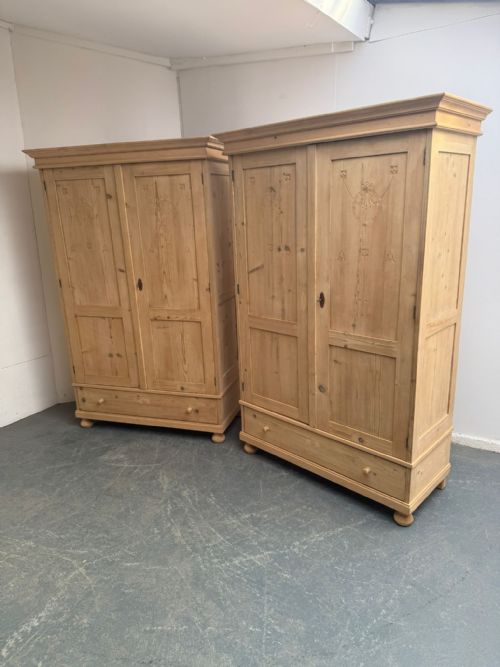
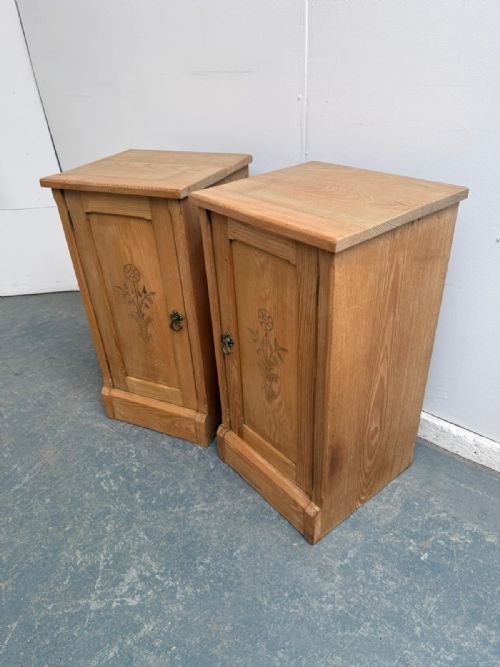
Pair Edwardian Cupboards
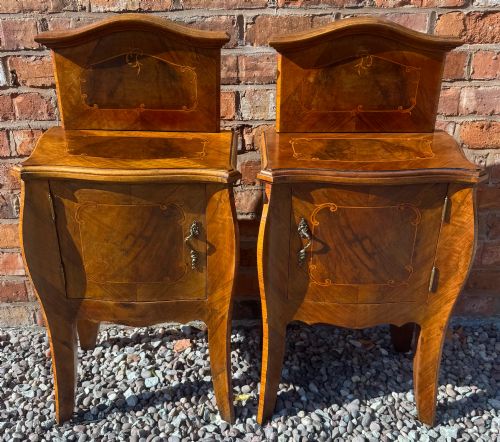
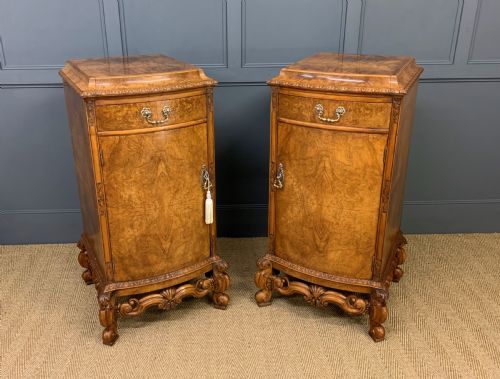
Pair Edwardian cupboards bring symmetrical utility to a bedroom, offering matched storage crafted in mahogany, satinwood, and oak.
Pair Edwardian Cupboards
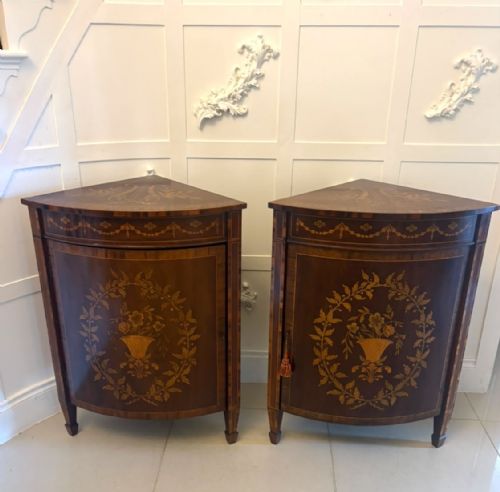
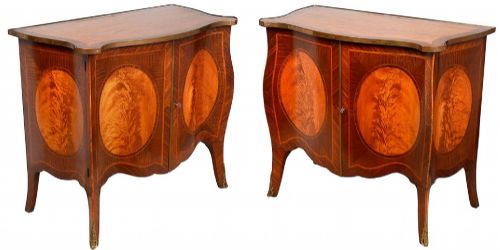
When searching for pair Edwardian cupboards, buyers encounter matched sets primarily built as bedside cabinets, pot cupboards, and corner units. These pieces originate predominantly from the early twentieth century and the late Victorian era, reflecting the domestic needs of the period for symmetrical bedside storage.
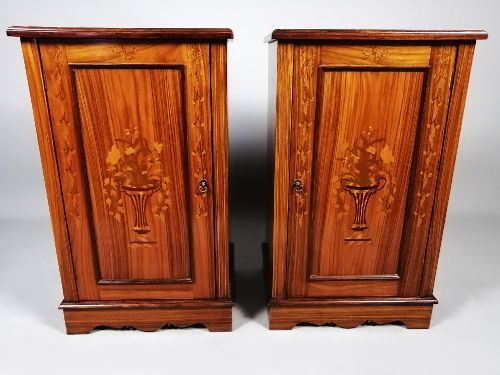
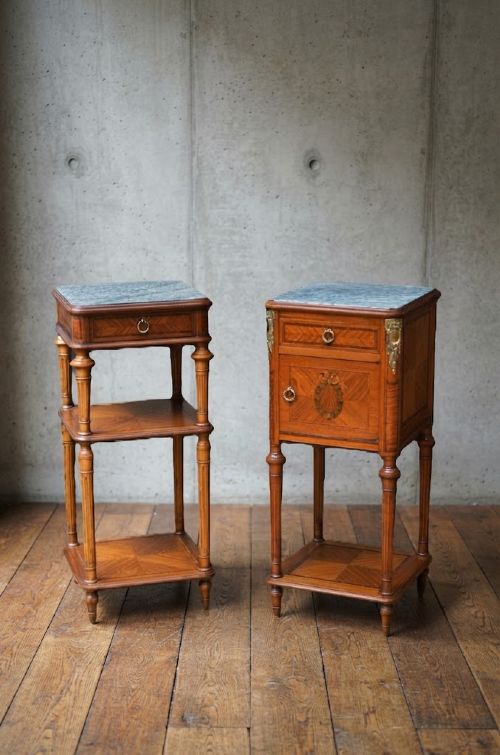
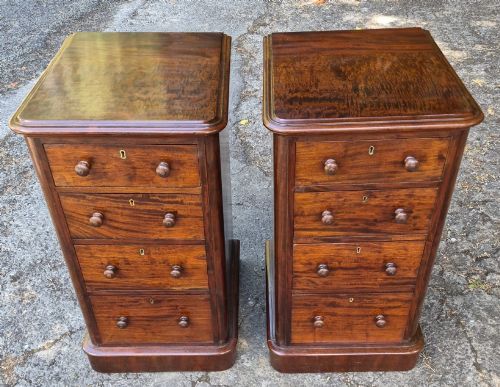
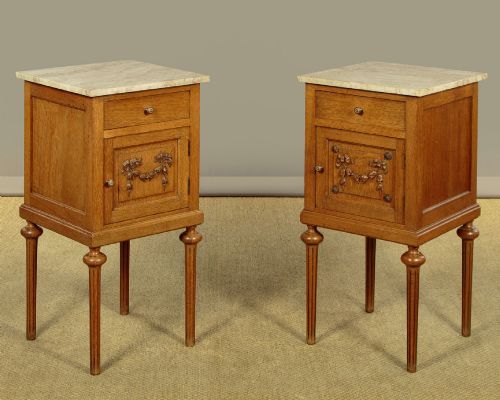
Makers often fashioned these items from mahogany, satinwood, and oak, frequently incorporating inlaid boxwood lines, marquetry, and marble tops. The forms range from compact pedestal cupboards and bedside chests to hanging corner cabinets, accommodating various bedroom layouts.
How they were made
Cabinet makers utilised solid timbers and selected veneers such as burr walnut, satin birch, and mahogany applied to a stable secondary wood. Surfaces often display decorative marquetry or boxwood stringing, alongside hand-cut dovetails within drawer construction.
Marble tops were integrated into specific designs to provide a durable, wipe-clean surface for bedroom use, whilst brass handles and hinges supplied functional hardware. Finishing techniques relied on traditional waxing or polishing to highlight the natural grain of the timber.
Listings feature woods including mahogany, satinwood, oak, burr walnut, rosewood, and ash alongside marble tops.
What varies in quality
Quality rests upon the precision of the timber matching across both pieces in the set, ensuring the grain patterns and colour balance evenly. Superior examples exhibit finely executed marquetry and crisp inlay work rather than painted substitutes.
The choice of primary timber and the robustness of the internal carcase construction dictate longevity. Original hardware and intact marble slabs further distinguish higher-grade items from simpler utility pieces.
Warings Liverpool·Edwards & Roberts
The Pair Edwardian Cupboards Glossary
- Pot cupboard
- A small bedside cabinet designed originally to enclose a chamber pot. They typically feature a single door above or below a small drawer.
- Marquetry
- Decorative veneer patterns made from various woods arranged to form pictures or geometric designs. Craftsmen applied these carefully to the doors and top surfaces of cabinets.
- Boxwood stringing
- Thin inlay lines of pale yellowish boxwood embedded into contrasting darker timber. This technique outlines drawer fronts and panel edges on revival furniture.
- Serpentine commode
- A chest or cabinet featuring a curved front with a convex centre flanked by concave ends. This sophisticated shape appeared frequently in revival pieces.
- Satinwood
- A lustrous, hard timber with a yellowish sheen used extensively for fine cabinet making. It often serves as a contrasting veneer in inlaid panels.
Pair Edwardian Cupboards: Frequently Asked Questions
What were pair Edwardian cupboards used for?
These matched units served primarily as bedside storage to hold night-time essentials, chamber pots, and personal items within the bedroom.
Their dual arrangement provided symmetrical placement on either side of a bed during the Edwardian period.
Are these cupboards always matching?
Most listings present true pairs constructed together in the same workshop using identical materials and dimensions.
Some offerings consist of very close matched pairs assembled later, where wood tones and proportions align closely.
How do I care for inlaid wood?
Protect the polished surfaces from direct sunlight and excessive moisture to prevent timber movement and veneer lifting.
Apply a traditional beeswax occasionally to nourish the wood and maintain a soft sheen without using silicone sprays.
What styles influence Edwardian cupboards?
Designers drew heavily on Sheraton Revival, Georgian styles, and Art Nouveau motifs during the Edwardian era.
This resulted in cabinets featuring classical proportions combined with lighter wood inlays and organic curves.