



Pair Dark Timber Stands
Pair dark timber stands bring architectural weight and rich grain into a room, offering practical height for display.
Pair Dark Timber Stands
Pair dark timber stands encompass a varied group of elevated supports and matched objects, including torchieres, pedestals, plant stands, and occasional console tables. The selection ranges from nineteenth-century English country house pieces to Chinese Qing dynasty hongmu examples.
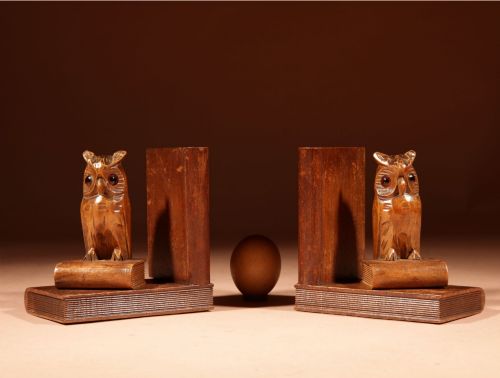
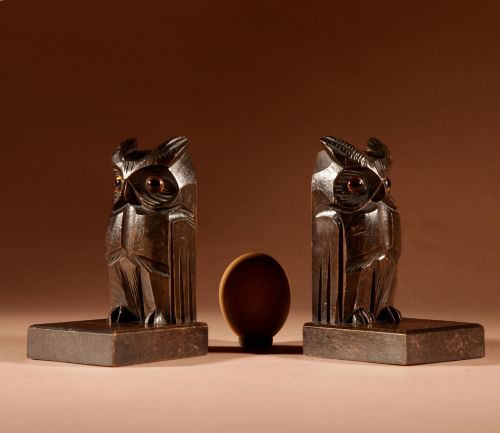
Buyers encounter smaller matched items in this category too, such as carved wood candlesticks and bookends made from hardwoods and linden wood. These pieces serve distinct decorative functions while sharing a consistent use of dark timber across different periods.
How they were made
The construction relies heavily on dense hardwoods, mahogany, and linden wood, shaped through traditional turning, joinery, and intricate carving techniques. Black Forest pieces demonstrate detailed animal carving, while Chinese examples utilise dense hardwoods like hongmu.
Metal mounts in brass and decorative details in bone appear alongside the timber structures, particularly on candlesticks and stands from the eighteenth and nineteenth centuries. Surface finishes highlight the natural grain and deep colour of the wood.
Pair Dark Timber Stands Retail Price Guide 2026
Typical asking prices for pair dark timber stands among the pieces listed under this phrase on Sellingantiques today, from the lower quarter to the upper quarter. They describe what is for sale here now, not the wider market.
Some nineteenth-century woodcarvers found inspiration in poaching, immortalising game-carrying figures in timber.
What varies in quality
Quality rests in the crispness of the carving and the selection of the timber, where dense, well-figured wood holds sharper detail and richer depth. Finer examples show superior proportion and balance between the base and the top surface.
Execution of detail distinguishes workshop output, from the lively expressions on carved animal figures to the precise turning on columnar candlesticks and pedestals.
The Pair Dark Timber Stands Glossary
- Hardwood
- Timber from broad-leaved trees, offering density and durability suitable for fine carving and structural furniture. It provides the solid foundation for many nineteenth-century stands and decorative objects.
- Torchiere
- A tall standing support or candlestick designed to elevate a light source or decorative object. These architectural pieces often feature turned columns or carved decoration.
- Hongmu
- A category of dense, dark Chinese hardwoods prized for furniture and stands during the Qing dynasty. The term translates to red wood and encompasses several heavy, durable timber species.
- Treen
- Small handmade wooden household objects and decorative items produced before the widespread use of plastic. Treen candlesticks and treen wares display traditional woodturning and carving skills.
- Palisander
- A dense, dark timber resembling rosewood, historically utilised for fine cabinetwork and decorative furnishings. Its rich grain adds visual depth to period pieces.
Pair Dark Timber Stands: Frequently Asked Questions
Where should I place these stands?
These supports suit corners, hallways, and flanking positions beside seating or fireplaces where they can elevate plants, lamps, or decorative objects. Their sturdy timber construction allows them to anchor a room visually while providing functional surface space.
Smaller matched pairs like candlesticks and bookends fit well on mantelpieces, desks, and sideboards, bringing symmetry and dark wood tones to smaller areas.
How can I tell different periods apart?
Georgian and Regency pieces often display classical architectural proportions, crisp column turnings, and characteristic mahogany grain. Victorian and later nineteenth-century examples frequently incorporate bolder carving styles or regional folk art characteristics.
Chinese Qing dynasty items utilise dense hongmu and specific joinery methods distinct from European furniture traditions. Examining the tool marks and structural construction helps identify the period of manufacture.
What is the difference between a torchiere and a plant stand?
Torchieres typically provide taller, more slender support designed originally for lighting or displaying a prominent sculptural piece. They often feature decorative columns or reeded shafts reflecting classical design influences.
Plant stands and jardiniere supports usually offer broader, sturdier tops engineered to hold heavy ceramic pots and damp soil safely. Their proportions prioritise stability over slender elegance.