


Pair Collectors Cabinets
Pair collectors cabinets hold natural history specimens and small objects, offering twin storage capacity for serious study and display.
Pair Collectors Cabinets
Pair collectors cabinets encompass multiple drawer chests and tabletop units designed to house specimens, geological samples, or small objects. They emerge across the nineteenth century, with strong representation from the Victorian period alongside earlier seventeenth-century baroque examples and later twentieth-century pieces.
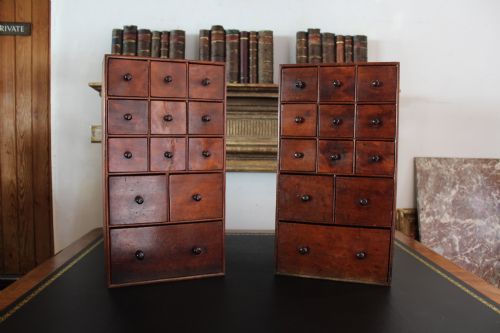
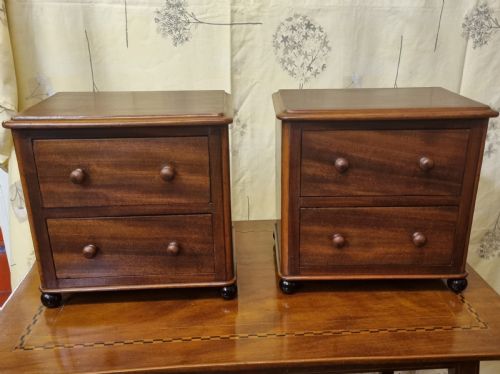
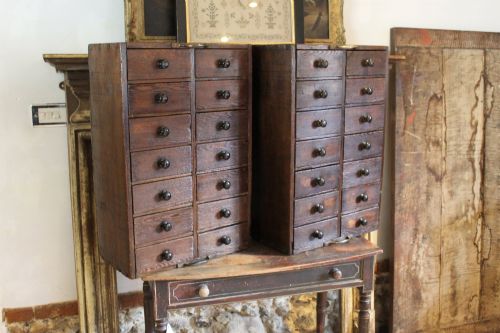
The most common formats on this page include multi-drawer chests of drawers, tabletop specimen cases, and cabinets on stands. These twin pieces often provide matching storage configurations, utilising mahogany, walnut, oak, and pine to secure organised collections.
How they were made
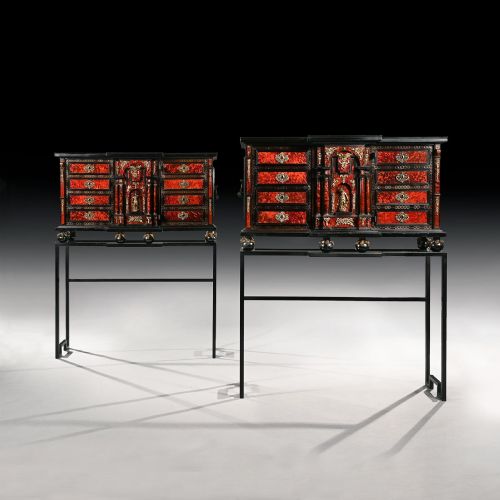
Makers constructed these cabinets using dense timbers such as mahogany, walnut, and oak, frequently pairing internal drawer banks with glazed doors or solid wood housing. Finer examples incorporate ebonised wood, tortoiseshell, and gilt bronze mounts, or feature satin walnut fronts and marquetry inlay.
Joinery focused on precision fit for numerous small drawers, designed to slide smoothly while protecting delicate contents from dust and light. Brass handles, label holders, and occasionally locks completed the functional housing of these specimen repositories.
Listings feature collectors cabinets spanning from the seventeenth century to the twentieth century, incorporating mahogany, walnut, oak, brass, and glass.
What varies in quality
Quality rests upon the selection of timber figure, the precision of the multi-drawer construction, and the integrity of any associated stands or mounts. Richly figured mahogany and walnut distinguish superior examples from plain pine or basic oak carcases.
The presence of specialised internal fittings, original glass, and sophisticated decorative details like gilt bronze mounts or tortoiseshell veneer elevates a pair above standard utility storage units. Matching consistency between the two pieces also defines the standing of the set.
D Napier & Sons·Standish·Hills of Willesden·Edwin Tulley Newton
The Pair Collectors Cabinets Glossary
- Specimen cabinet
- A piece of furniture fitted with numerous shallow drawers designed to organise natural history samples such as insects, minerals, or fossils. These drawers often feature glass covers or tight-fitting construction to protect delicate contents.
- Ebonised wood
- Timber treated with a dark stain or finish to imitate ebony. This technique provides a dense black surface often found on decorative nineteenth-century and earlier baroque furniture.
- Gilt bronze
- Metal mounts cast from bronze and covered in a layer of gold. Also known as ormolu, this material decorates the exterior of fine nineteenth-century cabinets.
- Standish
- A maker or form associated with multi-drawer storage units designed for detailed organisation. These pieces typically contain numerous small compartments tailored for specialised collections.
- Tortoiseshell
- Material derived from the shell of certain turtle species, used as an ornamental veneer on luxury cabinets. It brings mottled amber and brown patterns to the exterior surface.
Pair Collectors Cabinets: Frequently Asked Questions
What did people store in collectors cabinets?
These cabinets housed natural history collections, including insects, geological specimens, botanical samples, and microscope slides. Scholars and enthusiasts used the shallow drawers to organise and protect delicate study materials.
The multi-drawer design kept items sorted by category, while enclosed housing shielded vulnerable specimens from dust, handling, and light damage over extended periods.
Are these matching pairs identical?
Most listings comprise matched pairs created together to maintain symmetrical appearance in a study or library. Some entries represent near pairs assembled through similar dimensions and timber choices rather than strict original manufacture.
Buyers should examine drawer counts and wood grain patterns to determine whether the two cabinets emerged from the same workshop at the same time.
How do I care for antique wood cabinets?
Antique cabinets require stable indoor humidity levels and protection from direct sunlight to prevent timber splitting and veneer lifting. Regular dusting with a soft, dry cloth preserves the polished finish without chemical buildup.
Internal drawers should be pulled carefully to avoid binding, and glass panels benefit from gentle cleaning using appropriate non-abrasive solutions.