



Pair Chinese Carvings
These pair chinese carvings bring traditional craftsmanship into your rooms, offering symmetrical subjects carved from hardwood, bamboo, and soapstone.
Pair Chinese Carvings
When you search for pair chinese carvings, you encounter matching objects shaped from natural materials like hardwood, bamboo, soapstone, and bone. These pieces encompass functional items such as bookends and headrests alongside purely decorative panels, corbels, and animal sculptures.
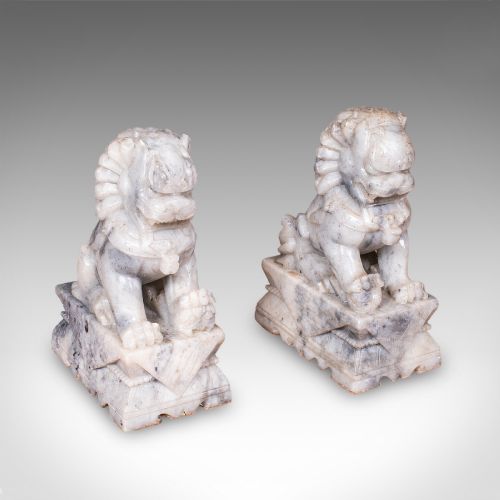
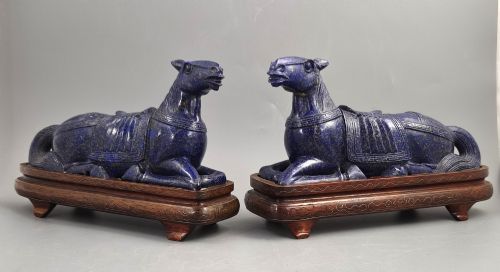
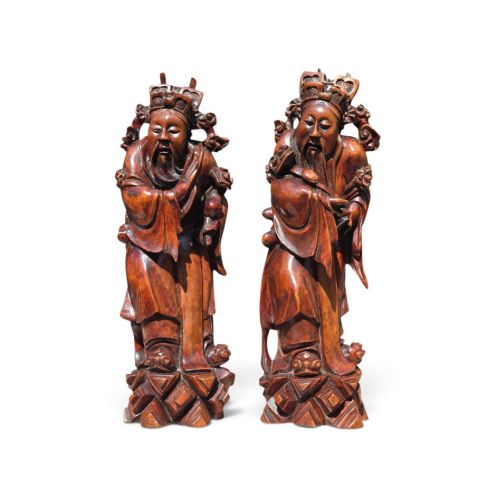
The selections span from the seventeenth century through the Qing dynasty and the nineteenth century, including Victorian interpretations and regional Chinese styles. Animal subjects like water buffaloes, elephants, lions, and Foo dogs appear frequently alongside human figures and temple panels.
Most examples originate from the nineteenth century, reflecting both domestic Chinese traditions and export markets. Buyers find both matched pairs created together and assembled groups sharing common subjects and materials.
How pair chinese carvings were made
Makers utilised dense timbers such as hardwood along with organic materials including bamboo, bone, and ivory to form these sculptures and panels. Artisans shaped these resistant substances using specialised hand tools to achieve deep relief and intricate three-dimensional forms.
Surface treatments included polychrome painting, gilding, and lacquering to enhance the carved details on wood and stone surfaces. Natural root wood and soapstone were also carved directly, taking advantage of the inherent contours and textures of the raw material.
Pair Chinese Carvings Retail Price Guide 2026
Typical asking prices for pair chinese carvings among the pieces listed under this phrase on Sellingantiques today, from the lower quarter to the upper quarter. They describe what is for sale here now, not the wider market.
Water buffaloes and Mandarin ducks share the listings with mythical beasts, proving that carvers loved domestic fauna just as much as dragons.
What varies in quality
Quality rests primarily on the depth and precision of the carving, distinguishing confident, fluid handling from stiff or shallow execution. The natural character of the material, whether figured hardwood or smooth soapstone, dictates the refinement of the finished surface.
Symmetry between the two pieces determines the success of a matched set, as genuine pairs require balanced proportions and corresponding details. The retention of original surface treatments such as gilding or polychrome pigment elevates an example above stripped or heavily altered pieces.
The Pair Chinese Carvings Glossary
- Qing Dynasty
- The final imperial dynasty of China, lasting from 1644 until 1912. Many decorative carvings and sculptures date from its later decades.
- Foo Dog
- A traditional guardian lion depicted in pairs outside temples and palaces. These mythical beasts frequently appear in carved stone, wood, and bookend sets.
- Soapstone
- A soft, talc-based metamorphic rock favoured for intricate desk seals and small figures. Its manageable density allowed carvers to achieve fine detail.
- Corbel
- A structural bracket projecting from a wall to support a weight. Wooden examples often feature carved decoration.
- Mandarin Duck
- A colourful water bird symbolising fidelity and marital harmony in Chinese art. Pairs of these ducks frequently appear in nineteenth-century hardwood sculptures.
Pair Chinese Carvings: Frequently Asked Questions
How were temple panels used?
Temple panels served as architectural ornaments within religious buildings, often mounted on walls or framing doorways.
Over time, many of these carved wooden sections entered private collections as decorative wall art.
What are Foo dogs?
Foo dogs represent mythical guardian lions traditionally placed at entrances to ward off malevolent spirits.
In pairs, they sit alert with one paw resting on a brocade ball or a cub.
Where should I place bookends?
These carved bookends anchor rows of volumes on shelves or tabletops while adding sculptural interest.
Position them against sturdy vertical surfaces to support heavier books securely.
How do I care for soapstone?
Soapstone is a relatively soft material that benefits from gentle dusting with a dry cloth.
Avoid harsh cleaning chemicals and excessive moisture to protect the polished surface.