




Pair Carved Wood Panels
These pair carved wood panels are matched sections of timber bearing relief work, sought after for bringing texture and historical depth to a wall.
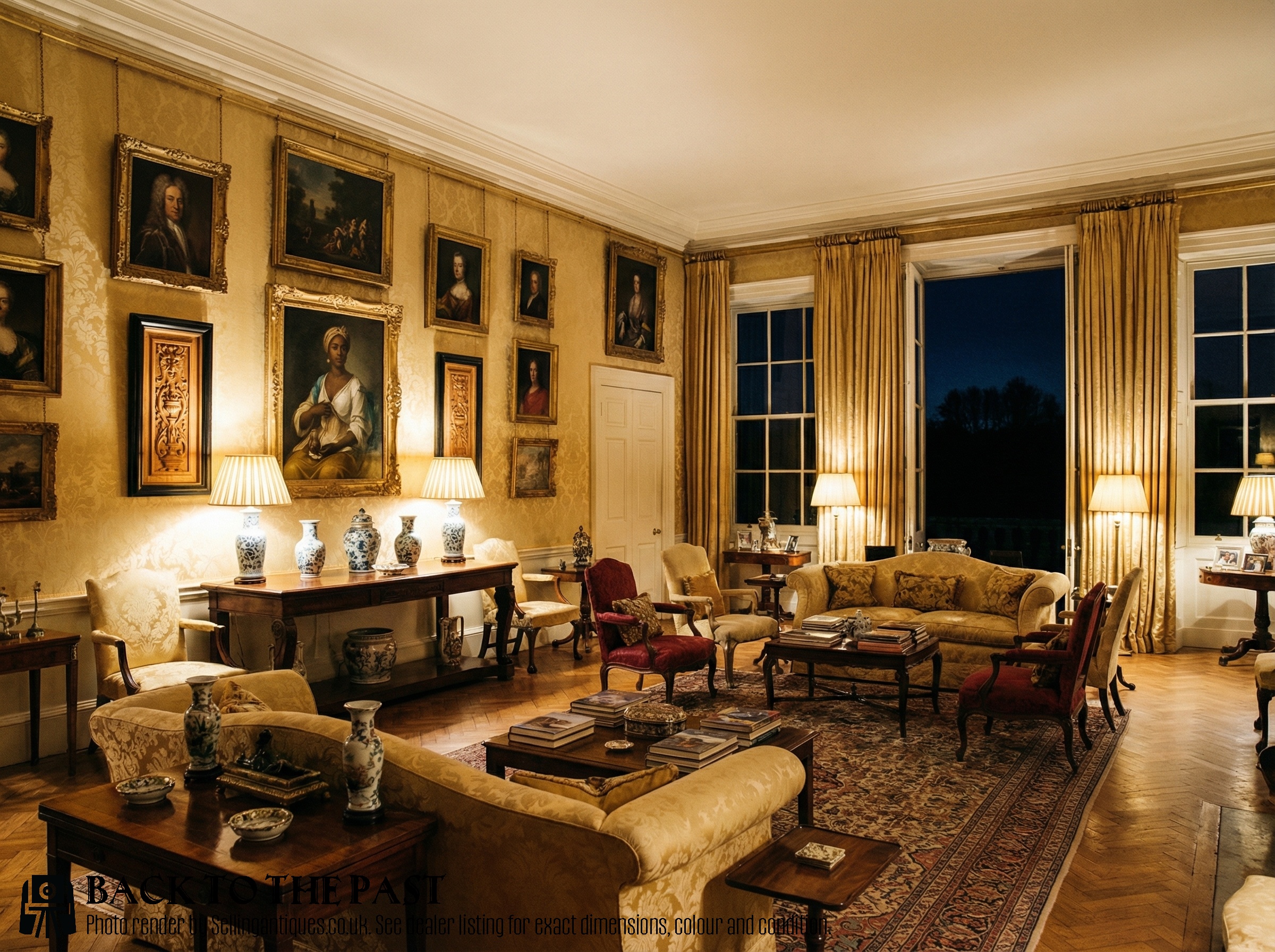
Pair Carved Wood Panels
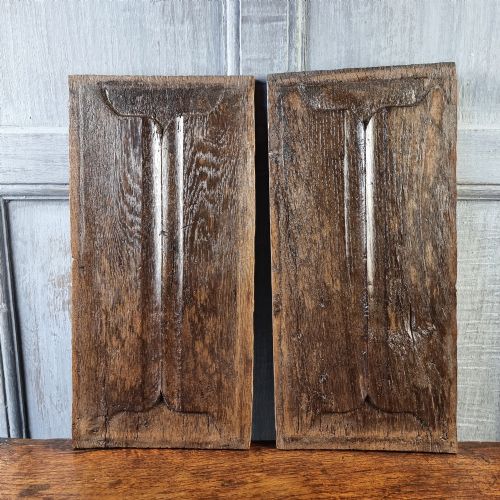
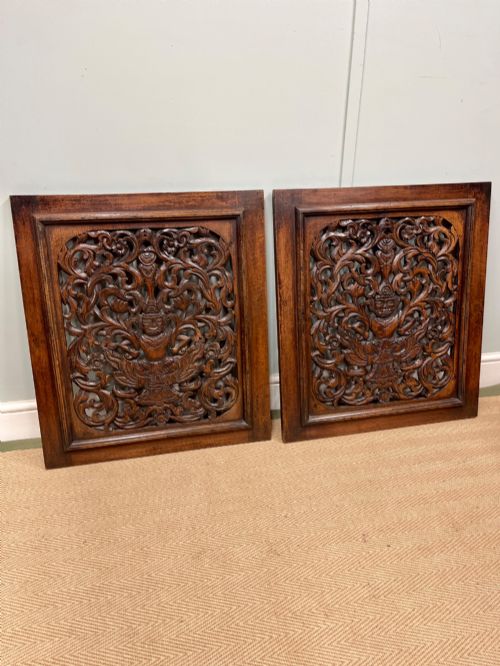
When you search for pair carved wood panels, you are looking at symmetrical pairs of timber reliefs that originated as wall panels, architectural salvage, cupboard doors, or temple decorations. The selection spans centuries of craftsmanship, ranging from sixteenth-century linenfold designs to nineteenth-century French boiserie and Asian hardwoods.
The most common versions on this page are oak, walnut, and limewood panels from European and British traditions, alongside Chinese and Japanese temple carvings. These objects often transition from their original architectural settings into decorative wall art in modern interiors.
How they were made
The makers of these items utilised traditional hardwoods such as oak, walnut, mahogany, and limewood, which respond well to intricate chiselling. Carvers employed hand gouges and chisels to create low or high relief, sometimes combining plain panels with deeply undercut foliage, figures, or geometric motifs.
Surface treatments vary widely according to origin and period, with pieces finished in natural wax, paint, or gilt wood. The construction often relies on traditional joinery techniques like tongue and groove or mortise and tenon to stabilise the timber against natural warping.
The listings on this site include oak, walnut, mahogany, and limewood pieces spanning from the sixteenth century through the Victorian era.
What varies in quality
The standard of a pair carved wood panels rests on the crispness and depth of the hand carving rather than the mere presence of decoration. Superior examples display confident, fluid tool marks that reveal the hand of a skilled artisan, while lesser pieces rely on shallow, mechanical stamping or heavy over-finishing.
Material selection also dictates value, with dense, well-seasoned timbers holding sharper detail over centuries than softer, more reactive woods. The integrity of the matched pair relies on even ageing and uniform colour across both pieces.
Thomas Chippendale
The Pair Carved Wood Panels Glossary
- Linenfold
- A style of wood panel carving that resembles folded parchment or linen, common in sixteenth-century joinery. It creates vertical texture through symmetrical curved folds.
- Boiserie
- French interior wood panelling, often carved and painted, used extensively in eighteenth-century decorative schemes. These panels frequently incorporate floral or scroll motifs.
- Relief
- A sculptural technique where the figures or patterns project from the background timber. High relief stands out significantly, while low relief remains closer to the flat plane.
- Architectural salvage
- Building elements rescued from demolition or renovation, such as doors, panels, and griffin terminals, repurposed for interior decoration.
Pair Carved Wood Panels: Frequently Asked Questions
How were pair carved wood panels originally used?
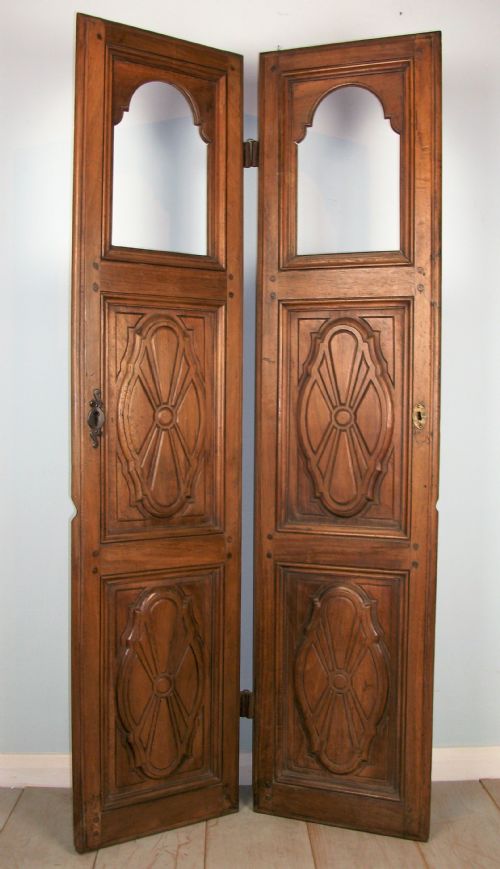
These panels were built into the architectural fabric of period buildings, serving as wall coverings, cupboard doors, or protective wainscoting within domestic and religious interiors.
Over time, many of these architectural elements were salvaged and repurposed as decorative art pieces to hang on walls or frame within rooms.
How do I hang heavy wood panels safely?
Hanging heavy timber pieces requires locating studs in the wall or using heavy-duty masonry fixings matched to the weight of the specific hardwood.
Professional mirror plates or hidden French cleats provide the stability needed to support balanced pairs securely without straining the antique joinery.
How do I tell sixteenth-century panels from nineteenth-century revivals?
Sixteenth-century work displays tool marks consistent with early hand-riveted irons and dense, oxidised timber grain developed through centuries of exposure.
Revival pieces from the nineteenth century often show uniform machine preparation underneath the decorative surface carving.
How do I care for antique carved timber?
Maintain stable indoor humidity levels to prevent the timber from drying out, shrinking, or cracking along the natural grain lines.
Apply a microcrystalline wax sparingly when the wood appears dry, avoiding modern liquid polishes that can degrade historical finishes.