

Pair Carved Wall Lights
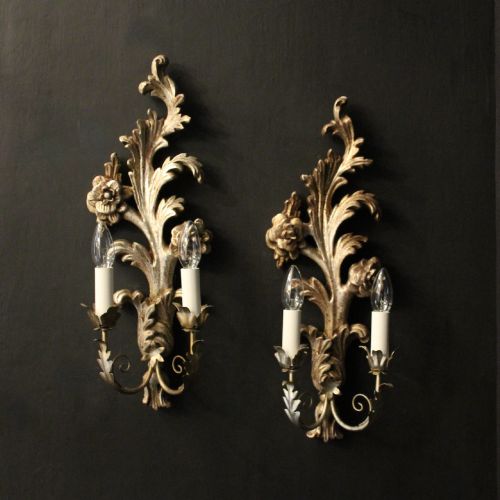
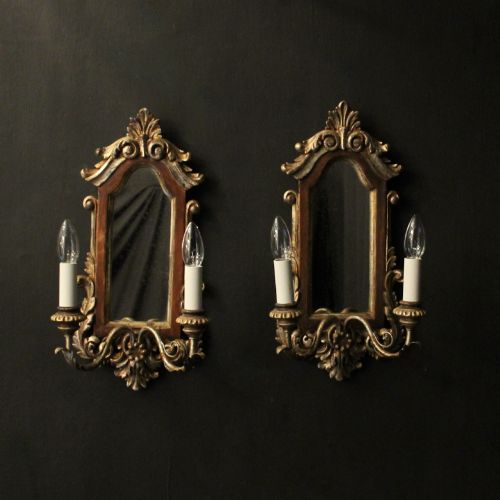
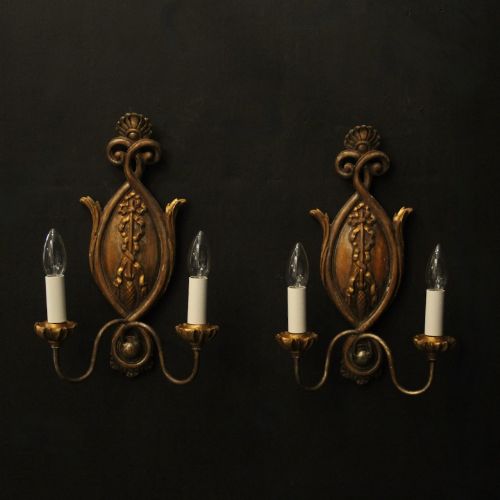
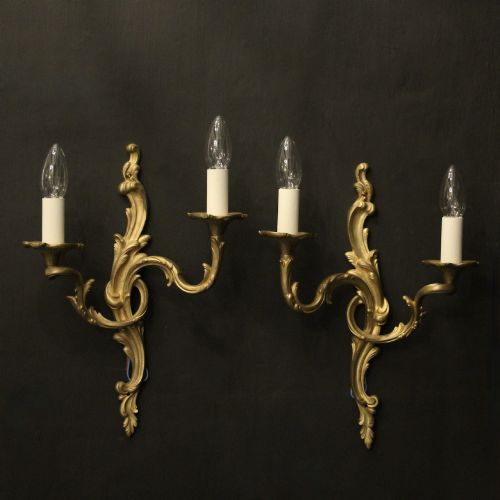
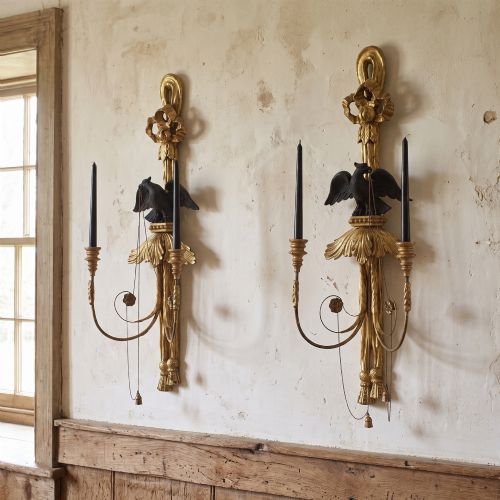
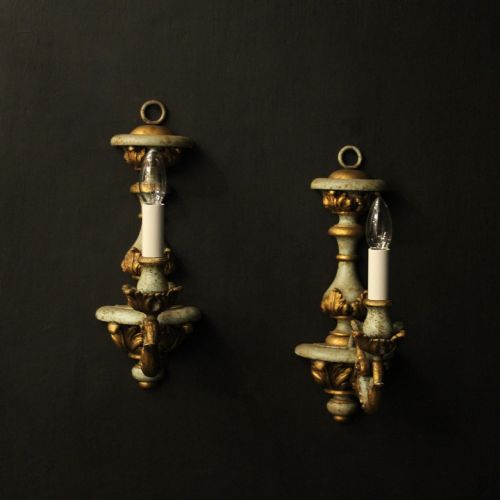
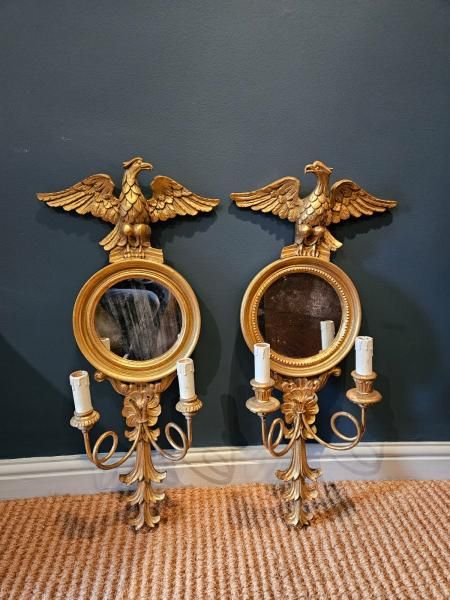
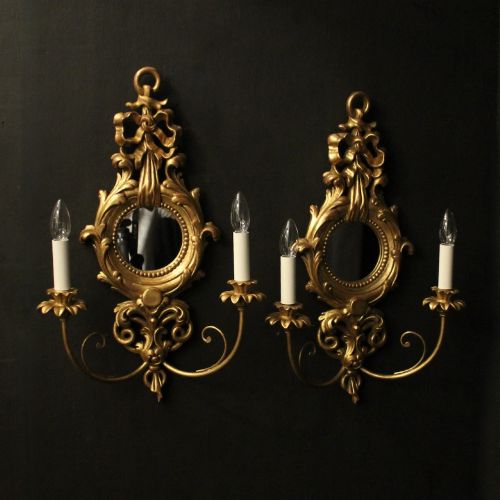
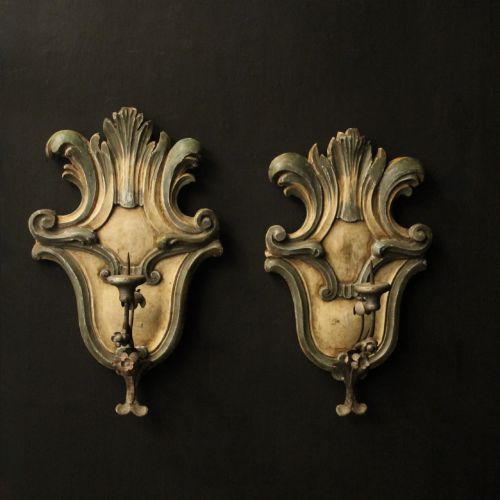
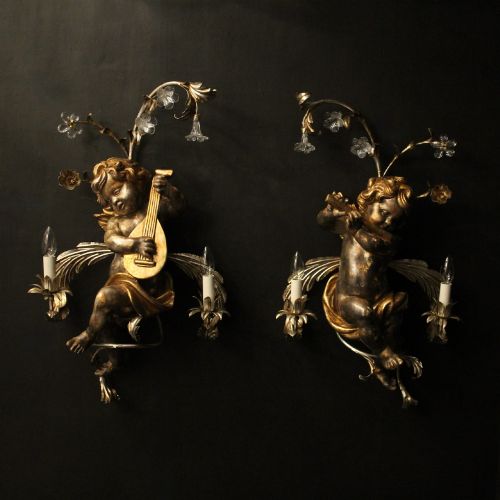
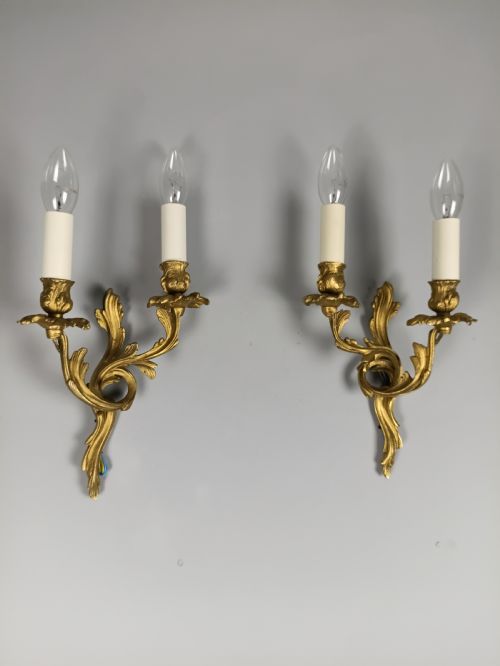
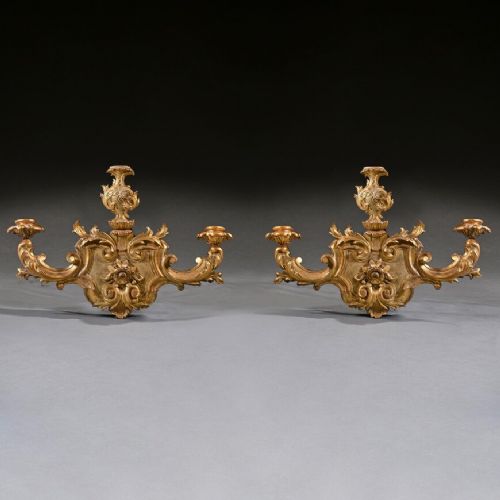
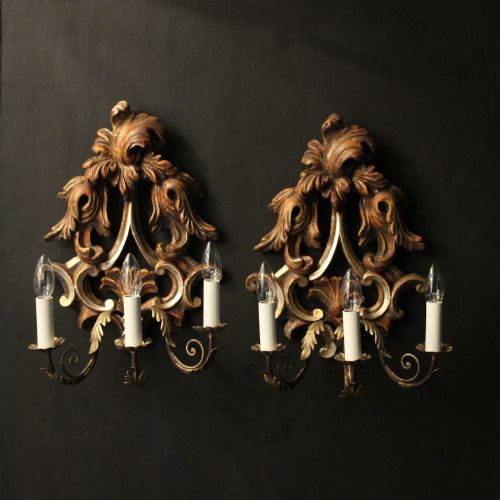
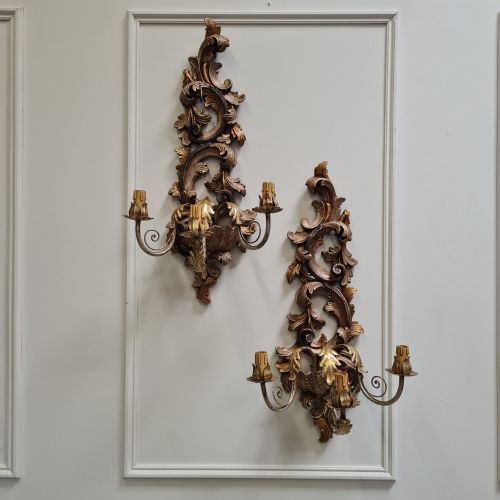
Pair carved wall lights bring historic illumination and carved detail to a room, offering matching symmetry for flanking a fireplace or mirror.
Pair Carved Wall Lights
Pair carved wall lights encompass matching pairs of sconces, girandoles and multi-branched light fittings designed to mount directly onto vertical surfaces. When searching for pair carved wall lights, buyers encounter items ranging from compact single-arm fixtures to large multi-branch appliques intended to hold candles or electric bulbs.
Italian and French origins dominate the selection, with Florentine workshops and Parisian makers producing the majority of surviving examples. Dating spans from the seventeenth century through the Victorian era into the opening decades of the twentieth century, capturing distinct regional tastes in interior decoration.
Materials and Technique
Carved wood forms the structural base for most pieces, utilising timbers such as walnut alongside softer woods prepared for surface ornamentation. Artisans applied gesso over the carved wooden surfaces to build up crisp relief details before gilding.
Giltwood and gold leaf finishes dominate, complemented by bronze, brass, ormolu, and occasionally polychrome paint. Glass elements such as mirror plates and Murano components integrate into designs like girandoles to reflect and multiply the candlelight.
Certain wall lights incorporate carved wooden cherubs peeking out from behind candle arms to startle unwary guests in candlelit hallways.
Craftsmanship and Design
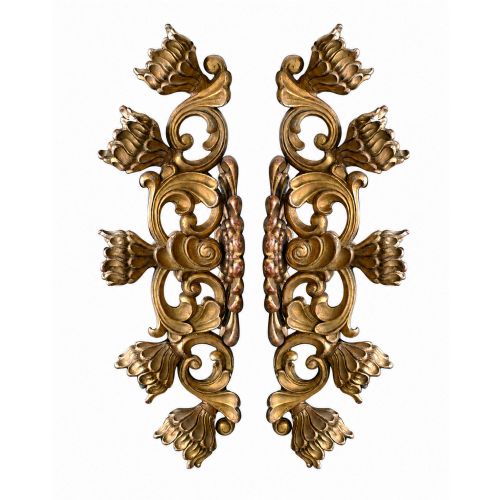
The depth and definition of the hand-carving separate standard production from superior examples, with finer pieces exhibiting intricate acanthus leaves, putti, ribbons, or figural elements. Sharpness in the gesso relief beneath the gilding indicates skilled hand-tooling rather than mass manufacturing.
Proportion and arm configuration also define the standard of a pair, with balanced branch structures and cohesive gilding retaining their visual integrity across both items in a set.
The Pair Carved Wall Lights Glossary
- Girandole
- A branched wall light incorporating a mirror plate to reflect light. These fixtures maximise illumination by bouncing candle or lamp light off the central glass panel.
- Giltwood
- Wood covered with a thin layer of gold leaf or gilt powder applied over a prepared gesso ground. This technique creates a luminous metallic finish on carved wooden surfaces.
- Sconce
- A wall-mounted lighting fixture designed to hold candles or electric lamps. Historically positioned in pairs or multiples along corridors and reception rooms.
- Gesso
- A plaster-like mixture applied to carved wood to create a smooth surface for gilding and fine relief work. It allows artisans to carve intricate details that wood alone might not hold.
- Ormolu
- Gilded bronze or brass applied to decorative objects and furniture fittings. The technique involves treating bronze with a mercury-gold amalgam to achieve a rich golden sheen.
Pair Carved Wall Lights: Frequently Asked Questions
What periods do these wall lights come from?
The pieces span multiple centuries, ranging from seventeenth-century wooden sconces to eighteenth-century Venetian creations and nineteenth-century revival styles. A substantial portion dates from the late nineteenth century and the opening decades of the twentieth century.
Italian Florentine workshops and French chateau styles represent the most common regional origins found within this grouping.
How do you distinguish between Italian and French pieces?
Italian items frequently display Florentine characteristics such as dense giltwood leaf carving, pricket candle elements, and polychrome highlights. French examples often lean toward Rococo or Neoclassical interpretations utilising gilded bronze, ormolu, and refined ribbon motifs.
Regional differences also appear in the choice of underlying timber and the specific handling of gesso relief work.
Can these antique wall lights be wired for electricity?
Many surviving examples have already undergone professional rewiring to accommodate modern electrical standards while preserving the antique metal and wood components. Buyers should examine the backplate and internal channels to confirm how wiring integrates with the original mounting structure.
Professionals can adapt most multi-branch sconces safely without altering the visible exterior craftsmanship.