


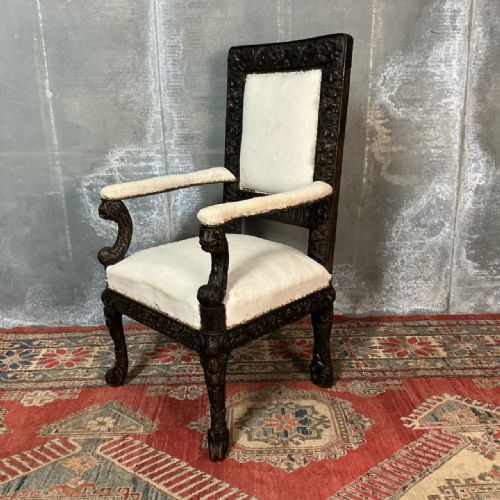
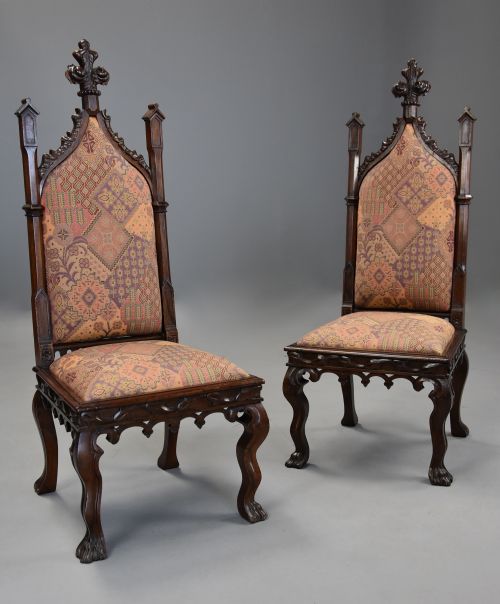
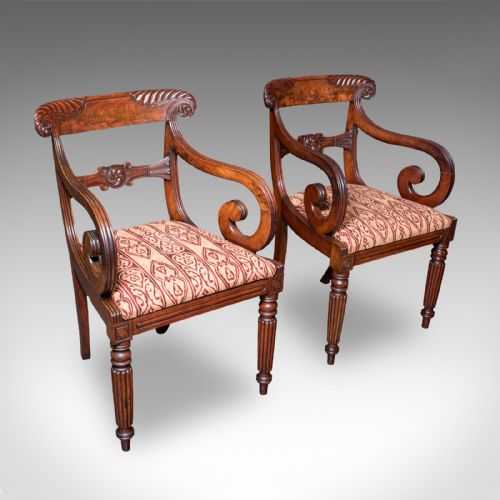
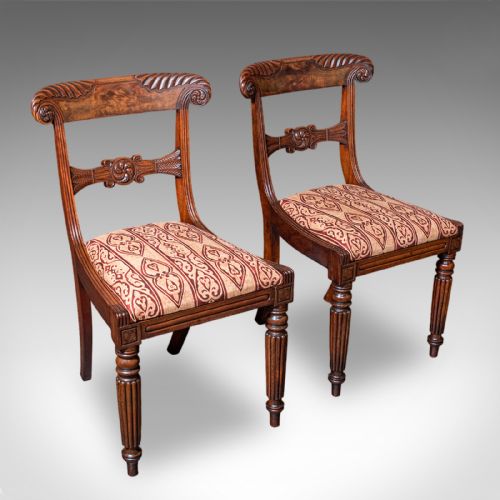
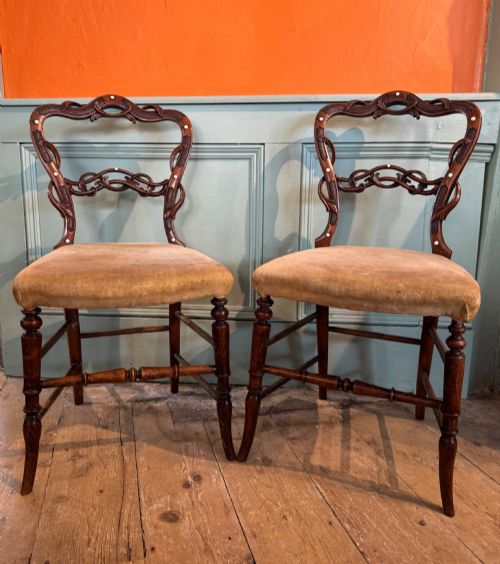
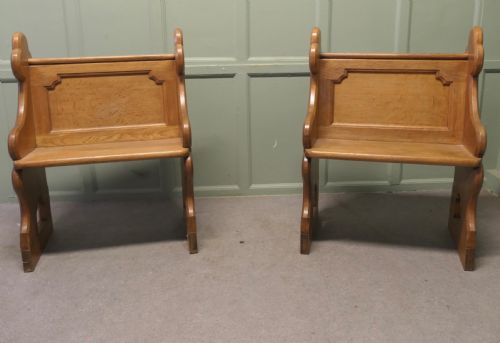
Pair Carved Hall Chairs
When you select pair carved hall chairs, you acquire statement seating that historically announced status in entrance spaces and grand corridors.
Pair Carved Hall Chairs
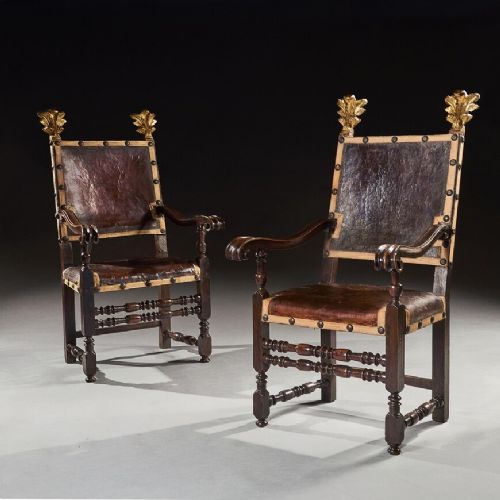
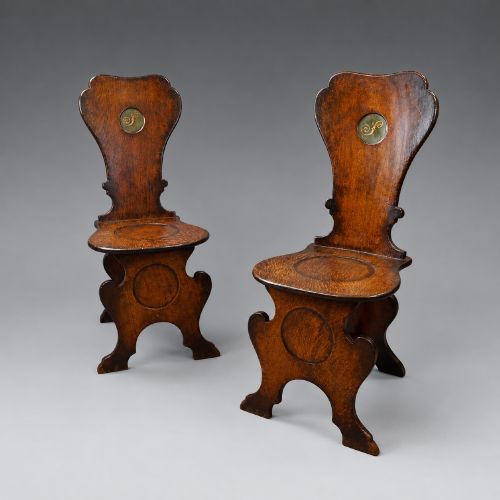
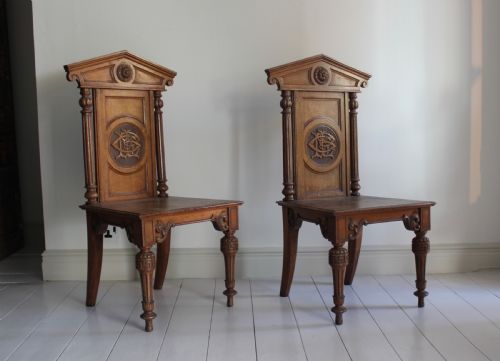
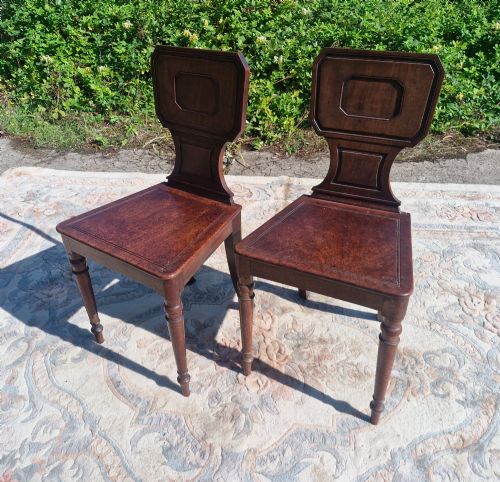
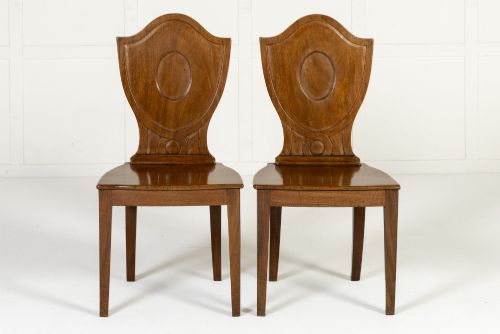
A pair carved hall chairs designation brings together matching seats designed principally for the entranceways, vestibules, and reception corridors of period properties. These items often feature rigid wooden seats and elaborately ornamented backs incorporating heraldic shields, crests, or architectural motifs.
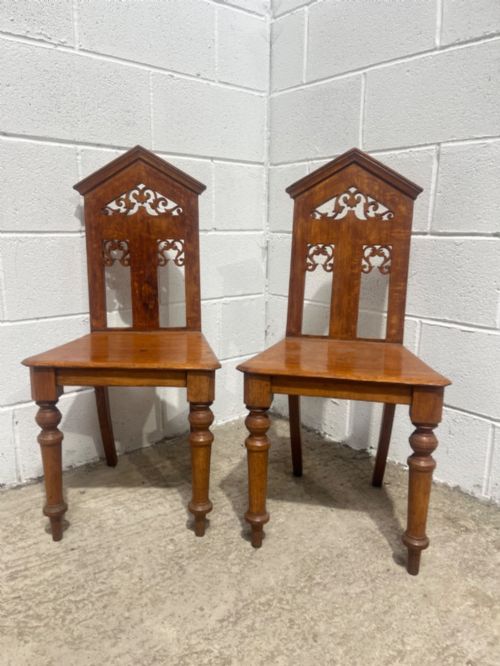
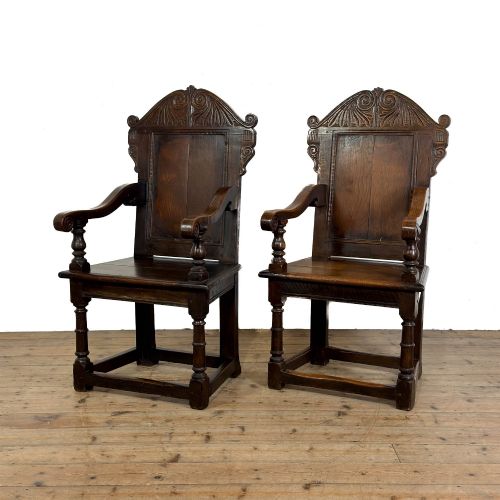
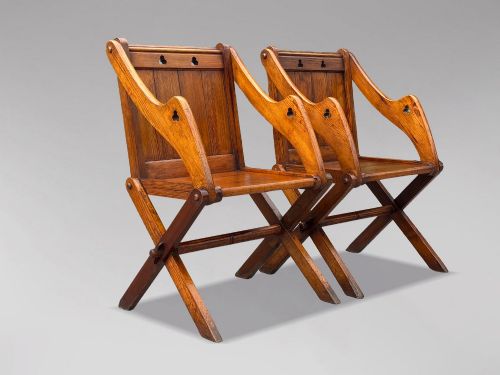
The selections recorded here span multiple centuries, ranging from seventeenth-century walnut examples to robust nineteenth-century Gothic Revival and Victorian interpretations. Mahogany and oak predominate across the inventory, reflecting the durable timber choices favoured by historical makers for heavy-use reception furniture.
While the search term specifies hall seating, related forms such as sgabello chairs, side chairs, and occasional armchairs frequently appear within the broader grouping. Buyers encounter both utilitarian timber designs and richly decorated continental variations featuring parcel-gilding or leather upholstery.
What Varies in Quality
The depth and crispness of the carved ornamentation separate standard production from exceptional examples, as master carvers achieved sharper undercut details and more naturalistic proportions. Timber selection also dictates grade, with highly figured mahogany or dense old-growth oak commanding greater regard.
Structural integrity depends on the tightness of the original joints and the absence of excessive timber shrinkage or replacement components. Matched or paired symmetry remains critical for hall seating, where slight discrepancies in height or backrest angle reveal divergent workshop origins.
Pair Carved Hall Chairs Retail Price Guide 2026
Typical asking prices for pair carved hall chairs among the pieces listed under this phrase on Sellingantiques today, from the lower quarter to the upper quarter. They describe what is for sale here now, not the wider market.
Clan chairs bear quiet witness to old family loyalties, carrying carved heraldic crests intended to impress visitors before they even removed their hats.
Charles Tozer·W A Willcocks·Simpson and Sons
The Pair Carved Hall Chairs Glossary
- Sgabello
- A light wooden chair originating from the Italian Renaissance featuring a distinct octagonal or solid trestle base. These seats frequently display elaborate carving along the high backrest and dual slab supports.
- Gothic Revival
- An architectural and decorative style popular during the nineteenth century that mimics medieval pointed arches, trefoil tracery, and vertical emphasis. Pieces from this movement often incorporate ecclesiastical motifs adapted for domestic furniture.
- Parcel-gilt
- A decoration technique where portions of a wooden or metal object receive a thin layer of gold leaf while other areas remain exposed timber or painted finish. This method highlights specific carved details against a contrasting background.
- Wainscot chair
- An early form of heavy wooden armchair constructed primarily with panelled backrests and solid seats. These sturdy items date back to the seventeenth century and earlier domestic interiors.
- Heraldic shield
- An emblem or coat of arms carved directly into the crest rail or centre of a chair back. Such heraldry indicated family lineage, clan affiliation, or civic authority.
Pair Carved Hall Chairs: Frequently Asked Questions
What is a hall chair?
A hall chair is a rigid wooden seat traditionally placed in entrance halls, corridors, or waiting areas of substantial homes. They were built primarily for display and brief use rather than prolonged lounging.
These pieces often feature stiff wooden seats and highly ornamental backrests carved with family crests, heraldry, or architectural motifs designed to impress arriving guests.
Where were hall chairs placed?
Historically, these chairs stood against the walls of grand entrance hallways, vestibules, and stair landings rather than around dining tables or living spaces. Their upright posture encouraged brief seating while visitors waited to be announced.
In modern settings, they function effectively as decorative accent pieces in narrow hallways, bedrooms, or studies where deep upholstery is impractical.
How do I identify Gothic Revival pieces?
Gothic Revival items typically display architectural elements borrowed from medieval churches and cathedrals, such as pointed arches, trefoil cutouts, and heavy chamfered framing. The timber is frequently dark oak or pitch pine with deeply textured carving.
Many examples date from the nineteenth century when architects and designers revived medieval aesthetics for domestic and institutional interiors.
How should I care for antique wood chairs?
Maintain antique timber seats by keeping them away from direct sunlight and rapid temperature fluctuations, which cause wood to dry and split. Regular application of a quality microcrystalline wax helps nourish the surface without building up excessive residue.
Avoid placing damp items or heavy textiles on unsealed wooden surfaces to protect the historical finish.