

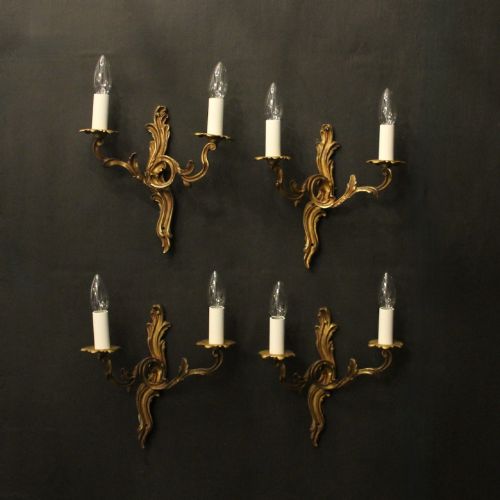
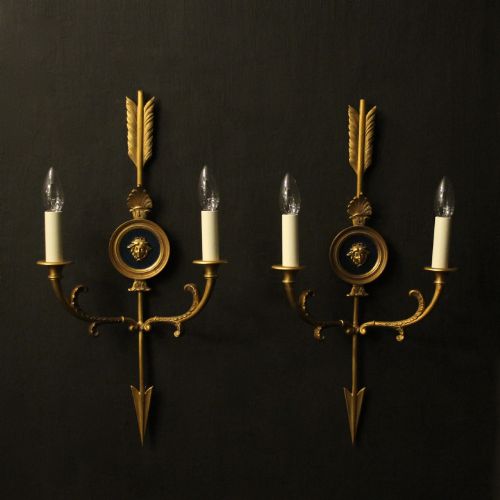
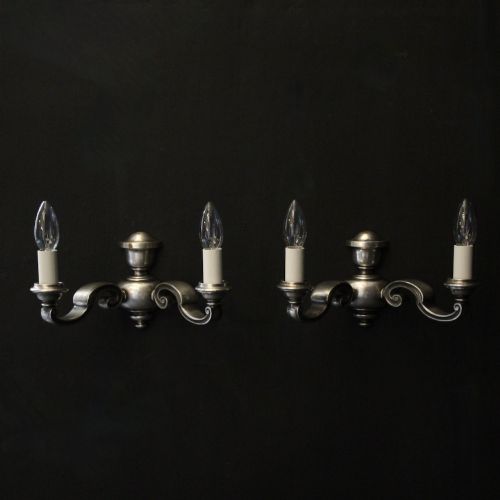
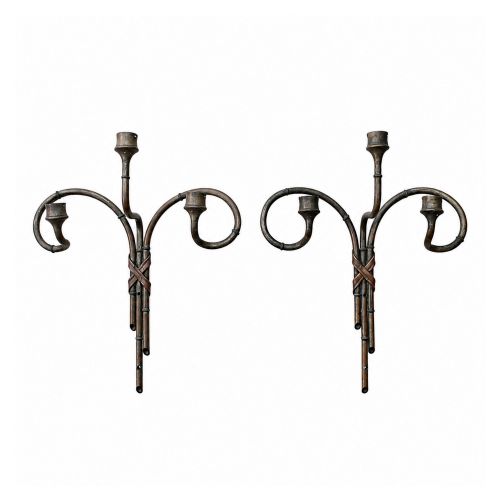
Pair Candle Brackets
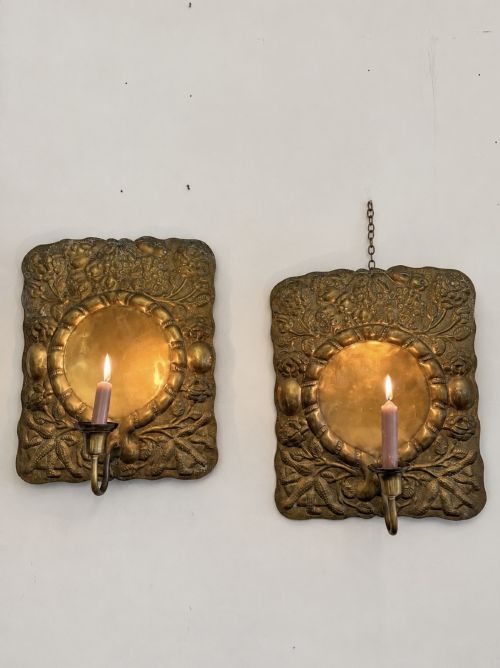
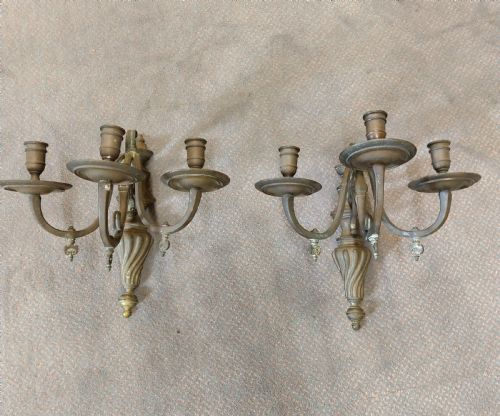
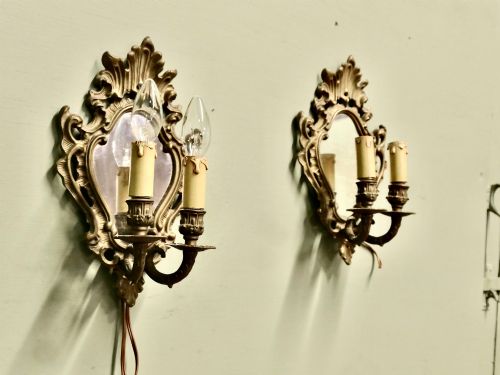
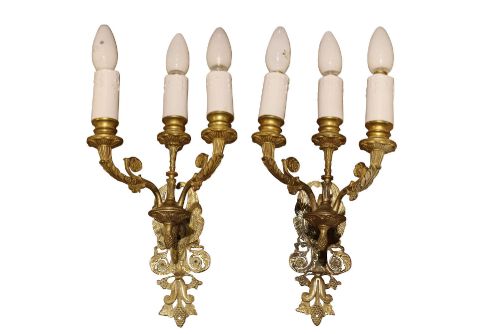
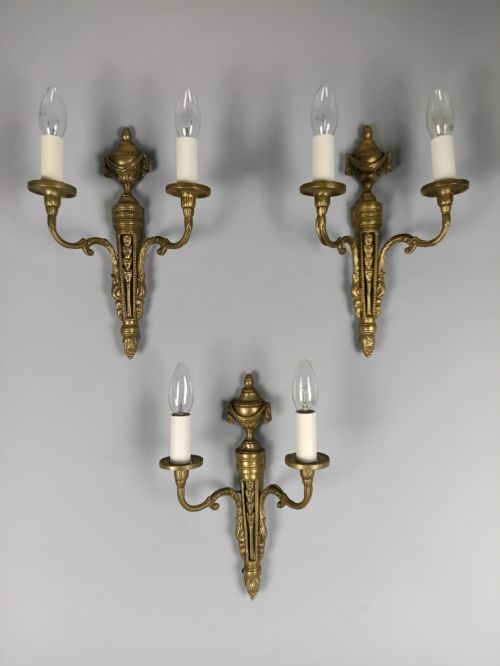
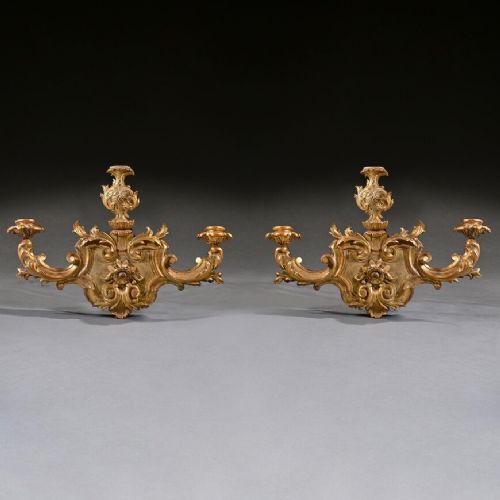
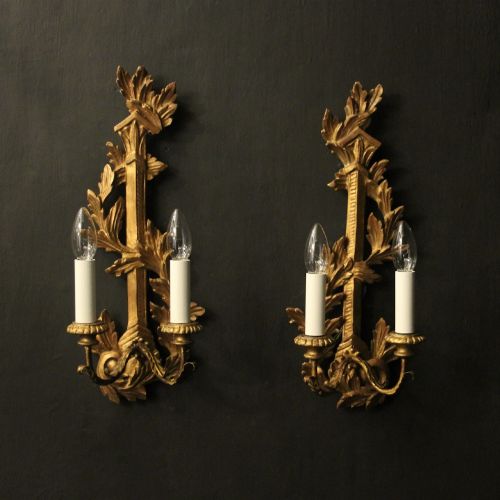
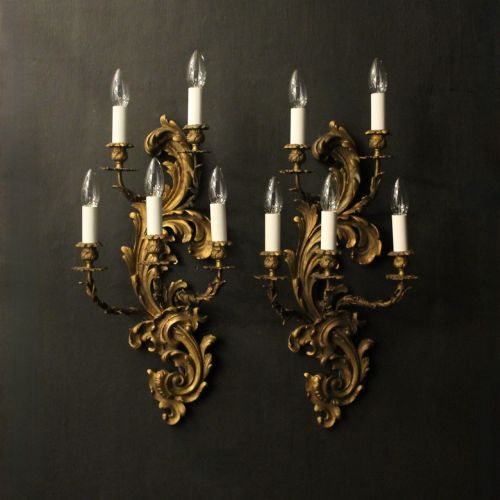
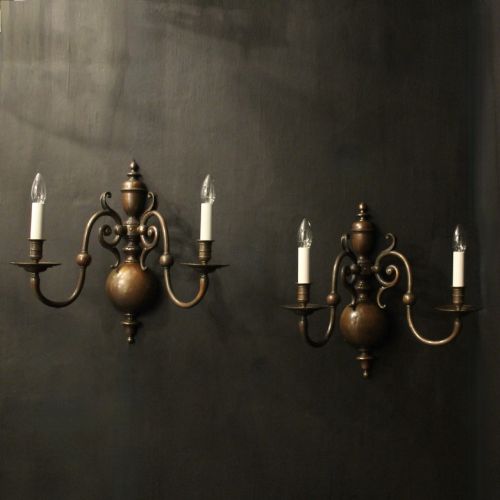
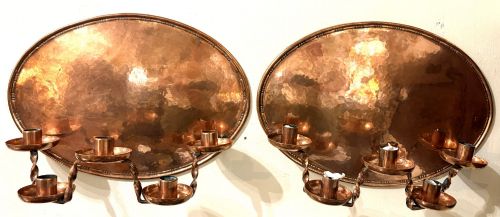
These pair candle brackets provide symmetrical illumination through wall-mounted sconces designed to hold multiple candles or bulbs.
Pair Candle Brackets
The most common examples on this page date from the early 20th century, particularly the 1920s and 1930s, often produced in styles recalling earlier French taste such as Rococo Revival and Louis XVI. These fixtures appear with single arms, twin arms, or multiple branches configured for domestic interiors.
Origins stretch across English, French, and Italian workshops, incorporating regional preferences in decorative carving and metal casting. Buyers find both polished brass engineering and elaborate gilded wooden surfaces suited to formal reception rooms.
How they were made
Makers utilised cast metals including brass, bronze, and ormolu, employing moulds to shape intricate backplates and scrolling arms. Gilt bronze and ormolu finishes received meticulous mercury gilding or gold leaf application to achieve a durable metallic lustre.
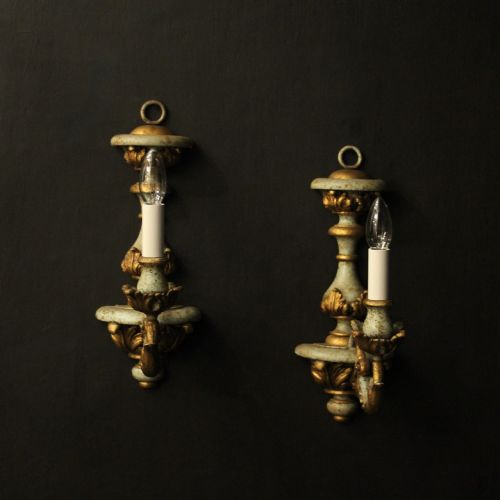
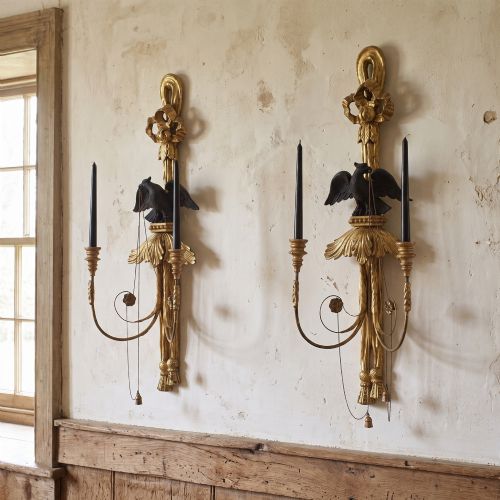
Wooden examples relied on carved wood, gesso, and giltwood construction, where artisans hand-carved floral or scroll motifs before applying thin layers of gold leaf. Polychrome variants incorporated painted pigments directly onto the wooden substrate for colourful decorative impact.
Pair Candle Brackets Retail Price Guide 2026
Typical asking prices for pair candle brackets among the pieces listed under this phrase on Sellingantiques today, from the lower quarter to the upper quarter. They describe what is for sale here now, not the wider market.
The listings feature diverse materials including brass, gilt bronze, carved wood, and giltwood across various 19th and 20th-century periods.
What varies in quality
The distinction between standard production and superior craftsmanship rests in the crispness of the casting and the depth of the hand-chasing on metal mounts. Finer brass and bronze pieces display sharp relief work on acanthus leaves and cherub figures, whereas lesser examples present softer, shallower contours from worn moulds.
In wooden and giltwood items, quality is determined by the precision of the underlying wood carving beneath the gesso and gold leaf layers. Superior pieces retain sharp edges and crisp undercuts, while simpler items rely on thick plaster compositions that blunt fine detail.
F. & C. Osler
The Pair Candle Brackets Glossary
- Ormolu
- Gilded bronze, where a finely ground gold-mercury amalgam is applied to a bronze base and heated until the mercury vapours disperse. This technique yields a rich, warm golden surface found on many fine French wall lights.
- Gesso
- A plaster-like mixture applied to wood surfaces to prepare them for gilding or painting. It provides a smooth base that artisans could carve and shape before applying gold leaf.
- Sconce
- A wall-mounted lighting fixture designed to hold candles or electric lamps. Historically, these items projected light outward into rooms using backplates that often incorporated reflective brass or mirrors.
- Rococo Revival
- A 19th-century design style reviving the asymmetrical scrolls, shell motifs, and naturalistic curves of the 18th-century French Rococo movement. Many wall lights from the Victorian and Edwardian periods adopt this flamboyant aesthetic.
- Giltwood
- Timber, frequently pine or lime, that has been coated with gold leaf over a prepared ground. It is characteristic of decorative Italian and French wall brackets from various centuries.
Pair Candle Brackets: Frequently Asked Questions
How were pair candle brackets used?
These fixtures were mounted directly to walls in pairs to provide symmetrical illumination in reception rooms, hallways, and dining spaces. Placed beside mirrors or architectural doorways, they maximised the flickering effect of candlelight.
Over time, many of these brackets were adapted for electricity while retaining their original decorative metal or carved wooden backplates for interior illumination.
How do I identify French styles?
French wall lights often display characteristic Rococo or Louis XVI design elements, including scrolling acanthus leaves, urns, and naturalistic floral garlands. The bronze and brass castings tend to feature deep relief work and refined chasing.
Examining the backplates and mounting hardware also helps reveal continental manufacturing methods and period finishing techniques distinct from English production.
Are these brackets wired for electricity?
Many surviving pairs have been rewired to modern electrical standards to facilitate safe installation in contemporary homes. Listings frequently note whether the internal wiring has been updated for immediate use.
Buyers should inspect the specific condition notes to determine if professional rewiring is required prior to wall mounting.
What materials are most common?
Brass and gilt bronze dominate the metal selections, offering durable structures for scrolling arms and detailed backplates. Wooden alternatives utilise carved wood and giltwood finished with delicate gold leaf.
Secondary materials such as porcelain, crystal drops, and silver plating also appear on specific period examples to enhance the decorative scheme.