
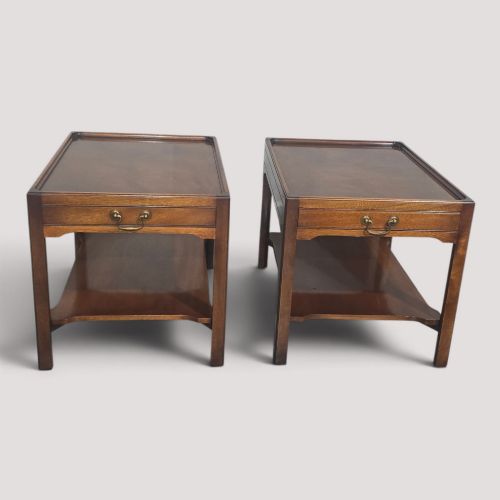
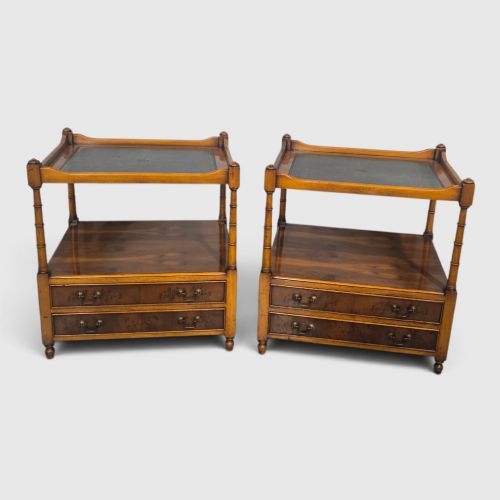
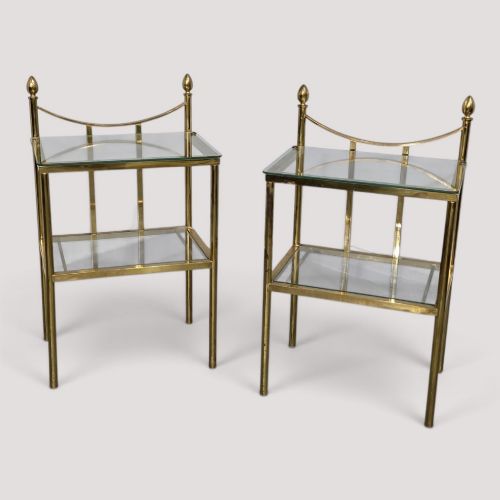

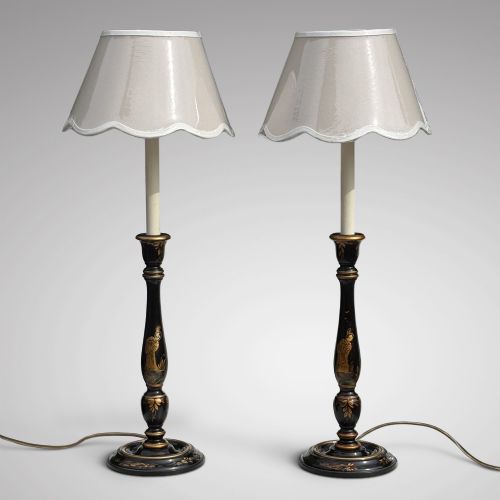
Pair Bedside Lamp Tables
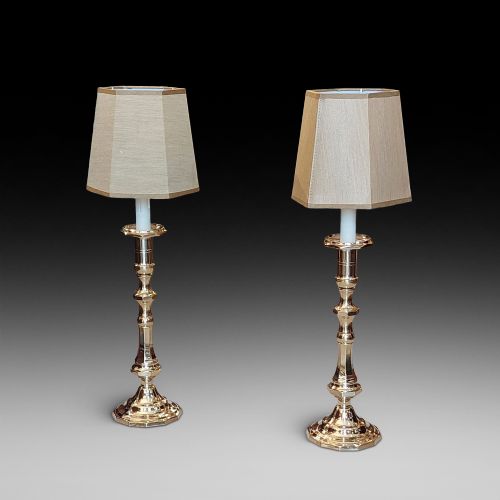
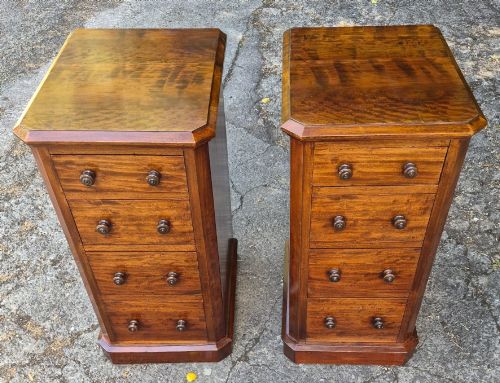
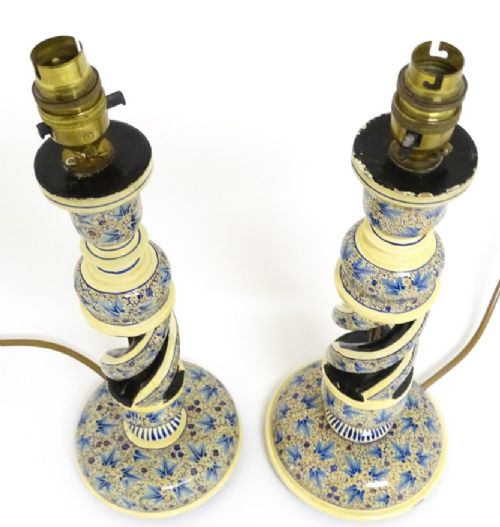
When you search for pair bedside lamp tables, you step into a curated selection of matching small furniture and lighting designed to balance a room.
Pair Bedside Lamp Tables
The search for pair bedside lamp tables uncovers a dual category comprising both functional small furniture and matched lighting fixtures. These pieces span the nineteenth and early twentieth centuries, drawing on Georgian, Victorian, and Edwardian design idioms alongside French neoclassical and Art Deco movements.
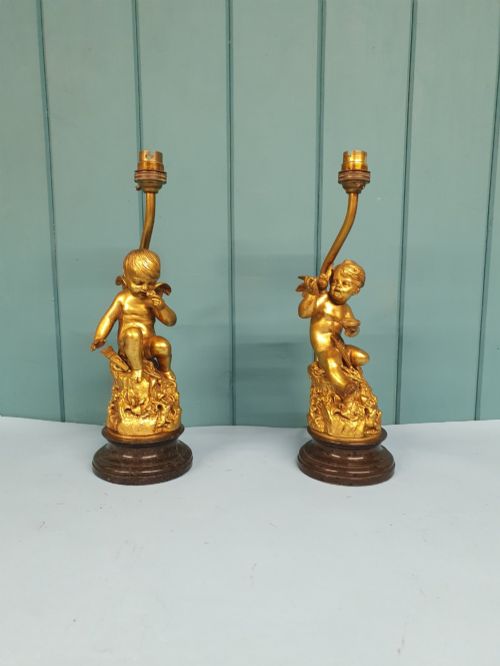
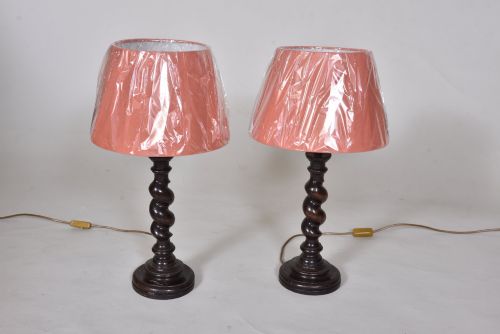
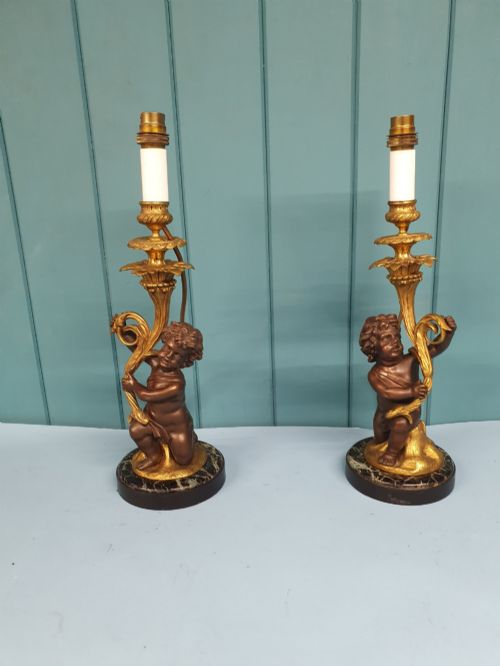
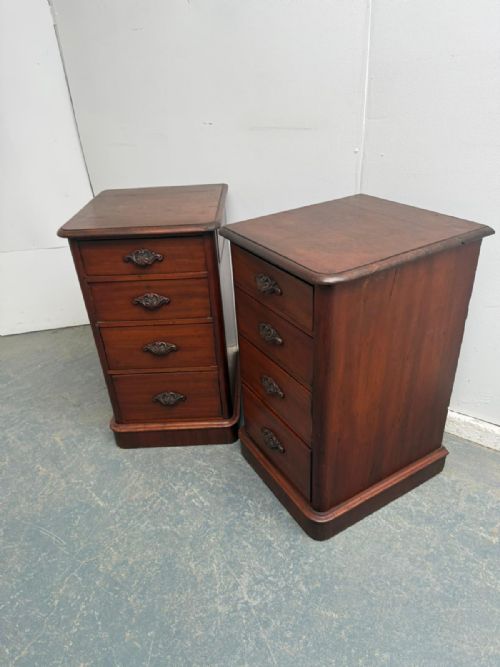
Furniture entries predominantly consist of mahogany, walnut, oak, and yew chests, cabinets, and drop-leaf surfaces. Lighting entries present matching columns, figural bronzes, and ceramic bodies fitted with fabric shades.
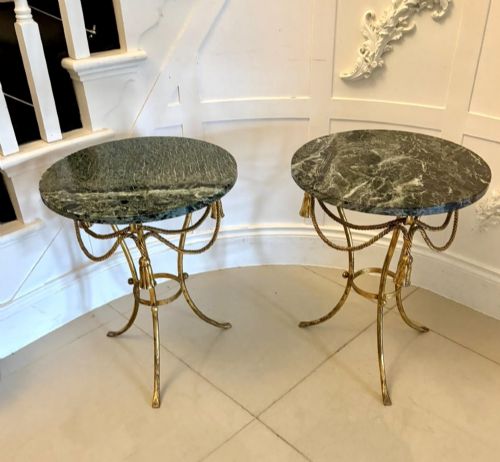
Buyers encounter matching chests of drawers, compact side tables, and dual lamp bases designed to sit symmetrically on either side of a bed or within a principal reception room.
Materials and Construction
Cabinet makers utilised dense hardwoods such as mahogany, walnut, and yew, frequently applying marquetry inlays, parquetry, or fine wood veneers over secondary timbers. Surface ornamentation often involved hand-carving, wax finishing, and painted lacquer work in regional styles.
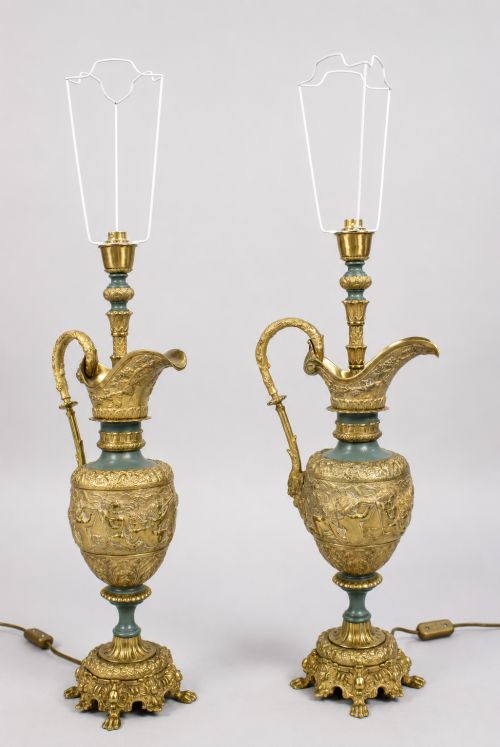
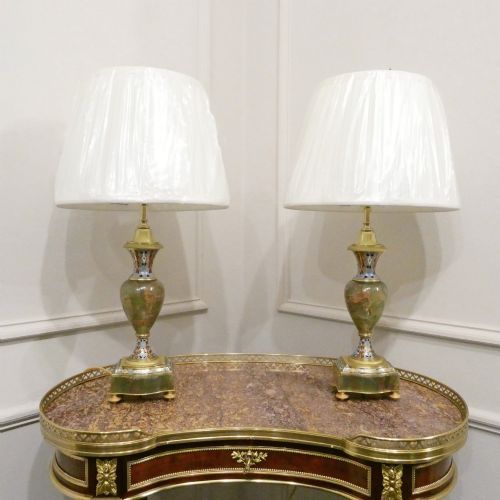
Metal lighting fixtures were cast in brass, bronze, and gilt metal, occasionally incorporating champlevé enamel, onyx, or hand-cut crystal elements. Many lighting examples integrate historical conversions from earlier candlesticks, oil lamps, or ceramic vases.
Several items began life as eighteenth-century sphinxes before finding new purpose as lamp bases.
Assessing Craftsmanship
Superior examples demonstrate meticulous timber selection, exhibiting figured mahogany or matched wood grains that align seamlessly across both pieces of a pair. Joinery standards dictate structural integrity, seen in dovetailed drawer construction and stable framing.
In metalwork and ceramics, high-grade casting shows crisp detail without porosity, and hand-applied gilding or enamel maintains depth and precision. The degree of preservation in original hardware, marble tops, and surface patination distinguishes standard workshop output from exceptional commissions.
E Rousseau·Angelo Brotto for Esperia
The Pair Bedside Lamp Tables Glossary
- Marquetry
- Decorative inlay technique where pieces of contrasting veneer are assembled to form pictorial or geometric patterns on a wooden surface.
- Champlevé
- Enamelling method where troughs are gouged into a metal base and filled with vitreous paste before firing.
- Corinthian Column
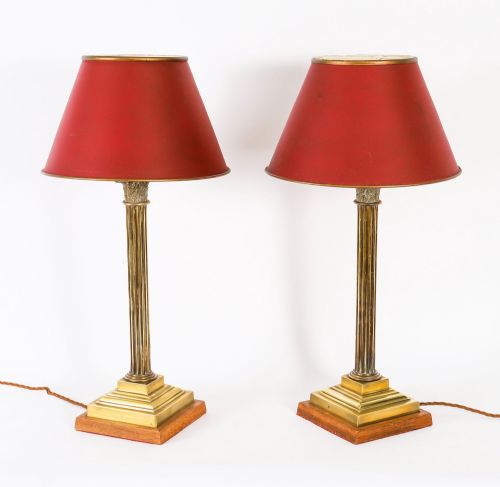
- Classical architectural order featuring an ornate capital decorated with acanthus leaves, frequently replicated in brass lamp bases.
- Parquetry
- Geometric mosaic woodwork pattern resembling a grid, used primarily on table tops and cabinet doors.
- Serpentine
- Wave-like undulating contour shaping the front facade of a chest of drawers or table.
Pair Bedside Lamp Tables: Frequently Asked Questions
What is a pair bedside lamp table?
These items encompass matching pieces of small-scale furniture or dual lighting fixtures intended for symmetrical placement in bedrooms or sitting rooms.
They serve practical needs for surface space and illumination while maintaining visual harmony across a room layout.
How were they used historically?
Period households utilised these small surfaces and matching lamps beside sleeping quarters to hold personal items and provide nighttime reading light.
In reception rooms, matching tables and lamps anchored seating areas to create balanced interior illumination and storage.
How do I live with them?
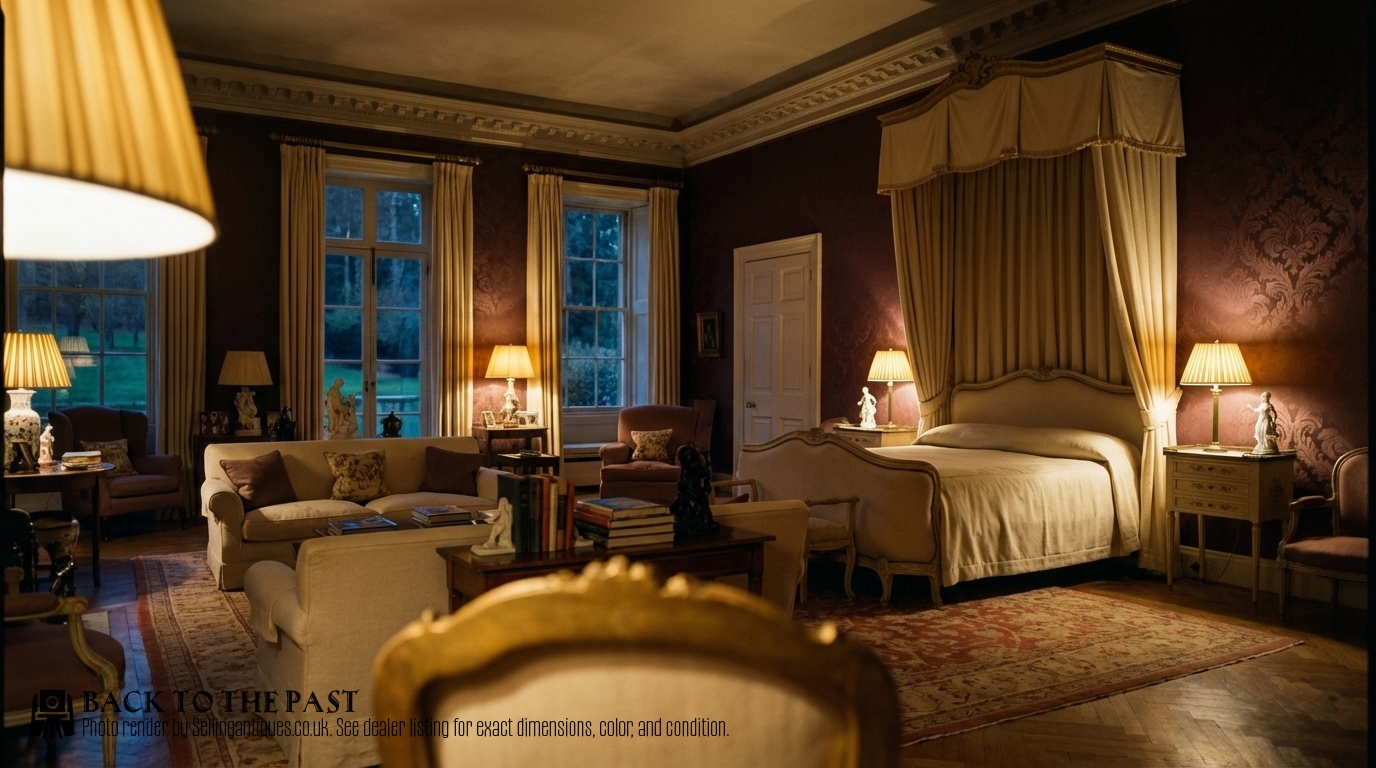
Symmetrical placement flanking a bed or sofa creates an orderly focal point while offering daily utility for lighting and small belongings.
Protect finished wood surfaces from moisture using coasters and keep brass or bronze components free from abrasive cleaners.
How do I tell periods apart?
Georgian and Victorian pieces tend to rely on solid mahogany, classical proportions, and understated joinery, whereas Edwardian and 1920s examples often introduce lighter marquetry or eclectic revival styles.
Examining the underlying wood species, casting techniques, and wiring methods helps distinguish nineteenth-century production from later twentieth-century interpretations.