



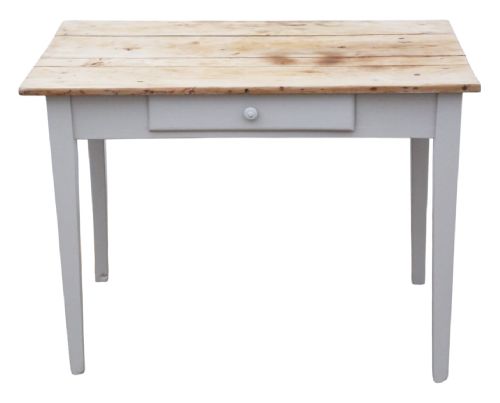


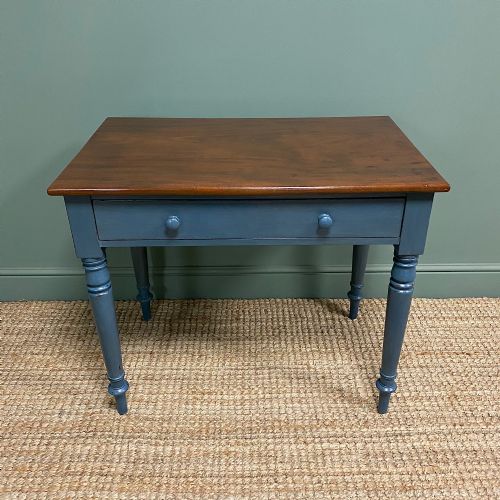


Painted Wooden Writing Desk
A painted wooden writing desk brings hand-brushed colour and honest timber surfaces to a study, offering a practical writing place with enduring country charm.
Painted Wooden Writing Desk
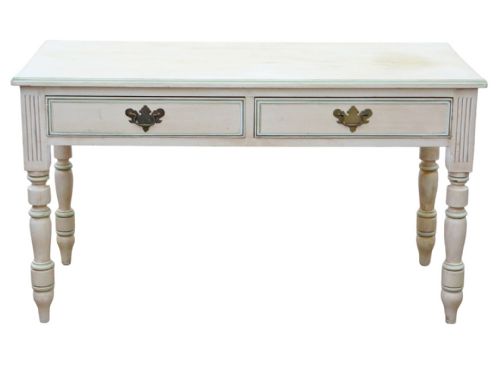
A painted wooden writing desk encompasses various functional writing surfaces and side tables finished in period paint finishes, spanning Georgian, Victorian, and early twentieth-century eras. These pieces bridge utilitarian needs and decorative country house aesthetics.
Most examples found in this selection display regional European and British character, notably Scandinavian country styles, English country pieces, and French country designs. Timber construction typically relies on pine or general wood substrates prepared for painted decoration.
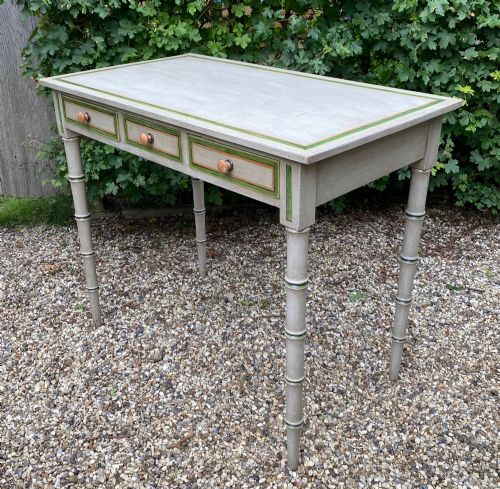
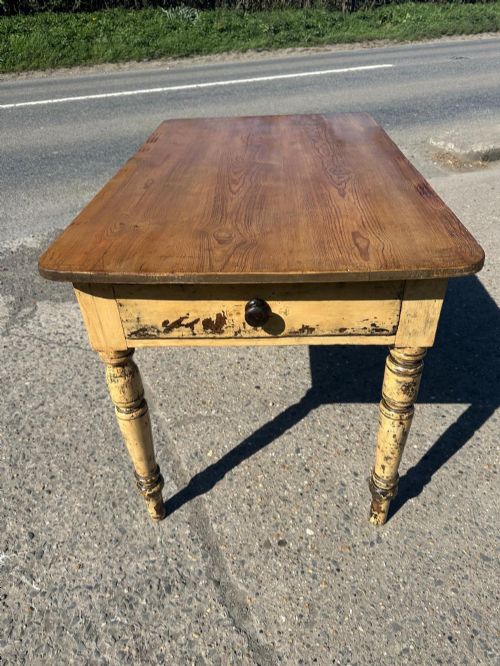
Forms range from dedicated clerks' desks with stools to side tables and kitchen tables adapted for writing tasks. Buyers encounter traditional finishes such as original ochre paint, faux bamboo detailing, and scrub-top surfaces.
Materials and construction methods
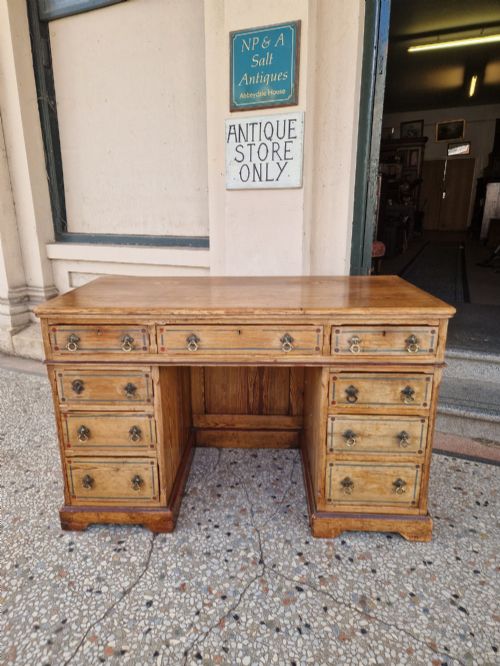
Makers utilised solid timbers like pine and pitch pine for structural stability, applying hand-mixed paint layers directly over prepared wood surfaces. Joinery techniques reflect traditional workshop standards appropriate for domestic furniture.
Decorative treatments include faux bamboo turning and simulated mahogany graining alongside solid colour coats in ochre or neutral tones. Metal elements such as brass fittings appear on selected drawer hardware and structural accents.
Painted Wooden Writing Desk Retail Price Guide 2026
Typical asking prices for painted wooden writing desk among the pieces listed under this phrase on Sellingantiques today, from the lower quarter to the upper quarter. They describe what is for sale here now, not the wider market.
Current listings feature painted wooden writing desks and related tables dating from the eighteenth century through to the 1920s, utilising pine, timber, and brass.
Factors influencing piece quality
Quality rests primarily in the originality of the paint surface and the integrity of the underlying timber. Untouched decorative finishes carry distinct historical value compared to later overpainting.
Joinery execution and drawer construction separate standard utility items from finer workshop output. Well-fitted drawers and balanced proportions indicate superior craftsmanship within country and regional furniture.
The Painted Wooden Writing Desk Glossary
- Scrub-top
- A plain timber table top designed for frequent washing and heavy kitchen or workspace use. These surfaces show the natural grain through years of cleaning.
- Faux bamboo
- A decorative turning technique on wood that mimics the jointed segments of real bamboo. It was popular during the Regency period.
- Bureau
- A desk featuring a sloping hinged writing flap that covers internal pigeonholes and small drawers. They provide compact storage for writing materials.
- Pitch pine
- A resinous softwood noted for its durability and prominent grain pattern. Makers utilised it heavily in late nineteenth-century utilitarian furniture.
- Galleried
- A low decorative rail running along the back or edges of a table top to prevent items from rolling off. This feature appears on select Victorian pieces.
Painted Wooden Writing Desk: Frequently Asked Questions
How do I date a painted desk?
Dating relies on examining construction methods, timber types, and the composition of the paint layers. Nail types, dovetail joints, and tool marks offer clear chronological clues.
Style indicators such as Regency faux bamboo turnings or Victorian proportions also help place the piece within a specific decade or century.
Are painted finishes original?
Determining original paint involves inspecting surface wear, craquelure, and the interaction between the pigment and underlying timber. Subtle variations in tone often confirm early or initial finishing.
Layers of later decoration can sometimes be identified around edges and hardware recesses during close inspection.
How do I clean a painted wooden desk?
Maintenance requires gentle dusting with a dry, soft cloth to protect fragile historical paint surfaces. Moisture should be avoided unless specified for a particular sealed finish.
Applying mild beeswax can preserve unsealed wood elements while keeping painted sections clean and stable.
Where were these desks used?
These tables served primarily in domestic studies, country house libraries, and schoolrooms for daily correspondence and record keeping. Many smaller formats doubled as occasional tables in sitting rooms.
Kitchen tables with drawers also functioned as multi-purpose writing surfaces in farmhouse settings.